
If you’re raising geese or thinking of bringing these wonderful birds into your life, one question that often comes up is how long does it take for goose eggs to hatch. Understanding the incubation period can be crucial in ensuring a successful breeding season. However, there’s more to hatching goose eggs than just waiting out the days – factors like breed, climate, and nutrition all play a significant role in determining the length of time it takes for your geese eggs to hatch. In this article, we’ll delve into the specifics of incubation periods for different breeds of geese and explore how environmental conditions and dietary habits can impact the hatching process. Whether you’re a seasoned goose breeder or just starting out, you won’t want to miss our comprehensive guide on hatching goose eggs.
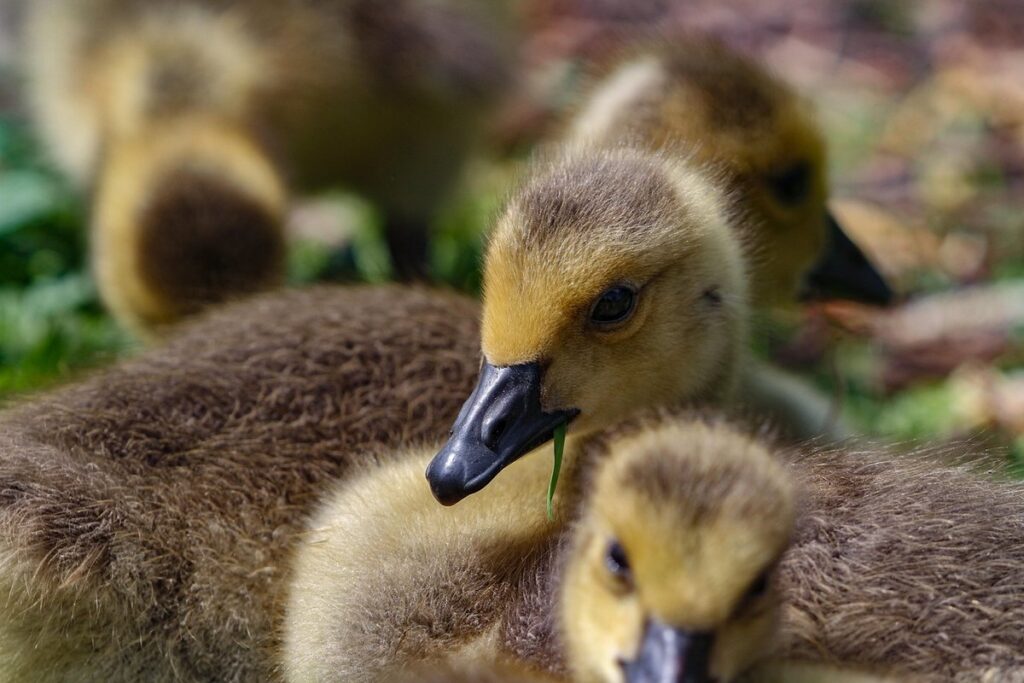
Understanding Goose Breeding and Incubation
If you’re wondering how long it takes for goose eggs to hatch, understanding the basics of breeding and incubation is essential. Let’s dive into the specifics of how geese reproduce and incubate their eggs.
Characteristics of Goose Eggs
Goose eggs are larger and more robust than those of most other waterfowl species. On average, they can weigh between 8-12 ounces (225-340 grams) with some breeds laying as large as 1 pound (450 grams) or more. This increased size is largely due to the need for developing goslings that can withstand the harsh conditions often found in natural habitats.
In terms of shell thickness, goose eggs tend to be thicker and more robust than those of ducks or chickens. This added protection helps safeguard the developing embryo from environmental stressors such as extreme temperatures and physical impacts. As a result, incubation times for goose eggs are typically longer than those for smaller bird species.
Goose eggs also have a unique shape, being slightly pointed at one end. This elliptical shape allows for optimal storage of yolk and white within the egg while also facilitating efficient transfer of nutrients from the mother to the developing embryo during laying.
Factors Influencing Incubation Periods
The incubation period of goose eggs can vary depending on several factors. Breed is one such factor that significantly influences hatching time. Some breeds, like the Embden and Toulouse geese, have longer incubation periods ranging from 28 to 30 days, while others, like the Chinese and African geese, hatch within a shorter period of around 24-26 days.
Climate also plays a crucial role in determining the incubation period. Geese kept in warm climates tend to hatch faster than those in colder regions. For instance, geese hatched in tropical areas often emerge after 25-27 days, whereas those in cooler temperatures might take up to 30 days to hatch.
Nutrition is another critical factor affecting goose egg hatching. A well-balanced diet rich in proteins and essential nutrients helps the embryo develop properly and shortens the incubation period. Conversely, malnutrition can lead to a longer incubation time or even affect the health of the goslings upon hatching.
To optimize the incubation process, ensure your geese have access to high-quality feed, clean water, and adequate shelter from extreme temperatures. Regular monitoring and record-keeping will also help you identify any potential issues and take corrective measures in time. By understanding these factors, you can better plan and prepare for the hatching of your goose eggs.
The Basics of Goose Egg Incubation
To successfully incubate goose eggs, it’s essential to understand the basic principles and requirements that create an ideal environment for healthy embryo development. This section will cover the key elements of a well-set-up incubator.
Choosing the Right Incubator
When choosing an incubator for goose eggs, it’s essential to consider their unique requirements. Goose eggs are larger and more challenging to incubate compared to chicken eggs, so you’ll need a reliable and suitable incubator.
There are several types of incubators available, including digital, analog, and automatic ones. Digital incubators offer precise temperature control, which is crucial for goose egg incubation. They also often come with built-in alarms and humidity controls, making them ideal for beginners.
Automatic incubators can be a good option for those who want to minimize manual intervention. However, they may not be as accurate or reliable as digital ones. Analog incubators are the most basic type but require more frequent checks and adjustments.
When selecting an incubator, consider its capacity, temperature range, and humidity control features. Make sure it can maintain a consistent temperature between 99°F to 100°F (37°C to 38°C) and humidity levels between 50% to 60%. Always read reviews and check the manufacturer’s reputation before making a purchase.
It’s also crucial to ensure that your incubator is specifically designed for large bird eggs, like geese. Some incubators may not be suitable for their size or shape, which can affect hatching success rates.
Setting Up the Incubator
Before you can even think about when your goose eggs will hatch, you need to set up your incubator correctly. This is crucial for a successful hatching process. First and foremost, ensure that the temperature is within the correct range. For goose eggs, this typically falls between 99°F (37°C) and 100°F (38°C). Be aware that some models may have slightly different temperature requirements, so always consult your incubator’s manual.
Next, you need to control the humidity levels in the incubator. Goose eggs require a humidity level of around 50-60% during the first 24 days of incubation and 30-40% for the remaining days. To achieve this, you can use a water reservoir or a hygrometer to monitor the levels.
The turning mechanism is another vital aspect of setting up your incubator. Make sure it’s set to turn the eggs at least three times a day. This helps prevent the embryo from getting stuck in one position and promotes even development. For example, some incubators come with a built-in timer or automatic turning feature. If yours doesn’t have this option, consider investing in an external turning device for easier egg care.
Factors Affecting Hatching Time
Several factors can influence how long it takes for a goose egg to hatch, and understanding these variables is crucial for predicting when your eggs will crack open. Let’s examine some of the key factors at play.
Environmental Conditions
When incubating goose eggs, environmental conditions play a crucial role in determining the hatching time and overall health of the goslings. Temperature, humidity, and ventilation are key factors to consider.
Temperature is essential for hatching. Goose eggs require a consistent temperature between 99°F (37°C) and 100°F (38°C). If the incubator is too hot or cold, it can cause developmental issues in the embryos. For example, if the temperature drops below 98°F (36°C), the embryo may develop abnormally, leading to weaker goslings.
Humidity also affects hatching time. Goose eggs need a humid environment, typically between 50-60% relative humidity. Low humidity can lead to dehydration and increased risk of infection in the developing embryos. To maintain optimal humidity levels, ensure that the incubator is clean and well-maintained, and use a water spray bottle to maintain the recommended humidity range.
Proper ventilation is equally important. Goose eggs need oxygen to breathe and develop properly. A lack of ventilation can lead to an increase in carbon dioxide levels, causing stress and developmental issues in the embryos. Make sure that your incubator has adequate airflow and maintain regular cleaning to ensure optimal performance. By controlling these environmental conditions, you can provide a healthy environment for your goose eggs to hatch successfully.
Health Issues and Hygiene
Maintaining cleanliness and good hygiene during incubation is crucial for healthy hatching. A dirty environment can lead to fungal growth, bacterial contamination, and other health issues that may affect the embryo’s development. This, in turn, can prolong or even hinder the hatching process.
Regularly clean the incubator with a gentle detergent and dry it thoroughly to prevent moisture buildup. Remove any debris, old food, and waste to maintain a sterile atmosphere. Ensure proper ventilation by adjusting airflow settings to prevent ammonia build-up.
Addressing potential health issues promptly is also vital. Monitor eggs closely for cracks, leaks, or other signs of damage that may introduce bacteria or fungal spores. Keep an eye out for temperature fluctuations, humidity levels, and pH imbalances that can affect embryo development. If you notice any anomalies, adjust the incubation conditions accordingly to prevent further complications.
Additionally, ensure proper handling of eggs during transfer, as rough handling can cause breakage or contamination. By maintaining a clean environment and addressing potential health issues early on, you can minimize risks and promote healthy hatching.
Common Incubation Periods for Different Goose Breeds
If you’re wondering how long it takes for your goose eggs to hatch, here’s a breakdown of the typical incubation periods for various breeds.
Temperate Goose Breeds
If you’re raising temperate goose breeds like Embden or Toulouse geese, understanding their typical incubation periods is crucial for successful hatching. The Embden geese, known for their distinctive white plumage and friendly nature, typically take around 28-30 days to hatch. On the other hand, the Toulouse geese, prized for their rich flavor and robust build, usually need about 29-31 days of incubation.
Keep in mind that these are only general guidelines, as actual incubation times may vary depending on factors like temperature, humidity, and individual egg development. To ensure optimal hatching conditions, make sure your incubator is maintained at a consistent temperature between 99°F and 100°F (37°C to 38°C) and relative humidity levels of around 50-60%.
Remember that even with precise temperature control, there’s still some natural variation in incubation times. Don’t be alarmed if you notice a few eggs hatching a day or two before the average range.
Tropical and Cold-Climate Breeds
Goose breeds from tropical and cold-climate regions have distinct characteristics that influence their incubation periods. Tropical goose breeds, such as Embden and Toulouse geese, typically take 28-30 days to hatch due to their high egg production rates. In contrast, cold-climate breeds like Chinese and Sebastopol geese often require a slightly longer incubation period of 31-32 days.
The unique characteristics of these breeds play a significant role in determining their incubation periods. For instance, tropical breeds tend to have more frequent molting cycles, which can affect egg production and incubation time. In contrast, cold-climate breeds are adapted to withstand harsh weather conditions and may require additional time for embryonic development.
To accurately determine the incubation period of your goose breed, consult a reputable breeding guide or consult with an experienced breeder. They will provide you with specific information on the breed’s average incubation period based on its genetic makeup and environmental factors. By understanding these differences, you can better prepare for the hatching process and ensure the health and well-being of your goslings.
Tips for Successful Incubation
To ensure a successful incubation, consider these essential tips that will give your goose eggs the best chance at hatching. Proper temperature control and humidity levels are crucial for a healthy hatch.
Monitoring Temperature and Humidity
Monitoring temperature and humidity levels is crucial during incubation. Gooses eggs are sensitive to extreme temperatures, and even small deviations can affect hatch rates. Aim for a consistent temperature between 99.5°F (37.7°C) and 100.5°F (38°C), with minimal fluctuations.
To monitor temperature, use an accurate thermometer placed in the center of the incubator. Some incubators come equipped with built-in thermometers or digital displays. If not, invest in a separate thermometer to ensure accuracy. You can also place a thermometer in the egg chamber to check for temperature variations within the incubator.
Humidity levels are equally important, ranging between 50% and 60%. Maintain this range by misting the eggs with water daily. You can use a hygrometer to measure humidity levels. Keep the incubator clean and free of drafts to prevent moisture loss.
Adjustments may be necessary if temperature or humidity readings deviate from the optimal range. If temperatures drop, increase the incubator’s heat setting gradually. Similarly, if humidity falls below 50%, mist the eggs more frequently.
Turning and Gently Handling Eggs
When turning and gently handling goose eggs, it’s essential to ensure even development and successful hatching. To achieve this, follow these steps carefully.
Turn the eggs 2-3 times a day, as goose eggs have thicker shells than chicken eggs, requiring more frequent turns. Use a gentle touch, rotating them by about 45 degrees in each direction. This helps prevent the embryo from being wedged against the shell and promotes even weight distribution.
When handling eggs, wash your hands thoroughly before touching the eggs to prevent introducing bacteria that can cause contamination. Gently pick up the eggs, supporting their weight with one hand while using the other to turn them. Avoid holding the eggs by their pointed end, as this can damage the air cell or crack the shell.
It’s also crucial to store the turned eggs in a safe environment, where they won’t be disturbed or jostled. A temperature range of 99-100°F (37.2-37.8°C) and humidity levels between 50-60% will help promote healthy development. By following these guidelines, you’ll be well on your way to successful goose egg incubation and a healthy hatch.
Challenges and Troubleshooting
You may encounter some unexpected issues when incubating goose eggs, so let’s tackle some common challenges and troubleshooting tips to ensure a successful hatch. We’ll cover potential problems and their solutions.
Common Issues During Incubation
Incubation is a critical stage in the life cycle of goose eggs. However, even with proper care and equipment, common issues can arise that may impact the health and viability of the embryo. Poor ventilation is one such issue, as it can lead to moisture buildup within the incubator, causing mold growth and fungal infections. Ensure that your incubator has adequate airflow and consider investing in a device that monitors humidity levels.
Another issue that may arise during incubation is inconsistent temperatures. Geese eggs require a consistent temperature of around 99-100°F (37-38°C) to hatch successfully. If the temperature fluctuates, it can cause stress to the embryo, leading to delayed or failed hatching. To avoid this, make sure your incubator has a reliable temperature control system and that you regularly check the temperature readings.
Proper handling of eggs is also crucial during incubation. Geese eggs are more fragile than chicken eggs, so be gentle when turning them to prevent cracking.
Solutions for Troubleshooting
When issues arise during goose egg incubation, it’s essential to address them promptly to increase the chances of successful hatching. One common problem is incorrect temperature settings, which can significantly impact embryo development. To troubleshoot this issue, check your incubator’s thermometer and ensure it’s calibrated accurately.
Another potential problem is humidity fluctuations, leading to cracked or stuck eggs. Maintain a consistent relative humidity level between 50-60% by using a humidifier or misting the eggs regularly. Regularly inspect the eggs for signs of cracking or sticking, and gently rotate them daily to prevent egg yolk from touching the shell.
It’s also crucial to monitor the incubator’s cleanliness and sanitation. Bacterial contamination can be fatal to embryos, so make sure to clean and disinfect the incubator regularly. Check your supplier’s recommendations for any specific cleaning products that may harm or kill bacteria without affecting fertility.
Maintaining accurate records of temperature, humidity, and other environmental factors is also vital in case something goes wrong. Keep a detailed log to track the progress of each egg, including any changes made to the incubation environment. By staying vigilant and taking prompt action when issues arise, you can significantly improve your chances of successful goose egg hatching.
Frequently Asked Questions
Can I use a traditional incubator for all types of goose breeds?
No, the type of incubator you choose depends on the breed of geese you’re raising. Some breeds, like temperate geese, require more precise temperature control, while others, like tropical and cold-climate breeds, can tolerate slightly wider temperature ranges.
How often should I turn my goose eggs during incubation?
It’s recommended to gently rotate your goose eggs 2-3 times a day to prevent sticking and promote even development. However, make sure not to over-turn the eggs, as this can cause damage or reduce humidity levels.
What are some common health issues that can affect goose egg hatchability?
Health issues like bacterial contamination, fungal infections, and mite infestations can all impact hatch rates. Regularly cleaning and disinfecting your incubator, monitoring temperature and humidity levels, and ensuring proper ventilation can help minimize these risks.
Can I incubate goose eggs at home without any specialized equipment?
While it’s possible to set up a makeshift incubation station using a deep cardboard box or a plastic container with some basic supplies, having the right equipment designed specifically for incubating bird eggs will ensure optimal conditions and better hatch rates.