
Raising ducklings can be a thrilling experience, but keeping them warm and healthy is crucial for their development. As new parents to these adorable feathered friends, you might wonder how long your ducklings need heat. The answer lies in understanding their age-specific temperature requirements and creating a safe zone that promotes growth.
Ducklings need heat from birth to around 4-6 weeks of age. During this time, they are prone to drafts and cold stress. Providing the right amount of warmth can be overwhelming, especially if you’re new to raising ducks. In this article, we’ll guide you through the ideal temperature requirements for ducklings at different ages, show you how to create a warm zone in their enclosure, and help you monitor their health with expert tips.
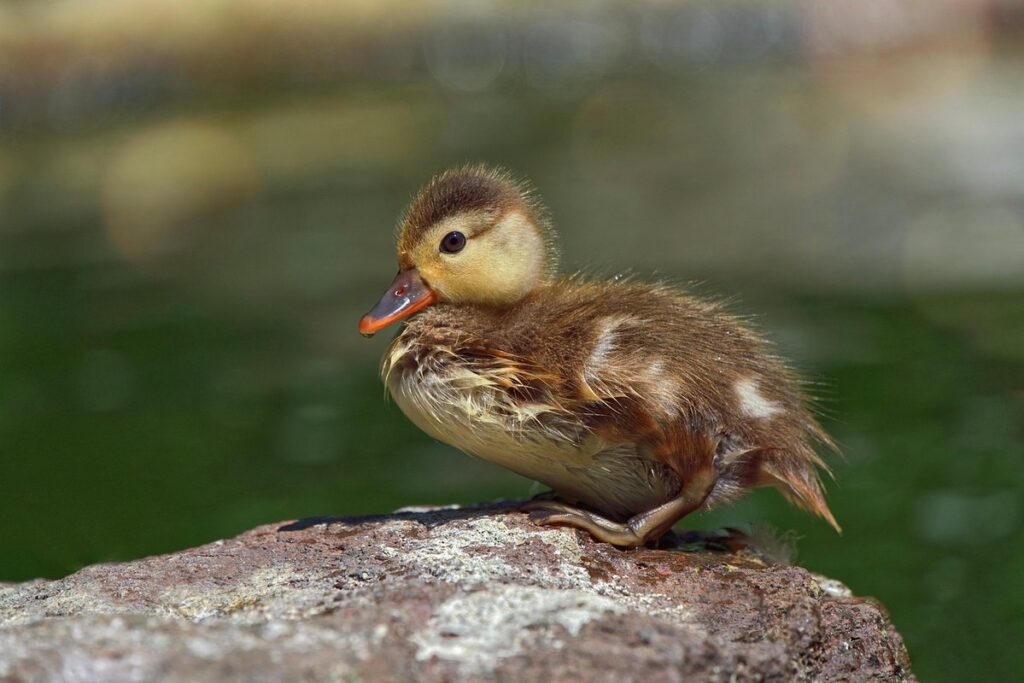
Understanding Duckling Development
To raise healthy ducklings, it’s essential to understand their growth stages and developmental milestones, especially when it comes to maintaining a stable temperature.
The Importance of Temperature Control
Temperature control is a critical factor in duckling development. Proper temperature regulation affects their growth, health, and survival rates. If it’s too cold, ducklings will struggle to regulate their body heat, leading to hypothermia. This can be fatal if left unchecked.
On the other hand, temperatures that are too high can cause dehydration and stress. Prolonged exposure to extreme temperatures can even lead to organ failure in young ducklings. To strike a balance, most breeders recommend maintaining a temperature range of around 90-100°F (32-38°C) for the first few weeks.
As ducklings grow and develop feathers, their ability to regulate body heat improves. However, it’s essential to monitor temperature levels closely during this transition phase. A good rule of thumb is to drop the temperature by about 5-10°F (3-6°C) every week or so until they reach around 60-70°F (15-21°C). This gradual decrease helps prevent shock and ensures a smooth transition to room temperature.
Normal Duckling Body Temperature
When ducklings hatch from their eggs, they are born with a high body temperature that helps them regulate their metabolism and grow rapidly. This initial heat is essential for their development during the first few weeks of life. Typically, new-born ducklings have an internal body temperature ranging between 97-100°F (36-38°C), which is slightly higher than that of adult ducks.
This high temperature gradually decreases as they mature and begin to venture outside with their mother. By around 4-6 weeks old, the normal range for a healthy duckling’s body temperature drops to about 98-102°F (37-39°C). This decrease is a natural process that allows them to adapt to their environment and regulate their internal thermostat accordingly.
Keep in mind that these temperatures are general guidelines and may vary depending on factors such as breed, genetics, and environmental conditions. If you’re keeping ducklings indoors, it’s essential to maintain a stable temperature range of around 90-95°F (32-35°C) during the first few weeks after hatching. This will help them grow and develop normally until they can tolerate outdoor temperatures on their own.
Heat Sources for Ducklings
When raising ducklings, choosing the right heat source is crucial to keep them warm and safe. Here are some popular options for providing gentle warmth to your young ducks.
Brooder or Incubator Options
When it comes to providing heat for ducklings, you have several options to consider. Brooders and incubators are two popular choices that offer distinct benefits.
A brooder is a large, enclosed container specifically designed for raising young poultry. They usually come with built-in heating elements or can be equipped with external heat sources. The advantages of using a brooder include easy temperature control, adequate ventilation, and the ability to accommodate a large number of ducklings. For example, a 3×4 foot brooder can comfortably house up to 20 ducklings.
On the other hand, an incubator is designed for hatching eggs rather than raising ducklings. However, some incubators can be converted into temporary brooders by adding additional space and a heat source. This option provides precise temperature control but may not offer enough room for growing ducklings.
Heat lamps are another common choice, providing direct warmth to the ducklings. They’re easy to install and relatively inexpensive. However, they require close monitoring to prevent overheating and can dry out the air if not used with a humidifier.
It’s worth noting that you can also repurpose items like cardboard boxes or old refrigerators as makeshift brooders in a pinch.
Maintaining a Safe Temperature Zone
Creating a safe temperature zone for your ducklings is crucial to prevent overheating and ensure their health. When using heat sources like heat lamps or ceramic heat emitters, position them at least 2-3 feet away from the ducklings’ brooder to avoid direct radiant heat. This will also help prevent the ducklings from getting too close to the heat source, which can cause burns.
Monitor temperature levels closely by placing a thermometer near the ducklings, ideally on the opposite side of the brooder from the heat source. Aim for a temperature range between 90-95°F (32-35°C) during the first few weeks after hatching. As they grow and develop feathers, you can gradually lower the temperature to around 70-80°F (21-27°C).
Remember that it’s not just about the temperature itself but also the humidity levels in the brooder. A hygrometer will help you keep an eye on the moisture levels, which should be between 50-60% for optimal health and comfort. Adjust the heat source accordingly to maintain a comfortable environment for your ducklings.
Age-Based Heat Requirements
When it comes to duckling care, it’s essential to know how heat requirements change as your baby ducks grow. Let’s break down the age-based heat needs of your feathered friends.
Newborn Ducklings (0-5 Days)
Newborn ducklings require careful attention to temperature control as they transition from the warmth of their mother’s feathers and the incubator. During the first 5 days, it’s essential to maintain an ideal temperature range between 90°F (32°C) and 95°F (35°C). This temperature helps regulate their bodily functions, promotes healthy metabolism, and supports energy production.
Maintaining a consistent temperature is crucial for newborn ducklings as they struggle to regulate their body heat. If the temperature drops below 90°F (32°C), it can lead to respiratory problems, chilling, or even death. On the other hand, temperatures above 95°F (35°C) can cause overheating and discomfort.
Monitor your duckling’s environment closely during this critical period, ensuring the heat source is positioned safely away from their enclosure. Keep an eye out for signs of stress, such as rapid breathing, droopy wings, or lethargy. By providing a stable temperature range, you’ll be giving your newborn ducklings the best possible start in life.
Young Ducklings (5-14 Days)
As duckling grow from 5-14 days old, their heat requirements become more nuanced. During this period, they transition from being completely dependent on their mother’s warmth to gradually increasing their independence.
Their demand for warmth increases significantly as their feathers start to develop and they begin to lose some of the downy covering that kept them snug against their mother’s body. At around 10-12 days old, ducklings start to venture out of their sheltered areas more frequently, exploring their surroundings and becoming increasingly active.
As a result, it’s essential to provide a heat source that can accommodate this increased demand for warmth. A good rule of thumb is to maintain the temperature between 80°F to 90°F (27°C to 32°C) during the day and slightly lower at night. This will allow your ducklings to regulate their body temperature effectively as they grow and develop.
Remember, every brood is unique, so monitor your ducklings’ behavior and adjust the heat accordingly.
Environmental Factors Affecting Heat Needs
When it comes to providing heat for your ducklings, several environmental factors can influence how much warmth they actually need. Let’s examine some of these key variables.
Humidity Levels
Maintaining proper humidity levels is crucial for duckling development. High humidity can be just as detrimental to their growth and health as low temperatures. A sudden drop in humidity, typically around 4-5 days post-hatching, can trigger the ducklings’ natural instinct to grow feathers quickly. This accelerated growth may make them appear healthier but often results in inadequate feather development, making them more susceptible to cold stress.
To maintain a suitable humidity level for your ducklings, it’s essential to monitor the environment closely. A general guideline is to keep the humidity levels between 40-60% until around 14-15 days post-hatching. At this point, you can begin gradually reducing the humidity as the young birds develop their natural insulation. It’s also important to ensure proper ventilation in your brooder or enclosure to prevent the buildup of ammonia from droppings.
In ideal circumstances, ducklings thrive in an environment with a consistent relative humidity between 50-60%. However, this may vary depending on factors like temperature and air movement. Keep a close eye on your ducklings’ behavior and adjust the humidity accordingly to ensure their optimal development.
Ventilation and Air Quality
Proper ventilation and air quality are crucial in maintaining a healthy environment for ducklings. A well-ventilated brooder or incubator ensures that stale air is exchanged with fresh air, which helps to prevent the buildup of bacteria, fungi, and other pathogens. This is especially important when it comes to respiratory issues, as poor air quality can lead to conditions such as pneumonia and respiratory infections.
Aim for a ventilation rate of at least 1-2 exchanges per minute in the brooder or incubator. You can achieve this by placing the unit near an open window or using a fan to circulate the air. Keep in mind that it’s not just about circulating air, but also making sure that fresh air is entering the space.
To take ventilation a step further, consider installing a heat recovery ventilation system. These systems use the heat generated from the brooder or incubator and transfer it into the incoming fresh air, thus maintaining a consistent temperature while preventing moisture buildup. By prioritizing proper ventilation and air quality, you’ll be able to provide your ducklings with a healthy environment that supports their growth and development.
Monitoring Duckling Health
To ensure your ducklings grow strong and healthy, it’s crucial to know when they need supplemental heat to thrive. This section covers monitoring their health for signs of heat stress.
Signs of Overheating or Underheating
When it comes to monitoring duckling health, recognizing signs of overheating or underheating is crucial. Ducklings need a precise temperature range to thrive, and deviations can be detrimental to their well-being.
Behavioral changes are often the first indicators of thermal stress. Overheated ducklings may exhibit lethargy, panting, and avoidance of activity. They might also appear lethargic or have difficulty walking. Conversely, underheated ducklings may become more active than usual, as they try to generate body heat.
Physical symptoms can be just as telling. Overheating can cause ducklings’ eyes to become sunken, their skin dry and flaky, and their breathing rapid. Underheating may lead to labored breathing, shivering, or even huddling together for warmth. Watch your ducklings closely; if you notice any of these signs, investigate the temperature in their enclosure immediately.
Aim for a temperature range between 90°F (32°C) and 95°F (35°C). Monitor the environment carefully to ensure it remains within this range, especially during periods of extreme heat or cold. By staying attentive and aware of these signs, you can provide your ducklings with the ideal conditions they need to grow strong and healthy.
Adjusting Heat Settings Based on Observations
When adjusting heat settings for your ducklings, it’s essential to observe their behavior and health closely. As they grow and develop, you’ll need to make adjustments to ensure they stay comfortable. For example, when the temperature drops, you may notice your ducklings huddle together or appear lethargic. This is a clear indication that the heat needs to be turned up.
Conversely, if it’s extremely hot in the brooder, and your ducklings are panting or avoiding the heat source, it’s time to reduce the temperature. Keep a close eye on their behavior and adjust the heat accordingly. A good rule of thumb is to observe your ducklings’ comfort level every hour or so, making adjustments as needed.
Remember, ducklings develop rapidly, and their needs change quickly. Be prepared to make frequent checks on the temperature and adjust the heat settings accordingly. With experience, you’ll become more adept at reading your ducklings’ cues and providing a comfortable environment for them to thrive.
Tips for Providing Optimal Heat Care
Now that you know how long your ducklings need heat, let’s dive into some practical tips for providing optimal warmth and comfort in their environment.
Regular Temperature Checks
Regular temperature checks are essential to ensure that your duckling’s environment is safe and optimal. A temperature range between 90-95°F (32-35°C) is ideal for young ducklings. However, it’s crucial to check the temperature regularly to avoid overheating or underheating.
To perform effective temperature checks, start by investing in a reliable thermometer that can be placed within your brooder. This will give you an accurate reading of the current temperature. You should also monitor the heat lamp or heat source closely, as these can quickly become too hot for ducklings.
A good rule of thumb is to check the temperature at least twice a day, morning and evening. You can use this opportunity to inspect your brooder’s humidity levels as well. Aim for around 50-60% relative humidity to prevent respiratory issues. By performing regular temperature checks, you’ll be able to adjust the heat accordingly and provide optimal care for your ducklings.
Gradual Weaning from Heat Sources
As duckling parents, it’s essential to monitor their progress and adjust heat care accordingly. As they grow and mature, ducklings will eventually need less warmth from external sources. Gradually weaning them off heat sources is a crucial step to prevent sudden cold stress.
A good rule of thumb is to start reducing the temperature by 1-2 degrees Fahrenheit every week or two, as you notice your ducklings growing more robust and active. This allows their bodies to adjust gradually to producing their own body heat.
Some indicators that ducklings are ready for reduced heat include: increased activity levels, less huddling together, and visible growth spurts. If you’re using a heat lamp, consider replacing it with a lower-wattage alternative or switching to a different type of lighting altogether. Monitor your ducklings’ behavior closely and adjust the heat accordingly.
Remember that every flock is unique, so be prepared to make adjustments based on their individual needs.
Frequently Asked Questions
Can I use a thermometer with a remote sensor to monitor the temperature of my ducklings’ enclosure?
Yes, using a thermometer with a remote sensor can be an excellent way to keep track of the temperature in your ducklings’ enclosure from another room. This can be particularly useful if you have a large brooder or are concerned about drafts and cold spots. Just ensure that the thermometer is calibrated correctly and the readings are accurate.
How often should I check the temperature in my ducklings’ enclosure, especially during extreme weather conditions?
It’s essential to check the temperature frequently, especially when the weather outside is changing rapidly. For newborn ducklings (0-5 days), you may need to check the temperature every 2-3 hours. As they grow and get closer to weaning from heat sources, you can gradually decrease the frequency of checks.
What are some signs that my ducklings are getting too hot or cold, and how do I adjust their environment accordingly?
Ducklings experiencing overheating may display labored breathing, panting, or lethargy. Conversely, hypothermia can lead to shivering, loss of appetite, or even death. To prevent this, ensure adequate ventilation in the brooder and monitor temperature readings regularly. Adjust heat sources as needed based on observations.
Can I use a hot water bottle or a heating mat specifically designed for small animals in my ducklings’ enclosure?
Yes, you can use a hot water bottle or a heating mat, but make sure they are safe for your ducklings. A hot water bottle can be wrapped in towels to maintain the desired temperature and prevent burns. However, always supervise your ducklings when using any heat source.
How do I know if my ducklings’ humidity levels are suitable for their growth and development?
Ducklings thrive in a humid environment between 40-60%. You can use a hygrometer to monitor humidity levels. If the readings drop below 30% or exceed 70%, you may need to adjust your ventilation settings, misting schedule, or add more water sources to maintain optimal humidity levels.