
Are you about to take the leap into raising your own chickens from scratch? Congratulations on deciding to venture into the world of backyard poultry farming! One of the most exciting and nerve-wracking experiences is waiting for those eggs to hatch into adorable chicks. But how long does it take for chicken eggs to hatch, and what factors affect this crucial process?
In this step-by-step guide, we’ll walk you through the entire incubation journey, from setting up your environment to hatching time. We’ll cover essential topics like temperature control, egg quality, and common issues that may impact hatch rates. Whether you’re a seasoned chicken keeper or a beginner, understanding these key factors will help you achieve successful hatches and raise healthy chicks. By the end of this article, you’ll be equipped with the knowledge to confidently navigate the world of incubation and successfully bring new life into your flock.
Understanding Incubation Basics
To successfully incubate chicken eggs, it’s essential to understand the basics of the process and how long it typically takes for eggs to hatch. Let’s break down the key factors involved.
The Importance of Proper Temperature Control
Proper temperature control is crucial during incubation, and it’s essential to understand why. The ideal temperature for chicken egg development varies at different stages. For example, the initial 24 hours of incubation requires a precise temperature of around 99-100°F (37-38°C). This helps initiate embryo development and promotes growth. After that, the temperature is reduced to approximately 98-99°F (36-37°C) for the remaining days until hatching.
Temperature fluctuations can have severe consequences on hatch rates. Even slight variations from the ideal temperatures can impact embryo development and lead to poor hatchability or even total failure. According to data from poultry experts, a 1-2°F (0.5-1°C) temperature deviation during incubation can reduce hatch rates by up to 20%. To avoid such issues, it’s essential to maintain a stable temperature environment throughout the incubation period.
To ensure optimal temperatures, many chicken breeders and hobbyists use thermometers, humidifiers, and heating mats specifically designed for incubators. Regular monitoring of these devices helps identify any potential issues before they affect embryo development.
Choosing the Right Incubator Type
When it comes to incubating eggs, choosing the right type of incubator is crucial for successful hatching. There are several options available, each with its own set of features and benefits.
Manual incubators are a cost-effective option, but they require constant monitoring and maintenance to ensure the perfect temperature and humidity levels. Automatic incubators, on the other hand, can be programmed to maintain optimal conditions, freeing up time for other tasks. However, they may not be as precise in their temperature control, which could affect hatching rates.
Digital incubators offer advanced features like automatic egg turning, temperature control, and alarms for unusual activity. They are ideal for beginners who want a hassle-free experience but can be more expensive upfront. If you’re new to incubation, consider starting with an automatic or digital incubator to ensure optimal conditions for your eggs.
When selecting an incubator type, think about your level of experience and the space available in your home. Consider factors like ease of use, precision temperature control, and alarm systems that alert you to any issues.
Calculating Fertile Egg Count
To determine how many eggs will hatch, you’ll need to calculate your fertile egg count by estimating the number of viable embryos and accounting for any potential losses.
Determining the Number of Eggs to Set
When it comes to setting eggs for hatching, determining the optimal number is crucial for success. The ideal number of fertile eggs to set depends on several factors, including egg quality, incubator capacity, and personal goals.
A general rule of thumb is to start with a small batch of 5-10 fertile eggs and gradually increase or decrease the number based on your experience and desired outcome. This approach allows you to fine-tune your hatching process and make adjustments as needed.
Consider the following factors when deciding how many eggs to set:
* Egg quality: Only use high-quality, clean, and dry eggs that are free from cracks and imperfections.
* Incubator capacity: Make sure your incubator has enough space for the number of eggs you plan to set. A good rule of thumb is to leave about 1-2 inches between each egg for proper air circulation.
* Personal goals: If you’re new to hatching eggs, it’s best to start with a small batch and gradually increase the number as you gain experience.
By considering these factors, you can determine the optimal number of fertile eggs to set for a successful hatch.
Evaluating Egg Quality
When it comes to incubating eggs, one of the most critical steps is evaluating their quality before setting them for hatching. A poor-quality egg can lead to failed hatch rates, decreased fertility, and increased risk of bacterial contamination. To ensure you’re starting with healthy eggs, it’s essential to inspect each one carefully.
Begin by looking for visible cracks or damage on the shell. Hold the egg up to a light source and rotate it gently to check for any weaknesses. You should also examine the egg white (albumen) and yolk for signs of spoilage or contamination. A clean, dry egg is essential for successful hatching. Make sure the egg is sealed properly by checking the air sac at the large end of the egg. It should be around 1/4 inch from the top. Any significant deviation can indicate a problem with the egg’s quality.
If you’re still unsure about an egg’s quality, it’s better to err on the side of caution and discard it. Remember, investing in high-quality eggs will significantly improve your chances of successful hatching and reduce the risk of losses later down the line.
Incubation Duration: A Step-by-Step Guide
Now that you have your eggs under incubation, let’s dive into the crucial step of timing their development, from day 1 to hatch. This guide will walk you through the process.
Day 1-3: Setting Up the Environment
When you first receive fertilized eggs, it’s essential to set up your incubator correctly to ensure a healthy start for your chicks. On day one, take the time to carefully read through your incubator’s manual and understand its specific requirements.
First, plug in the incubator and let it heat up to the optimal temperature of 99-100°F (37-38°C) with humidity levels at around 50-60%. Once it reaches this temperature, you can begin preparing the egg trays. Gently place 3-4 eggs into each tray, making sure they’re not touching each other or the incubator walls.
Next, adjust the temperature settings according to your incubator’s recommendations and the specific needs of your breed. Some breeds require slightly warmer temperatures during certain stages of incubation, so make sure you research these requirements beforehand. Always keep an eye on the temperature gauge and make adjustments as needed to maintain a consistent reading.
Days 4-7: Critical Development Period
As we reach days 4-7 of incubation, the embryo’s growth accelerates significantly. During this critical period, several key developments occur that are crucial for a healthy hatch.
By day 4, the embryo has started to turn, with its head and tail pointing in opposite directions. This is an essential process as it allows the embryo to properly develop its vital organs. As the embryo grows, the air cell size increases, providing room for the growing chick. A well-formed air sac is crucial for a successful hatch.
Maintaining optimal humidity levels during these days is critical. Humidity should be kept at 50-60% to prevent the egg from drying out and to promote healthy growth. Failure to maintain proper humidity can lead to dehydration of the embryo, resulting in a poor hatch or no hatch at all.
Check your incubator’s hygrometer regularly to ensure accurate readings. Also, make sure you’re following the manufacturer’s guidelines for maintaining humidity levels. By paying close attention to these factors during days 4-7, you’ll be well on your way to successfully hatching healthy chicks.
Monitoring Progress and Troubleshooting
As you wait for those precious eggs to hatch, it’s normal to wonder if everything is going as planned. This next part covers common issues that may arise during incubation.
Recognizing Early Signs of Incubation Failure
As you monitor the progress of incubation, it’s essential to recognize early signs that may indicate failure. A sudden drop in temperature can be a critical issue, as chicken embryos are extremely sensitive to temperature fluctuations. If the temperature drops significantly, it can cause the embryo to stop developing or even die.
Another common sign of incubation failure is excessive moisture buildup within the incubator. This can lead to mold growth and create an ideal environment for bacterial contamination, which can be catastrophic for your eggs. Regularly check the humidity levels in your incubator and ensure that they are within the recommended range.
Irregularities in egg rotation can also indicate a problem. Chicken embryos need gentle turning to prevent the formation of blood clots and other developmental issues. If you notice that some eggs are not rotating properly or are being turned too frequently, it may be a sign that your incubation setup is flawed.
In such cases, take immediate action by adjusting the temperature, humidity levels, or egg rotation mechanism as needed.
Basic Troubleshooting Techniques
When encountering issues with hatching chicken eggs, it’s essential to identify and address them promptly. One of the primary causes of unsuccessful hatchings is incorrect temperature and humidity levels within the incubator. To troubleshoot this issue, check that the thermostat and hygrometer are calibrated correctly. Ensure the temperature remains between 99°F and 100°F (37°C and 38°C) for the first 24 days, followed by a slight drop to around 98°F (36.7°C).
Another critical aspect is inspecting the incubator’s electrical components. Verify that all connections are secure, and there are no signs of wear or damage on the wires. A malfunctioning power source can lead to inconsistent temperatures and humidity levels, ultimately affecting egg viability.
Assessing egg viability is equally crucial. Look for visible cracks or soft spots in the eggs, as these can be signs of contamination or internal issues. Gently rotate the eggs daily to prevent the embryo from adhering to one side of the shell. Regularly monitoring temperature and humidity levels, inspecting electrical components, and evaluating egg condition will help you identify potential problems early on and ensure a successful hatch.
The Final Count Down: Hatching
Now that we’ve covered incubation basics, let’s dive into the final countdown to hatching – when you can expect those tiny beaks and fluffy feathers to emerge.
Signs of Approachement to Hatching Time
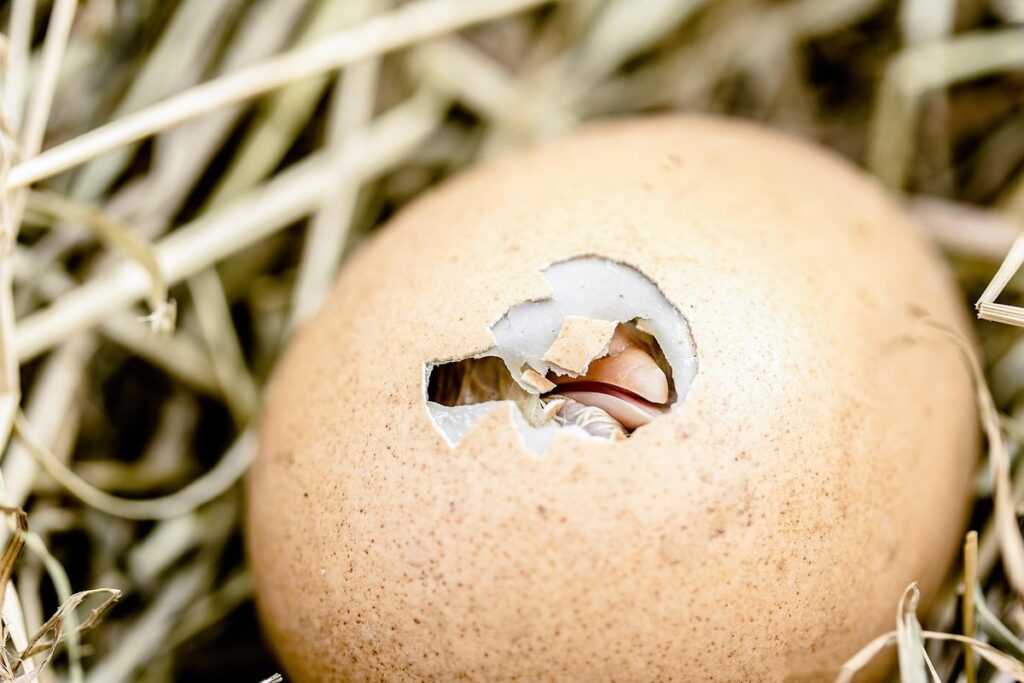
As you count down the final days until hatching time, it’s essential to know the signs that indicate your baby chick is getting ready to emerge. One of the first and most crucial indicators is pip formation. You’ll notice a small hole or crack on the eggshell, usually around the air sac end. This marks the beginning of the chick’s escape from its confines.
Another significant sign is the sound of breathing or rustling within the egg. As the chick gets more active, you might hear faint chirping or even see slight movements under the shell. Keep in mind that this can be a subtle process, so it’s crucial to observe carefully and frequently.
Be aware that some breeds may exhibit these signs earlier or later than others. For example, larger breed eggs may take longer for the chick to pip due to their size. On average, you’ll start seeing these indicators around 24-48 hours before hatching. By monitoring your egg closely during this period, you can better understand when to expect your chick’s arrival and be ready for the exciting moment of first contact with its new environment.
Caring for Newborn Chicks
Now that you’ve successfully hatched your eggs, it’s time to focus on caring for those precious newborn chicks. This is a crucial stage in their development, and proper care will set them up for a happy and healthy life.
First and foremost, ensure the brooder (a safe enclosure) is at a comfortable temperature between 90-100°F (32-38°C) for the first week. You can use a heat lamp or a heat source specifically designed for chicks. Make sure it’s placed safely out of reach to avoid accidents.
Proper nutrition is also essential during this critical period. Provide high-quality chick starter feed, available at most farm supply stores, and make sure fresh water is always accessible. The brooder should be well-ventilated to prevent ammonia buildup from droppings.
When introducing the chicks to their flock, do it gradually and under close supervision. Start by separating them for a few days, then allow supervised interactions in a neutral area. This will help your older birds get used to the new additions and reduce stress on both parties.
Monitor your chicks’ health closely, watching for signs of illness or infection. Keep their environment clean, change bedding regularly, and ensure they have access to calcium supplements to support strong bone development. By following these guidelines, you’ll be well-equipped to care for your newborn chicks and set them up for a thriving life in the coop.
Conclusion
Now that you’ve learned how long it takes for chicken eggs to hatch, you can plan accordingly. If you’re raising chickens or thinking of starting an egg-laying flock, understanding this process is crucial. A well-timed breeding season and proper care will make the hatching process smoother. Keep in mind that factors like temperature, humidity, and breed type can influence incubation periods.
To give yourself a head start, mark your calendar for 21 days before the expected hatch date, which marks the beginning of the incubation period. Monitor the eggs closely during this time to ensure they’re developing properly. Once hatching begins, be prepared for potential setbacks or surprises – but with experience and patience, you’ll become more confident in your ability to raise healthy chicks.
By understanding how long it takes for chicken eggs to hatch, you can better care for your flock and enjoy the rewarding process of raising new chickens.
Frequently Asked Questions
What if I notice temperature fluctuations during incubation, will it affect hatch rates significantly?
Temperature fluctuations can indeed impact hatch rates. Sudden drops or rises in temperature can lead to embryonic development issues. It’s crucial to maintain a consistent temperature within the recommended range (99-100°F for the first 24 hours). Invest in a reliable thermometer and thermostat to ensure precise control over your incubator’s environment.
Can I use any type of container as an incubator, or are there specific requirements?
While some creative enthusiasts have successfully used unconventional containers as incubators, it’s not recommended. A dedicated incubator provides optimal conditions for embryonic development. Look for a unit with precise temperature and humidity control, as well as adequate ventilation to prevent CO2 buildup.
How often should I turn the eggs during incubation, and can I use an automatic egg turner?
Eggs need to be turned 3-5 times daily during the first 18 days of incubation. This helps prevent sticking and promotes even development. An automatic egg turner is a convenient option, as it eliminates the risk of human error and saves time.
What are some common signs of incubation failure, and when should I intervene?
Recognizing early signs of incubation failure is crucial for timely intervention. Look out for reduced or no pip activity, unusual odors, or an increase in dead embryos. If you notice any of these signs, carefully inspect the eggs for cracks, contamination, or other issues.
Can I hatch eggs from a mix breed flock, and will this affect the characteristics of my newborn chicks?
Yes, it’s possible to hatch eggs from a mixed-breed flock. However, the resulting chicks may exhibit traits from either parent breed. This can be beneficial if you want to introduce new genetic diversity into your flock. Nevertheless, it’s essential to consider potential health or temperament issues that might arise in crossbreed chickens.