
The wonderful world of chickens! With over 300 distinct breeds, you’d be hard-pressed to find a more diverse and fascinating group of feathered friends. But have you ever wondered how these breeds are classified? Or which ones are considered purebreds versus hybrids? In this article, we’ll take a closer look at the classification systems used in chicken breed development, highlight some of the most popular breeds, and explore emerging trends in breed creation.
From Leghorns to Polish, Plymouth Rock to Silkies, each breed has its unique characteristics, uses, and attractions. But with so many options available, it can be overwhelming for backyard chicken keepers and enthusiasts alike to decide which breed is right for them. In this article, we’ll break down the world of chicken breeds, exploring what you need to know about purebreds, hybrids, and everything in between.
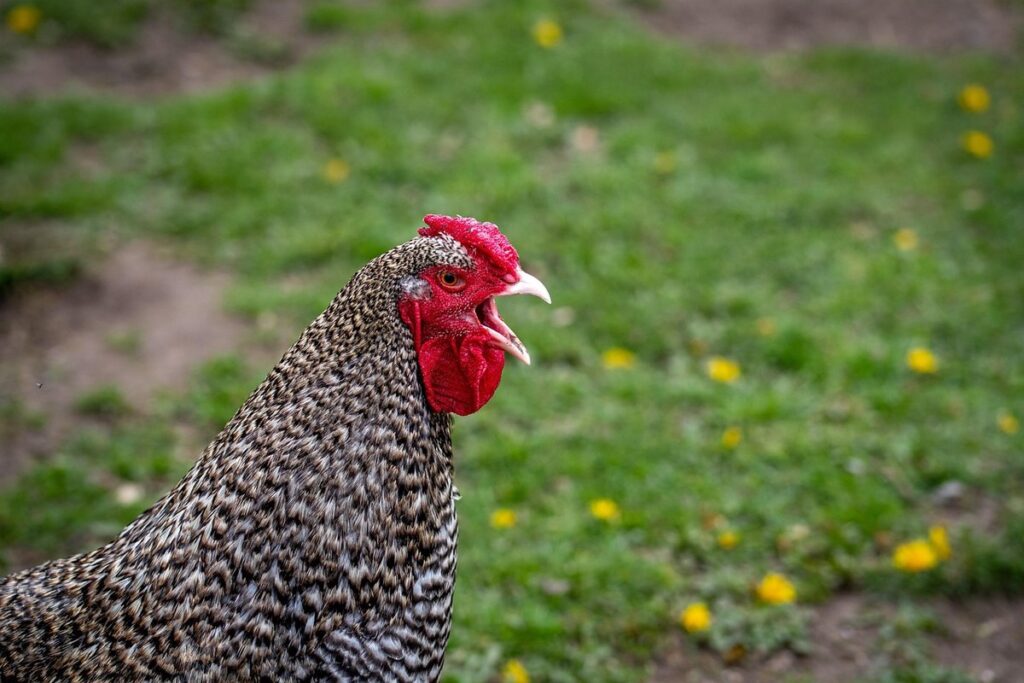
What is a Chicken Breed?
So, what exactly is a chicken breed? In this next part of our journey to discovering just how many breeds exist, we’ll explore the characteristics that define them.
Defining a Breed
A chicken breed is defined by its unique characteristics, which can be physical, behavioral, or a combination of both. The American Poultry Association (APA) and the International Bureau for Zoological Nomenclature (IBZN) are two organizations that play a significant role in recognizing and standardizing breeds.
To qualify as an official breed, a chicken must have distinct traits that set it apart from others. This can include factors such as plumage color, size, egg-laying ability, temperament, or specialized features like feathered legs or crests. The APA, for instance, requires breeders to demonstrate consistency in the breed’s characteristics over several generations.
Breeds are often categorized into groups based on their purpose or origin, such as dual-purpose breeds (for both meat and eggs), egg-laying breeds, or ornamental breeds. Recognizing a chicken breed involves rigorous evaluation by experts who assess its unique features against established standards. This process ensures that breeds meet specific criteria, thereby providing clarity for breeders, enthusiasts, and consumers alike.
By defining what constitutes a distinct breed, organizations like the APA and IBZN provide structure to the world of poultry, making it easier for people to understand and work with different chicken varieties.
History of Breed Development
Chicken breeding has been around for thousands of years, with evidence suggesting that ancient civilizations such as the Egyptians and Chinese selectively bred birds for desirable traits. The process was largely driven by practical needs, with farmers seeking to produce birds that were more productive, hardy, and easier to manage.
In the 19th century, the Industrial Revolution brought about significant advancements in chicken breeding. Breeders began using scientific principles, such as Mendelian genetics, to develop new breeds that met specific demands for meat, eggs, and feathers. This marked a shift from natural selection towards selective breeding, where breeders could intentionally introduce desired traits into their flocks.
Today, modern chicken breeding continues to evolve with advances in technology and genetic research. Many commercial hatcheries offer over 3,000 recognized breeds worldwide, and new ones are being developed every year. Breed associations and registries, such as the American Poultry Association (APA), help standardize breed definitions and classification systems, ensuring that different flocks are compared fairly.
If you’re planning to raise chickens, it’s essential to choose a breed suitable for your climate, space constraints, and desired production levels. Research reputable breeders or consider consulting with local experts to find the best fit for your needs.
Types of Chicken Breeds
Let’s dive into some amazing examples of chicken breeds, each with its own unique characteristics and traits that make them special. From tiny Leghorns to gentle giants like Brahma chickens!
Purebred Breeds
Purebred chicken breeds are highly sought after by enthusiasts due to their unique characteristics and advantages. These birds have been selectively bred for generations to exhibit specific traits such as egg-laying capacity, feather color, and size. One of the primary benefits of purebreds is their consistency in appearance and performance. Unlike mixed-breed chickens, which can be unpredictable, purebreds offer a level of predictability that’s appealing to many.
For example, if you’re looking for a breed that excels at producing large eggs, you might choose a Barred Plymouth Rock or a Golden Comet. These breeds have been bred specifically for their high egg-laying abilities and will consistently produce the desired outcome. Purebreds also tend to be healthier and more resistant to disease due to their strict breeding protocols.
If you’re interested in raising purebred chickens, it’s essential to research the specific needs of your chosen breed. This includes understanding their dietary requirements, exercise needs, and potential health issues. With proper care and attention, purebred chickens can thrive and provide a rewarding experience for enthusiasts.
Hybrid Breeds
Hybrid breeds are a fascinating category within the world of chicken breeding. Essentially, they’re the result of cross-breeding different purebred lines to produce offspring with desirable traits. These hybrids can be used for egg production, meat production, or even ornamental purposes.
One of the primary benefits of hybrid breeds is their exceptional performance. For example, Leghorn x Rhode Island Red hybrids are known to lay an astonishing 300-320 large eggs per year – a staggering increase from the average purebred’s output. This makes them an attractive option for backyard farmers and commercial producers alike.
However, it’s essential to consider some potential drawbacks. Hybrid breeds often require more care than their purebred counterparts, as they can be prone to health issues due to their mixed ancestry. Additionally, they may not exhibit the same level of hardiness or adaptability in less-than-ideal environments.
To make the most of hybrid breeds, it’s crucial to choose a reputable supplier and follow proper care guidelines. This will help minimize potential risks and maximize benefits. With careful selection and management, hybrid breeds can be a game-changer for chicken keepers looking to boost egg production or improve overall flock performance.
Major Chicken Breed Classification Systems
When it comes to keeping track of chicken breeds, several classification systems are widely recognized and used by poultry enthusiasts. Let’s take a closer look at these major systems.
APA’s Classification System
The American Poultry Association (APA) is one of the most well-known and respected organizations for classifying chicken breeds. Their classification system groups breeds into several categories based on their intended use and characteristics. One of these categories is Game, which includes breeds like the Jersey Giant and the Brahma, bred for their size and strength.
Another category is Dual-Purpose, which encompasses breeds that excel in both egg-laying and meat production, such as the Barred Plymouth Rock and the Rhode Island Red. These breeds are often kept on small farms or homesteads where they can provide a steady supply of both eggs and meat.
Exhibition breeds make up another significant category, including show-stopping birds like the Polish and the Sultan. These breeds are prized for their unique appearance and are often shown at poultry exhibitions and competitions.
The APA’s classification system provides a helpful framework for understanding the different types of chicken breeds and their intended uses. By knowing which breed falls into which category, you can better select the right bird for your needs and lifestyle.
Other Classification Systems
In addition to the American Poultry Association’s classification system and the International Organisation for Standardization (ISO) breed standards, there are other breed classification systems used globally. For instance, the British Poultry Standards group breeds into several categories, including Light Breeds, Heavy Breeds, and Old English Game Fowl. These classifications prioritize characteristics such as plumage quality, egg production, and fighting ability.
The French Flock Book (Livre des Synthesés) is another breed classification system used worldwide. It groups breeds based on their egg-laying abilities, with categories ranging from 200 to over 300 eggs per year. This system helps French farmers select the most suitable breeds for their specific needs. The British and French systems demonstrate how different countries prioritize various characteristics when classifying chicken breeds. If you’re planning to keep chickens, understanding these classification systems can help you choose the right breed for your climate, available space, or desired egg production levels.
Recognized Chicken Breeds
Let’s dive into some of the most popular and recognized chicken breeds, which are officially recognized by governing bodies around the world. These iconic breeds have captured the hearts of many backyard chicken enthusiasts.
Global Breed Count
The number of recognized chicken breeds worldwide is a staggering statistic. According to the American Poultry Association (APA), there are over 300 recognized breeds of chickens globally. However, the International Organisation for Standardization (ISO) recognizes around 200 breeds, while the Federation Internationale de L’Oie Vivante (FIL) lists approximately 250 breeds.
It’s essential to note that these numbers can vary depending on the organization and their criteria for breed recognition. The APA, for example, requires a breed to have a distinct physical characteristic or behavior before it is recognized. On the other hand, the ISO focuses more on the breed’s production characteristics, such as egg-laying or meat quality.
To put this number into perspective, let’s consider that there are over 1 billion chickens kept globally for both meat and egg production. With so many breeds to choose from, backyard chicken enthusiasts can select a breed that suits their specific needs and preferences. Whether you’re looking for a high-producing layer or a friendly companion bird, there’s likely a recognized breed out there for you.
Top 10 Most Popular Breeds
When it comes to choosing a breed for your backyard flock, you’re spoiled for choice. With hundreds of recognized breeds worldwide, selecting the perfect one can be overwhelming. Let’s take a look at some of the most popular breeds among enthusiasts.
The Leghorn is a classic favorite, prized for its high egg production and hardiness. They’re easy to care for and come in a range of colors, from white to light brown. The Rhode Island Red is another popular choice, known for its friendly nature and excellent egg-laying abilities. These birds are also relatively low-maintenance and can thrive in smaller spaces.
Other top contenders include the Barred Plymouth Rock, Golden Comet, and Buff Orpington. Each of these breeds has its unique characteristics, but they all share a loyal following among backyard flock owners. If you’re new to chicken-keeping, consider starting with one of these tried-and-true favorites. Not only will you be rewarded with a bountiful harvest of fresh eggs, but you’ll also enjoy the company and personalities of your feathered friends.
In terms of numbers, it’s estimated that over 30% of backyard flocks in the US are comprised of Leghorns or Rhode Island Reds.
New and Heritage Breeds
Let’s dive into some of the fascinating breeds that have made it through time, including new arrivals and those from centuries past. We’ll explore their characteristics and traits.
Emerging Trends in Breed Development
As new and innovative breeds emerge, they cater to specific needs and characteristics that appeal to backyard farmers and commercial producers alike. One notable trend is the development of breeds with exceptional cold-hardiness. For instance, the Polish Chantecler breed has been bred to thrive in temperatures as low as -40°C (-40°F), making it an ideal choice for farmers in northern climates.
Similarly, the Silkie Orpington has gained popularity for its heat tolerance and ability to adapt to warmer environments. This trend is driven by changing climate conditions and the increasing demand for breeds that can perform well under varying temperature extremes. Breeders are also experimenting with new combinations of existing breeds, resulting in hybrids that offer improved traits such as increased egg production or enhanced disease resistance.
Breeders can capitalize on emerging trends by identifying areas of need within their local market and developing breeds to meet those requirements. This might involve researching customer preferences, collaborating with other breeders, or exploring novel genetic combinations. By doing so, they can create new breeds that not only succeed in the market but also contribute to the rich diversity of chicken breeds worldwide.
Preserving Heritage Breeds
Preserving heritage breeds is crucial for maintaining the health and diversity of our chicken populations. These breeds have been developed over centuries to thrive in specific environments and climates, making them uniquely adapted to their surroundings. By preserving them, we ensure that these genetic characteristics are not lost forever.
Heritage breeds are essential for genetic diversity, which is vital for the long-term health of a species. When a breed becomes extinct, it takes with it valuable genetic traits that can never be replicated. This loss can make chicken populations more vulnerable to disease and reduce their ability to adapt to changing environments.
One example of a heritage breed is the Silkie, an ancient breed known for its fluffy feathers and gentle nature. By preserving this breed, we ensure that its unique characteristics are not lost, providing a genetic safeguard against potential threats. In fact, many farmers and backyard chicken keepers are now actively working to preserve heritage breeds, recognizing their value in maintaining genetic diversity.
If you’re interested in preserving heritage breeds, start by learning about the local breeds in your area. Many organizations offer resources and support for breeders looking to work with these unique chickens.
Challenges and Controversies Surrounding Chicken Breeding
The world of chicken breeding is not without its challenges, from welfare concerns to genetic manipulation. Let’s dive into some of these controversies up close.
Debates on Breed Selection
When it comes to selecting chicken breeds for production, there are several debates surrounding what characteristics are most important. Some argue that breed selection should prioritize disease resistance, as this can greatly impact a farm’s bottom line and public health. For example, the Avian Influenza outbreak in 2015 highlighted the importance of breeding birds with robust immune systems.
Others emphasize the need for breeds that promote animal welfare, citing concerns about overcrowding, beak trimming, and living conditions. The British Association for Shooting and Conservation recommends selecting breeds that can thrive in free-range or organic systems, where animals have access to natural light, space, and feed. This approach not only improves animal well-being but also reduces the environmental impact of farming.
However, breeding for disease resistance can sometimes come at a cost to welfare, such as reduced mobility or increased susceptibility to other health issues. As consumers become more aware of these trade-offs, breeders must weigh the importance of each factor when selecting breeds for production. By doing so, they can create healthier, more sustainable flocks that meet both human and animal needs.
Future Directions in Breeding
As we continue to explore the complexities of chicken breeding, it’s essential to look towards the future and consider potential directions that could revolutionize this industry. Genetic research is one area where significant advancements are being made, enabling breeders to select for specific traits with greater precision.
Precision breeding, also known as genetic engineering, involves using biotechnology to introduce desirable genes into a chicken’s genome. This approach has already shown promise in areas such as disease resistance and improved fertility. For example, scientists have successfully introduced the “Golden 105” gene into some breeds, allowing them to produce eggs with enhanced nutritional profiles.
In addition to these advances, researchers are also exploring new technologies like CRISPR-Cas9 gene editing. This innovative tool allows for precise modifications to a chicken’s DNA, enabling breeders to create customized breeds with specific characteristics. As this technology continues to evolve, it’s likely that we’ll see even more targeted and effective breeding programs in the future.
While these developments may seem daunting, they also offer tremendous opportunities for responsible breeders to create healthier, more resilient chickens that meet the evolving needs of farmers and consumers alike. By embracing genetic research and precision breeding, we can work towards a future where chicken breeds are bred not just for their looks or size, but for their true value as productive and sustainable farm animals.
Conclusion: The Complexity of Chicken Breeds
Now that we’ve explored the sheer diversity of chicken breeds, let’s take a closer look at just how complex this world really is. You’ll likely be surprised by what you learn next.
Recap Key Points
As we wrap up our exploration of the vast world of chicken breeds, it’s essential to recap the key points that have emerged throughout this article. You’ve now gained a deeper understanding of the incredible diversity among chicken breeds, from their unique characteristics and appearances to their specific uses and purposes.
One of the most striking aspects of chicken breeds is their sheer number – over 300 recognized breeds worldwide! This staggering figure underscores the complexity and richness of the poultry world. Each breed has its own distinct personality, strengths, and weaknesses, making them suitable for various environments, climates, and farming practices.
However, despite this impressive diversity, we’ve also highlighted the ongoing challenges facing breed development. The ever-changing climate, shifting consumer demands, and increasing focus on sustainability have led to a pressing need for breeds that can adapt and thrive in these new conditions. As a result, many breeders are working tirelessly to create breeds that can meet these emerging needs.
To recap, some of the key takeaways from this article include:
• The vast array of chicken breeds, with over 300 recognized worldwide
• Each breed’s unique characteristics, appearances, and uses
• Ongoing challenges in breed development, driven by climate change, consumer demands, and sustainability concerns
• The need for adaptable breeds that can thrive in diverse environments
As a final thought, if you’re interested in exploring the world of chicken breeds further, consider the following tips:
* Research local breed clubs or associations to learn more about regional breeds and their specific needs
* Consult with experienced breeders to gain insights into breeding techniques and best practices
* Consider starting small by raising a few chickens from different breeds to experience their unique personalities and characteristics firsthand
By embracing this diversity and tackling the challenges facing breed development, we can work towards creating healthier, more resilient chicken populations that thrive in an ever-changing world.
Frequently Asked Questions
What is the process of registering a new chicken breed with the American Poultry Association (APA)?
To register a new breed, you’ll need to submit a formal application providing detailed information about the breed’s characteristics, including its physical and behavioral traits. The APA will then review your submission and may request additional data or documentation before making a decision.
How can I determine if my backyard chickens are purebred or hybrid breeds?
To identify whether your chickens are purebred or hybrids, look for documentation from reputable breeders or the association that registered the breed. Check for distinct characteristics specific to each breed and consider consulting with an expert in chicken breeding.
Can I create a new chicken breed by crossing two established breeds?
Yes, this is a common practice known as selective breeding. However, creating a new breed requires careful consideration of genetic diversity, breed purity, and the potential impact on the overall health and viability of the resulting offspring.
How many recognized chicken breeds are there globally, beyond those listed in the main article?
The exact number is difficult to determine due to ongoing breed development and varying classification systems. However, it’s estimated that there may be hundreds more unrecognized or emerging breeds around the world.
What are some key factors I should consider when choosing a chicken breed for my backyard flock?
When selecting a breed, think about climate adaptation, egg-laying capacity, noise level, and overall temperament. Research breeds that suit your local environment and desired outcomes to ensure a harmonious and productive flock.