
If you’re anything like me, you love getting fresh eggs from your backyard flock. But have you ever wondered just how many eggs a healthy chicken lays in a week? The answer might surprise you. With so many variables at play, including breed, nutrition, and health, it’s no wonder that some chickens seem to outperform others when it comes to egg laying. If you’re looking to boost your flock’s productivity or simply want to know what to expect from your feathered friends, this article is for you. We’ll dive into the top breeds known for their high-yield eggs and share expert tips on how to give your chickens the best chance at producing a steady supply of fresh eggs each week.
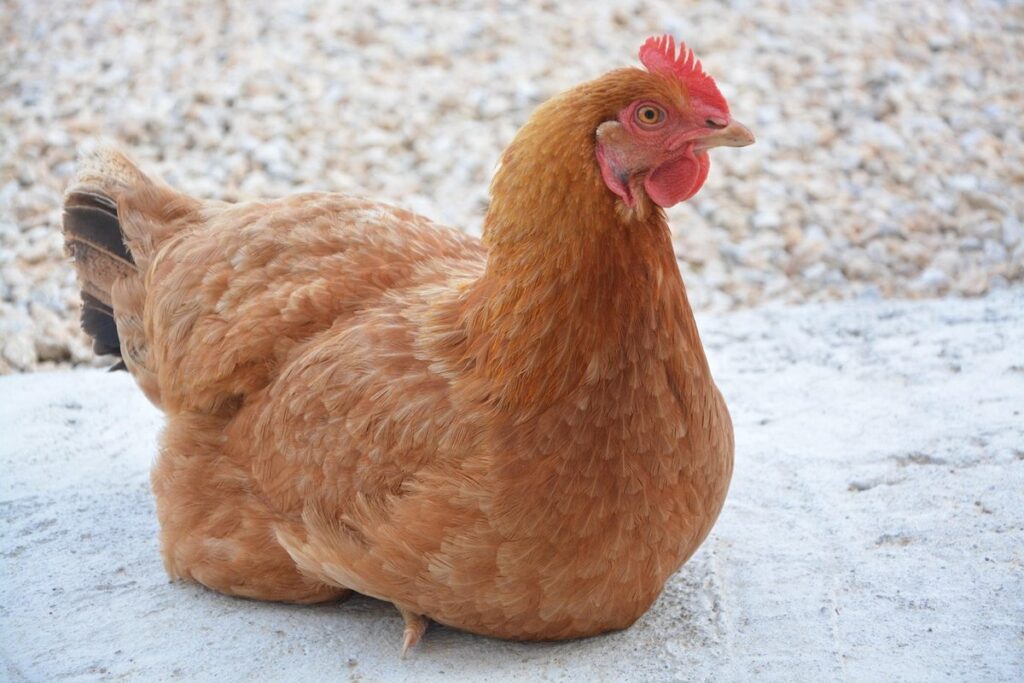
The Basics of Chicken Egg Laying
To get started, let’s dive into the fundamentals: understanding how chickens develop eggs and what factors influence their laying abilities. This sets a solid foundation for predicting egg production.
What Affects Egg Laying in Chickens
The factors that affect egg laying in chickens are numerous and can significantly impact the productivity of your flock. One of the most significant influencers is breed – different breeds have varying egg-laying capacities. For example, Leghorns are known to lay around 300 eggs per year, while Orpingtons average about 200. Age also plays a crucial role, with hens typically reaching their prime laying years between 18 and 24 months.
Nutrition and health also play critical roles in egg production. A balanced diet rich in protein, calcium, and other essential nutrients is vital for maintaining strong eggshell quality and regular ovulation. Health issues such as stress, disease, and parasites can significantly reduce egg output – it’s essential to ensure your flock is free from these issues.
Optimal conditions for laying hens include a clean, dry coop with adequate ventilation and ample space to move around. Providing access to fresh water and a nutritious diet will also support optimal egg production. By understanding the individual needs of your breed and optimizing their living conditions, you can expect to see improved productivity in your flock.
Typical Lifespan and Egg Production Cycle
Chickens typically reach their peak egg-laying potential within the first year of life. During this time, they can lay around 280-300 eggs per year, depending on factors such as breed, nutrition, and living conditions. However, as chickens age, their productivity gradually declines.
By the second year, a chicken’s egg production may slow down by about 10-15%, resulting in an average of 240-260 eggs per year. By the third year, this decline can accelerate to around 20-25%, with some breeds laying fewer than 200 eggs annually.
The lifespan of a chicken and its corresponding egg-laying capacity are significantly influenced by breed. Leghorns, for example, tend to lay eggs continuously for about five years, whereas other breeds may only last two to three years. This is why it’s essential to understand the specific needs and characteristics of your flock to optimize their productivity and plan accordingly for replacement birds.
Understanding Breed-Specific Egg Laying Rates
When it comes to predicting a flock’s weekly egg output, understanding breed-specific laying rates is crucial for making informed decisions about your chickens’ health and productivity.
Different breeds of chickens have unique characteristics that affect their egg-laying abilities, which we’ll delve into next.
Top Breeds for High-Egg Yields
If you’re looking to boost your flock’s egg production, there are several breeds that consistently deliver high yields. Among them, Leghorns and Rhode Island Reds stand out for their remarkable egg-laying abilities.
Leghorns, known as the “egg factory” of chicken breeds, can lay an impressive 280-300 eggs per year, which translates to around 5-6 eggs per week. Their large white or light-brown eggs are a staple in many backyard flocks and commercial operations alike.
Rhode Island Reds, on the other hand, produce around 200-220 eggs per year, resulting in approximately 4-5 eggs per week. These birds are known for their friendly demeanor and hardiness, making them an excellent choice for new flock owners.
Both breeds require a balanced diet, sufficient space, and proper care to reach their full egg-laying potential. It’s essential to provide your chickens with adequate nutrition, including protein-rich foods, to support their egg production. Additionally, make sure they have access to fresh water and a clean living environment to prevent stress-related egg-laying issues.
When selecting breeds for high egg yields, consider factors such as climate tolerance, noise level, and feed efficiency. By incorporating these top-performing breeds into your flock, you can enjoy an abundance of fresh eggs from the comfort of your own backyard.
Understanding the Factors Influencing Egg Yield in Different Breeds
When it comes to egg-laying rates, different breeds of chickens can have varying capacities due to several factors. Climate plays a significant role, as extreme temperatures can affect the hens’ ability to produce eggs. For instance, breeds like Leghorns and Rhode Island Reds perform well in warmer climates but may struggle in colder conditions. On the other hand, breeds such as Orpingtons and Plymouth Rock thrive in cooler temperatures.
The living conditions of your flock also impact egg production. Hens require adequate space, ventilation, and lighting to stay healthy and productive. A cramped or poorly ventilated coop can lead to stress, which in turn affects egg-laying rates. Moreover, a diet rich in nutrients is essential for optimal egg production. Providing a balanced feed with sufficient protein, calcium, and vitamins will help support your flock’s reproductive health.
In addition to these factors, individual breed characteristics also influence egg yield. Some breeds are bred specifically for high egg production, while others may be better suited for meat or dual-purpose production.
How to Encourage High-Egg Laying
To encourage high-egg laying, it’s essential to focus on your flock’s overall health, nutrition, and living conditions. Let’s explore some practical tips to boost their productivity.
Nutrition for Optimal Egg Production
To encourage high-egg laying, it’s essential to provide your flock with a balanced diet rich in nutrients. A well-planned nutrition strategy will not only support their overall health but also lead to healthier, high-quality eggs.
Key vitamins and minerals that promote optimal egg production include calcium, phosphorus, and vitamin D3. Calcium, in particular, is crucial for building strong eggshells, while phosphorus helps with metabolism. You can supplement your flock’s diet with crushed oyster shells or dark leafy greens like kale and spinach to boost these nutrients.
A balanced commercial feed should form the foundation of their diet, but you may also consider adding organic matter like compost tea or probiotics to support gut health. This will not only enhance nutrient absorption but also reduce stress levels in your flock. Consider providing free-choice feeding with a mix of grains, fruits, and vegetables to cater to individual tastes and needs.
By focusing on nutrition, you’ll set the stage for optimal egg production and create a healthier, more productive flock.
Health Considerations for Maximizing Flock Productivity
Maintaining the health and well-being of your flock is crucial for maximizing egg production. Common health issues that can impact laying are mites, lice, respiratory problems, and nutritional deficiencies. Regular cleaning of the coop is essential to prevent these issues from arising. Ensure you remove soiled bedding, clean feeders, and waterers daily, and disinfect the coop every 6-8 weeks.
Adequate space per bird is also vital for healthy laying. Provide at least 4-5 square feet of space per chicken inside the coop and ensure there’s enough room to move around outside. A well-balanced diet is another critical factor; a mix of layer feed, fresh fruits, and vegetables will provide your flock with essential nutrients.
Monitoring flock health involves daily checks for signs of illness or stress, such as lethargy, labored breathing, or changes in egg production. Implementing a routine check can help identify potential issues early on. Consider investing in a flock health monitoring app to track temperature, feed consumption, and egg production, making it easier to detect any anomalies.
Factors Affecting Egg Laying in the Wild vs. Domesticated Chickens
When comparing egg-laying rates, it’s essential to consider the variables that affect productivity in both wild and domesticated chickens, revealing interesting differences between the two groups. Let’s explore these key factors together.
Natural Selection and Adaptation
Natural selection has played a significant role in shaping egg-laying behaviors in wild bird populations. In these environments, females must carefully balance reproductive efforts to ensure their survival and that of their offspring. Wild birds often lay fewer eggs than domesticated chickens, typically between 10-20 eggs per year, as opposed to the 280-300 eggs laid by a well-cared-for domestic hen. This difference is largely due to the selective pressures exerted by predation, harsh weather conditions, and limited food availability.
Domesticated chickens, on the other hand, have undergone centuries of artificial selection for increased egg production. As a result, their reproductive habits have diverged significantly from those of their wild ancestors. In domestic settings, hens are often provided with optimal living conditions, including nutritious feed and shelter, which enables them to lay more eggs throughout the year.
When comparing egg-laying habits between wild and domesticated birds, it’s essential to consider the environmental factors at play. By understanding how natural selection has influenced reproductive behaviors in wild bird populations, we can better appreciate the complexities of egg production in both settings. This knowledge can inform strategies for improving flock productivity, such as providing optimal living conditions and managing breeding programs to promote healthier hens and more efficient egg-laying.
Human Intervention and Its Effects on Chicken Egg Production
Human intervention has played a significant role in shaping chicken’s egg-laying capabilities over time. Selective breeding has been used to produce chickens that can lay more eggs per year than their wild ancestors. For instance, some commercial breeds can produce up to 300-320 eggs annually, whereas wild hens typically lay around 100-120 eggs per year.
Modern farming practices have also contributed to the increased egg production in domesticated chickens. Factory farms often provide optimal conditions for egg-laying, including controlled temperature, lighting, and nutrition. This has allowed farmers to achieve higher egg yields while maintaining healthier birds.
However, it’s essential to note that human intervention comes with trade-offs. Intensive farming practices can lead to stress, disease, and reduced fertility in chickens. To ensure flock productivity while minimizing the negative effects of human intervention, farmers should focus on creating a balanced environment that mimics natural conditions as closely as possible. This includes providing adequate space, access to fresh air and water, and a varied diet. By striking this balance, farmers can promote healthier birds that continue to produce high-quality eggs.
How Many Eggs Do Chickens Lay a Week in Reality
Let’s get down to business and explore the surprising reality of how many eggs chickens actually lay per week, not just what the breeders claim. We’ll dive into the factors that affect egg production.
Factors Influencing Actual Output
When it comes to actual weekly egg output, several factors come into play that can significantly impact a chicken’s ability to lay eggs. One of the most crucial elements is feed quality. A diet rich in nutrients and calcium will not only support a healthy flock but also promote optimal egg production. On the other hand, low-quality feed or a lack of essential vitamins and minerals can lead to decreased fertility rates and reduced egg size.
Stress levels are another significant influencer on actual weekly egg output. Chronic stress can cause a drop in hormone production, which is necessary for ovulation and subsequent egg laying. Factors like overcrowding, inadequate living space, and poor ventilation can all contribute to increased stress levels within the flock.
To combat these issues, it’s essential to provide your chickens with optimal living conditions. This includes plenty of space to roam, a balanced diet, and regular access to clean water and exercise. By understanding and addressing these variables, you can significantly improve your flock’s productivity and overall health.
Real-Life Examples and Case Studies
Let’s take a look at some real-life examples and case studies that demonstrate the varying levels of egg production based on different management practices and environmental conditions. For instance, a study conducted by the University of Georgia found that hens raised on pasture laid an average of 300 eggs per year, compared to only 200 eggs for those raised in battery cages.
In another example, a farm in Oregon implemented a free-range system with plenty of sunlight and fresh air, resulting in a significant increase in egg production. The hens laid an average of 280 eggs per month, a notable improvement from the previous 220 eggs per month.
Conversely, a farm in California struggled to achieve high egg production due to extreme heat during the summer months. The hens produced only 180 eggs per month, highlighting the impact of environmental conditions on flock productivity. These examples demonstrate the importance of optimal management practices and environmental conditions for achieving high egg production in chickens. By learning from these real-world scenarios, farmers can make informed decisions to improve their own flocks’ productivity.
Maximizing Your Flock’s Potential: Tips for Homeowners and Farmers
Whether you’re a seasoned farmer or a backyard chicken enthusiast, optimizing your flock’s egg-laying potential is crucial to getting the most out of your birds. Here are some expert tips to get you started!
Creating an Optimal Environment
Creating an optimal environment is crucial to maximizing your flock’s potential. This includes setting up a well-designed coop that provides adequate space for your chickens to roam and exercise. A good rule of thumb is to allocate at least 4-5 square feet per chicken inside the coop, with additional outdoor space for free-ranging. Consider installing nesting boxes to encourage egg-laying and make collection easier.
Nutrition plays a vital role in maintaining healthy birds that produce high-quality eggs. Ensure your flock has access to a balanced diet that includes protein-rich feed, fresh fruits, and vegetables. Supplement their feed with calcium sources like crushed oyster shells or dark leafy greens to promote strong bone development and eggshell production.
Regular health checks are also essential for identifying potential issues early on. Schedule monthly inspections to monitor your flock’s overall health, watch for signs of stress, and take note of any changes in appetite, droppings, or egg-laying patterns. This proactive approach will help you address problems before they impact productivity. By following these guidelines, you’ll be well on your way to creating an optimal environment that supports the health and happiness of your flock.
Managing Expectations vs. Reality
When it comes to managing your flock’s egg-laying productivity, it’s essential to have realistic expectations. Many first-time chicken keepers are often surprised by the number of eggs their flock lays – and not always for the reasons they expect.
Understanding that chickens can be affected by various factors such as breed, nutrition, health, and environment is crucial in setting achievable goals. For instance, some breeds like Leghorns are known to lay up to 300 eggs per year, while others like Orpingtons might only produce around 200. Additionally, hens will naturally slow down their egg production as they age.
To avoid disappointment or over-management of your flock, it’s vital to research and understand the specific needs and characteristics of your birds. For example, if you notice a sudden drop in egg production, it could be due to changes in temperature, humidity, or even pest infestations. By monitoring their health, adjusting their living conditions, and adapting to seasonal fluctuations, you can better anticipate and manage their productivity.
By aligning your expectations with the unique needs of your flock, you’ll be able to provide a happy, healthy environment that supports their natural egg-laying potential. This way, you can enjoy the rewards of backyard chicken keeping without unnecessary stress or frustration.
Frequently Asked Questions
How often should I collect eggs from my flock to encourage high production?
Collecting eggs daily or every other day can help maintain a healthy environment and encourage hens to continue laying eggs. However, it’s essential not to disturb the nesting boxes too frequently, as this can cause stress and potentially harm your chickens.
Can I raise multiple breeds together for optimal egg production, or should I stick to one breed?
Raising multiple breeds together is possible but may require more management and attention to individual needs. Some breeds are better suited for mixed flocks than others, so research compatibility before introducing different breeds to your flock. Ensure adequate space and resources to accommodate each breed’s specific requirements.
How do I determine if my chickens’ nutrition is influencing their egg-laying capabilities?
Monitor your hens’ overall health, energy levels, and feeding habits. A balanced diet rich in protein, calcium, and other essential nutrients will support optimal egg production. Consider supplementing with vitamins or minerals if necessary, but always consult a veterinarian for personalized advice.
Can I expect my backyard chickens to lay eggs year-round, regardless of season changes?
While some breeds are more tolerant of seasonal fluctuations than others, most chickens will experience a natural decrease in egg production during colder months. Consider implementing strategies like providing extra light or supplemental nutrition to help maintain egg-laying rates throughout the year.
What’s the average lifespan of a high-producing chicken breed, and how can I plan for their eventual retirement?
The average lifespan of a high-producing chicken breed is around 5-7 years. Plan for your hens’ eventual retirement by setting aside funds for replacement birds or considering adopting older, lower-maintenance hens to maintain your flock’s productivity.