
If you’re a backyard chicken owner or simply curious about these fascinating birds, you’ve probably wondered at some point: how many eggs does a healthy hen lay in a day? You might be surprised to learn that the answer isn’t as straightforward as you’d think. The daily output of eggs from a hen is influenced by several key factors, including breed, age, nutrition, and overall health. In this article, we’ll delve into the surprising truth about how many eggs a healthy hen lays in a day and explore what affects her ability to produce eggs regularly. Whether you’re raising chickens for eggs or simply want to understand these amazing animals better, you won’t want to miss this informative look at one of their most fascinating behaviors – egg laying.
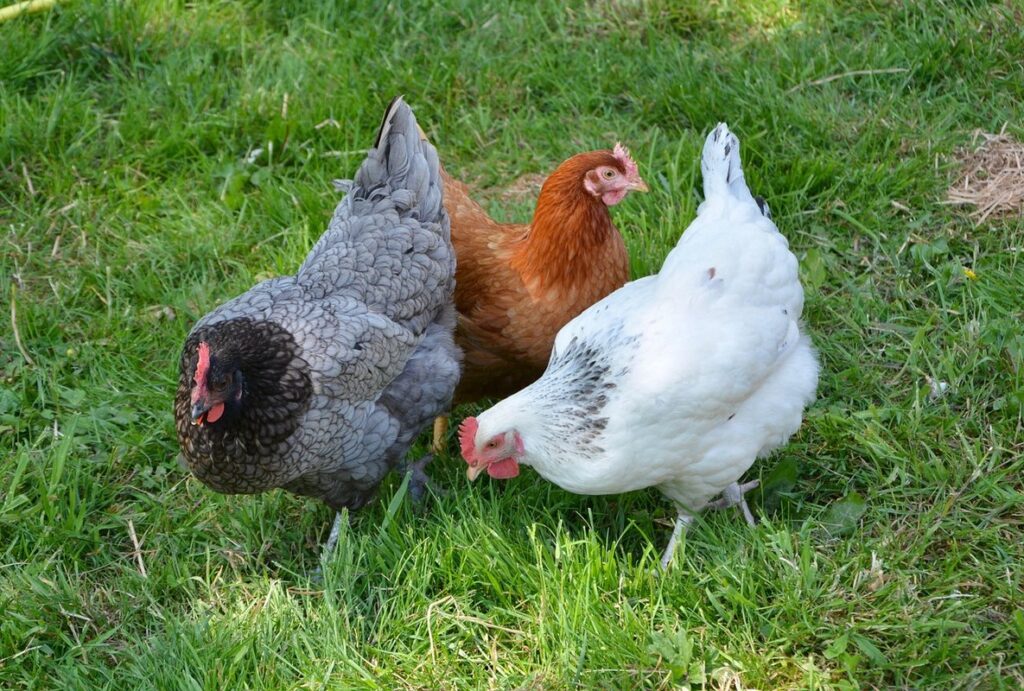
Factors Affecting Egg Production
When it comes to egg production, several key factors come into play that can impact how many eggs your hen lays in a day. Let’s explore these factors together.
Breed-Specific Egg Laying
When it comes to egg production, not all hens are created equal. Different breeds have varying capacities when it comes to laying eggs daily. Let’s take a look at some popular breeds and their average daily output.
For example, the Leghorn breed is known for its high productivity, with an average of 280-300 eggs per year – that translates to about 5-6 eggs per week or around 7-8 eggs per day. On the other hand, Orpingtons are a popular choice among backyard chicken keepers and lay around 200-220 eggs per year, which is approximately 4-5 eggs per day.
Other breeds like Plymouth Rock, Rhode Island Red, and Barred Plymouth Rock also have impressive egg-laying capabilities, with averages ranging from 280 to 320 eggs per year. It’s essential to note that these numbers can vary depending on factors such as nutrition, health, and living conditions. If you’re looking to raise chickens for their eggs, it’s crucial to research the specific breed you’re interested in and consider its unique needs and capabilities.
Keep in mind that even within breeds, individual hens may have different egg-laying capacities due to factors like age, nutrition, and overall health.
Age of the Hen
As hens reach their prime egg-laying years, it’s essential to understand the impact of age on production. The typical laying period for a hen is around 5-7 years, depending on breed and living conditions. However, this can vary significantly from one bird to another.
You’ll notice that your hen’s egg production will start to slow down as she ages. This decline typically begins around year 3 or 4, with some breeds experiencing it sooner than others. Factors like nutrition, health, and genetics play a significant role in determining the rate of decline.
By understanding this natural cycle, you can plan for the future and make informed decisions about your flock’s care. For example, if you’re keeping hens primarily for eggs, you may want to consider replacing them with new birds around year 5 or 6 when their production starts to dwindle. This way, you’ll maintain a consistent egg supply while giving your aging hens the rest they deserve.
Remember, every hen is different, and some may remain productive well into their late teens. However, on average, expect a noticeable decline in egg production as your hens age beyond 5-7 years.
Average Daily Egg Production
So, how many eggs can you expect your hens to lay on a daily basis? In this next part of our guide, we’ll break down the average daily egg production for backyard chickens.
Estimated Daily Yield
The estimated daily yield of eggs from a healthy hen is a crucial factor to consider for backyard farmers and commercial producers alike. According to industry standards and scientific research, a laying hen can produce an average of 280-300 eggs per year, which translates to approximately 0.8-1 egg per day. However, this number can vary depending on several factors such as breed, nutrition, health, and management practices.
For example, some high-producing breeds like Leghorns can lay up to 2-3 eggs per day, while lighter breeds may produce only 0.5-1 egg per day. A well-managed flock with optimal feed, water, and living conditions can also increase egg production by up to 10%. To give you a better idea, let’s consider the following breakdown: a healthy hen laying 280 eggs per year will lay around 0.77 eggs per day (280/365). This means that even if your flock is producing at its maximum potential, you should not expect more than 1 egg per day from each hen.
It’s essential to remember that individual hens may have varying levels of productivity due to factors such as age, health, and genetics. By understanding the estimated daily yield of eggs from a healthy hen, you can better plan your flock management and expectations.
Factors Influencing Daily Output
A hen’s daily egg production can be significantly influenced by various factors beyond its breed and age. Nutrition plays a critical role, as hens require a balanced diet rich in protein, calcium, and other essential nutrients to maintain eggshell health and fertility.
Stress levels also impact daily output; hens subjected to chronic stress may experience decreased egg production or even stop laying altogether. This can be caused by factors such as changes in the hen’s environment, overcrowding, or disease outbreaks within the flock.
Environmental conditions like light exposure, temperature, and ventilation also affect a hen’s ability to lay eggs efficiently. For example, some breeds thrive in temperate climates with moderate temperatures between 15°C and 25°C (59°F-77°F), while others require more intense lighting to stimulate egg production.
To optimize your hens’ daily output, ensure they have access to fresh water, a balanced diet, and a clean, well-ventilated environment. Consider providing supplemental light or heat sources as needed, depending on the breed and local climate. Regular monitoring of individual hens can also help you identify potential stressors or nutrient deficiencies that may impact their egg production.
How to Increase Egg Production
To maximize egg production, you’ll want to focus on providing your hens with a balanced diet, plenty of fresh water, and a stress-free environment. Let’s explore how these factors can boost their daily output.
Nutrition and Diet
A balanced diet is crucial for healthy egg production. Hens require a mix of proteins, vitamins, and minerals to support their bodily functions, including the production of eggs. A commercial layer feed provides the necessary nutrients but can be supplemented with fresh fruits, vegetables, and grains. Leafy greens like kale and spinach are rich in calcium, essential for strong eggshell development.
Offering treats like mealworms or sunflower seeds adds variety to their diet while providing a boost of protein and vitamins. However, overfeeding on treats can lead to digestive issues and affect overall health.
It’s also important to consider the quality of water provided to your hens. Fresh water is essential for hydration, which impacts egg production. A study found that hens who had access to clean drinking water laid 5% more eggs compared to those without access.
To support optimal nutrition, ensure a balanced diet and provide fresh water daily.
Health and Hygiene
Maintaining good health and hygiene is crucial for hens to lay eggs consistently. A clean and healthy environment ensures that hens stay free from diseases and stress, which can significantly impact their egg-laying capacity.
Proper nutrition and hydration are essential components of a hen’s health. Ensure they have access to fresh water at all times and feed them a balanced diet rich in protein, calcium, and other necessary nutrients. Regular feeding also helps maintain regular bowel movements, reducing the risk of digestive issues that can negatively impact egg production.
Cleanliness is also vital for maintaining high egg production levels. Remove soiled bedding regularly and provide fresh bedding to keep the coop clean. This practice prevents the spread of diseases among hens and minimizes stress caused by a dirty environment.
Regular health checks are also necessary to detect any potential health issues before they become severe problems. Monitor your hens for signs of illness or injury, and take prompt action if you notice anything unusual.
Common Myths and Misconceptions
You’ve likely heard that hens lay a certain number of eggs per day, but is it really true? Let’s debunk some common myths about egg-laying.
Separating Fact from Fiction
When it comes to egg laying, there’s often more myth than fact. One common misconception is that hens produce eggs every day without fail. While it’s true that most healthy hens will lay an egg almost daily, they don’t do so consistently throughout the year.
In reality, a hen’s egg-laying cycle is influenced by several factors, including breed, age, nutrition, and light exposure. For example, Leghorns are known for their high egg production, but even these prolific layers may take a break from laying eggs during periods of stress or when they’re molting.
It’s also worth noting that most hens will not lay eggs every day, especially as they get older. A mature hen may lay 280-300 eggs per year, which works out to about 5-6 eggs per week. To determine if your hen is laying eggs regularly, pay attention to her behavior and keep an eye on the nesting box – if you notice a steady supply of fresh eggs, it’s likely that she’s producing one egg every day or two.
Keep in mind that factors like nutrition and health can impact your hen’s egg-laying ability. Make sure to provide her with a balanced diet and plenty of fresh water to support her reproductive cycle.
Debunking Egg-Laying Statistics
Egg-laying statistics can be misleading, and it’s essential to understand what they really mean. Many people assume that a hen will lay around 5-6 eggs per day, but this is not necessarily the case. In reality, the average egg production for a healthy laying hen is closer to 1-2 eggs per day.
Some studies suggest that hens in ideal conditions can produce up to 300 eggs per year, which translates to about 0.8-1.5 eggs per day. However, this number can vary significantly depending on factors such as breed, age, nutrition, and living conditions. For example, Leghorn hens are known to be prolific layers and can produce around 280-300 eggs per year, while some heritage breeds may lay fewer than 200.
It’s also worth noting that egg production slows down with age. Most hens will reach their peak laying capacity between 18-24 months of age, after which their egg production will gradually decline.
Health Considerations for Hens
When it comes to raising healthy hens, understanding their egg-laying capabilities is just one part of the picture – you also need to consider their overall health and well-being. We’ll take a closer look at some key factors to keep in mind.
Potential Risks Associated with Over-Egg Laying
While it may seem counterintuitive, laying too many eggs can actually be detrimental to a hen’s health. When hens are under pressure to produce excessively, they may experience reproductive problems such as egg binding, where the egg becomes stuck in the oviduct. This is often due to the hen’s body not being able to efficiently pass the egg through the reproductive tract.
Additionally, over-egg laying can lead to decreased overall well-being for hens. They may become stressed and exhausted from constantly producing eggs, which can result in a weakened immune system and make them more susceptible to illness. In extreme cases, prolonged excessive egg production has been linked to reproductive issues such as ovario-salpingitis, an infection of the ovary and fallopian tubes.
To ensure your hens are not over-laying, it’s essential to provide them with a balanced diet that meets their nutritional needs. Aiming for around 14-16% protein content in their feed can help support optimal egg production without putting undue stress on the hen’s body. Regular monitoring of egg production and health is also crucial to catch any potential issues early on.
Maintaining Hen Health through Balanced Egg Production
Maintaining healthy hens is crucial for balanced egg production. When it comes to hens, overproduction can be just as detrimental as underproduction. To ensure your flock stays healthy and happy, you need to strike a balance between feeding them enough to meet their energy needs without pushing them too hard.
A key indicator of hen health is the number of eggs laid per day. If your hen lays fewer than 280 eggs in a year (about one egg per day), it may be a sign that she’s not getting enough nutrition. Conversely, if she’s laying more than 320 eggs annually (approximately 1.2 eggs per day), it could indicate overfeeding or stress.
Some signs of overproduction include pale yolks, cracked shells, and reduced egg weight. To prevent this, ensure your hens have access to fresh water at all times and provide a balanced diet rich in protein, calcium, and vitamins A, D, and E. Aim for 15-20% protein content in their feed, and supplement with oyster shells or dark leafy greens to keep their calcium levels topped up.
Regular health checks can also help you identify any underlying issues before they become major problems. Check your hens’ droppings daily for signs of infection or disease, and monitor their behavior for stress or discomfort. By keeping a close eye on your flock’s overall health, you’ll be able to make informed decisions about feeding and care, ensuring that each hen lays eggs at her optimal capacity.
Conclusion: Understanding Your Hens’ Needs
Now that you’ve learned how many eggs your hens can lay daily, let’s wrap up by understanding what their needs are to keep them happy and healthy.
Recap of Key Takeaways
To recap, let’s revisit the key takeaways from our exploration of daily egg production. A laying hen typically produces between 280 to 300 eggs per year, which translates to about 5-6 eggs per week or roughly one egg every 24 hours. However, this can vary significantly depending on factors such as breed, age, nutrition, and living conditions.
It’s essential to understand that individual hens have different egg-laying capacities due to their genetic predispositions. Some breeds are naturally more prolific layers than others. For example, Leghorns are known for producing up to 300 eggs per year, while Orpingtons may lay around 200 eggs annually.
When it comes to meeting your hens’ daily needs, remember that a balanced diet rich in nutrients is crucial for optimal egg production. Ensure access to clean water, adequate space, and proper ventilation to keep your birds happy and healthy. By doing so, you’ll be able to reap the rewards of their hard work – plenty of fresh eggs from your very own backyard flock!
Final Thoughts on Supporting Healthy Hens
As you continue to support your hens’ egg-laying abilities, it’s essential to remember that their overall health and well-being play a significant role in balanced egg production. Providing optimal care is crucial for maintaining their physical and mental health.
Start by ensuring they have access to fresh water at all times and a balanced diet rich in protein, calcium, and vitamins. A mix of grains, fruits, and vegetables will keep them satisfied and healthy. You can also consider supplementing with oyster shells or crushed eggshells to provide extra calcium.
In addition to a nutritious diet, ensure your hens have adequate space for exercise and movement. Aim for at least 2-4 square feet per hen inside the coop and 8-10 square feet in the run. This will allow them to stretch their wings and engage in natural behaviors like pecking and scratching.
Regular health checks are also vital to catch any issues early on. Keep an eye out for signs of stress, such as feather plucking or excessive egg-laying behavior. By prioritizing your hens’ overall health, you’ll be rewarded with a steady supply of fresh eggs from happy, healthy birds.
Frequently Asked Questions
How long does it take for a young hen to reach peak egg production?
A healthy young hen typically takes around 16-24 weeks to reach its full egg-laying potential, depending on breed and nutrition. During this time, her egg production will gradually increase as she matures.
Can hens lay eggs every day without fail?
While some breeds like Leghorns may come close to laying an egg daily, no hen can guarantee a consistent daily output due to natural fluctuations in their reproductive cycle. Factors like age, health, and nutrition also impact daily egg production.
What are the signs of over-egg laying in hens, which could indicate potential health risks?
Hens that consistently lay excessive eggs (more than 300 per year) may be at risk for nutrient deficiencies, stress, or other health issues. Look out for signs like pale combs, decreased appetite, or lethargy.
Can I influence my hen’s egg-laying schedule to get more eggs during peak demand?
While you can’t directly control a hen’s reproductive cycle, providing optimal nutrition and a balanced diet rich in calcium, protein, and other essential nutrients can support her overall health and egg production.
How do different climates affect egg laying in hens, particularly in hot or cold temperatures?
Climate plays a significant role in egg production. Hens may experience stress and reduced productivity in extreme temperatures, so providing adequate shelter, ventilation, and cooling measures (if needed) is crucial for maintaining their egg-laying abilities.