
Let’s get cracking on learning about these amazing creatures. You might be surprised to know that there are more than just a handful of chicken species out there – in fact, experts estimate around 300 breeds worldwide! From the tiny bantams to the massive broilers, each type has its unique characteristics and origins. But why should we care about this diversity? Well, maintaining genetic diversity is crucial for ensuring the long-term health and resilience of our poultry populations. In this article, we’ll take you on a journey through the fascinating world of hens, exploring their evolution, conservation status, and importance in agriculture. Along the way, we’ll also delve into some of the most interesting species and highlight the efforts being made to preserve these incredible birds for future generations.
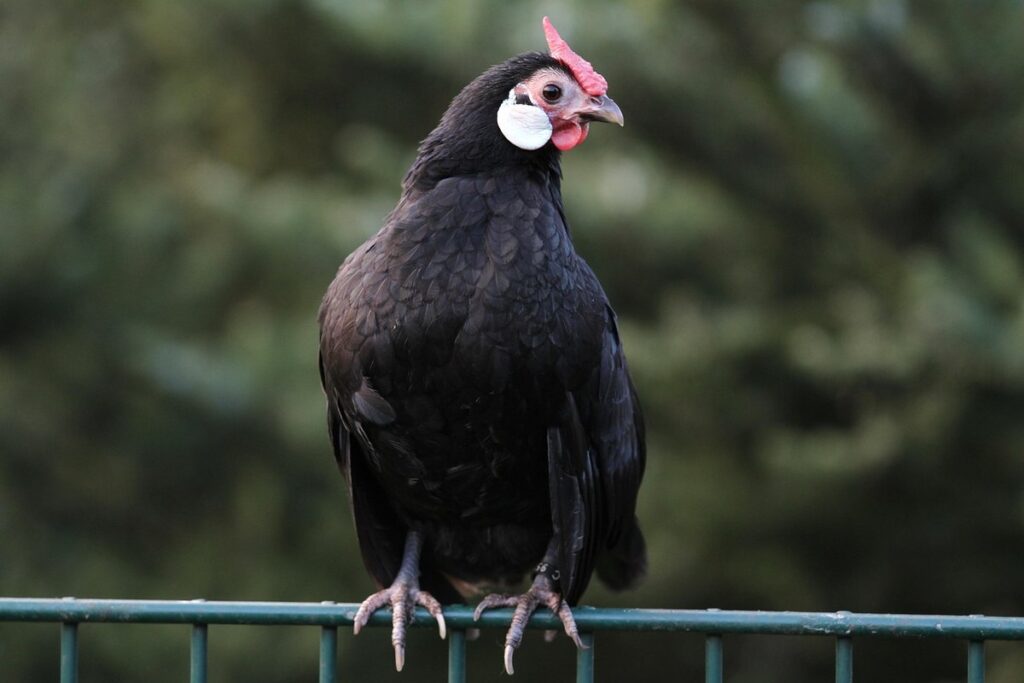
What Are Hens and Where Do They Come From?
Let’s start by exploring just how many species of hens exist, a question that might surprise you with its complexity and diversity. There are over 300 breeds of domestic chickens worldwide!
Origin and Evolution of Domesticated Chickens
Chickens have been domesticated for thousands of years, with evidence suggesting that humans first started keeping wild jungle fowl (Gallus gallus) as pets around 8,000 years ago. These birds were likely attracted to human settlements due to the abundance of food and shelter provided by agriculture and habitat modification. Over time, early farmers began to selectively breed the most desirable traits in these wild birds, such as docility, egg-laying ability, and meat production.
Through a process of artificial selection, humans were able to transform the original jungle fowl into the incredible array of breeds we see today. This selective breeding led to significant changes in the physical characteristics, temperament, and productivity of domesticated chickens. For example, some breeds are now specialized for egg-laying, while others are bred specifically for their meat or ornamental value.
The result is a staggering 300+ recognized chicken breeds worldwide, each with its unique appearance, behavior, and uses. By understanding the origins and evolution of domesticated chickens, we can appreciate the incredible diversity that exists within this single species.
Understanding Chicken Taxonomy and Classification
Chickens have been extensively bred over thousands of years, resulting in an astonishing number of varieties. However, this diversity is not just about the different breeds; it also involves understanding their classification within the scientific community.
To classify chickens, taxonomists rely on several levels: species, subspecies, and varieties. The species level is where you find the fundamental distinction between various groups of hens. For instance, the Red Junglefowl (Gallus gallus) and the Grey Junglefowl (Gallus sonneratii) are two distinct species within the genus Gallus.
A breed, on the other hand, is a group of chickens that share specific characteristics such as size, plumage color, or egg-laying ability. A breed can be further divided into subspecies and varieties based on geographic distribution and genetic differences. The Plymouth Rock and the Cochin are two examples of breeds that have undergone selective breeding for their desirable traits.
In practical terms, understanding chicken taxonomy is essential for any serious poultry enthusiast. It allows you to identify a hen’s origins, its potential health issues, and how well it will adapt to your local climate and management practices.
Identifying Different Types of Hens: Bantams, Lghtweight, and Standard Breeds
Let’s dive into the fascinating world of hens, where you’ll discover that there are not just a few breeds, but rather several distinct types to learn about. From Bantams to Lightweight and Standard Breeds, the diversity is astonishing!
Small but Mighty: Bantam Chickens and Their Characteristics
Bantam breeds are often overlooked, but they pack a big punch when it comes to their unique characteristics. These miniature chickens have been around for centuries, with some records dating back to the 1500s in Europe.
One of the most notable traits of bantams is their small size – weighing between 1-3 pounds and standing about 10 inches tall. Despite their tiny stature, they are known for their impressive egg-laying abilities, producing around 180-200 eggs per year. Some popular bantam breeds include the Japanese Bantam, Dutch Bantam, and Belgian Bearded d’Anvers.
Bantams are also prized for their friendly and docile nature, making them an excellent choice for backyard chicken keepers with small spaces. They require less feed and care than standard-sized hens, yet still offer a rich source of entertainment and fresh eggs. When choosing a bantam breed, consider factors such as egg production, temperament, and maintenance needs to ensure the best fit for your flock.
Some popular breeds are suitable for specific environments or uses – for example, the Belgian Bearded d’Anvers is known for its striking appearance and is often used in exhibitions.
Lightweight Wonders: Light Breed Chickens and Their Features
When it comes to light breed chickens, also known as lightweight breeds, they are a popular choice among backyard chicken keepers due to their compact size and gentle nature. These hens typically weigh between 3-6 pounds (1.4-2.7 kg) and come in a variety of colors and patterns.
One of the main advantages of light breed chickens is their ability to thrive in small spaces, making them perfect for urban or suburban settings where space may be limited. They are also known for being friendly and docile, which makes them great with children and other pets. However, they can be more prone to broodiness, meaning they may stop laying eggs to focus on raising their young.
Some popular light breed chicken varieties include the Legbar, the Polish, and the Silkie. These hens are often kept for egg production, but some breeds, like the Silkies, are valued for their unique feathers and gentle nature.
The Big Guns: Standard Chicken Breeds and Their Unique Traits
Among the most recognizable hens are the standard breeds, each with its own distinct characteristics that have made them staples in backyard flocks for centuries. Let’s take a closer look at these popular varieties.
Meat Production Giants: Broiler Breeds and Their Characteristics
Broiler breeds are developed specifically for meat production and account for the majority of chicken raised globally. Two prominent broiler breeds are Cobb 500 and Ross 308. The Cobb 500 breed boasts exceptional growth rates, capable of reaching maturity within 36-40 days. This is achieved through selective breeding and advanced genetics. In contrast, the Ross 308 has a more moderate growth rate but excels in feed efficiency.
To illustrate this, let’s consider that for every pound of meat produced, the Cobb 500 requires approximately 2.3 pounds of feed whereas the Ross 308 needs around 2.1 pounds. This disparity in feed efficiency is critical as it directly impacts production costs and ultimately the profitability of a poultry operation. When selecting a broiler breed, producers must consider their specific needs and priorities, weighing growth rate against feed efficiency.
In practice, this might involve choosing between a faster-growing breed like Cobb 500 for operations seeking rapid turnover or opting for Ross 308 for a more balanced approach to meat production.
Egg Laying Powerhouses: Leghorn and Other Productive Breeds
Leghorns are often considered the ultimate egg-laying powerhouses. Originating from Italy in the 19th century, they were selectively bred for their prolific egg production, leading to impressive numbers of up to 320 eggs per year.
Other high-producing breeds worth mentioning include the Rhode Island Red and the Barred Plymouth Rock. These hens are prized by backyard farmers and commercial producers alike for their reliable performance.
But what sets these breeds apart from others? Their breeding goals were centered around maximizing egg production, resulting in specific physical characteristics such as larger ovaries and more efficient reproductive systems. As a result, they’re able to produce a significant number of eggs per year with minimal maintenance.
If you’re looking to increase your flock’s productivity, consider incorporating one or two high-producing breeds into your mix. Just be sure to provide them with adequate space, nutrition, and care – after all, happy hens lay more eggs!
Heritage Chicken Breeds: Preserving the Past Through Conservation Efforts
There are countless heritage chicken breeds being preserved through conservation efforts, and it’s up to us to learn about and protect these incredible varieties. Let’s explore some of the amazing breeds you can help conserve today.
Rare and Valuable: The Importance of Preserving Heritage Breeds
Preserving heritage breeds is crucial for maintaining genetic diversity within chicken populations. These breeds have evolved over centuries to thrive in specific environments and conditions, making them a vital part of our agricultural history. By conserving these breeds, we can ensure that their unique characteristics are not lost forever.
Genetic diversity is essential for the long-term health and resilience of any species. With the increasing trend towards intensive farming practices and uniform breed standards, many heritage breeds have been threatened with extinction. Breeders and conservationists are working tirelessly to protect and promote these breeds through selective breeding programs and conservation efforts.
One notable example of a successful conservation effort is the American Livestock Breeds Conservancy’s (ALBC) work in preserving over 150 rare and endangered livestock breeds, including several heritage chicken breeds. Their efforts involve collaborating with breeders, farmers, and researchers to develop strategies for breed conservation and promotion. By supporting these initiatives, you can help safeguard the future of our genetic heritage.
Heritage breeds also offer a range of benefits, from unique egg-laying characteristics to exceptional foraging abilities. They are often more robust and hardy than commercial breeds, making them an attractive choice for small-scale farmers and backyard enthusiasts.
Case Studies: Successful Programs for Saving Endangered Breeds
Many heritage chicken breeds are struggling to survive due to factors such as loss of genetic diversity, decline in popularity, and competition from commercial poultry. However, there are several successful programs that have been implemented to save these endangered breeds.
The Livestock Conservancy’s (TLC) Rare Breed Protection Program is one notable example. This program identifies and conserves chicken breeds on the brink of extinction, with a focus on those found in North America. TLC works closely with breeders, farmers, and conservationists to protect and promote these breeds through education, networking, and community engagement.
The TLC’s efforts have led to significant increases in population sizes for several endangered breeds, such as the Ayam Cemani from Indonesia and the Marans from France. In addition to breed-specific programs, some farms are also implementing agroecological practices that prioritize diversity and sustainability.
These initiatives not only preserve heritage chicken breeds but also contribute to the preservation of local cultures and ecosystems. By supporting these conservation efforts, consumers can help safeguard the genetic diversity of our planet’s chicken populations for future generations.
Crossbreeding and Hybridization: Creating New Chicken Species
Breeding new chicken species is a fascinating process that involves carefully combining different traits to create unique characteristics. Let’s explore how crossbreeding and hybridization contribute to the incredible diversity of hens.
Understanding Crossbreeding and Its Applications
Crossbreeding is a fundamental concept in chicken breeding that has enabled the creation of numerous breeds and hybrids. By combining the desirable traits of two distinct breeds, breeders can produce offspring with improved characteristics such as egg-laying ability, meat production, or hardiness. This technique is used to develop new breeds, strengthen existing ones, and even improve specific traits within a breed.
There are several types of crossbreeding techniques, including linebreeding, inbreeding, and outcrossing. Linebreeding involves breeding animals that are closely related but not as close as those bred through inbreeding. Inbreeding, on the other hand, involves breeding individuals that are more genetically similar than average, which can increase the chances of desirable traits being passed down. Outcrossing is a cross between two breeds or lines to introduce new genetic material and avoid the problems associated with inbreeding.
The purposes of crossbreeding include improving egg production, increasing meat yield, enhancing disease resistance, and modifying feather characteristics. For instance, by crossing a heavy-weight breed with a light-weight one, you can produce offspring that combine the desirable traits of both parents, such as improved fertility or increased growth rate.
To get started with crossbreeding, it’s essential to choose breeds that complement each other in terms of genetics and production goals. A good starting point is to research breeds that have similar characteristics but differ in specific ways. Next, determine your breeding objectives and select the best combination of breeds to achieve them.
Conclusion and Final Thoughts on Hen Diversity
As we conclude our journey through the incredible world of hens, let’s summarize the many species that make up this diverse group. You now know a dozen distinct breeds to get started with your flock-building adventure!
Recapitulating the Diverse World of Chickens
As we reach the conclusion of this comprehensive guide to chicken species, it’s essential to recapitulate the diverse world of hens. From domestication to conservation efforts, we’ve explored various aspects that highlight the complexity and richness of hen diversity.
Domesticated chickens belong to the Gallus gallus domesticus species, but within this umbrella term lies a staggering array of breeds, with estimates suggesting over 300 recognized breeds worldwide. These breeds are classified into several categories, including light, heavy, bantam, and ornamental, each with its unique characteristics and traits.
Taxonomically, hens are part of the Phasianidae family, which also includes pheasants, partridges, and quails. This classification underscores the intricate relationships between different bird species. Conservation efforts are underway to protect threatened breeds and promote genetic diversity within flocks. Hybridization is another key aspect, where breeders combine characteristics from different breeds to create new, innovative strains.
In conclusion, hen diversity is a multifaceted phenomenon that encompasses taxonomy, domestication, conservation, and hybridization. By embracing this complexity, we can appreciate the incredible variety of hens that exists today. Whether you’re an avid breeder or simply a chicken enthusiast, understanding the diverse world of hens will enrich your appreciation for these remarkable birds.
Encouraging Exploration and Education About Chicken Breeds
As we conclude our journey through the incredible world of hen diversity, it’s essential to encourage exploration and education about the various chicken breeds. With over 300 distinct breeds worldwide, there’s a wealth of knowledge waiting to be discovered. So, where do you start? Begin by visiting local farms or attending poultry shows to meet these fascinating birds in person.
Observe their unique characteristics, such as plumage patterns, egg-laying abilities, and temperaments. For example, the majestic Silkie boasts soft, fluffy feathers and a gentle disposition, while the feisty Leghorn excels at high egg production. By experiencing these differences firsthand, you’ll develop a deeper appreciation for each breed’s distinct strengths.
To further your education, consult reputable sources like the American Poultry Association (APA) or online forums dedicated to backyard chicken keeping. These resources offer in-depth breed profiles, tips on husbandry, and advice from experienced owners. By engaging with the community and learning from others, you’ll become a more informed advocate for these incredible birds and their diverse characteristics.
Frequently Asked Questions
Can I breed my own heritage chicken breed?
Yes, with proper knowledge and resources, it’s possible to breed your own heritage chicken breeds. However, this requires dedication, patience, and a thorough understanding of genetics and breeding principles. Research local regulations and consult with experienced breeders before starting your project.
How can I support conservation efforts for endangered chicken breeds?
You can contribute to the preservation of heritage breeds by supporting organizations dedicated to chicken conservation. These groups often rely on donations, volunteers, or membership fees. Additionally, consider raising or advocating for specific breeds in need of attention and promoting their importance within your community.
What’s the best way to identify a bantam hen versus other small breeds?
Bantams are characterized by their compact size, which is typically under 28 inches tall. To determine if you have a bantam, check for breed-specific traits such as feather patterns or earlobe length. Consult with an experienced breeder or veterinarian if you’re unsure about the identification of your flock members.
Can crossbreeding between different chicken breeds affect egg-laying or meat production?
Crossbreeding can enhance certain desirable traits in chickens, but it may also introduce new variables that impact performance. This depends on factors such as breeding objectives, genetic diversity within each parent breed, and overall health management. It’s essential to research specific breeding combinations and consult with experts before implementing crossbreeding programs.
Are heritage breeds generally more resilient to disease than commercial breeds?
Heritage breeds have often developed natural immunity to certain diseases through adaptation to local environments and selective breeding practices. While they may not be completely immune, their genetic diversity can make them less susceptible to widespread illnesses. However, proper management, vaccination, and nutrition still play critical roles in maintaining overall health.