
When it comes to chickens, most people think they’re all the same. But in reality, there are countless varieties, each with its own unique characteristics, origins, and uses. In fact, there are over 300 recognized breeds of chicken worldwide, ranging from the tiny Polish crested hen to the massive Jersey Giant rooster.
As we explore the fascinating world of chicken breeds, it’s essential to consider not just their diversity but also the importance of conservation efforts to preserve these incredible birds. Many breeds are at risk due to declining populations, loss of habitats, and hybridization with other breeds. This article will delve into the origins, characteristics, and global distribution of various chicken breeds, highlighting their importance in agriculture, egg production, and as beloved pets. By understanding the diversity of chicken breeds, we can better appreciate the value of preserving these unique birds for future generations.
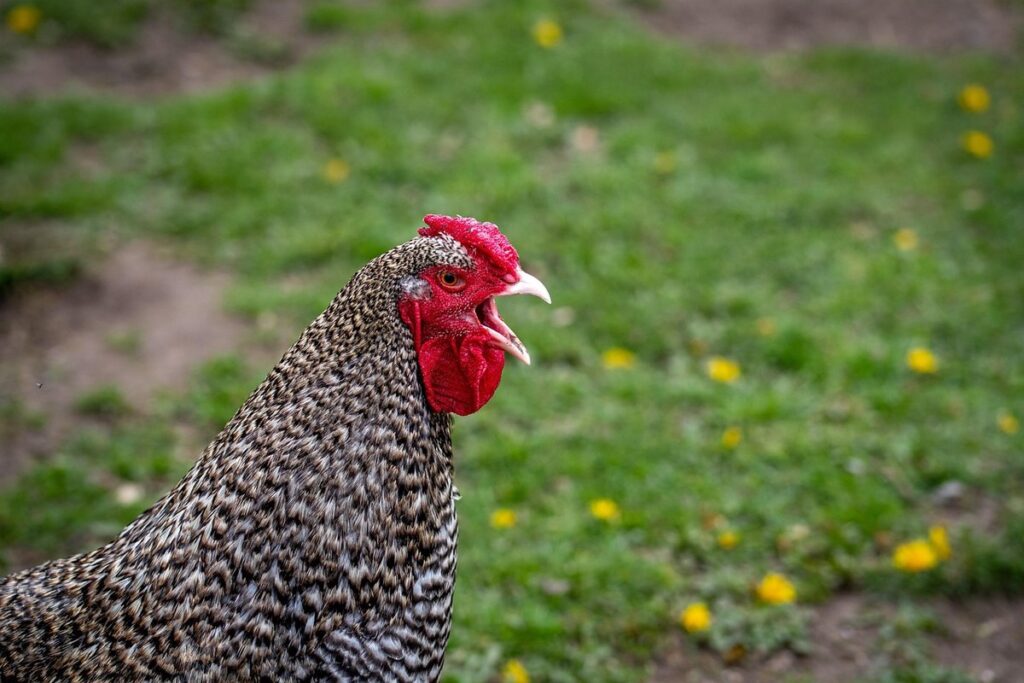
What are Chicken Breeds and Why Do They Matter?
With over 300 distinct chicken breeds worldwide, it’s hard to believe that such a variety of birds can come from just one species. In this section, we’ll explore what makes each breed unique.
Definition and Importance of Chicken Breeds
Chicken breeds are groups of chickens that have been selectively bred for specific characteristics such as egg-laying ability, meat production, feathering, or temperament. These distinct traits have developed over centuries through careful breeding practices, resulting in the astonishing array of chicken breeds we see today.
Originating from various parts of the world, including Asia, Europe, and Africa, each breed has its unique history and purpose. For instance, the Silkie originated in China as a companion bird, while the Leghorn hails from Italy as a prolific egg-layer. These diverse backgrounds have contributed to the incredible range of chicken breeds, with over 300 recognized globally.
Understanding chicken breeds is essential for poultry farmers, backyard enthusiasts, and consumers alike. Each breed has its strengths and weaknesses, making it crucial to choose the right one for your specific needs. By appreciating the diversity of chicken breeds, you can select birds that thrive in your climate, produce eggs or meat efficiently, and add unique charm to your flock.
Characteristics that Define a Chicken Breed
When it comes to chicken breeds, what sets one apart from another? It’s not just about their appearance or name; each breed has unique characteristics that make them well-suited for specific purposes. One of the most noticeable differences is size – some breeds are compact and perfect for small backyards, while others can grow quite large.
Egg-laying capacity is another critical characteristic to consider. Some breeds, like Leghorns, are prolific layers producing hundreds of eggs per year, making them ideal for commercial egg farmers. On the other hand, Orpingtons and Plymouth Rock hens lay fewer eggs but are often preferred by backyard flock owners due to their gentle nature.
Feathering is also a distinguishing feature among chicken breeds. Some have sleek, shiny feathers like Silkies or Polish, while others sport fluffy plumage like Cochins or Brahma. Temperament-wise, some breeds are known for being docile and easy-going, such as Buff Orpingtons, whereas others can be quite feisty, like the Silkies.
When choosing a breed, it’s essential to consider your lifestyle, available space, and what you want from your flock. With over 300 recognized chicken breeds worldwide, there’s a perfect match for every backyard farmer or enthusiast.
History of Chicken Breeding: A Brief Overview
From ancient Egyptian fowls to modern-day hybrids, chicken breeding has a rich and fascinating history that spans thousands of years, shaping the incredible diversity we see today. Let’s take a brief look at how it all began!
Early Domestication and Selection
The domestication of chickens is believed to have occurred around 8,000 years ago in the region of Southeast Asia. At this time, humans were transitioning from a nomadic, hunter-gatherer lifestyle to one that was more sedentary and agricultural-based. It’s thought that wild jungle fowl, such as the Gallus gallus, were initially domesticated for their meat and eggs.
As humans began to domesticate chickens, they started to notice desirable traits in certain individuals, such as larger egg-laying abilities or more docile temperaments. This led to a process of selective breeding, where farmers would intentionally breed birds with these desirable characteristics together to produce offspring that exhibited the same traits.
This early domestication and selection laid the foundation for the incredible diversity of chicken breeds we see today. Through centuries of careful breeding and selection, humans have been able to create over 300 distinct breeds, each with its unique characteristics, temperaments, and uses. By understanding this history, backyard chicken enthusiasts can better appreciate the complexity and richness of their own flock’s heritage.
Development of Modern Chicken Breeds
Over time, the development of modern chicken breeds has been shaped by careful selection and breeding programs. Breeders have worked tirelessly to create birds that excel in specific traits such as egg-laying capacity, meat production, or even appearance. This selective breeding process began thousands of years ago when humans first domesticated chickens from their wild ancestors.
Through a combination of genetic variation and artificial selection, breeders have been able to develop breeds with unique characteristics. For example, Leghorn chickens were bred specifically for high egg production, while Orpingtons are prized for their gentle nature and rich, brown eggs. Today, there are over 300 distinct chicken breeds recognized worldwide.
The development of modern breeds continues, with new varieties emerging every year. To get involved in breeding your own flock, start by researching the desired traits you want to achieve and choose a breed that aligns with those goals. Next, consider the genetic diversity of your flock and plan for controlled breeding to minimize inbreeding. With patience and dedication, you can develop a unique flock that meets your specific needs and preferences.
Classification of Chicken Breeds
There are over 300 recognized chicken breeds worldwide, and each one has its unique characteristics, traits, and purposes. Let’s explore the main categories that help classify these fascinating birds.
Standardised Breed Groups
Chicken breeds are incredibly diverse, and to make sense of this vast array, they’re grouped into categories based on their characteristics, uses, and features. One way to categorize chicken breeds is by weight, with Heavyweight and Lightweight breeds being two extremes.
Heavyweight breeds, such as the Brahma or Orpington, weigh in at 8-12 pounds (3.6-5.4 kg) or more. They’re built for egg production and can lay up to 200 eggs per year. On the other hand, Lightweight breeds like the Silkie or Polish are much smaller, weighing around 2-4 pounds (0.9-1.8 kg). These birds are often kept as pets due to their friendly nature.
Dual-purpose breeds, such as the Rhode Island Red or Barred Plymouth Rock, fall somewhere in between. They’re capable of producing a decent number of eggs and can also be raised for meat. Specialty breeds like the Silkies or Polish have unique characteristics that set them apart from other birds, making them highly sought after by chicken enthusiasts.
When choosing a breed, consider your space, climate, and desired use for the bird. For example, if you’re short on space, a lightweight breed might be more suitable.
Recognised Chicken Breed Associations
To ensure consistency and accuracy across different regions, several recognised chicken breed associations have been established. These organisations maintain breed standards and registries, providing a common framework for breeders to follow.
The American Poultry Association (APA) is one such organisation that has been setting breed standards in the United States since 1873. They recognise over 300 breeds of chickens, which are classified into various categories based on their size, egg-laying capacity, and temperament. The APA’s breed standards are widely accepted as the benchmark for chicken breeding in North America.
In a similar vein, the British Poultry Standards (BPS) maintain breed registries for chickens in the United Kingdom. They have been compiling breed information since 1902 and currently list over 250 breeds of chickens. Both the APA and BPS provide invaluable resources for breeders, including detailed descriptions of each breed’s characteristics, habits, and egg-laying performance.
By adhering to these breed standards and registries, chicken enthusiasts can ensure that they are breeding high-quality birds that meet specific criteria. This not only helps in preserving genetic diversity but also promotes responsible breeding practices.
Global Distribution of Chicken Breeds
As we explore the incredible diversity of chicken breeds, let’s take a closer look at how these amazing birds are spread across the globe. From Europe to Asia and beyond, there’s a fascinating tale of distribution to uncover.
Regional Specialties
One of the most fascinating aspects of chicken breeds is their incredible regional diversity. From the fluffy Silkies of China to the majestic Araucana of South America, each region has its own unique take on what makes a great chicken. For instance, the Japanese have developed the beautiful and gentle Brahma breed, prized for its large size and gentle disposition.
In Europe, you’ll find breeds like the Leghorn from Italy and the Plymouth Rock from England, both known for their exceptional egg-laying abilities. Meanwhile, in Africa, the Kienyeji chicken is a popular choice for small-scale farmers due to its hardiness and ability to thrive on limited resources.
When it comes to selecting a breed for your backyard flock or farm, considering regional specialties can be a great way to choose a bird that’s well-suited to your local climate and agricultural conditions. For example, if you live in a hot and dry region like the American Southwest, you may want to consider breeds from Australia or India that have adapted to similar climates.
Ultimately, exploring the diverse range of chicken breeds from around the world can help you find the perfect bird for your needs and interests. Whether you’re a seasoned breeder or just starting out, there’s sure to be a breed that fits the bill!
Adaptations to Climate and Environment
Chicken breeds have evolved to thrive in diverse environments around the world. In tropical regions, breeds like the Naked Neck and the Cochin have developed remarkable heat tolerance. These birds can withstand temperatures as high as 100°F (38°C) due to their unique physical characteristics. The Naked Neck, for instance, has a bare neck that allows for better cooling, while the Cochin’s large body size helps regulate its internal temperature.
In contrast, breeds adapted to colder climates, such as the Polish and the Brahma, have developed thick feathers and insulation to keep warm in freezing temperatures. The Barred Plymouth Rock, on the other hand, is a hardy breed that excels in temperate zones with moderate weather conditions. When choosing a breed for your backyard flock, consider your local climate and select birds that are well-suited to it.
Some breeds have also developed adaptations to cope with specific environmental challenges. For example, the Ancona has a water-resistant coat that makes it an excellent choice for wet climates.
Raising Awareness about Rare and Endangered Chicken Breeds
As we explore the incredible diversity of chicken breeds, it’s essential to shine a light on those that are struggling for survival. Many rare and endangered breeds need our attention and support.
Threats Facing Heritage Breeds
As we celebrate the diversity of chicken breeds, it’s essential to acknowledge the threats facing many rare and endangered ones. Unfortunately, hybridization is a significant concern for heritage breeds. When commercial farms prioritize high-yielding, disease-resistant birds, they inadvertently erode genetic diversity. This can lead to the loss of unique characteristics, adaptability, and resilience in these special breeds.
Disease is another pressing issue. With the rise of intensive farming practices, the increased density of chicken populations has created an environment conducive to disease transmission. This, coupled with the overuse of antibiotics, has led to the emergence of resistant strains, further threatening heritage breeds.
Habitat loss and fragmentation also pose significant challenges for rare breeds. As natural habitats are converted into agricultural land or urban areas, remaining flocks often become isolated, making it difficult for breeders to access them. This can lead to inbreeding, reduced fertility, and ultimately, the disappearance of these precious breeds.
Conservation Efforts and Initiatives
Conservation efforts are underway to safeguard these rare and endangered chicken breeds. Organizations such as the Rare Breeds Survival Trust (RBST) and the Livestock Conservancy work tirelessly with breeders and conservationists to preserve purebred chickens.
These initiatives involve registering purebred chickens, creating breeding programs, and promoting awareness about the importance of preserving genetic diversity. Governments also support these efforts through subsidies for breeders and incentives for conservation projects.
One notable example is the American Poultry Association’s (APA) Heritage Breeds Program, which aims to promote and preserve heritage chicken breeds. The program provides resources and guidelines for breeders, as well as a list of recognized heritage breeds.
Individuals can also contribute to these efforts by supporting local farmers who raise rare breeds, attending poultry shows, or even adopting a rare breed themselves. By working together, we can ensure the long-term survival of these unique chicken breeds and maintain their genetic diversity.
Conclusion: Celebrating the Diverse World of Chicken Breeds
As we wrap up our journey through the incredible world of chicken breeds, let’s take a moment to appreciate the sheer variety that exists worldwide. From tiny Bantams to majestic Orpingtons, there are over 300 recognized breeds to explore and love!
Recapitulation of Key Points
In conclusion to our comprehensive journey through the world of chicken breeds, it’s essential to recapitulate the key points that highlight the incredible diversity within this fascinating group. As we’ve explored various aspects of these remarkable birds, one thing is certain: there’s no shortage of unique and captivating chicken breeds globally.
We began by discussing the six main categories of chickens: light, medium, heavy, bantam, miniature, and ornamental. Each category boasts a distinct set of characteristics that set them apart from others. Light breeds, such as Leghorns and Cornish, are renowned for their rapid growth rate and high egg production. In contrast, heavy breeds like Orpingtons and Brahmas are prized for their gentle nature and impressive size.
We also explored the many subcategories within each breed group, showcasing examples of how specific traits can be combined to create novel hybrids. The Polish, for instance, is a bantam breed known for its crested comb and playful demeanor. Meanwhile, the Silkie’s soft, fluffy plumage makes it a popular choice among backyard chicken keepers.
Throughout this guide, we’ve highlighted the importance of choosing breeds that suit your lifestyle and climate. Factors such as egg-laying capacity, noise level, and space requirements all play critical roles in selecting the perfect breed for you. By considering these factors, you can create a harmonious and thriving flock that brings joy to both you and your family.
In recap, this comprehensive guide has demonstrated the staggering diversity of chicken breeds worldwide. Whether you’re an experienced farmer or just starting out on your backyard chicken journey, there’s a breed out there waiting for you. By embracing this diversity and choosing a breed that suits your needs, you can experience the rewards of raising healthy, happy chickens in your own home.
Frequently Asked Questions
What’s the best way to learn more about chicken breeds and their characteristics?
If you’re new to chicken breeding, start by researching popular breed groups, such as heavy-weight, light-weight, or egg-laying chickens. Websites like the American Bantam Association (ABA) or the American Poultry Association (APA) offer comprehensive breed guides, which can help you narrow down your search and identify breeds that suit your needs.
Can I raise multiple chicken breeds on a small farm or backyard flock?
Yes, it’s entirely possible to raise multiple breeds together. However, ensure that their space requirements, dietary needs, and temperament are compatible. For example, if you’re raising both heavy-weight breeds for meat production and light-weight egg-layers, consider separate enclosures or rotate flocks to avoid conflicts.
How can I identify rare and endangered chicken breeds in my area?
Consult local breeders, poultry clubs, or extension offices for information on rare breeds in your region. You can also search online marketplaces, social media groups, or attend regional poultry shows to connect with breed enthusiasts who may know of specific breeds in need of preservation.
Are there any conservation efforts I can support to protect heritage chicken breeds?
Yes! Many organizations, such as the Rare Breeds Survival Trust (RBST) or the Livestock Conservancy, focus on conserving and promoting rare breeds. You can donate, volunteer, or spread awareness about these initiatives to help preserve the genetic diversity of chicken breeds.
Can I use cross-breeding to improve my flock’s productivity and resistance to disease?
While intentional hybridization can enhance certain traits, it also carries risks, such as loss of breed integrity and reduced genetic diversity. If you’re looking to improve your flock’s performance, consider selecting birds from reputable breeders or working with a local poultry expert who can guide you on optimal breeding strategies for your specific needs and climate.