
Are you ready to meet the amazing diversity of chickens? With over 300 recognized breeds worldwide, it’s no wonder that chicken enthusiasts and farmers alike are eager to learn more about these incredible birds. But have you ever stopped to think about why there are so many varieties of chickens in the first place? Whether you’re a seasoned farmer or just starting out with backyard chickens, understanding the significance of different breeds can make all the difference in achieving your goals – whether it’s maximizing egg production, improving meat quality, or promoting sustainable farming practices. In this article, we’ll take you on a journey to explore the incredible world of chicken breeds and discover their unique characteristics, making it easier for you to choose the perfect bird for your needs.
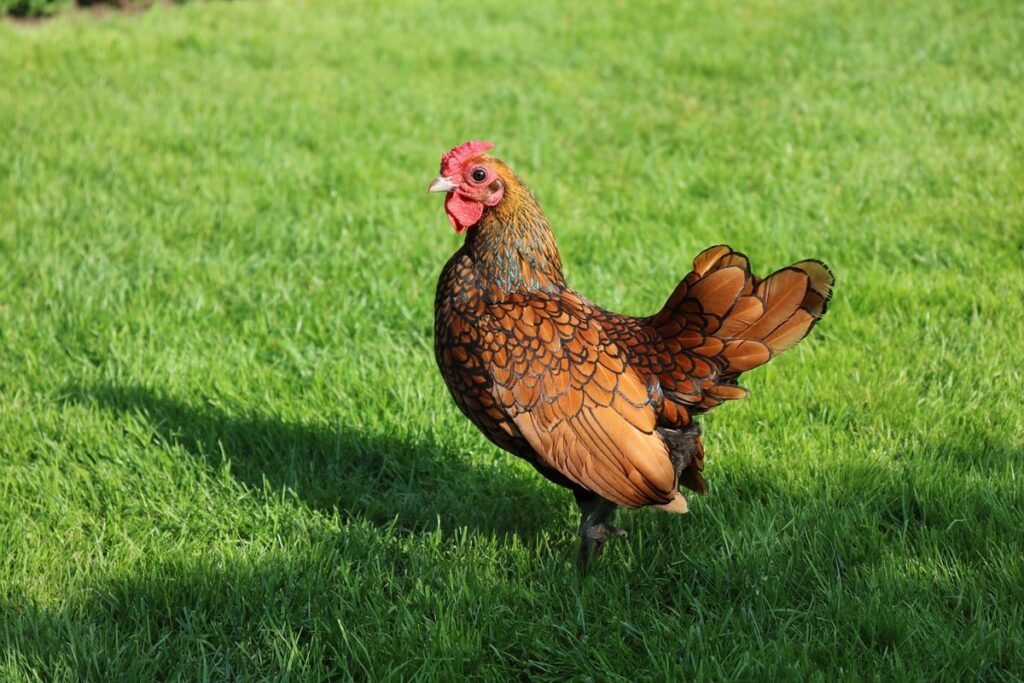
Introduction to Chicken Varieties
When it comes to chickens, you might be surprised by just how many varieties exist – over 300 breeds have been developed worldwide! Let’s take a closer look at some of these amazing feathered friends.
Brief History of Domesticated Chickens
Domestication of chickens is a fascinating story that spans thousands of years. The evidence suggests that it all began around 8,000 years ago in Southeast Asia, where early humans first started to domesticate wild jungle fowl. These birds were likely attracted to human settlements due to food scraps and were gradually tamed.
As people continued to keep these birds, they began to notice desirable traits such as docility, egg-laying ability, and meat production. Selective breeding allowed for the development of chickens with specific characteristics, leading to the creation of various breeds.
The process was slow but deliberate, with early farmers and breeders experimenting with different combinations of genes to produce the desired results. This selective breeding led to a staggering array of chicken varieties, each with its unique features and strengths. Today, we have over 300 recognized breeds worldwide, ranging from the tiny Bantam to the massive Brahma.
The diversity of chickens is truly remarkable, and it’s a testament to human ingenuity and patience. By understanding the history of domestication and breeding, we can appreciate the incredible variety that exists within this single species.
Importance of Breed Diversity
Maintaining breed diversity is crucial for sustainable farming practices, and it’s not just about having a varied selection of chickens. With over 300 recognized breeds worldwide, each with its unique characteristics, you can choose the best breed suited to your specific needs. For instance, if you’re looking to increase egg production, you might consider breeds like Leghorns or Rhode Island Reds, which are known for their high-yielding capabilities.
On the other hand, if you want a hardy and adaptable breed that can thrive in harsh weather conditions, then a breed like the Silkie or the Cochin might be more suitable. This diversity not only ensures that your farm remains resilient to environmental changes but also helps prevent genetic erosion. By keeping multiple breeds, you’ll reduce dependence on a single strain, which reduces the risk of disease outbreaks and other issues.
In addition to practical benefits, breed diversity can also enhance meat quality and flavor. For example, heritage breeds like the Plymouth Rock or the Wyandotte are prized for their rich, complex flavors and tender textures.
Chicken Classification Systems
Let’s take a closer look at how we categorize these amazing birds, and explore the main classification systems used to group chicken breeds into distinct categories. This will give you a better understanding of their incredible diversity.
The FCI Breeding Standards
The FCI is a worldwide organization that establishes and maintains breed standards for various animal species. When it comes to chickens, their guidelines play a significant role in standardizing breed classification and development.
Each breed of chicken has its unique characteristics, such as plumage patterns, beak shape, and feather length. The FCI’s breeding standards help breeders and enthusiasts ensure that these distinctive traits are preserved and passed down through generations. For instance, the Silkie breed is recognized for its fluffy feathers and gentle nature. By adhering to the FCI’s guidelines, breeders can maintain the integrity of this breed.
The FCI’s comprehensive standards cover aspects such as:
* Size and weight
* Plumage patterns and colors
* Beak shape and size
* Feather length and quality
These detailed specifications help in identifying authentic breeds and prevent misidentification. By following these guidelines, you’ll be able to recognize and differentiate between various chicken breeds more effectively.
Other Classification Systems: APA, Ameraucana, and More
Beyond the FCI’s comprehensive classification system, several other organizations play a crucial role in categorizing and standardizing chicken breeds. The American Poultry Association (APA), for instance, has its own distinct approach to breed identification. While the APA shares some similarities with the FCI, it also introduces unique nuances and categories that can be confusing for newcomers to the world of backyard chickens.
One such example is the Ameraucana breed, which is recognized by both the APA and the FCI. However, the APA’s classification system assigns this breed to a separate category due to its distinctive blue egg-laying ability. This highlights the complexity and diversity within chicken breeds, underscoring the importance of understanding the specific standards and guidelines used by each organization.
Other notable classification systems include those developed by the Australian Poultry Association (APA) and the British Poultry Standards. These systems often overlap with or diverge from one another, further complicating the process of identifying and categorizing chicken breeds. As a chicken enthusiast, it’s essential to familiarize yourself with multiple classification systems to ensure accurate identification and documentation of your flock’s breeds.
Ornamental Chicken Breeds
When it comes to ornamental chicken breeds, you’ll be amazed by the dazzling array of colors, patterns, and unique characteristics that make each one a true showstopper. Let’s take a look at some of the most stunning examples.
Show-Grade Chickens: Combos, Frizzles, and Bearded Breeds
If you’re looking to add some visual flair to your backyard flock, show-grade chickens are an excellent choice. These breeds are prized for their unique appearance and distinctive features, making them perfect for enthusiasts who want to showcase their birds at local poultry shows or simply admire their beauty.
One of the most recognizable characteristics of show-grade chickens is their combs, which come in a variety of shapes, sizes, and colors. For instance, Frizzle chickens sport a curly, twisted comb that’s as much fun to look at as it is to touch. On the other hand, Silkies boast a fluffy, single-layered comb that adds to their endearing appearance.
Other notable show-grade breeds include Bearded breeds like the Polish and Houdan, which flaunt long, flowing beards that add an extra layer of elegance to their already-regal demeanor. When choosing a show-grade chicken, consider factors like climate, space, and maintenance needs to ensure your bird thrives in its new environment.
Small-Scale Egg Layers: Bantams, Polish, and Other Ornamentals
If you’re looking for ornamental chicken breeds that are perfect for small-scale egg production, you may want to consider Bantam breeds. These miniature chickens are not only visually stunning but also offer a range of benefits for backyard farmers and hobbyists.
Bantams are known for their compact size, which makes them ideal for smaller coops and backyards. They come in a variety of colors and patterns, from the classic gold and silver to more exotic hues like lavender and buff. Their small size also means they require less feed and resources compared to larger breeds.
In terms of egg production, Bantams are surprisingly efficient. While they may not lay as many eggs as larger breeds, their smaller size makes them a great option for families or individuals who want to collect eggs regularly without breaking the bank. Polish, another popular ornamental breed, is also known for its striking feather patterns and friendly demeanor.
When choosing a Bantam breed for egg production, consider factors like temperament, egg size, and frequency of lay. Some popular breeds include the Silkie, the Belgian Bearded d’Anvers, and the Japanese Bantam. With proper care and attention, these miniature chickens can provide a steady supply of fresh eggs while adding charm and personality to your backyard flock.
Specialty Chicken Breeds
From fluffy Silkies to majestic Brahma’s, specialty chicken breeds offer a diverse array of unique characteristics and traits that make each one special. Let’s explore some of these fascinating birds together!
Heritage Chickens: The Preservation of Traditional Breeds
Heritage chickens are a vital part of our poultry heritage, offering unique characteristics and traits that set them apart from commercial breeds. However, many of these traditional breeds are at risk of extinction due to the increasing popularity of commercial poultry. In fact, it’s estimated that over 300 heritage chicken breeds worldwide are considered critically endangered or vulnerable.
To combat this issue, various conservation programs and advocacy initiatives have been established to preserve heritage breeds. For example, the Livestock Conservancy in the United States has a Chicken Breed Conservation program, which works with breeders and enthusiasts to identify and prioritize breeds for conservation efforts. Additionally, organizations like the Rare Breeds Survival Trust in the UK provide support and resources for breeders working to conserve rare and endangered breeds.
If you’re interested in preserving heritage chicken breeds, there are ways to get involved. Consider adopting a rare breed from a reputable breeder or joining a local poultry club that focuses on conservation efforts. You can also contribute to organizations dedicated to protecting these breeds by donating or volunteering your time. By working together, we can help ensure the long-term survival of these incredible birds and preserve their unique characteristics for generations to come.
Functional Breeds: Meat, Egg, and Dual-Purpose Chickens
Functional breeds are an essential part of modern agriculture, providing meat and eggs for consumers worldwide. These chickens are bred specifically for their productivity and efficiency in egg or meat production, making them a crucial component of large-scale farming operations.
There are several functional breeds that excel in either meat or egg production. For example, Leghorns are one of the most popular egg-laying breeds, known for their high egg production rates of up to 300 eggs per year. On the other hand, Plymouth Rock and Cornish Cross are commonly used for meat production due to their fast growth rate and large size.
In addition to these single-purpose breeds, dual-purpose chickens like Orpingtons and Wyandottes can provide both eggs and meat. These birds offer a more sustainable option for farmers who want to raise fewer but more versatile breeds.
When selecting functional breeds for your farm or backyard flock, consider factors such as climate, feed availability, and market demand. Researching local regulations and consumer preferences will also help you choose the right breed for your operation. By understanding the characteristics and uses of functional breeds, you can make informed decisions about which birds to raise and how to optimize their performance.
Hybrid Chicken Breeds
Did you know that some of the most interesting and unique chicken breeds are actually hybrids, created by carefully combining different purebred strains to produce something entirely new? Let’s take a closer look at what makes them special.
The Science Behind Chicken Crossbreeding
Chicken crossbreeding is a complex process that relies on understanding the genetic principles behind it. When two purebred lines are crossed, they exchange genetic material to create offspring with desirable traits. This concept is known as heterosis or hybrid vigor. In simple terms, crossbreeding allows farmers to tap into the best characteristics of multiple breeds, resulting in healthier and more productive chickens.
The genetic diversity introduced through crossbreeding can enhance growth rates, egg production, and disease resistance. For example, crossing a meat-type breed with an egg-laying breed can result in birds that produce a moderate number of eggs while maintaining a decent weight. Conversely, breeding for specific traits like feather color or comb shape can lead to interesting variations.
When choosing breeds for crossbreeding, farmers should consider the genetic diversity and compatibility between lines. Selecting breeds from different genetic pools increases the chances of creating healthy offspring with desirable traits. By carefully managing this process, poultry producers can reap the benefits of hybrid vigor and create unique chicken breeds that excel in specific areas.
Popular Hybrid Breeds: Cornish, Leghorn, and Other Examples
When it comes to commercial poultry farming, many producers rely on hybrid breeds for their efficiency and high-quality products. These birds are a result of cross-breeding between two purebred lines to combine the best traits from each parent. This process is done through artificial insemination or natural mating, depending on the specific needs of the farmer.
One popular example of a hybrid breed is the Cornish chicken, which is known for its rapid growth rate and tender meat. The Leghorn is another widely used hybrid breed, prized for its high egg production and hardiness. Other examples include the Ross 308, which is bred specifically for its fast growth rate and white meat characteristics, and the Cobb 500, a hybrid of the Cornish and White Plymouth Rock breeds.
Farmers appreciate these hybrid breeds for their consistency in performance and product quality, making them ideal for commercial production. However, it’s worth noting that many purebred enthusiasts argue that hybrids lack the rich flavor and texture found in heritage breeds.
Conclusion: Embracing the Diversity of Chickens
As we conclude our journey through the wonderful world of chickens, let’s take a moment to appreciate just how many incredible varieties exist, each with its own unique characteristics and charm.
Preserving Genetic Diversity
As we’ve explored the incredible diversity of chicken breeds, it’s essential to acknowledge that this richness is not just a matter of visual appeal, but also a vital component of sustainable farming practices and ecosystem health. With over 300 distinct breeds worldwide, preserving genetic diversity is crucial for ensuring the long-term viability of our flocks.
Agricultural experts agree that maintaining a wide range of chicken breeds is essential for several reasons. Firstly, it provides insurance against disease outbreaks, as a diverse gene pool reduces the risk of a single breed being decimated by a particular illness. Secondly, it enables us to adapt to changing environmental conditions, such as temperature fluctuations or shifts in pest populations.
To prioritize genetic diversity preservation, consider the following strategies: maintain multiple breeds on your farm, focus on heritage and rare breeds, and support local breeding programs. By embracing this approach, you’ll not only safeguard the health of your flock but also contribute to a more resilient food system that benefits both farmers and consumers alike.
Supporting Local Chicken Breeds and Farmers
When you’re shopping for chicken breeds at your local feed store or farmer’s market, take a closer look at the options. You might notice heritage breeds, like the Delaware or the Buckeye, alongside more common commercial varieties. These traditional breeds have been around for decades and are often raised by small-scale farmers who value their unique characteristics.
By supporting these local chicken breeders and farmers, you’re not only getting delicious eggs and meat, but also helping to preserve a piece of agricultural history. Many heritage breeds are adapted to specific climates and regions, making them ideal choices for smaller farms or backyard flocks.
To get started, ask your local feed store or farmer’s market vendors about their breeding programs. You might be surprised by the variety of heritage breeds available in your area. Consider purchasing chicks from a local hatchery or buying eggs from farmers who raise traditional breeds. This will not only support the local economy but also help keep these unique breeds thriving for generations to come.
Frequently Asked Questions
Can I keep multiple breeds of chickens together?
It’s possible to keep different breeds together, but it’s essential to ensure compatibility between the breeds’ temperaments, space requirements, and climate preferences. Researching breed-specific needs and introducing birds gradually can help minimize stress and conflicts.
How do I know which chicken breed is best for my small backyard farm or homestead?
Consider factors like egg production, meat quality, noise level, and climate tolerance when selecting a breed. You may also want to think about the space you have available for your flock and whether you’re looking for dual-purpose chickens (meat and eggs) or specialized birds.
Can I crossbreed my own chicken breeds to create unique hybrids?
While some experienced farmers do crossbreed their chickens, it’s not a straightforward process. You’ll need to understand the genetics of the breeds involved and consider factors like fertility, egg quality, and growth rates. It’s recommended that you start by researching established hybrid breeds and consulting with experts.
How can I support local chicken breeders and preserve genetic diversity?
Look for local farmers who raise heritage or specialty breeds and consider purchasing eggs or chicks from them. You can also join online forums or social media groups to connect with other chicken enthusiasts, share knowledge, and learn about new breeds.
Are there any breed-specific health issues I should be aware of when starting my flock?
Yes. Different breeds are prone to various health issues, such as respiratory problems in heavy birds like Brahma or Orpingtons, or specific diseases like Marek’s disease in certain breeds. Research the health needs and common challenges associated with your chosen breed(s) and take proactive steps to prevent and manage these issues.