
As a chicken owner, one of the most essential decisions you’ll make is determining how much feed to give your flock. Getting this right is crucial for their health and well-being, not to mention the quality of eggs they produce. But with so many types of feed available and varying nutritional requirements at different life stages, it can be overwhelming to know where to start. In this article, we’ll break down the basics of chicken nutrition, covering essential nutrients like protein, calcium, and vitamins, as well as age-specific needs for chicks, pullets, and laying hens. We’ll also explore different feed types, including layer feed, starter feed, and pellets, to help you choose the best option for your flock. By the end of this guide, you’ll be equipped with the knowledge to provide your chickens with a balanced diet that supports optimal health and egg production.
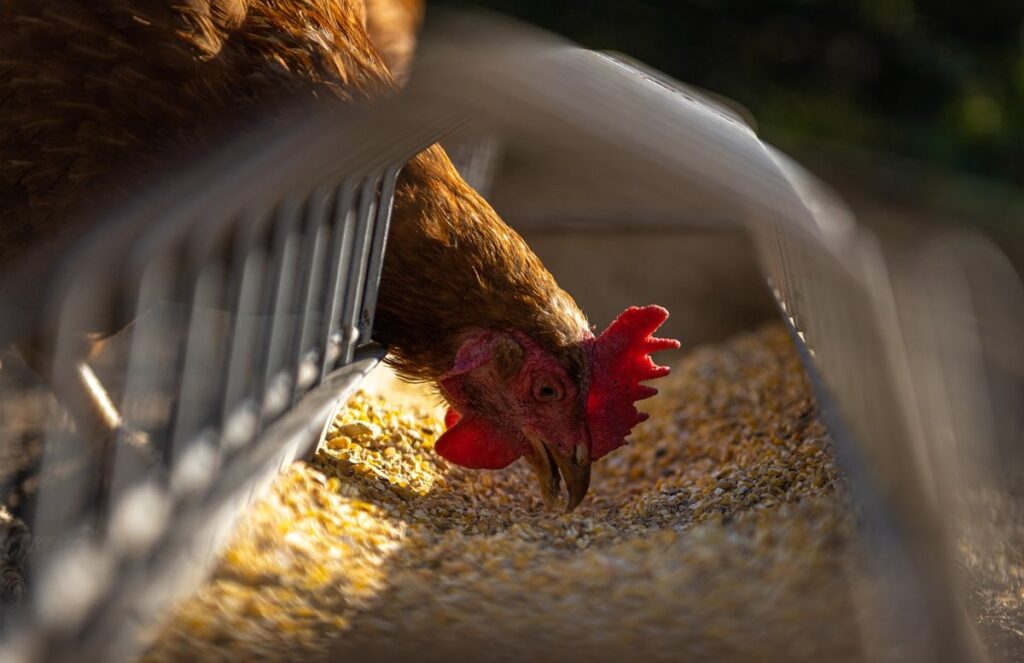
Understanding Chicken Nutrition Basics
To raise happy and healthy chickens, it’s essential to understand their nutritional needs. This section will break down the basics of chicken nutrition, helping you make informed feeding decisions for your flock.
The Importance of a Balanced Diet
A balanced diet is essential for maintaining the overall health and well-being of your chickens. Just like humans, chickens require a mix of different nutrients to function optimally. The primary role of a balanced diet is to provide energy, promote growth, and support immune system function. Carbohydrates, proteins, fats, vitamins, and minerals all play crucial parts in this process.
Protein, for instance, is vital for muscle development and repair, while carbohydrates serve as the body’s primary source of energy. Fats, although often overlooked, are also necessary for maintaining healthy skin and feathers. Vitamins A, D, E, K, and B12, along with minerals like calcium and phosphorus, are essential for bone health and egg production.
When it comes to feeding your chickens, a well-balanced diet can significantly impact their overall health and productivity. For example, adequate calcium intake is necessary for strong eggshell formation, while sufficient vitamin D levels promote bone health. By providing a balanced diet, you’ll be supporting the optimal functioning of your flock’s digestive system, immune response, and reproductive capabilities, ultimately leading to healthier and more productive birds.
Key Nutrients in Chicken Feed
When it comes to feeding your chickens, providing the right nutrients is crucial for their growth and performance. Let’s dive into the key nutrients that are essential for your flock.
Vitamin D3 is a critical nutrient for calcium absorption, which in turn supports strong bone development. A deficiency can lead to softening of eggshells, reduced fertility, and weakened bones. To ensure your chickens receive adequate vitamin D3, make sure their feed contains at least 1,000 IU per pound. You can also supplement with a source like crushed oyster shells or dark leafy greens.
Calcium is another vital nutrient that promotes bone growth and density. A diet rich in calcium will help support healthy egg-laying and prevent breakages. Aim for feeds containing around 2-3% calcium to meet your flock’s needs.
Protein, on the other hand, fuels muscle growth and repair. As a general rule, adult chickens require about 16-18% protein in their feed. However, if you’re raising chicks or breeding birds, you’ll need to provide higher levels of protein – around 20-22%. Consult with your veterinarian or a poultry expert to determine the ideal protein level for your specific flock.
A well-balanced feed will typically include other essential nutrients like phosphorus, potassium, and vitamins A, E, and K. By ensuring your chickens receive these key nutrients, you’ll be supporting their overall health, growth, and performance.
Understanding Feed Labels and Ingredients
Reading feed labels is an essential skill for chicken keepers to ensure their flock is receiving the nutrients they need. When selecting a feed for your chickens, start by checking the label for key ingredients and nutritional information. Crude protein, or CP, is a critical component of a chicken’s diet, representing the percentage of protein in the feed. A minimum of 16% crude protein is recommended for laying hens, while meat birds require around 20%. Be wary of feeds with high protein content, as this can lead to digestive issues.
Also pay attention to the type of feed: pellets or mash? Pellets are denser and contain more nutrients per pound than mash. However, they may be less palatable for some chickens. Mash is a good option if you’re raising chicks or have hens that prefer it. Other ingredients like calcium carbonate (for strong eggshells) and vitamin D3 (for immune system health) should also be present in the feed.
Keep an eye out for terms like “all-vegetable” or “organic.” While these may sound appealing, they don’t necessarily guarantee higher nutritional quality. Some commercial feeds are formulated with a balance of vitamins and minerals to meet your flock’s specific needs. When choosing a feed, read labels carefully and consider factors like the age and breed of your chickens, as well as their individual dietary requirements.
Determining Your Chicken’s Feeding Needs
To determine how much feed your chickens need, you’ll want to consider their age, weight, and breed, as well as any health conditions that may impact their diet. Let’s dive into these key factors together!
Age-Specific Nutrition Requirements
As your chickens grow and mature, their nutritional needs change significantly. Let’s break down the unique requirements for each life stage to ensure you’re feeding them the right amount of nutrients at the right time.
Chicks (0-6 weeks): During this critical growth phase, chicks require a starter feed that’s high in protein (18-20%) and energy-dense. This helps support their rapid growth and development. As they transition from brooder to coop, you can gradually switch them to a pullet feed around 4-5 weeks.
Pullets (6-18 weeks): As your chicks grow into pullets, they need a balanced diet that supports feathering and muscle development. Pullet feed should be formulated with 16-17% protein and adequate calcium for strong bone growth. You can also start introducing small amounts of oyster shell or crushed eggshells to support their developing reproductive system.
Layers (18+ weeks): By this stage, your hens are producing eggs regularly and require a layer feed that’s formulated with around 16% protein and higher levels of calcium to support strong eggshell production. You may also need to supplement their diet with grit or oyster shell to prevent digestive issues.
Keep in mind that breeders have different nutritional needs than layers, and it’s essential to choose a breeder feed specifically formulated for your flock’s requirements.
Bantam and Standard Chickens: Different Needs
When it comes to feeding your chickens, it’s essential to consider their breed and size. Bantam and standard chickens have distinct needs when it comes to protein levels and energy density. Bantams, being smaller breeds, require less feed overall compared to standards.
Typically, bantams need a 16-18% protein diet, whereas standards require around 20-22%. This is because bantams are more efficient at utilizing nutrients due to their smaller body size. Additionally, bantams have higher metabolisms, which means they burn through energy quickly. As a result, they need feed with a higher energy density to keep them fueled.
Standards, on the other hand, require more food overall and can handle slightly lower protein levels. However, it’s crucial to note that some standard breeds may still benefit from higher protein diets, especially if they’re bred for egg-laying or muscle growth. When selecting feed for your flock, make sure to check the label for breed-specific recommendations.
It’s also worth noting that individual birds can have different needs based on their age, health, and activity level. Always consult with a veterinarian or poultry expert to determine the best feeding strategy for your unique situation.
Chicken Health Conditions Affecting Feeding
Certain health conditions can significantly impact your chicken’s feed intake and overall well-being. One of the most common issues is obesity, which can lead to a range of problems including difficulty breathing, egg-laying complications, and reduced mobility. A study by the University of California found that over 50% of backyard chickens are overweight or obese, making it essential for owners to monitor their feed intake.
Another critical health issue affecting feed consumption is metabolic bone disease (MBD). This condition occurs when your chicken’s diet lacks sufficient calcium and vitamin D3, leading to weakened bones. According to the American Poultry Association, MBD can be prevented by providing a balanced diet rich in calcium and supplementing with vitamin D3.
Respiratory problems are also a significant concern for backyard chickens. Conditions such as respiratory bronchitis and sinusitis can lead to reduced feed intake as your chicken struggles to breathe. By recognizing the signs of these health issues early on, you can take preventative measures by adjusting their diet and ensuring they have access to clean water and adequate ventilation in their coop.
It’s crucial to monitor your chicken’s health closely and make adjustments to their feeding schedule accordingly. Consult with a veterinarian if you suspect any underlying health conditions affecting your chicken’s feed intake.
Choosing the Right Feed Type for Your Flock
When it comes to feeding your flock, selecting the right feed type is crucial for their health and well-being. Let’s explore the different types of feeds available to find the best match for your chickens.
Pellet vs. Mash: What’s Best?
When it comes to choosing between pelleted and mashed feed for your flock, there are several factors to consider. Pelleted feed is a popular option because it’s easy to store and transport, as well as resistant to moisture. This makes it ideal for large-scale commercial operations or for chicken keepers with limited storage space.
On the other hand, mashed feed is often preferred by backyard chicken enthusiasts due to its higher nutrient retention rates and lower environmental impact. Mashed feed also tends to be more cost-effective than pelleted feed over time, especially when fed in small quantities.
For smaller flock sizes (under 10 birds), mashed feed might be a better choice due to the reduced waste and potential for higher nutritional content. However, if you have a larger flock or prefer the convenience of pelleted feed, it’s still a viable option. Consider your specific needs and circumstances before making a decision, as both types can provide optimal nutrition when fed correctly.
Free-Range and Pasture-Raised Feeding Considerations
When it comes to free-range and pasture-raised feeding considerations, there are several factors to take into account. Foraging is a natural behavior for chickens, and providing access to outdoor spaces can significantly reduce their reliance on commercial feed. However, this also means you’ll need to ensure they have adequate nutrition to prevent malnutrition or deficiencies.
When planning your free-range system, consider the quality of pastureland and the availability of nutritious forage. A diverse range of grasses, legumes, and weeds will provide a broad spectrum of vitamins and minerals, reducing the need for supplements. However, be aware that certain crops, such as potatoes and tomatoes, can be toxic to chickens.
In terms of food safety, free-range and pasture-raised flocks are more susceptible to disease transmission from wild birds and other animals. Regular monitoring of your flock’s health and sanitation practices is crucial. You’ll also need to balance the benefits of foraging with the potential risks of parasite infestation and nutrient deficiencies.
Aim to provide a balanced mix of grains, proteins, and minerals through supplements or commercial feed, while allowing your chickens ample access to fresh air, water, and pastureland.
How Much Feed to Provide: Calculating Your Chickens’ Needs
Calculating your chickens’ feed needs can be a challenge, but understanding their nutritional requirements is key to keeping them happy and healthy. Let’s dive into how to determine the right amount of feed for your flock.
The 1% Rule: A Simple Guide
When it comes to determining how much feed your chickens need, there’s a simple guideline that can serve as a starting point: the 1% rule. This basic calculation takes into account the weight of your flock and their daily feed needs.
To apply this rule, start by calculating the total weight of all your chickens. You can do this by weighing each bird individually or estimating based on breed and age. Once you have an accurate weight, multiply it by 1% to determine how much feed is needed per day. For example, if your flock weighs a total of 20 pounds, they’ll need about 0.2 pounds (or 4 ounces) of feed daily.
Keep in mind that this is just a starting point and can vary depending on factors like breed, age, climate, and level of activity. Chickens living outdoors, for instance, may require more feed than those confined to a coop. It’s essential to monitor your flock’s overall health and adjust the feeding schedule accordingly.
In addition to the 1% rule, also consider other key factors such as the nutrient content of the feed, seasonal changes in consumption, and the age of your chickens.
Monitoring Flock Health and Adjusting Feed Intake
Monitoring flock health is crucial to ensuring that your chickens are receiving the right amount of feed. One way to do this is by observing egg production. A decrease in eggs can indicate a nutritional imbalance or a lack of feed, prompting you to adjust feeding levels accordingly. To gauge the overall health of your flock, consider body condition scoring. This involves assessing the bird’s muscle tone and fat reserves by palpating (gently pressing) their breast area. Birds with adequate nutrition will have firm, smooth breasts while those lacking in feed may appear scrawny.
Another essential aspect to monitor is feed consumption. A general rule of thumb is to provide about 1-2% of a chicken’s body weight daily in dry matter, although this can vary depending on breed, age, and production level. If you notice your flock consuming more than usual, it may indicate an imbalance in nutrient content or quality of feed. Conversely, decreased consumption might suggest underfeeding.
It’s essential to monitor these indicators regularly to make informed adjustments to feeding levels, ensuring that your flock is receiving the right amount of nutrients to thrive.
Additional Tips and Considerations
Now that you have a solid understanding of how much feed your chickens need, let’s dive into some important additional considerations to ensure their health and happiness. This includes tips for adjusting feed amounts based on age, climate, and more.
Foraging and Supplementing with Fresh Foods
When it comes to providing a balanced diet for your chickens, relying solely on commercial feed can be limiting. That’s why incorporating fresh foods into their diet is essential for optimal health and well-being. Foraging allows your chickens to eat their natural diet, which includes leaves, grasses, and insects, reducing the need for processed feed.
To supplement their diet with fresh fruits and vegetables, consider these tips: add a variety of leafy greens like kale, spinach, and collard greens to their feeder or free-range area. Berries, such as strawberries and blueberries, are also a nutritious addition in moderation. Carrots, sweet potatoes, and squash provide essential vitamins and minerals.
However, be mindful of potential pitfalls: some fruits and vegetables can cause digestive issues if fed in excess or with the wrong combinations. For example, tomatoes and citrus fruits contain high amounts of acidity that may irritate your chickens’ stomachs. It’s also crucial to introduce new foods gradually to prevent digestive upset.
Managing Feed Costs and Waste Reduction Strategies
When it comes to managing feed costs and reducing waste, it’s essential to strike a balance between keeping your flock healthy and your wallet happy. A well-planned feeding strategy can make all the difference.
Start by monitoring your flock’s feed consumption. Keep track of how much they eat in a day, week, or month to identify patterns and areas for improvement. This will help you adjust their diet accordingly and prevent overfeeding or underfeeding. Consider implementing a rationing system where each bird receives a specific amount of feed based on its weight, breed, and age.
To reduce waste, focus on providing clean and fresh water at all times, ensuring that feeding areas are well-maintained, and regularly cleaning up after your flock’s meals. You can also explore alternative feed options like scratch grains or mealworms to supplement their diet and add variety. By implementing these cost-effective strategies, you’ll not only save money but also promote a healthier, more efficient flock.
Common Mistakes and FAQs
We’ve covered the basics of calculating feed for your flock, but now it’s time to address some common misconceptions and frequently asked questions you might have. Let’s get started!
Debunking Misconceptions About Chicken Nutrition
When it comes to feeding our chickens, we often fall prey to common misconceptions about their nutritional needs. Let’s debunk some of these myths and focus on providing the right amount of feed for our feathered friends.
Firstly, let’s tackle the notion that “more protein is always better” when it comes to chicken feed. While protein is essential for building and repairing tissues in chickens, overfeeding them with high-protein feeds can lead to digestive issues and kidney damage. A balanced feed containing around 16-18% protein should suffice for most adult hens. Remember, a hen’s nutritional needs change throughout her life, so adjust the feed accordingly.
Another misconception is that chickens require a special diet specifically designed for laying eggs. While it’s true that some commercial feeds are formulated to support egg production, these can be overpriced and unnecessary for backyard flocks. In fact, a high-quality layer feed can be more detrimental than beneficial due to its excessive levels of calcium and phosphorus.
To provide the best nutrition for your flock, stick to a well-balanced feed that meets their basic needs, such as a starter or grower feed with around 18-20% protein content. Supplementing with fruits, vegetables, and grains can be a great way to add variety and boost nutrition. However, ensure you don’t overdo it – too many treats can lead to an imbalanced diet.
As a general rule of thumb, provide your chickens with the recommended amount on the feed bag, adjusting as needed based on age, breed, and health status. Keep in mind that underfeeding is less likely than overfeeding, so it’s better to err on the side of caution and monitor your flock’s weight and overall health. By avoiding common misconceptions about chicken nutrition and providing a balanced diet, you’ll be well on your way to raising happy, healthy hens that thrive in their backyard environment.
Frequently Asked Questions
What if I have a mixed flock with chickens of different ages? Can I use the same feed for all?
Using the same feed for birds at various life stages can be challenging. A better approach is to determine each bird’s specific needs based on its age, health, and production level. You may need to offer multiple feed types or supplement accordingly. For example, you could provide layer feed for mature hens, starter feed for chicks and pullets, and pellets for those requiring extra protein.
How do I ensure my chickens are getting enough calcium from their diet?
While commercial feeds often contain sufficient calcium levels, it’s still crucial to monitor your flock’s intake. Provide free-choice oyster shells or crushed eggshells as a source of supplemental calcium. Adjust the amount based on your chickens’ age and egg-laying status. Monitor for signs of calcium deficiency, such as soft-shelled eggs or weakened beak.
What if I notice that my flock is not responding well to their current feed? Should I switch immediately?
If you suspect a dietary issue, consult with a veterinarian before making any changes. Consider factors like ingredient quality, nutritional content, and palatability. Gradually introduce new feeds to prevent digestive upset. Monitor your flock’s response closely and adjust feeding strategies as needed.
Can I use homemade or foraged foods as supplements in addition to commercial feed?
Foraging and supplementing with fresh foods can enhance your flock’s nutrition. However, be cautious not to overdo it, as this can lead to nutritional imbalances. Ensure that any additional ingredients are nutrient-rich and won’t compete with the balanced diet provided by commercial feed.
How often should I re-evaluate my flock’s feeding needs?
Regularly monitoring your chickens’ growth, health, and egg production is essential. Reassess their dietary requirements every 2-3 months or whenever significant changes occur (e.g., a new chick batch). Adjust feeding strategies accordingly to ensure optimal nutrition and prevent potential issues.