
If you’re an aspiring backyard farmer or a seasoned poultry owner, you’ve probably wondered at some point: “How often can a chicken lay an egg?” The answer is not as simple as it seems. Factors like nutrition, health, and management practices all play a crucial role in determining the frequency of egg-laying. A well-nourished and healthy chicken can lay eggs regularly, but neglecting its needs can significantly impact production. In this article, we’ll delve into the world of chicken egg-laying, exploring the key factors that influence frequency and providing expert tips on optimizing egg production through the right nutrition, health checks, and management practices. Whether you’re looking to boost your flock’s productivity or simply understand the basics, keep reading to discover how to get the most out of your chickens’ abilities.
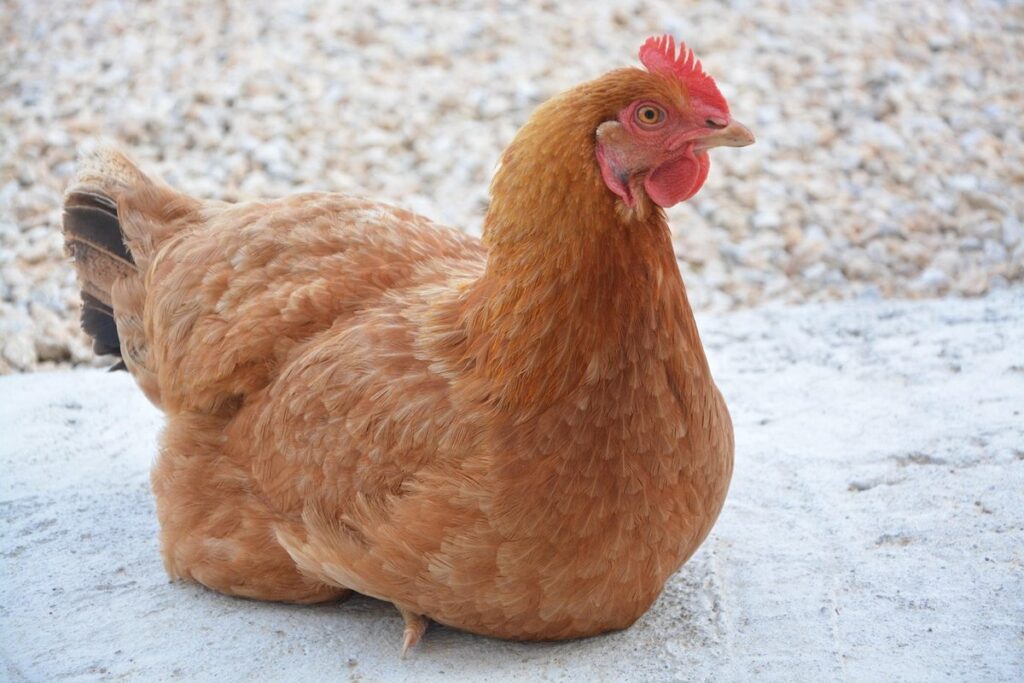
Factors Affecting Egg Laying Frequency
Let’s dive into what influences how often your chicken lays eggs, from nutrition to breed and environment. We’ll explore these factors together.
Age and Its Impact on Fertility
As chickens mature, their egg-laying frequency is significantly influenced by age. In general, most breeds reach their peak laying years between 18 and 24 months of age. During this period, a healthy hen can lay an egg every 24-26 hours, depending on factors such as breed, nutrition, and living conditions.
However, once a chicken reaches its prime age, fertility begins to decline gradually. This is often attributed to the natural aging process, which affects the hen’s reproductive organs. For instance, research has shown that hens’ egg production drops by 10-15% every year after they reach their peak laying age.
Breed-specific factors also play a crucial role in determining a chicken’s fertility and egg-laying frequency with age. Some breeds, like Leghorns, are known for their high reproductive efficiency and can lay up to 300 eggs per year. In contrast, heritage breeds may not reach the same level of productivity due to genetic differences.
To maintain optimal fertility in your flock, ensure they receive a balanced diet rich in nutrients, regular access to clean water, and adequate light exposure throughout their lives.
Nutrition and Diet’s Influence on Oviposition
A chicken’s reproductive cycle is intricately linked to its nutrition and diet. A balanced diet rich in essential nutrients is crucial for optimal egg laying. Laying hens require a minimum of 16% protein, 8-10% calcium, and adequate vitamins A, D3, E, K, and B12 to support their reproductive cycles.
A deficiency in these nutrients can lead to decreased fertility, smaller eggs, and reduced overall health. For example, a lack of calcium can cause eggshell thinning, making it more challenging for the hen to produce strong eggs. Similarly, inadequate vitamin A levels can affect egg yolk color and fertility.
To ensure optimal nutrition, provide your flock with high-quality layer feed or supplement their diet with essential nutrients. For example, adding crushed oyster shells as a calcium source can help support strong eggshells. Regularly monitoring your hens’ diet and making adjustments as needed is crucial for maintaining reproductive health and maximizing egg laying frequency.
It’s also important to note that individual nutritional needs may vary depending on factors such as age, breed, and health status. Consult with a veterinarian or poultry expert to determine the best nutrition plan for your flock.
Health Issues Affecting Egg Production
When it comes to egg laying frequency, health issues can significantly impact a chicken’s ability to produce eggs. Internal parasites such as worms and mites can attach themselves to the digestive tract, liver, and other vital organs, causing nutrient deficiencies and stress that can lead to reduced or ceased egg production. For example, coccidiosis, a common parasite in chickens, can weaken the immune system and cause anemia, resulting in fewer eggs.
Diseases such as Marek’s disease, Newcastle disease, and avian influenza can also severely impact egg laying frequency. These viral diseases can affect the reproductive organs, leading to inflammation, scarring, and reduced fertility. Stress factors like extreme temperatures, lack of feed or water, and overcrowding can further exacerbate these conditions.
To mitigate these issues, it’s essential for chicken keepers to maintain a clean and healthy environment. Regular vaccination programs, parasite control measures, and proper nutrition are crucial in preventing health problems that can affect egg production.
Understanding the Ovulatory Cycle
To truly grasp how often a chicken lays an egg, it’s essential to understand their unique reproductive cycle and the intricacies of ovulation. Let’s break down the process step by step.
The Estrous Cycle: Phases of Fertility
A chicken’s reproductive cycle is controlled by its estrous cycle, which consists of four distinct phases: proestrus, estrus, metestrus, and anestrus. These phases are crucial to understanding how often a chicken can lay eggs.
During the proestrus phase, the hen’s body prepares for ovulation, releasing hormones that stimulate egg growth and maturation. This phase typically lasts around 2-3 days and is characterized by increased activity, restlessness, and vocalization in hens.
Next comes the estrous phase, also known as heat or breeding season, where a hen is receptive to mating and can lay an egg daily. This phase usually lasts about 24-36 hours but can vary depending on factors like breed, nutrition, and environmental conditions.
The metestrus phase follows estrus, during which the hen’s body replenishes its estrogen levels after ovulation. This period can last anywhere from a few days to several weeks or even months in some cases. It’s essential for hens to have a balance of rest and activity during this time to maintain their reproductive health.
In contrast, anestrus is a phase where the hen’s reproductive system is dormant, and she may not lay eggs at all. This phase can last from several weeks to months or even years in some cases, often due to factors like nutrition, stress, or age.
Follicular Development and Egg Yolk Formation
In the reproductive cycle of hens, follicular development plays a crucial role in egg production. A mature hen has approximately 50-60 small follicles on her ovaries at all times, but only one will grow to maturity each day. This single dominant follicle grows rapidly and becomes ready for ovulation within 24 hours.
Ovulation occurs when the yolk is released from the dominant follicle into the oviduct, where it will be surrounded by albumen (egg white) and shell membranes before being covered with a calcium carbonate shell. The formation of the egg yolk is critical in this process. It’s created through a complex series of events involving nutrient-rich blood flowing from the hen’s liver into the follicle. This rich mixture combines with cell debris to form a large, gel-like structure that will eventually become the yolk.
In a normal reproductive cycle, one yolk forms each day and is released within 24 hours. If you’re raising chickens for egg production, understanding this process can help you optimize their care and maximize egg output.
Prolactin’s Role in Luteal Phase Maintenance
Prolactin plays a vital role in maintaining the luteal phase of the ovulatory cycle. This crucial period follows ovulation and is essential for ensuring continued egg production. During this time, prolactin levels surge to inhibit the release of gonadotropin-releasing hormone (GnRH), which would otherwise stimulate the pituitary gland to produce follicle-stimulating hormone (FSH) and luteinizing hormone (LH). If GnRH were released prematurely, it could disrupt the delicate balance necessary for successful ovulation and subsequent egg release.
To understand prolactin’s significance in maintaining the luteal phase, consider this analogy: imagine a tightrope walker balancing on a high wire. Prolactin acts as the stabilizer that keeps the tightrope walker (the pituitary gland) from wobbling or losing balance. Without it, the delicate dance of hormone regulation would be disrupted.
By controlling GnRH release, prolactin helps ensure that the corpus luteum forms and functions properly, producing progesterone to prepare the uterus for potential implantation of an embryo. This is especially critical in chickens, as a well-maintained luteal phase allows for optimal egg production.
Environmental Factors Influencing Egg Production
Let’s dive into the external factors that can impact a chicken’s ability to lay eggs, from climate and nutrition to health and stress. These variables play a significant role in determining egg production.
Lighting Cycles: Natural and Artificial Light Sources
Chickens are creatures of habit, and their reproductive cycles are heavily influenced by the environment around them. When it comes to lighting, natural light exposure plays a crucial role in regulating a chicken’s fertility cycle.
In nature, chickens would typically lay eggs in the morning, after being exposed to natural light for an extended period. This is because the increasing light levels trigger a hormonal response that prepares the hen for ovulation and egg-laying. Conversely, artificial lighting can be used to manipulate the reproductive cycle by simulating day and night patterns.
A common practice in commercial poultry farming is to use artificial lighting schedules that mimic a 12-hour photoperiod. This means providing 12 hours of light and 12 hours of darkness per day. However, research has shown that extending the daylight period beyond 14 hours can actually increase egg production. By adjusting the lighting schedule, farmers can optimize their flock’s reproductive cycle for maximum egg yield.
It’s worth noting that the intensity and duration of artificial lighting also play a significant role in regulating fertility. For example, a study found that hens exposed to high-intensity lighting (around 100 lux) laid more eggs than those under low-intensity lighting (around 10 lux).
Temperature Extremes: Heat Stress and Cold Hardiness
Temperature extremes can significantly impact a chicken’s ability to lay eggs regularly. Heat stress is a major concern for egg producers during hot summer months. When temperatures rise above 80°F (27°C), egg production declines, and some hens may stop laying altogether. This is because high temperatures disrupt the delicate balance of hormones that regulate reproductive cycles. As a result, hens may experience follicle degeneration, leading to reduced or stopped egg production.
On the other hand, cold hardiness in some breeds allows them to continue laying eggs even in sub-zero temperatures. However, this can also come at a cost, as prolonged exposure to cold temperatures can impact fertility and hatch rates. For example, research has shown that egg-laying hens subjected to repeated stress due to extreme temperature fluctuations exhibit reduced reproductive performance.
To mitigate the effects of heat stress on your flock’s egg production, ensure they have adequate shade, ventilation, and access to cool water. Consider providing fans or misting systems in hot weather. For cold-hardy breeds, provide sheltered areas with dry bedding and sufficient insulation to protect against wind chill and moisture buildup.
Humidity Levels: Optimal Conditions for Reproduction
Maintaining optimal humidity levels is crucial for supporting healthy reproduction in chickens. This is because humidity affects the egg-laying process and can impact fertility rates. In general, a relative humidity (RH) range of 50-60% is considered ideal for most chicken breeds.
However, it’s essential to note that different climate zones require varying humidity levels. For example, in hot and humid climates like tropical regions, chickens prefer a lower RH range of around 40-50%. Conversely, in dry and cool climates, they may tolerate higher humidity levels up to 70%.
To ensure optimal reproductive conditions, you can take the following steps:
* Monitor temperature and humidity levels in your chicken coop.
* Adjust ventilation to maintain an ideal RH range for your specific climate zone.
* Ensure access to clean water and a balanced diet that supports overall health.
By understanding the importance of humidity and taking proactive measures, you can help support healthy reproduction and maximize egg production in your flock.
Breed-Specific Characteristics Affecting Egg Laying Frequency
Some breeds of chickens are naturally more prolific layers than others, and understanding these differences can help you predict how often your girls will be laying eggs. Let’s take a closer look at some breed-specific characteristics that impact egg laying frequency.
Large Fowl Breeds: Average EGG Production Rates
When it comes to large fowl breeds, their egg-laying abilities can vary significantly. Let’s take a closer look at some popular breeds and their average egg production rates.
* Leghorns are known for their high productivity, laying around 280-300 eggs per year on average.
* Orpingtons, on the other hand, tend to lay between 200-220 eggs annually.
* Plymouth Rock chickens produce an average of 250-280 eggs per year.
* Sussex breeds lay approximately 220-240 eggs per annum.
Factors such as nutrition, lighting, and overall health can influence these averages. For instance, a well-balanced diet rich in calcium and protein is crucial for optimal egg production. Adequate light exposure is also essential, with most chickens requiring around 14 hours of daylight to stimulate egg laying.
It’s worth noting that individual birds within the same breed can have varying levels of productivity. To maximize your flock’s overall output, consider selecting breeds suited to your specific needs and environment.
Small Fowl Breeds: High-Egg-Producing Varieties
Small fowl breeds are renowned for their impressive egg-laying abilities, with some varieties producing upwards of 300 eggs per year. Among these high-egg-producers are the Leghorn, the Plymouth Rock, and the Cornish Cross. These birds have been selectively bred over centuries to prioritize egg production, resulting in unique reproductive characteristics that set them apart from other breeds.
One notable feature of small fowl breeds is their rapid maturity rate. For example, Leghorns can begin laying eggs as early as 16-18 weeks of age, whereas larger breeds may not reach full production until they are six months old or more. This accelerated development allows these birds to take advantage of the peak reproductive period, maximizing egg output.
To optimize production in small fowl breeds, it’s essential to provide them with adequate nutrition and proper care. A diet rich in calcium, vitamins, and minerals will support healthy eggshell production, while ensuring access to clean water and a balanced feed can help prevent health issues that may impact fertility.
In terms of specific care requirements, these birds benefit from ample space for movement and exercise, as well as regular dust bathing to maintain healthy skin and feathers. By understanding the unique needs of small fowl breeds, you can unlock their full potential and enjoy a steady supply of fresh eggs from your flock.
Heritage Breeds: Rare Egg Laying Patterns
Heritage breeds often exhibit unique characteristics that distinguish them from more commercial egg-laying breeds. One notable aspect is their rare and varied egg-laying patterns. For instance, the Easter Egger‘s prolific egg-laying during spring months or the Barred Plymouth Rock’s tendency to increase egg production after a winter rest period are examples of these variations.
Another lesser-known breed, the Brahma, exhibits a peculiar pattern where they lay eggs at irregular intervals throughout their laying cycle. This can be attributed to their slower growth rate and lower overall egg production compared to commercial breeds. However, this unique trait has led some enthusiasts to value the Brahma’s ability to provide large, dark brown eggs.
To accommodate heritage breeds’ specific needs, owners must adapt their feeding schedules and provide adequate space for exercise. A balanced diet rich in protein and calcium will help support optimal fertility and egg production. Moreover, allowing these birds to follow their natural reproductive cycles can result in a more sustainable and healthier laying pattern. By understanding the unique characteristics of heritage breeds, owners can make informed decisions about breeding, feeding, and overall management strategies that cater to their specific needs.
Management Practices to Optimize Egg Production
To maximize egg production, you’ll want to consider several management practices that can help improve your flock’s fertility and reproductive cycles. This includes optimizing feeding, lighting, and breeding schedules.
Rationing and Feed Quality: Balancing Nutrient Requirements
A balanced feeding strategy is crucial to ensure that chickens receive the necessary nutrients for optimal egg production and reproductive health. Chickens have different nutritional requirements at various stages of reproduction. For example, during peak production (20-25 weeks), they require a higher energy diet to support rapid egg growth.
To balance nutrient requirements, consider the following:
* Laying hens need around 1.2% calcium in their diet to support strong eggshell formation.
* Phosphorus levels should be maintained at about 0.4% to ensure proper bone and eggshell health.
* Energy requirements may vary depending on factors like climate, breed, and individual needs.
A good feed quality can significantly impact reproductive performance. Look for feeds with high-quality protein sources (e.g., soybean meal or fishmeal) and avoid those containing low-grade ingredients that might lead to nutrient deficiencies.
By carefully planning a feeding strategy tailored to the specific needs of your flock at each stage, you can support optimal egg production and minimize the risk of reproductive problems. This attention to detail will also help reduce stress on your chickens, which is essential for maintaining their overall health and fertility.
Health Monitoring Programs: Detecting Potential Issues Early
Regular health checks are crucial to identify potential issues that can impact egg production. Disease surveillance is essential to monitor for diseases such as avian influenza, salmonella, and Marek’s disease, which can significantly reduce fertility and cause mortality. Regular testing of eggs, droppings, and blood samples can help detect these diseases early on.
Parasite control is another critical aspect of maintaining healthy hens. Internal parasites like worms and protozoa can weaken a hen’s immune system, affecting egg production and quality. External parasites such as mites and lice can also cause discomfort and stress to the birds. Implementing effective parasite control measures, including regular cleaning and disinfection of coops and runs, monitoring for signs of infestation, and using appropriate treatments, is vital.
To set up an effective health monitoring program, start by creating a schedule for regular checks, including weekly inspections of coops and runs, monthly blood sampling, and quarterly egg testing. Consider consulting with a veterinarian to develop a customized plan tailored to your flock’s specific needs. By detecting potential issues early on, you can take prompt action to address them, reducing the risk of disease outbreaks and maintaining optimal egg production.
Proper Housing Conditions: Air Quality, Space Allocation, and Sanitation
Providing chickens with optimal housing conditions is crucial for promoting healthy reproduction and egg production. When it comes to space allocation, a general rule of thumb is to provide at least 2-4 square feet per bird indoors, or about 8-10 square feet outdoors. This allows them to move around comfortably and engage in natural behaviors like dust bathing and foraging.
Adequate ventilation is also vital to prevent the buildup of ammonia from uric acid, which can lead to respiratory issues and stress. Proper ventilation systems should be installed, and regular checks should be performed to ensure they are functioning correctly.
Sanitation practices are equally important to maintain a healthy environment. This includes regular cleaning of feeding and watering equipment, as well as the removal of soiled bedding material and waste. A clean and dry coop is essential for preventing the spread of disease and maintaining optimal air quality. For instance, using a calcium-based dust in the coop can help neutralize ammonia levels and promote better respiratory health.
Air quality should be monitored regularly, with an emphasis on removing sources of moisture, such as food and water spills, to prevent mold growth.
Frequently Asked Questions
Can I still expect egg production from my chickens if they’re not at their prime age?
Yes, while peak laying years are typically between 18-24 months of age, many breeds can continue to produce eggs throughout their lives with proper care and management. However, the frequency and quality of eggs may decrease over time.
How often should I collect eggs from my coop to prevent breakage and maintain cleanliness?
It’s recommended to collect eggs daily or at least every other day to prevent breakage and keep your coop clean. Collecting eggs regularly also helps you monitor for any potential health issues, such as mites or lice.
What are some signs of heat stress in chickens that could impact egg production?
Signs of heat stress include panting, lethargy, and a drop in egg production. To mitigate this, ensure your chickens have access to cool water, shade, and proper ventilation. During extreme heat waves, consider reducing their laying cycle or providing frozen treats to help regulate body temperature.
Can I breed my own chicken varieties for improved egg-laying frequency?
Breeding your own chicken varieties can be a complex process, requiring extensive knowledge of genetics and poultry science. If you’re interested in breeding chickens for specific traits, consult with an experienced breeder or take courses on poultry genetics to ensure you’re making informed decisions.
How do I know if my chickens’ egg production is affected by environmental factors like lighting cycles?
Monitor your flock’s behavior, egg production, and overall health during different times of the year. If you notice significant changes in egg-laying frequency or quality, consider adjusting lighting cycles or other environmental factors to optimize conditions for reproduction.