
Building a nesting box is one of the simplest and most effective ways to invite birds into your backyard. Not only can they provide hours of entertainment, but they also play a crucial role in supporting local bird populations by providing a safe space for them to lay their eggs and raise their young.
But where do you start? Choosing the right location and design is key, as well as ensuring that your nesting box is secure and easy to clean. In this article, we’ll walk you through the process of building a nesting box from scratch, covering everything from selecting the perfect materials to adding a secure entrance and regular maintenance tips. With our guide, you’ll be well on your way to creating a haven for birds in your own backyard.
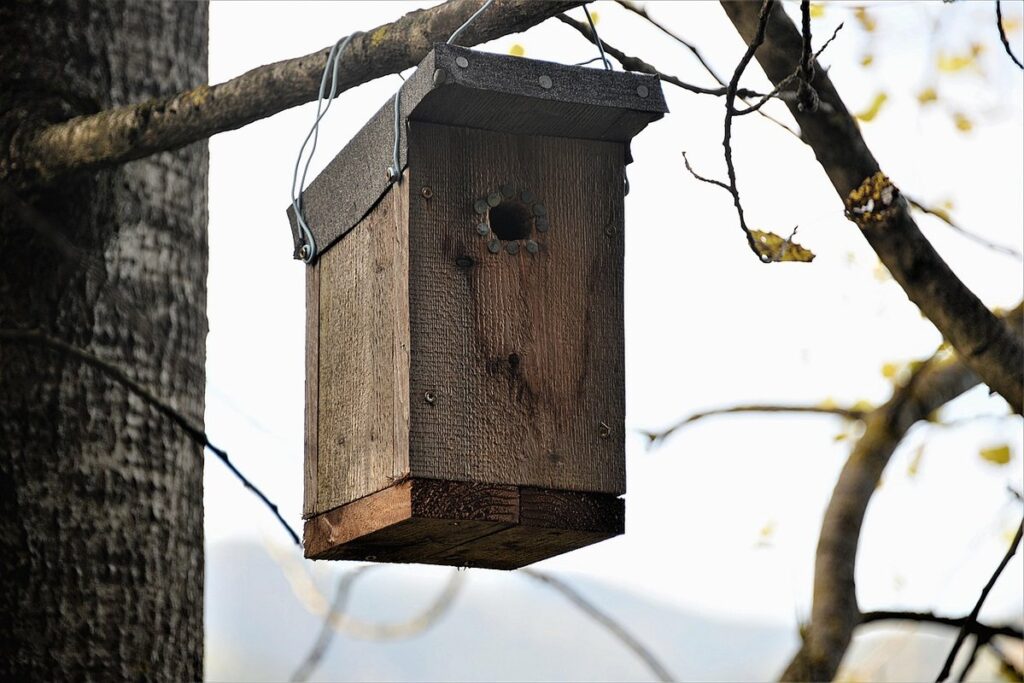
Choosing the Right Location and Design
When it comes to building a nesting box, selecting the perfect location and design is crucial for attracting your desired species of birds. Let’s explore how to create an inviting space that will become their new home.
Considering Bird Species and Habitat Requirements
When it comes to building a nesting box for your backyard birds, it’s essential to consider the specific needs of the bird species that frequent your area. The type of nesting box and its design will vary depending on the size, shape, and behavior of the birds that will be using it.
To research the types of birds in your area, you can start by consulting with local birding groups or wildlife organizations. You can also check online resources such as eBird or Audubon Society’s birding apps to identify the most common species in your region. Once you know what types of birds are visiting your yard, you can tailor your nesting box design to meet their specific needs.
For example, bluebirds and swallows prefer smaller boxes with a diameter of about 6-8 inches, while larger birds like robins and sparrows require boxes that are around 12-14 inches in diameter. Some bird species also have specific nesting material preferences, such as twigs or grasses. By understanding these requirements, you can build a nesting box that will attract the right type of birds to your yard and provide them with a safe and welcoming place to raise their young.
Evaluating Site Conditions and Ensuring Safety
When selecting a location for your nesting box, it’s essential to evaluate site conditions to ensure the safety and well-being of your backyard birds. Start by considering sunlight exposure – most bird species prefer partial shade to full sun protection. A south-facing wall or eave can provide ideal sunlight for warming eggs, but avoid direct sunlight during peak hours (usually between 11 am and 3 pm) to prevent overheating.
Next, think about wind protection. Birds often nest in areas with some shelter from strong winds, which can disrupt egg incubation and chick development. Consider installing the nesting box near a tree or under an overhang to reduce wind exposure.
Predator prevention is also crucial – keep your nesting box at least 10 feet off the ground and 3-4 feet away from any structures that could provide access for predators like cats, raccoons, or squirrels. Also, face the entrance hole north or east to minimize visibility from potential predators. By taking these factors into account, you can create a safe haven for your backyard birds to nest and thrive.
Selecting and Preparing Materials
When it comes to building a nesting box, choosing the right materials is crucial for your backyard birds’ safety and comfort. Let’s take a closer look at selecting and preparing these essential components.
Types of Wood and Lumber Suitable for Nesting Boxes
When it comes to building a nesting box for your backyard birds, selecting the right type of wood is crucial. You’ll want to choose materials that are durable, resistant to rot and insects, and easy on the wallet. Let’s explore some popular options.
Cedarwood is a favorite among birdhouse builders due to its natural resistance to rot and insects. Western red cedar is particularly well-suited for outdoor use, as it can withstand harsh weather conditions. However, it does have a distinctive aroma that may not appeal to everyone, and it can be expensive.
Pine is another popular choice, especially softwoods like eastern white pine. They’re relatively inexpensive and easy to work with, but they do have some drawbacks. Pine is prone to warping and rot if not properly treated or sealed.
Cypress and cedars are also good options, offering excellent durability and resistance to insects and rot. However, they can be more expensive than other types of wood. Consider your budget and the specific needs of your nesting box when making a decision. If you’re on a tight budget, consider using reclaimed or recycled materials – just make sure they’re free from chemicals and treated with safe preservatives.
Measuring and Cutting Materials with Precision
Measuring and cutting materials accurately is crucial to ensure a proper fit for your backyard birds’ nesting box. To get it right, start by double-checking the plans you’ve drawn up or downloaded from online resources. Take precise measurements of each piece required for the project, using calipers or a tape measure to minimize errors.
When cutting materials, use high-quality saw blades designed for the type of wood you’re working with. For example, if you’re using cedar or pine, a fine-toothed blade will help prevent splintering and tear-out. Cut slowly and carefully along a straight edge guide to maintain even cuts. Consider using a miter box or circular saw for more precise cuts.
Aim to cut materials slightly oversized rather than undersized, as it’s easier to trim down excess wood than try to reattach pieces that are too short. This will also help you account for any slight deviations in measurement or cutting accuracy. Keep your workspace organized and clear of clutter to avoid confusion and mistakes during the measuring and cutting process.
Building the Nesting Box Structure
Now that we’ve discussed the basics, let’s dive into building the nesting box structure itself. This is where you’ll learn how to craft the perfect home for your feathered friends.
Assembling the Floor and Back Panels
Now that you have your front and side panels securely attached, it’s time to focus on assembling the floor and back panels. These components are crucial for creating a sturdy and functional nesting box.
Begin by attaching the floor panel to the bottom of the nesting box using 1-2 inches wood screws or nails, depending on the type of material you’re working with. Make sure to pre-drill holes in the corners to avoid splitting the wood. For added stability, consider using hinges to attach the floor panel, allowing for easy access for cleaning and maintenance.
Next, move on to attaching the back panel. This will provide additional support to the nesting box and help maintain its shape. Use 1-2 inches wood screws or nails to secure the back panel to the side panels. Ensure that the edges are flush and the corners are square for a professional finish.
Installing Ventilation and Drainage Features
When building a nesting box for your backyard birds, it’s essential to prioritize ventilation and drainage features. Without proper airflow and moisture control, the nesting box can become a breeding ground for bacteria, mold, and fungi, which can harm the birds’ health.
Ventilation is crucial in maintaining a healthy environment within the nesting box. You can achieve this by incorporating vents or windows on opposite sides of the box. This allows for cross-ventilation, ensuring that stale air exits while fresh air enters. Consider adding a slight angle to the roof to allow rainwater to run off and prevent pooling.
Drainage is also vital in preventing water accumulation within the nesting box. You can install a small drainage hole or groove at the bottom of the box to direct water away from the entrance. This will help keep the interior dry and free from potential hazards.
When installing these features, ensure that they are not too large, as this may attract predators or create an escape route for the birds. Strike a balance between ventilation and drainage while maintaining the nesting box’s integrity.
Adding Roofing and Exterior Finishing Touches
Now it’s time to think about protecting your nesting box from the elements. This next step covers adding a roof and exterior finishing touches for a sturdy and weather-tight home.
Choosing a Suitable Roof Material and Design
When it comes to building a nesting box for your backyard birds, choosing the right roofing material and design is crucial. You’ll want something that will withstand various weather conditions while also providing protection from predators.
For durability and weather resistance, consider using asphalt shingles or corrugated metal roofing. These options are relatively easy to install and require minimal maintenance. However, if you’re looking for a more rustic look, cedar shakes or reclaimed wood can be an attractive choice. Be sure to seal any gaps with a waterproof sealant to prevent water damage.
In terms of design, consider the slope of your roof. A gentle slope will allow snow to slide off easily during winter months, while a steeper slope may provide better protection from heavy rainfall. Also, ensure that the overhang is sufficient to protect the nesting box from direct sunlight and harsh weather conditions.
Some bird species prefer a specific type of roofing material or design, so research your local bird population’s preferences before making a final decision.
Installing Hinges and Mounting Hardware
When it comes to adding roofing and exterior finishing touches to your nesting box, installing hinges and mounting hardware is an essential step. This will allow for easy maintenance and installation of the roof, as well as make it simple to clean out any debris that may accumulate inside.
First, attach the hinges to the back of the roof, making sure they are securely fastened with screws or nails. Then, attach the mounting bracket to the side of the nesting box using screws or nails. This will provide a sturdy base for attaching the roof in place.
Next, add a small handle or latch to secure the roof in place when it’s closed. This can be as simple as a small hook and eye system or a more complex mechanism like a cam lock. Make sure the handle is easy to operate with your hands, as you’ll need to open the roof frequently for maintenance.
It’s also a good idea to attach a small drainage hole near the bottom of the nesting box to prevent water from accumulating inside. This will help keep the box dry and free from any potential health hazards for the birds.
Creating an Attractive and Secure Entrance
Now that you’ve built your nesting box, let’s focus on making it a welcoming entrance for our feathered friends, while also ensuring their security. A well-designed entrance can make all the difference.
Designing the Nesting Box Entrance with Ease of Access
When designing the nesting box entrance, it’s essential to strike a balance between accessibility for birds and security from predators. A well-designed entrance can make all the difference in attracting birds to your nesting box while keeping them safe.
To create an easy-to-access entrance, consider using a shallow tray or ledge just outside the nesting box entrance. This will allow birds to land comfortably without being overwhelmed by a large roof overhang. For example, you can place a small wooden board or plastic plate around 2-3 inches wide and 6-8 inches long just above the entrance hole.
To secure your nesting box from predators like raccoons, snakes, and cats, use hardware cloth or metal mesh to cover the exterior of the box, extending it at least 6 inches below the entrance tray. This will prevent these unwanted visitors from reaching the nest. Additionally, consider using a roof with a slight overhang (around 2-3 inches) above the entrance hole to protect birds from rain and debris.
When choosing materials for your nesting box entrance, opt for durable ones like cedar, pine, or recycled plastic that can withstand outdoor conditions.
Installing Perches or Ledges for Easy Entry
When designing and building your nesting box, incorporating perches or ledges can significantly enhance its appeal to backyard birds. These features allow birds to easily access the entrance of the nesting box without having to hop up onto it directly.
Consider adding a perch made from natural materials like twigs or branches, which can blend seamlessly into the surrounding environment. Positioning the perch about 3-4 inches away from the entrance will provide birds with a comfortable and safe landing spot before entering the nesting box.
Alternatively, installing a ledge or shelf near the entrance can also be beneficial. This feature allows birds to land and survey their surroundings before committing to entering the nesting box. Keep in mind that larger birds may prefer wider perches or ledges for easier access.
For example, if you’re building a nesting box for bluebirds, which are relatively small birds, a narrow perch about 1-2 inches wide would be suitable. However, if you’re designing a nesting box for larger birds like robins, a wider perch with some depth may be more appealing.
Tips for Maintenance, Cleaning, and Monitoring
Regular maintenance is crucial to ensure your nesting box remains safe and welcoming for your feathered friends throughout the breeding season. Let’s explore some essential tips for upkeep!
Regularly Cleaning and Inspecting Your Nesting Box
Regularly cleaning and inspecting your nesting box is crucial to ensure the health and well-being of your backyard birds. It’s recommended to clean the nesting box at least once a year, but more often if you have high bird activity or notice an increase in parasite presence.
To start, gently remove any debris or old nests from the box. Use a soft-bristled brush or a small cup to scoop out the contents, taking care not to damage the nesting material or the bird’s eggs. If the nest is particularly stubborn, you can use a gentle detergent mixed with water to help loosen it.
Inspect the nesting box for any signs of wear and tear, such as cracks or holes in the wood. Also, check for evidence of pests like mice, rats, or snakes that might be using the box as shelter. Clean the entire box thoroughly, paying attention to corners and crevices where dirt and debris tend to accumulate.
Remember to always clean and inspect your nesting box during a time when birds are least likely to use it, such as during harsh weather conditions or when there’s no breeding activity. This will prevent any disruption to their nesting cycle and ensure the health of your backyard birds.
Tracking Bird Activity and Adjusting Your Design
As you install your nesting box and watch it become a cozy home for your backyard birds, it’s essential to monitor their activity and make adjustments as needed. One way to do this is by tracking the bird species using your nesting box and noting when they’re most active. This information will help you determine if any design changes are required.
Consider installing a small camera or peephole near the entrance of the nesting box to observe bird behavior without disturbing them. Alternatively, place a notebook nearby where you can record observations on the types of birds using the box, their frequency, and any specific needs they may have. For instance, if you notice that the birds are having trouble accessing the nesting cavity due to its depth or shape, you may need to adjust the design.
Regularly inspecting the nesting box will also allow you to note any signs of damage, wear, and tear, or maintenance needs. Take note of any issues you encounter and make adjustments accordingly.
Conclusion: Building a Nesting Box with Confidence
Now that you’ve built and installed your nesting box, let’s focus on what to do next: ensuring it’s safe and welcoming for your feathered friends. You’re just steps away from creating a perfect haven for them!
Recap of Key Takeaways and Considerations
Before you finish building your nesting box, let’s recap the key takeaways and considerations to ensure you’ve covered all the essential aspects. A successful nesting box is not just about providing a safe haven for birds; it also requires careful planning and attention to detail.
Remember that location is crucial: place your nesting box in an area that receives partial shade and protection from harsh weather conditions. Consider the type of bird species you want to attract and position the box accordingly – some birds prefer open areas, while others thrive in dense vegetation.
Don’t forget about maintenance: keep the nesting box clean by removing debris and old nests. This will encourage birds to reuse it, reducing the need for frequent replacements. Also, ensure that your nesting box is predator-proofed and securely attached to a tree or fence post.
Lastly, be patient and observe the process – some birds may take time to discover and claim their new home. By following these key considerations, you’ll increase the chances of building a successful nesting box that will provide a safe haven for your backyard birds for years to come.
Encouragement to Share Your Experience and Ask Questions
Now that you’ve successfully built your nesting box, we want to encourage you to share your experience with others. Not only will this help them benefit from your expertise, but it will also foster a sense of community among backyard bird enthusiasts.
If you’re new to building nesting boxes or have just started exploring the idea, don’t hesitate to ask questions and seek advice from more experienced builders. This is an excellent opportunity to learn from others and gain valuable insights that can improve your next project.
Consider joining online forums or social media groups dedicated to backyard wildlife conservation. Share photos of your finished nesting box and describe any challenges you encountered during the building process. You might be surprised at how many people are eager to offer help, share their own experiences, or provide tips on how to make improvements.
By sharing your knowledge and asking questions, you’ll not only contribute to a more informed community but also create a network of like-minded individuals who can support and guide each other in their respective nesting box-building journeys.
Frequently Asked Questions
Can I use reclaimed or recycled materials for building a nesting box?
Yes, reclaimed or recycled materials can be a great option for building a nesting box, as they are environmentally friendly and can add character to your design. Just ensure that the materials you choose are safe for birds and won’t harbor pests or diseases.
How often should I clean and maintain my nesting box to ensure the health of the birds?
Regular maintenance is crucial in keeping your nesting box clean and free from parasites and diseases. Clean the nesting box every 1-2 months, removing any debris, feces, or dead insects. Disinfect the box with a mild detergent solution and rinse thoroughly.
What type of wood is best for building a nesting box that will withstand outdoor weather conditions?
For a durable and long-lasting nesting box, consider using cedar, cypress, or redwood, which are naturally resistant to rot, decay, and insect damage. These types of wood can withstand harsh weather conditions and last for many years.
Can I install multiple nesting boxes in the same location, and how far apart should they be?
Yes, you can install multiple nesting boxes in the same location, but ensure that they are at least 3-5 feet apart to prevent competition among birds. This distance also allows for easy maintenance and cleaning of each box.
How do I secure my nesting box from predators, such as raccoons or snakes?
To protect your nesting box from predators, consider installing a roof overhang or a predator guard around the entrance hole. You can also use hardware cloth or chicken wire to cover the area around the nesting box, making it difficult for predators to reach inside.