
If you’re looking for a sustainable and cost-effective way to raise protein-rich insects, cultivating mealworms is an excellent option. These tiny creatures are not only easy to care for but also offer numerous benefits, making them a popular choice among insect enthusiasts and environmentally conscious individuals. With the right setup and knowledge, you can successfully cultivate mealworms in your own home or even on a larger scale.
In this article, we’ll guide you through the process of cultivating mealworms, covering their life cycle, breeding colony setup, and more. You’ll learn how to create an ideal environment for these insects to thrive, including the importance of temperature control, humidity levels, and diet. By the end of this comprehensive guide, you’ll be equipped with the knowledge needed to start your own mealworm cultivation journey, providing a reliable source of protein for yourself or others.
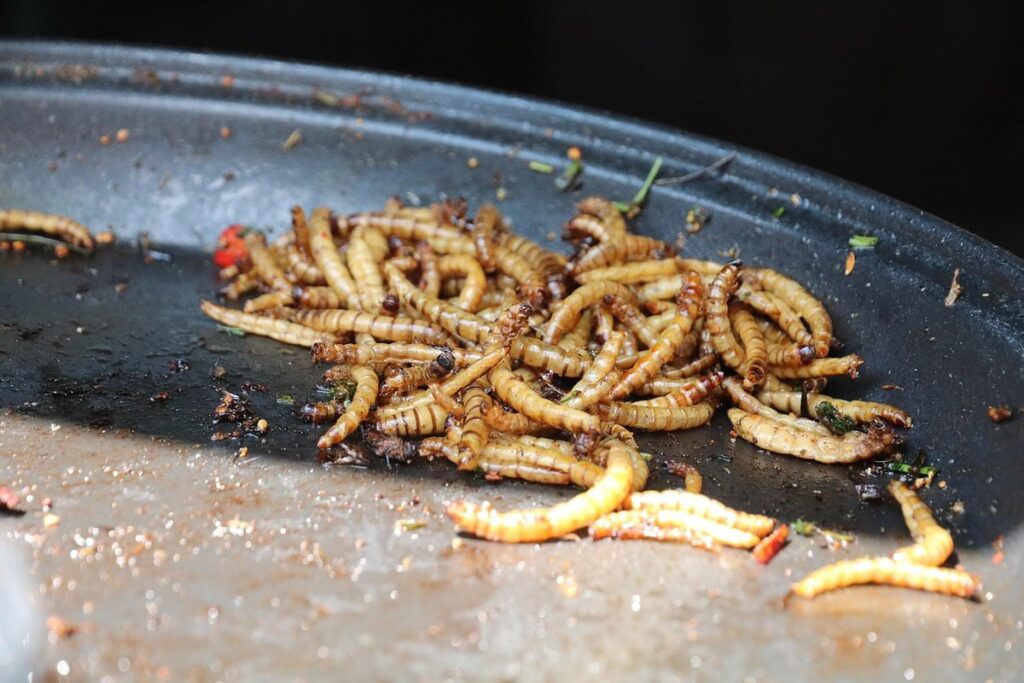
Understanding Mealworm Life Cycle and Requirements
To successfully cultivate mealworms, it’s essential to grasp their unique life cycle and requirements, which will help you create a thriving environment for your insects.
Life Stages of Mealworms
As you begin cultivating mealworms, it’s essential to understand their life stages and requirements for optimal growth. Mealworm development starts with eggs, which are typically white, elongated, and around 6-8 mm long. Female mealworm beetles lay these eggs in a protected area, such as under debris or in a hidden crevice.
After about 2-3 weeks, the eggs hatch into larvae, also known as mealworms. At this stage, they are yellowish-white, 1-2 cm long, and have a distinctive head and three pairs of legs. Mealworms are voracious eaters, feeding on decaying plant matter, grains, or commercial mealworm food. They molt several times during their growth period, shedding their skin as they outgrow it.
As mealworms grow, the optimal temperature range is between 22-28°C (72-82°F), with a humidity level of around 50-70%. Lighting should be provided, but avoid direct sunlight, which can cause overheating. After about 2-3 months, the mealworms will reach maturity and pupate. This stage usually lasts around 10-14 days, after which adult beetles emerge, continuing the cycle by laying eggs. Understanding these life stages will help you provide the best conditions for your mealworms to thrive.
Essential Nutrients for Mealworm Growth
To ensure healthy growth and development, mealworms require a balanced diet rich in essential nutrients. These insects are opportunistic feeders, which means they will eat whatever is available to them, but providing the right mix of nutrients is crucial for optimal health.
The ideal diet for mealworms should include high-quality protein sources such as oats, wheat bran, and cornmeal, as well as fiber-rich foods like alfalfa meal and vegetables. Fruits like apples and bananas can also be added in moderation. However, it’s essential to avoid providing them with high-starch foods like potatoes or bread, as these can cause digestive problems.
A good rule of thumb is to provide a mix of 70% grains and legumes, 20% fiber-rich foods, and 10% fruits. You can also supplement their diet with calcium and vitamin D3 powders to ensure they’re getting the necessary minerals for strong bone growth.
For example, you can create a mealworm feed by mixing together oats, wheat bran, and cornmeal in a ratio of 2:1:1. Add some dried fruit like apples or bananas to provide a sweet treat.
Setting Up a Mealworm Breeding Colony
To successfully breed mealworms, you’ll need to set up a colony with the right environment and equipment, which we’ll cover in detail here. Let’s dive into the specifics of creating a thriving breeding space.
Choosing the Right Containers and Equipment
When it comes to setting up a mealworm breeding colony, having the right equipment is crucial for success. Let’s start with the containers themselves. You’ll need a secure, well-ventilated enclosure that can maintain optimal humidity levels. Plastic tubs or bins with mesh lids work perfectly, allowing for airflow while keeping pests out.
You’ll also need feeding trays to make meal distribution easy and mess-free. These can be purchased separately or made at home using PVC pipes and mesh. Make sure the tray is large enough to accommodate the number of worms you plan to breed, but not so big that it becomes unwieldy.
A ventilation system is also essential for maintaining a healthy colony. You can purchase a commercial ventilation kit or create your own using a fan and some tubing. Aim for at least one square foot of ventilation per 1000 mealworms to prevent moisture buildup.
When setting up your breeding colony, remember that optimal airflow and humidity levels are key. Ensure your containers have enough space between them for air to circulate, and keep the colony away from direct sunlight or drafts. By investing in the right equipment and following these guidelines, you’ll be well on your way to establishing a thriving mealworm breeding colony.
Maintaining Optimal Temperature and Humidity Levels
Maintaining optimal temperature and humidity levels is crucial for simulating the natural environment of mealworms. In their native habitats, mealworms thrive in warm temperatures between 70°F to 80°F (21°C to 27°C) with a relative humidity of 60% to 70%. To replicate this environment within your breeding colony, you’ll need to invest in a reliable temperature and humidity control system.
A good quality humidifier can help maintain the ideal humidity levels. You can also use water spray bottles to mist the enclosure regularly, but be cautious not to over-saturate the substrate, which can lead to mold growth and negatively impact the mealworms’ health. Similarly, a heat source or thermometer can help regulate temperature fluctuations within the colony.
It’s essential to monitor these levels daily to ensure they remain within the optimal range. A simple hygrometer will allow you to track humidity levels accurately, while a digital thermometer will provide precise temperature readings. By maintaining these conditions, you’ll create an environment that closely mimics mealworms’ natural habitats, promoting healthy growth and development in your breeding colony.
Rearing Mealworms for Food
To successfully rear mealworms, you’ll need a suitable environment and proper care to ensure their health and maximum yield. This involves providing optimal housing and nutrition.
Nutrition and Feeding Strategies
When it comes to rearing mealworms for human consumption, providing optimal nutrition is crucial. A balanced diet will not only ensure the health of your worms but also impact the nutritional value of their larvae.
A diverse range of foods can be used as mealworm feed, including commercial insect feed, vegetables like carrots and potatoes, fruits such as apples and bananas, grains like oats and wheat bran, and even dairy products. It’s essential to provide a varied diet that includes a mix of nutrient-rich foods to cater to the worms’ changing nutritional needs throughout their life cycle.
Aim for a feeding schedule that provides around 10-20% of the mealworms’ body weight in food daily, adjusting as needed based on factors such as temperature and humidity. A key aspect is ensuring access to calcium sources like crushed eggshells or cuttlebone to prevent metabolic bone disease.
When feeding your worms, it’s also important to consider nutrient content: high-protein foods (20-25%) will promote rapid growth, while higher fiber options (10-15%) support digestive health. To maximize nutritional value, incorporate fermented foods like apple cider vinegar-soaked carrots into their diet.
Harvesting and Processing Mealworms for Food Use
When it’s time to harvest your mealworms for food use, it’s essential to do so with care and attention to detail. Harvesting typically occurs when the mealworms are about 10-15 days old, as they’re more palatable at this stage and have a better flavor profile.
To begin, gently remove any uneaten food or debris from the rearing container using a soft-bristled brush or a spoon. Next, carefully transfer the mealworms to a separate container for processing, making sure not to damage them in the process.
When handling mealworms for human consumption, it’s crucial to maintain proper hygiene and storage techniques. Always wash your hands thoroughly before handling the mealworms, and ensure any equipment used is sanitized. Store the harvested mealworms in an airtight container with a paper towel or cloth to absorb excess moisture.
It’s also important to note that mealworms can be frozen for up to 6 months if stored properly in a sealed container or freezer bag. This method helps preserve their quality and flavor, making them ready to use whenever you need them.
Managing Pests and Diseases in Mealworm Colonies
When cultivating mealworms, it’s essential to be aware of potential pests and diseases that can affect your colony, causing damage and even decimating your population. We’ll explore strategies for managing these issues effectively.
Identifying Common Pests and Diseases
When cultivating mealworm colonies, it’s essential to be aware of common pests and diseases that can compromise their health and productivity. One of the most common pests is the fungus gnat, which lays eggs on the surface of the substrate. As the larvae hatch, they feed on the eggs and young worms, causing significant damage.
Another pest that can affect mealworm colonies is the springtail, a tiny insect that feeds on mold and fungi but can also consume the mealworms themselves. To identify an infestation, look for small holes in the substrate or see-through specks of mucus on the surface.
Some common diseases include Aspergillus, a fungus that thrives in moist environments and causes off-coloration in the worms, and Serratia, a bacteria that can cause yellowish discoloration. Regular monitoring of the colony’s temperature, humidity, and cleanliness is key to preventing infestations and outbreaks.
Preventative Measures for Healthy Colonies
Maintaining a healthy mealworm colony is crucial for optimal growth and high-quality insects. To prevent the spread of pests and diseases, establish a regular sanitation routine that includes cleaning the enclosure at least once a week. This involves removing dead insects, old food, and waste, and disinfecting all surfaces with a gentle insect-safe solution.
Monitoring your colony’s health is another essential preventative measure. Check for signs of disease or pest infestation daily, such as unusual odors, mold growth, or the presence of pests like mites or beetles. Early intervention can make a significant difference in preventing the spread of issues.
To detect potential problems early on, maintain detailed records of your colony’s health and any issues that arise. This will enable you to track patterns and respond promptly to emerging concerns. Regularly inspecting new insects for signs of stress or disease also helps prevent the introduction of pathogens into your colony.
Breeding for Desired Traits
To cultivate mealworms with desired characteristics, you’ll want to learn how to breed them intentionally, focusing on traits such as size, color, and temperament.
Selective Breeding for Desired Characteristics
Selective breeding is a crucial aspect of cultivating mealworms with desired traits. The goal is to identify individuals that exhibit the characteristics you want to pass on to future generations, such as increased size, faster growth rate, or improved egg-laying ability. To do this, you need to establish a breeding program that involves selecting and mating individuals based on their desirable traits.
When selecting individuals for breeding, look for those with the most desirable characteristics, such as larger body size, darker coloration, or more prominent spines. Keep detailed records of each individual’s traits, including notes on its parents, growth rate, and overall health. This will help you identify patterns and make informed decisions about which individuals to breed.
Some benefits of selective breeding include improved yields, increased efficiency, and reduced costs associated with feeding and housing mealworms. However, there are limitations to consider as well. Over-breeding can lead to inbreeding depression, reducing the overall health and vigor of your population. Additionally, selecting for specific traits may come at the cost of other desirable characteristics.
To avoid these issues, it’s essential to maintain a diverse gene pool by regularly introducing new individuals from outside sources or through controlled breeding programs. By doing so, you can ensure that your mealworm population remains healthy and resilient while still achieving your desired goals.
Genetic Considerations for Sustainable Mealworm Cultivation
Genetic diversity is crucial for sustainable mealworm cultivation. When breeding for desired traits, it’s easy to focus on selecting for specific characteristics, but neglecting the genetic consequences can lead to problems down the line. Inbreeding depression, a result of repeated inbreeding, can reduce fertility and increase susceptibility to disease.
To avoid this, incorporate genetic diversity into your breeding program by introducing new bloodlines or using open-pollination methods. This will help maintain the health and vigor of your mealworm population.
Another important consideration is conservation strategies. Mealworms are an attractive option for sustainable protein production, but as their popularity grows, there’s a risk of over-breeding and genetic degradation. To mitigate this, consider implementing rotational breeding programs or using cryopreservation to store genetic material.
These strategies will help ensure the long-term sustainability of your mealworm population while maintaining desired traits. By prioritizing genetic diversity and conservation, you can build a resilient and productive mealworm operation that meets the needs of both farmers and consumers.
Troubleshooting Common Issues in Mealworm Cultivation
You’ve successfully set up your mealworm farm, but are encountering problems? This section will help you troubleshoot common issues and get back on track.
Addressing Common Problems in Breeding Colonies
When issues arise in mealworm breeding colonies, it’s essential to address them promptly to prevent further complications. One common problem is low reproduction rates, which can be caused by inadequate nutrition, poor ventilation, or insufficient humidity. To resolve this issue, ensure that the colony receives a balanced diet and maintain a clean environment with proper airflow.
Disease outbreaks are another concern in breeding colonies, often caused by bacterial or fungal infections. Regularly inspect the colony for signs of illness, such as discoloration or unusual behavior. If an outbreak occurs, quarantine affected individuals and treat the entire colony with a veterinary-approved medication.
Pest infestations can also devastate mealworm colonies, with species like mites and springtails being common culprits. Monitor the colony regularly and take swift action if pests are detected. Implement integrated pest management techniques, such as introducing beneficial insects or using targeted pesticides, to control infestations effectively.
Optimizing Conditions for Healthy Mealworm Growth and Development
To ensure healthy growth and development of mealworms, it’s essential to create an optimal environment. Mealworms thrive between 20-30°C (68-86°F), but temperatures above 32°C (90°F) can be detrimental. Maintain a consistent temperature by keeping the enclosure away from direct sunlight or heat sources.
Humidity levels should range from 50-70% to prevent dehydration and promote healthy molting. You can increase humidity by misting the enclosure with water daily, but ensure the substrate isn’t too wet, as this can lead to mold growth.
Proper lighting is also crucial for mealworm growth. A photoperiod of 12 hours of light and 12 hours of darkness is ideal. Avoid direct sunlight, which can cause temperature fluctuations.
A nutrient-rich diet consisting of high-fiber foods like oats, wheat bran, or vegetables will promote healthy growth. Supplement their diet with fruits or vegetables to provide essential vitamins and minerals. Providing a shallow water dish will help keep the mealworms hydrated.
Conclusion
In conclusion, cultivating mealworms is a relatively simple process that requires some basic knowledge of their needs and habits. By following the steps outlined in this guide, you should be able to successfully raise a batch of healthy mealworms. Remember to maintain proper ventilation, provide adequate food and water, and keep your colony clean to prevent disease and pests from taking hold. With regular monitoring and attention, you can expect your mealworm population to thrive and multiply rapidly. Don’t be discouraged if things don’t go exactly as planned – it’s all part of the learning process, and with experience, you’ll become more confident in your ability to care for these fascinating insects.
Frequently Asked Questions
How often should I clean the breeding colony to prevent disease and pests?
Regular cleaning of the breeding colony is crucial for maintaining a healthy environment for mealworms. It’s recommended to clean the colony every 1-2 weeks by removing soiled substrate, disinfecting surfaces with a solution of water and vinegar (1:10 ratio), and replacing any wet or damaged materials. This will help prevent the buildup of bacteria, fungi, and pests that can harm your mealworms.
Can I raise mealworms in a small space, such as an apartment?
Yes, it’s possible to raise mealworms in a small space like an apartment, but you’ll need to consider factors like temperature control and humidity levels. To do this successfully, choose the right equipment, such as compact incubators or humidifiers, and maintain precise temperature (around 25-30°C) and humidity (50-60%) conditions.
How can I ensure my mealworms are getting enough nutrients?
A balanced diet is essential for optimal mealworm growth. Ensure your insects receive a mix of high-quality grains like oats, barley, or wheat bran, supplemented with fresh fruits and vegetables (e.g., carrots, apples) that provide essential micronutrients. Also, consider adding commercial insect feed as a supplement to support their nutritional needs.
What are some common mistakes people make when breeding mealworms for the first time?
Common mistakes include inadequate temperature control, insufficient humidity levels, and neglecting regular cleaning of the colony. Another mistake is overfeeding or underfeeding your mealworms, which can lead to health issues. Start with a small-scale operation, observe your insects closely, and adjust your setup as needed.
Can I sell my excess mealworms for food use, and how do I get started?
Yes, you can sell your excess mealworms as a sustainable protein source for human consumption. To get started, research local regulations regarding insect-based food sales in your area. Next, establish partnerships with local restaurants, breweries, or consumers interested in entomophagy (insect-eating). Develop clear labeling and packaging, ensure proper handling and storage procedures, and maintain transparency about the origin and quality of your mealworms.