
When you bring home a new Silkie chicken, one of the first questions that likely pops into your mind is: how can I tell if it’s a boy or girl? Determining the sex of your Silkie is crucial for healthy breeding practices and ensuring that you’re not unintentionally creating an imbalance in your flock. But did you know that identifying male from female Silkies isn’t as difficult as you might think? With the right knowledge, you can confidently determine the sex of your Silkie using physical characteristics, visual identification methods, and even genetic testing. In this comprehensive guide, we’ll walk you through everything you need to know to identify males from females in no time – so let’s get started on learning how to determine the sex of your Silkies with confidence!
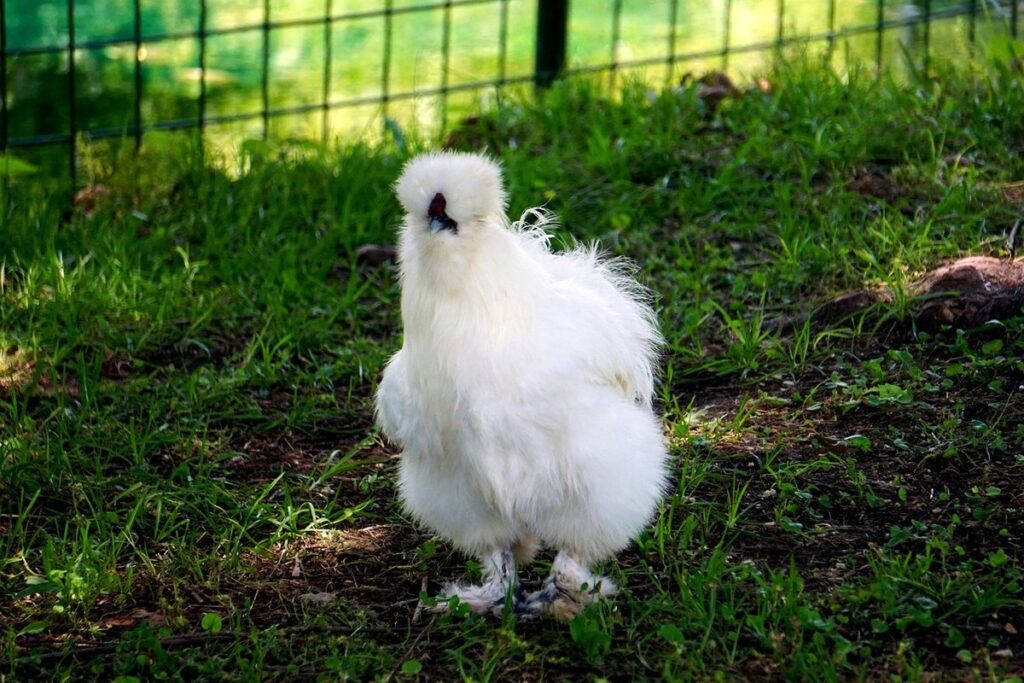
Understanding Silkie Anatomy and Characteristics
To accurately determine sex, it’s essential to understand silkie anatomy, including physical characteristics that differ between males and females. Let’s dive into the key features to look out for.
Unique Features of Silkies
Silkies are known for their endearing and unique physical characteristics, which can be particularly useful when determining sex. Their fluffy plumage is one of the most distinctive features, with adults sporting a thick undercoat and longer guard hairs that give them a puffed-up appearance. When it comes to sexing Silkies, their beards play a crucial role. Males typically have larger, more robust beards compared to females, which can make this characteristic an indicator of masculinity.
Another key factor in determining the sex of a Silkie is size. On average, males tend to grow larger than females, with some breeders reporting up to 2 pounds of weight difference between the sexes. However, it’s essential to note that size alone should not be relied upon when making a determination. Experience and familiarity with individual birds are also crucial.
As you develop your skills in sexing Silkies, pay close attention to these unique features. Keep in mind that some females may exhibit more masculine characteristics than others, while males can display a greater range of sizes. By combining knowledge of these traits and being attentive to individual differences, you’ll become increasingly proficient in determining the sex of your Silkie flock.
Sex-Linked Traits in Silkies
Sex-linked traits are an essential aspect of determining sex in Silkie chickens. One notable characteristic is comb shape and size, where males tend to have larger combs than females. This can be attributed to the influence of testosterone during embryonic development. However, not all male Silkies will display excessively large combs; some may only exhibit slightly larger or more prominent combs compared to their female counterparts.
Another difference lies in wattle length. Males typically have longer wattles than females. While this trait is not always consistent across the board, it can be a useful indicator when combined with other sex-linked characteristics.
Feather quality and quantity also differ between male and female Silkies. Males tend to display more prominent, flowing feathers, whereas females may have shorter or less vibrant plumage. When examining a young Silkie, look for these subtle distinctions – they can provide valuable insight into the bird’s sex.
Visual Identification Methods
When it comes to determining the sex of your silkie chicks, there are several visual identification methods you can use to identify males from females. Let’s explore these techniques together.
Examining the Vent Area
When inspecting the vent area of a silkie chicken, it’s essential to look for signs that can indicate its sex. One of the most noticeable differences is the presence or absence of a spur, which is a sharp, pointed projection on the back of the leg. Males typically develop spurs as they mature, whereas females do not.
To examine the vent area, gently lift up the feathers and look for any signs of sex characteristics. If you notice a small bump or swelling near the vent, it could be an indication that the chicken is a male. However, this is not always a reliable indicator, so it’s crucial to inspect other areas as well.
Look for the presence of testes in males, which are usually visible through the skin near the vent. On the other hand, females will have a more rounded shape and no visible testes. Keep in mind that sexing silkie chickens can be challenging due to their unique genetics, so it’s not uncommon for some individuals to exhibit ambiguous characteristics.
Observing Comb and Wattle Shape
When observing Silkies, it’s essential to examine the shape and size of their comb and wattle to determine sex. In males, the comb and wattle tend to be larger and more prominent, while females often have smaller ones. This is because testosterone influences the development of these features in male chickens.
A good rule of thumb is to look for a “V” or “U” shape at the base of the wattle. In males, this shape is typically deeper and more pronounced. Females usually have a shallower, more rounded shape. Be aware that some females can develop larger combs due to genetics or certain health conditions.
To accurately assess the comb and wattle size, compare them to those of other Silkies in your flock. This will help you establish a baseline for what’s typical in males versus females. Remember, experience is key when developing this skill, so observe multiple birds over time to improve your accuracy.
Looking for Secondary Sex Characteristics
When inspecting Silkies for secondary sex characteristics, keep an eye out for differences in feather quality and growth patterns. Males typically have a more robust, compact body with well-defined muscles, whereas females tend to be slightly slender.
One way to differentiate between the sexes is by examining the plumage’s overall appearance and texture. Roosters often develop larger, thicker feathers around the neck, shoulders, and back, which can give them a more impressive, showy appearance. In contrast, hens may have smaller, more delicate feathers that don’t grow as long or as densely.
Another visual cue is the growth pattern of feathers on the Silkies’ heads. Roosters tend to develop larger, more defined crests and mustaches, while hens often have shorter, less pronounced facial feathers. Keep in mind that these characteristics can be subtle, so it’s essential to observe your birds regularly and get a sense of their individual growth patterns.
Remember, no single trait is foolproof for determining sex in Silkies. However, by combining visual cues with other identification methods, you’ll increase the chances of accurately determining your bird’s sex.
Behavior and Temperament Differences
As you continue to get to know your Silkie flock, understanding their behavior and temperament differences can be a fun and crucial part of determining sex. Let’s explore these subtle clues together!
Males vs. Females: Behavioral Traits
When it comes to determining the sex of Silkies, understanding their behavioral traits can be a valuable clue. While individual personalities play a significant role, research suggests that males and females exhibit distinct behavioral differences.
Males tend to be more aggressive, especially when they reach maturity. They may engage in dominant behaviors such as crowing loudly, strutting around the coop, or even attacking other birds. On the other hand, females are generally less aggressive and often seem more docile. However, it’s essential to note that some female Silkies can exhibit assertive behavior, especially if they’re not well-socialized.
Social interaction is another key area where males and females differ. Males tend to be more outgoing and may initiate interactions with other birds or even humans. Females, while still social, often seem more reserved and content with their own company. Observe your Silkies’ behavior during feeding times, when they interact with each other, or when introduced to new environments.
Keep in mind that these are general tendencies and not all males will exhibit aggression, nor will all females be docile. Regular observation of your birds’ behavior can help you understand their individual personalities and potentially aid in sex determination.
Impact of Hormones on Behavior
When it comes to determining the sex of Silkies, understanding the impact of hormones on behavior is crucial. During mating season, Silkies undergo significant hormonal changes that can be quite noticeable. As testosterone levels rise in males, they tend to become more aggressive and dominant. You may observe them engaging in loud crowing, strutting their stuff, and even displaying territorial behavior.
On the other hand, females are less likely to exhibit these traits, but you might notice subtle differences such as a softer clucking sound or increased interest in nesting boxes. Keep in mind that individual personalities can vary greatly, so it’s essential to consider multiple factors when making your determination.
To take a closer look at your Silkie’s behavior during mating season, try observing their interactions with other birds. A dominant male will often assert his authority by chasing off other chickens or engaging in loud squawking matches. Females tend to be more reserved and less confrontational. By paying attention to these subtle cues, you can gain valuable insights into your Silkie’s sex and behavior.
Genetic Testing for Sex Determination
Genetic testing is a reliable and non-invasive method for determining sex in silkie chickens, but how does it work? We’ll break down the process to help you identify whether your silkie is male or female.
Overview of Genetic Sexing Methods
Genetic testing methods have revolutionized the process of determining sex in Silkies. With high accuracy rates, these tests can help breeders identify their birds’ sex with ease. One popular method is microsatellite DNA typing, which involves analyzing specific genetic markers that differ between males and females.
This method has been shown to be highly accurate, with some studies reporting an error rate of less than 1%. Another approach is PCR (Polymerase Chain Reaction), which can amplify specific DNA sequences to identify the sex chromosome. These tests typically require a small tissue sample from the bird’s wing or tail feather.
Both microsatellite DNA typing and PCR have been used successfully in several studies on Silkies, with results showing that they can accurately determine sex at an early age. For example, one study found that 96% of male embryos could be identified as such using microsatellite DNA typing by day 14 of incubation.
These genetic testing methods offer a reliable and efficient way to determine the sex of your Silkies, saving you time and resources in the long run.
DNA Sexing Kits and Their Accuracy
If you’re considering using an at-home DNA sexing kit to determine the sex of your silkie chickens, it’s essential to understand their limitations. These kits can provide a reliable result when done correctly, but they may not always yield accurate results.
The process typically involves collecting a feather or blood sample from the chicken and sending it to a laboratory for analysis. The lab will then compare the DNA to known sex-linked markers to determine the bird’s sex. While this method is convenient, it can be prone to errors if the sampling procedure isn’t done correctly.
For silkie chickens in particular, the accuracy of at-home DNA sexing kits may be lower due to their unique genetic makeup. Silkies often have a higher degree of variability in their sex-linked markers, making it more challenging for these kits to provide an accurate result.
To use an at-home DNA sexing kit successfully, ensure you follow the manufacturer’s instructions carefully and take extra precautions when collecting the sample. Keep in mind that while these kits can be a useful tool, they may not always produce reliable results. Consult with a veterinarian or poultry expert for guidance if you’re unsure about the accuracy of your results.
Environmental Factors Affecting Sex Determination
When determining sex in Silkie chickens, environmental factors can play a significant role in influencing the development of secondary sexual characteristics. Let’s explore how these factors impact sex determination.
Role of Nutrition on Sex Development
Nutrition plays a significant role in sex development in chicks, and its impact can be observed later in life. Research has shown that dietary imbalances can affect the production of sex hormones, leading to variations in sex determination. For instance, inadequate protein intake during the critical period of embryonic development can lead to an increased incidence of intersex chickens.
Moreover, nutrition can influence the balance of estrogen and testosterone levels in chicks, which are crucial for normal sex development. A study on Silkie chickens found that those fed with a diet rich in omega-3 fatty acids exhibited improved reproductive health and a higher fertility rate compared to those fed with a standard diet.
As a breeder, you can promote healthy sex development by providing a balanced diet that meets the nutritional requirements of your chicks. This includes ensuring adequate protein intake during embryonic development and maintaining a balanced ratio of estrogen and testosterone levels throughout growth and reproduction stages. By doing so, you can minimize the risk of intersex chickens and improve overall reproductive health in your flock.
Impact of Health Issues on Sex Characteristics
When it comes to silkie chickens, certain health issues can indeed impact the development of their secondary sex characteristics. For instance, some chicks may develop feminization disorders, a condition where they display male characteristics despite being genetically female. This can be due to various factors such as high temperatures during incubation or improper nutrition.
Another common issue is hypothyroidism, a condition that affects the thyroid gland and can lead to weight gain, feather loss, and reproductive problems in both males and females. If left untreated, hypothyroidism can cause an imbalance of sex hormones, resulting in ambiguous or incorrect sex characteristics.
It’s essential for breeders and owners to monitor their silkie flock regularly for any signs of health issues that may affect sex determination. By doing so, they can take corrective measures and ensure that their birds develop normally. For example, supplementing with thyroid support or adjusting incubation temperatures can help prevent feminization disorders in some cases. Regular veterinary check-ups and proper nutrition will also aid in identifying potential issues early on.
Tips for Breeders and Owners
If you’re a breeder or owner trying to determine the sex of your Silkie chickens, these tips will help ensure accuracy and make decision-making easier. We’ll walk through key signs and characteristics to look out for.
Best Practices for Raising Chicks
Raising Silkies from day one is crucial to determine their sex accurately. A well-nourished and healthy chick will make it easier for you to identify its sex characteristics later on. When it comes to nutrition, ensure that the starter feed contains 20% protein to support rapid growth. Provide access to fresh water at all times and a balanced diet rich in vitamins and minerals.
Environmental considerations play a vital role as well. Silkies require adequate ventilation to prevent respiratory issues. Keep their coop clean by removing waste regularly and providing enough space for them to move around comfortably. A temperature-controlled environment is also essential; Silkies can tolerate temperatures between 60-80°F (15-27°C) but may get stressed in extreme temperatures.
During the first few weeks, it’s crucial to handle your chicks gently to avoid stressing them out. You’ll be handling and sexing your birds later on, so make sure they’re comfortable with human interaction from an early age. By following these best practices, you’ll set your Silkies up for a healthy and happy life, making the process of determining their sex much easier.
Importance of Record-Keeping for Breeders
Maintaining accurate records is crucial for breeders to track their methods and results when determining sex in Silkie chickens. By keeping detailed records, you’ll be able to refine your techniques over time and make more informed decisions about breeding programs.
When it comes to genetic testing, records should include the test method used (e.g., DNA sexing or feathered wattle inspection), the date of testing, and the results obtained. You can also note any challenges or difficulties encountered during the testing process. This information will help you identify patterns and areas for improvement in your breeding program.
For example, if you’ve noticed that a particular genetic test is yielding inconsistent results, you may want to revisit your testing protocol or seek guidance from an expert. Similarly, by tracking the sex determination methods used for each bird, you’ll be able to compare the effectiveness of different techniques and make adjustments accordingly.
Frequently Asked Questions
Can I use visual identification methods to sex my Silkie at any age, or are there specific developmental stages to consider?
When using visual identification methods, it’s essential to consider the developmental stage of your Silkie. Young Silkies under 18-20 weeks may not exhibit distinct secondary sex characteristics, making visual identification challenging. Wait until they reach physical maturity, around 6 months, for more accurate results.
How can I ensure the accuracy of genetic testing for sex determination in my Silkie flock?
For accurate genetic testing, choose reputable laboratories that use DNA-based methods specifically designed for chicken sexing. Follow proper sampling and handling procedures to prevent contamination or damage to the DNA sample. Consult with experienced breeders or veterinarians for guidance on selecting the right laboratory and techniques.
Are there any environmental factors that can affect sex determination in my Silkie flock?
Yes, nutrition, climate, and health issues can impact sex development in your flock. Ensure a balanced diet, provide adequate shelter and living conditions, and monitor your birds’ health to minimize external influences on sex characteristics. Consult with experts or conduct thorough research on the specific needs of your Silkie breed.
Can I use DNA sexing kits for small-scale breeding operations, or are they more suitable for commercial producers?
Yes, DNA sexing kits can be used by small-scale breeders for accurate sex determination. These kits provide a cost-effective and efficient solution for identifying male from female Silkies. However, ensure you follow the manufacturer’s instructions carefully and store samples properly to maintain accuracy.
What are some common mistakes breeders make when determining sex in their Silkie flock, and how can I avoid them?
Common mistakes include misidentifying secondary sex characteristics or relying too heavily on visual inspection alone. To avoid these errors, develop a comprehensive understanding of Silkie anatomy and characteristics, use multiple identification methods (visual, genetic), and maintain accurate records for future reference. Consult with experienced breeders to refine your techniques and gain confidence in sex determination.