
As a bird enthusiast, have you ever found yourself wondering whether that majestic waterfowl you spotted is a drake or just a regular duck? The distinction between these two male waterbird species can be quite puzzling, even for seasoned birdwatchers. But fear not, because with the right guidance, anyone can learn to tell them apart.
This comprehensive guide will walk you through the key physical characteristics that set drakes and ducks apart, including their distinctive plumage, beak shape, and size. We’ll also explore their habitats, behaviors, and unique vocalizations, giving you a holistic understanding of these amazing creatures. By the end of this article, you’ll be confidently identifying drakes from ducks in no time, whether you’re a beginner or an experienced birder looking to brush up on your skills.
Understanding the Basics
Before we dive into the more advanced characteristics of drakes and ducks, let’s cover the essential traits that distinguish these birds from one another. Here are the basic differences to keep in mind when identifying a drake or duck.
Key Characteristics of Drake and Duck
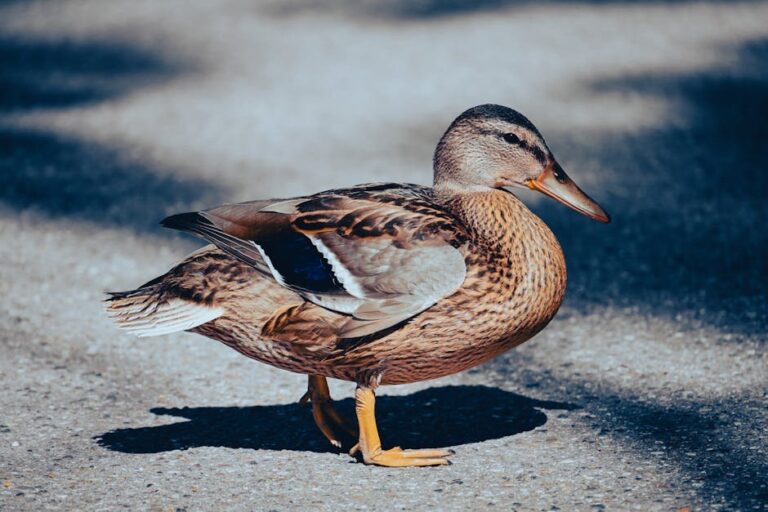
When it comes to identifying drakes versus ducks, several key characteristics can help you make a distinction. One of the most noticeable differences is plumage patterns. Drakes typically have more vibrant and iridescent feathers, particularly on their heads, necks, and breasts. In contrast, ducks tend to have duller, more subdued colors.
Another distinguishing feature is beak shape and size. Drakes often possess a thicker, more robust beak, while ducks have a smaller, thinner one. This difference can be quite noticeable, especially when observing the birds’ eating habits – drakes are known to forage for seeds, grains, and aquatic plants with their robust beaks, whereas ducks use their smaller beaks to filter water and feed on small invertebrates.
In terms of body size, drakes generally appear larger and more muscular than ducks. This is due to the fact that drakes tend to dominate the social hierarchy within a given flock, leading to increased access to food resources and mating opportunities. However, it’s essential to keep in mind that individual variations can occur, so it’s always a good idea to observe multiple characteristics before making an identification.
Habitat and Distribution
When it comes to identifying drakes and ducks, understanding their habitat and distribution is crucial. Drakes and ducks can be found in various parts of the world, depending on the species and time of year.
In North America, for example, wood ducks are common in eastern forests, while mallards can be found in wetlands and parks across the continent. In contrast, Pekin ducks are often raised on farms and can be seen in urban areas. The same goes for drakes – certain species like the green-winged teal have distinctive migratory patterns that vary depending on their breeding grounds.
When observing drakes or ducks in the wild, it’s essential to note their habitat, as this can give you clues about their identity. Look for signs of wetlands, such as ponds, lakes, or marshes, where waterfowl tend to congregate. Consider the time of year and how it might affect their behavior – during migration periods, birds may be more concentrated in specific areas.
Keep an eye out for other characteristics that can help you identify drakes and ducks, like their size, plumage patterns, and beak shapes. By combining these factors with knowledge of their habitats and migratory patterns, you’ll become a pro at telling drakes from ducks in no time.
Physical Identification Features
To spot a drake in the wild, look for distinct physical features such as a brightly colored bill and throat feathers. These characteristics help set males apart from female ducks.
Wing Shape and Size
When it comes to distinguishing between drakes and ducks, paying attention to their wing shape, size, and feathering is crucial. Drakes generally have more robust wings compared to ducks, which are typically longer but leaner. Notably, drakes tend to have a slightly curved wing tip, whereas ducks have a straighter or even slightly angular wing tip.
Observe the primary flight feathers on both species: drakes’ feathers are usually a deeper shade of brown or black with a more defined pattern, whereas ducks often exhibit lighter-colored feathers with less distinct markings. In contrast, the leading edge (the front surface) of a drake’s wing may show an extra band of lighter coloration that is usually absent in ducks.
As you inspect their wings, also take note of the size difference: on average, a drake’s wingspan will be slightly larger than a duck’s. However, it’s essential to remember that these differences can become less pronounced as both species mature, so experience and observation are vital for accurate identification.
Tail Feathers and Length
When it comes to distinguishing between drakes and ducks, the tail feathers are an often-overlooked yet crucial feature. A closer look at their length, shape, and coloration can help you make a more accurate identification.
In general, drakes tend to have longer tail feathers than ducks, which is a good starting point for your observation. However, this is not a hard-and-fast rule, as some duck species may also display long tails. A more reliable indicator is the shape of the tail feathers themselves. Drakes typically have a fan-shaped or rounded tail with smooth edges, whereas ducks tend to have shorter, more rigid tails with squared-off ends.
Pay attention to the coloration of the tail feathers as well – drakes often exhibit vibrant colors and intricate patterns, while ducks usually have duller, more subdued plumage. Take note that some duck species may display iridescent sheens or subtle shading on their tail feathers, so don’t rely solely on this characteristic.
When observing the tail feathers in the field, consider combining this information with other identifying features, such as beak shape and size, to make a more confident identification.
Head and Bill Features
When it comes to identifying a drake, one of the most distinctive features is its head and bill. A drake’s head is typically adorned with a number of colorful feathers, including crests on top of the head, which can be long and flowing or short and rounded. These crests are often a vibrant shade of green, blue, or purple, depending on the species.
In addition to their crests, drakes also sport mustaches-like growths under the chin, known as “struts.” These struts are made up of long, thin feathers that can be quite striking in color and pattern. When it comes to bill shape, drakes tend to have a longer, more pointed bill than ducks, which is better suited for foraging and eating seeds.
Take a closer look at the drake’s bill, as its shape and size can also provide clues about its species. Some drakes have a distinctive knob or bump on the top of their bill, known as an “upper mandible,” while others have a more rounded bill shape. By paying attention to these details, you’ll be able to accurately identify your feathered friend and tell it apart from other ducks.
Behavior and Vocalizations
Let’s dive into the fascinating world of behavior and vocalizations, where you’ll learn how to distinguish a drake from a duck based on their unique actions and calls.
Aggressive Behavior in Drakes
During mating season, drakes can become quite aggressive as they compete for dominance and potential mates. This is especially true among younger birds, who are eager to establish themselves within the flock. One of the most noticeable signs of aggression in drakes is their display of courtship behavior.
You may witness a drake performing a series of complex movements, including spreading his tail feathers, puffing out his chest, and making loud quacking noises. This is an attempt to impress potential mates and deter rivals from encroaching on his territory. In some cases, you may even notice the drake’s beak will turn bright red as he prepares for a fierce confrontation.
It’s essential to recognize these aggressive displays if you’re trying to identify whether the bird in front of you is a drake or not. As the drake’s plumage and overall appearance are less distinct during this time, their behavior becomes a more reliable indicator of their sex. By understanding how drakes behave during mating season, you’ll be better equipped to differentiate them from ducks.
Unique Calls and Whistles
When it comes to identifying drakes and ducks, their unique vocalizations can be a crucial clue. While both males and females of certain duck species make similar sounds, there are distinct differences in the calls, whistles, and quacks that set them apart.
For example, male Wood Ducks are known for their high-pitched whistle-like calls, while female Wood Ducks produce a more raspy, throaty quack. In contrast, male Mallards typically emit a low, gruff “quark” or “ka-ka-ka” sound, whereas females make a higher-pitched, more nasal quacking noise.
To distinguish between drakes and ducks, pay attention to the pitch, tone, and volume of their vocalizations. Drakes tend to have deeper, more raspy calls, while ducks produce higher-pitched sounds. You can also observe the context in which they’re making these noises – for instance, a male’s territorial call may sound different from its courtship display.
When listening to duck or drake vocalizations, remember that every species has unique characteristics, so familiarize yourself with their specific calls and whistles to improve your identification skills.
Social Structure and Flock Behavior
When it comes to identifying ducks and drakes, understanding their social dynamics can be just as important as recognizing physical characteristics. Duck populations are often organized into a strict dominance hierarchy, with older, more experienced birds holding the highest ranks. This pecking order is usually established through a combination of aggression and submission displays.
Within these hierarchies, you may observe different types of behavior depending on the individual bird’s status. Dominant drakes, for instance, will often engage in displays of courtship or aggression to maintain their position, while subordinate birds may be more likely to assume submissive postures or retreat from confrontations.
When observing duck populations, pay attention to how individual birds interact with each other. Do they form close bonds, or do they seem more solitary? Are there dominant individuals that appear to lead the flock, or is there a more fluid hierarchy in place? By understanding these social dynamics, you’ll gain a better appreciation for the complex behaviors exhibited by ducks and drakes in their natural environments.
Nesting and Breeding Habits
When it comes to identifying drakes versus ducks, understanding their nesting and breeding habits is crucial. This behavior can often provide telling clues in the identification process.
Drake Courtship Displays
When it comes to attracting females and showcasing their masculinity, drakes exhibit some remarkable courtship displays. These elaborate behaviors serve as a crucial aspect of identifying drakes versus ducks, especially during the breeding season.
To start, male wood ducks perform an impressive strut, where they raise their tail feathers while displaying their brightly colored plumage. This is often accompanied by a series of whistling calls and postures, including spreading their wings or lowering their head. For example, the Northern Pintail drake will lower its head, stretch its neck, and vibrate its long central tail feathers in a fascinating display.
These behaviors are essential for identifying drakes versus ducks. By recognizing these distinctive displays, you can confidently distinguish between males and females during the mating season. In contrast, female wood ducks lack the vibrant plumage and do not exhibit such courtship displays. As an observer, paying attention to these behaviors will significantly improve your chances of accurately identifying drakes in their natural habitat.
Egg-Laying and Incubation
When it comes to drakes versus ducks, their nesting habits are an essential aspect to consider. Female ducks, also known as hens, typically choose a secluded spot for laying eggs, often near water or on land with good drainage. This is usually a natural depression, such as a hole in the ground or a shallow pit, which helps protect the eggs from predators.
The female duck will carefully lay her eggs in this nesting site, usually between 8-12 eggs per clutch, depending on the breed. Once laid, the hen will incubate the eggs for approximately 28 days, balancing them under her wings and body to keep them warm and secure. The male drake may also help by bringing food to his mate during this time.
It’s essential to recognize these signs of nesting behavior when trying to identify a duck versus a drake. If you’re unsure whether the bird in question is incubating eggs, look for the characteristic brood patch on its belly – a visible patch of bare skin that helps regulate body temperature.
Parental Care and Development
When it comes to raising their young, drakes and ducks have some fascinating similarities when it comes to parental care. Both parents play a crucial role in caring for ducklings, ensuring they grow strong and healthy.
Both parents take turns incubating eggs until they hatch, and once the ducklings emerge, both drakes and female ducks work together to feed them. In fact, studies have shown that male waterfowl are just as involved in feeding their young as females, often bringing back food for their mates while they care for the ducklings.
As ducklings grow, they begin to learn vital skills from their parents, such as swimming, foraging, and avoiding predators. Drakes will often take their ducklings on “lessons” to teach them how to dive and catch fish, while female ducks may focus more on teaching them how to avoid threats like foxes or hawks.
It’s worth noting that the amount of care drakes provide can vary depending on species – for example, some types of drakes are more prone to abandoning their young than others. However, in general, both parents work together to raise healthy and happy ducklings.
Conclusion
Now that you’ve honed your drake and duck identification skills, let’s summarize the key takeaways from our comprehensive guide.
Recap of Key Identification Features
In conclusion, let’s recap the key identification features that distinguish drakes from ducks. As we’ve discussed throughout this comprehensive guide, there are several physical characteristics to look out for when identifying these two waterfowl species.
One of the most noticeable differences is the plumage pattern and coloration. Drakes have a more vibrant and iridescent sheen to their feathers, particularly on their heads, necks, and breasts. In contrast, ducks tend to have duller, more muted colors. When observing a drake’s head, look for bright blue or purple hues on the crown, nape, and throat.
Another key feature is the shape of the bill. Drakes typically have a slender, pointed beak, whereas ducks often have a thicker, more rounded bill. The size of the bird also varies; drakes tend to be slightly larger than ducks.
When in doubt, take a closer look at the tail feathers and leg coloration. Drakes usually have a longer, more pointed tail with central feathers that are darker and more iridescent. Their legs are typically a bright orange or yellow, while ducks’ legs may be duller and more grayish.
Tips for Beginners
If you’re new to birdwatching or struggling to tell drakes from ducks, don’t worry – it’s easier than you think! With a few simple tips and tricks, you’ll be identifying these waterfowl like a pro in no time. First, take the time to observe your subject carefully. Look for the distinctive characteristics that set drakes apart: their vibrant plumage, long tails, and striking crests.
When it comes to ducks, focus on their duller feathers, shorter tails, and overall more streamlined shape. Pay attention to the beak shape and size too – drakes tend to have thicker, more prominent bills than ducks. Practice makes perfect, so don’t be discouraged if you get it wrong at first. Start with common species like Mallards or Wood Ducks, and gradually work your way up to more challenging identifications.
To really put your new skills to the test, try keeping a birding journal to record your observations and note the key characteristics of each species. This will help you develop your powers of observation and improve your identification accuracy over time.
Resources for Further Learning
If you’re interested in continuing to develop your skills in identifying drakes and ducks, there are numerous resources available to aid you. Field guides remain a crucial tool for identification purposes, offering detailed descriptions of various species along with accompanying images. The National Audubon Society’s Field Guide to Birds is an excellent resource for beginners and experienced birders alike. Similarly, the Sibley Guide to Birds provides comprehensive coverage of North American birds.
In addition to field guides, online resources are also valuable tools for learning about drakes and ducks. Websites such as AllAboutBirds.org and eBird.org offer a wealth of information on species identification, habitat, and behavior. These websites often feature interactive quizzes and tutorials that can aid in the learning process.
Finally, local birding organizations and clubs can provide hands-on experience and opportunities to learn from experienced birders. Many of these groups offer guided field trips and workshops designed specifically for beginners, making it easier to hone your identification skills in a supportive environment.
Frequently Asked Questions
Can I identify a drake or duck by its call alone?
The unique calls of drakes and ducks can be a helpful identification tool, but they’re not foolproof. Drakes tend to have more high-pitched, whistling sounds, while ducks make a variety of quacking noises. However, individual birds can vary greatly in their vocalizations, so it’s essential to consider other physical characteristics when making an identification.
How do I know if a drake is in its breeding season?
Drakes typically exhibit aggressive behavior during the breeding season, which usually occurs from March to August. If you notice a drake displaying aggression towards other birds or engaging in courtship displays, it’s likely that it’s in breeding season. Be cautious when approaching these birds, as they can be territorial and protective of their mates.
Can I tell if a drake is male by its size?
While drakes tend to be slightly larger than ducks, size alone is not a reliable indicator of sex. Some female drakes can grow quite large, so it’s essential to consider other physical characteristics, such as plumage patterns and head shape, when making an identification.
How do I handle a situation where multiple drakes are competing for the same mate?
When observing aggressive behavior in drakes during breeding season, it’s not uncommon for multiple males to compete for the attention of a single female. In these situations, the dominant drake will typically assert its dominance by displaying its most impressive courtship displays and aggressively defending its territory.
What should I do if I’m still unsure about identifying a drake or duck?
If you’re having trouble distinguishing between drakes and ducks after reviewing their physical characteristics and behaviors, consider consulting with an experienced birder or seeking additional resources. The more information you gather, the better equipped you’ll be to accurately identify these amazing waterfowl species.