
If you’re a chicken keeper, chances are you’ve encountered some unwelcome visitors on your flock’s feathers – chicken lice and mites. These tiny parasites can cause discomfort, stress, and even disease in your birds if left unchecked. But what’s the difference between these two pesky problems? Understanding the distinction is crucial to taking effective action against infestations. In this article, we’ll break down the signs of a lice or mite infestation, explore treatment options, and provide practical prevention measures to safeguard your flock’s health. By learning how to identify and manage chicken lice vs mites, you can ensure a happy, healthy, and thriving flock – and save yourself from the hassle of dealing with these unwanted critters in the long run.
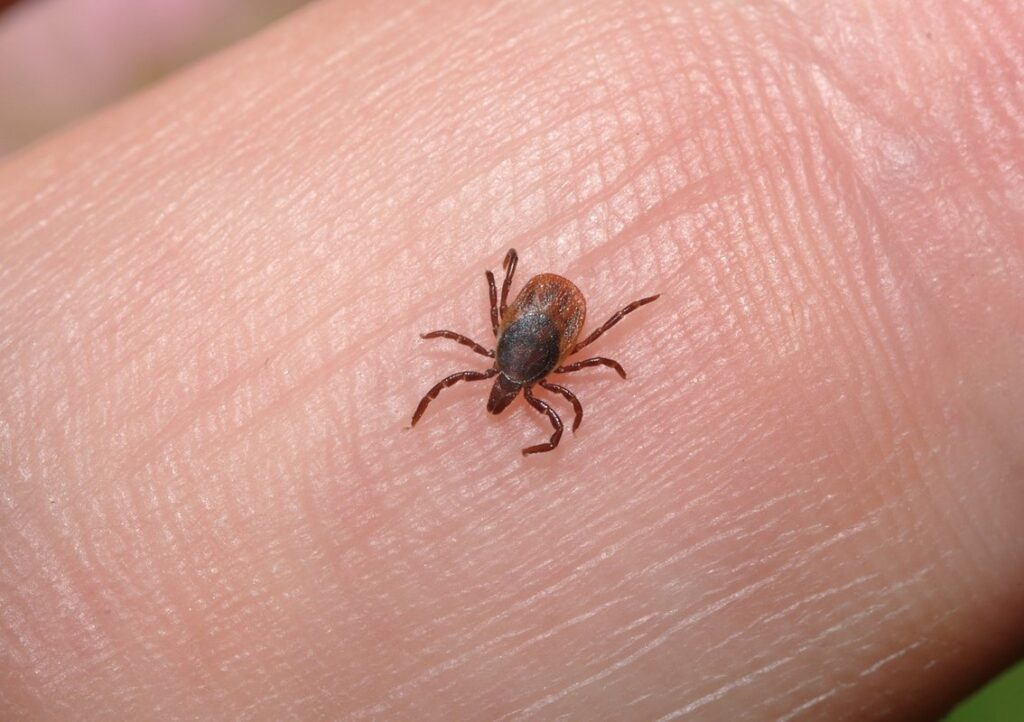
What are Chicken Lice and How Do They Affect Flocks?
So, you want to know what chicken lice are and how they can impact your flock’s health and well-being? Let’s dive into the details of these pesky parasites.
Types of Chicken Lice
There are several types of lice that can infest chickens, and identifying the type is crucial to effective treatment. Body lice, for example, are small and flat, often mistaken for dust particles when they’re visible on a chicken’s feathers. These lice tend to congregate around areas with high concentrations of body heat, like the vent area or under the wings.
Leg louse infestations can cause significant discomfort in chickens, particularly if left untreated. Characterized by their distinctive red appearance and robust build, leg lice prefer warmer, more sheltered areas around the legs and feet. A close look at your chicken’s legs and feet during a regular health check can help you catch these unwanted visitors.
Face lice are another common type of infestation. These tiny parasites often go unnoticed until they cause irritation to the chicken’s face, leading to excessive scratching or rubbing against surfaces. Regular inspections of your flock’s facial areas will help you identify early signs of an infestation and prevent it from spreading.
Signs of a Lice Infestation
If you suspect that your flock has been infested with chicken lice, there are several signs to look out for. One of the most common indicators is excessive pecking and scratching. Chickens will often try to get rid of the parasites by pecking at their own feathers or scratching against surfaces. This behavior can be a sign that your flock needs attention.
Another telltale sign of lice infestation is restlessness. Lice can cause discomfort, leading chickens to become agitated and restless. You may notice them pacing back and forth in their coop or exhibiting abnormal behaviors such as feather plucking.
If you’re unsure whether your flock has been affected by chicken lice, look for visible signs on the birds themselves. Check their feathers and skin for live lice, which can appear as small moving dots. It’s essential to act quickly if you suspect an infestation to prevent further stress and discomfort for your chickens. Regularly inspecting your flock will help you catch any issues before they become severe.
What are Mites and How Do They Affect Chickens?
Let’s dive into what mites are, exactly: tiny arachnids that can cause big problems for your flock if left unchecked. We’ll explore their habits and how they impact chicken health.
Types of Chicken Mites
There are several types of mites that can infest chickens, each with its unique characteristics and impact on the health of your flock. The Northern fowl mite (Ornithonyssus sylviarum) is one of the most common species found on chickens worldwide. They have a reddish-brown color and are known to feed on the skin and blood of their hosts, causing anemia and weight loss in severe cases.
The Southern fowl mite (Dermanyssus gallinae) is another prevalent type of mite that affects chickens. These mites are slightly smaller than northern fowl mites and have a more oval-shaped body. They also feed on the skin and blood of their hosts, but they tend to prefer cooler temperatures.
Scaly leg mite (Knemidokoptes mutans) is a type of mite that specifically targets the legs and feet of chickens, causing scabby lesions and irritation. This condition can lead to discomfort and mobility issues for your birds. Regular monitoring of your flock’s health and prompt treatment are essential in preventing these types of infestations.
It’s worth noting that different regions may have unique species of mites that affect local chicken populations. Understanding the types of mites present in your area is crucial in developing an effective prevention and treatment strategy for your chickens.
Signs of a Mite Infestation
Identifying signs of mite infestation in chickens can be challenging, but there are key indicators to look out for. Chickens with a mite infestation may exhibit excessive scratching and preening behavior, attempting to remove the parasites from their feathers. This can lead to skin irritation, hair loss, and even feather pecking among flock members.
Another common sign of mites is lethargy or listlessness in your chickens. Mites feed on the blood of their hosts, causing anemia and fatigue, which may result in decreased egg production, weight loss, or a generally unhealthy appearance. Affected birds may also experience increased thirst and water consumption due to the metabolic changes caused by mite infestation.
If you suspect a mite infestation, inspect your flock carefully for any signs of parasites, such as tiny dark spots on the feathers or eggs in the coop. Regular checks can help prevent mite infestations from becoming severe, and prompt treatment can prevent long-term health consequences for your chickens.
Differences Between Lice and Mites in Chickens
Understanding what distinguishes lice from mites is crucial for accurate identification and treatment. Let’s break down the key differences between these two external parasites that can affect your chickens.
Physical Characteristics
When it comes to identifying lice and mites on your chickens, understanding their physical characteristics is crucial. Both external parasites exhibit distinct features that can help you tell them apart.
Lice are generally larger than mites, measuring around 1-2 millimeters in length. They have a more rounded body shape and tend to be darker in color, often appearing reddish-brown or black. In contrast, mites are significantly smaller, typically ranging from 0.1 to 0.5 millimeters in size. Their bodies are flat and oval-shaped, allowing them to fit snugly into the nooks and crannies of your chicken’s skin.
When examining your flock for these pests, look closely at the feathers around their vents (vent area), as this is a common spot for both lice and mites to infest. Mites tend to aggregate in larger clusters, often forming small groups that resemble tiny dots or specks. Lice, on the other hand, are usually solitary feeders, so you’re less likely to see them clustering together.
By paying attention to these physical characteristics and observing your flock’s behavior, you can make more informed decisions about treating and managing lice and mite infestations in your backyard chickens.
Life Cycle and Behavior
When it comes to understanding the life cycle and behavior of lice and mites in chickens, there are key differences that set these two external parasites apart. Lice, specifically, undergo a complete metamorphosis, meaning they have four distinct life stages: egg, nymph, adult, and then back to egg again. This process allows them to multiply rapidly, with some species producing up to 300 eggs per day.
Mites, on the other hand, go through an incomplete metamorphosis, having only three distinct life stages: egg, larva, and adult. Their reproductive cycle is less frequent than that of lice, but more resilient in extreme conditions. When it comes to feeding habits, both lice and mites rely on their hosts’ blood for sustenance. However, lice are generally more aggressive feeders, often causing irritation and discomfort to the host as they consume up to 15 times their own body weight each day.
It’s worth noting that mites tend to be more sedentary than lice and can survive off-host for extended periods.
How to Identify Lice vs Mites in Chickens
Now that you know what lice and mites look like, it’s time to learn how to tell them apart. In this next step, we’ll walk you through the key differences between these two pests.
Visual Inspection
When inspecting your chickens for signs of lice or mite infestation, it’s essential to know what to look for. Start by gently lifting the feathers on the chicken’s neck, back, and wings to check for any moving pests. Hold a light source close to the bird to get a clear view of the skin and underlying areas.
Check for the following signs:
* Tiny, moving dots or specks on the skin
* Small, oval-shaped eggs attached to the feathers or skin
* A faint dusting of debris around the vent area
Look closely at the base of the wings, under the tail, and around the vent area. These are common areas where lice and mites tend to congregate. If you notice any signs of infestation, it’s crucial to take action quickly to prevent further damage.
Remember, early detection is key to controlling an infestation. Regular visual inspections will help you catch any issues before they become severe.
Sampling and Testing
When it comes to identifying lice versus mites on your chickens, sampling and testing are crucial steps that can’t be overlooked. To confirm whether you’re dealing with one pest over the other, you’ll need to collect feather or skin samples for examination.
Start by gently collecting a few feathers from the affected bird’s plumage, ideally taking care not to disturb any mites or eggs. Alternatively, you can take a small skin sample using a sterile instrument. Place the collected sample in a sealable container or zip-top bag and store it in an airtight environment until you’re ready for testing.
When examining the samples under a microscope, look for distinctive characteristics: lice lay their eggs at the base of feathers, while mites tend to be found on skin surfaces. Keep in mind that accurate identification requires close examination by a trained professional or veterinarian; if unsure, consult an expert to avoid misdiagnosis and ineffective treatment.
Remember, early detection is key to controlling infestations effectively.
Treatment Options for Lice and Mite Infestations
Now that you’ve identified lice or mites on your chickens, it’s time to explore effective treatment options to get rid of these pesky parasites. We’ll walk through various methods and products available for a successful infestation removal.
Lice Treatment Methods
When treating lice infestations in chickens, it’s essential to use methods that are effective yet gentle on your flock. One common approach is using medicated powders containing ingredients like permethrin or pyrethrin. These powders can be applied directly to the affected areas, such as around the vent and base of the feathers. However, make sure to follow the product instructions carefully, as overapplication can lead to health issues.
Another option is medicated shampoos or dips that contain ingredients like lindane or rotenone. These products are typically applied after cleaning and rinsing your chickens thoroughly. It’s crucial to choose a product specifically designed for poultry and follow the recommended application guidelines to avoid harming your birds.
When using these methods, it’s also important to consider the environmental impact and ensure proper disposal of any packaging materials. Always read the label carefully and take necessary precautions when handling these products.
Mite Treatment Methods
Treating mite infestations requires a multi-faceted approach that addresses the environment, nutrition, and direct treatment of the chickens. Topical treatments are often used to kill mites on contact, and permethrin-based sprays or powders are popular choices. These products can be applied directly to the feathers or in dust form, allowing for even coverage.
Medicated feed is another effective way to combat mite infestations. Feed supplements containing ingredients like ivermectin or rotenone can help reduce mite populations and prevent re-infestation. It’s essential to follow the manufacturer’s instructions carefully when introducing medicated feed to your flock, as overuse can harm your chickens.
Environmental changes are also crucial in managing mite infestations. Cleaning and disinfecting coop areas, removing nesting materials, and improving ventilation can all help reduce mite populations. Additionally, maintaining a clean living space and regular monitoring of your flock’s health will help prevent re-infestation. Regularly inspecting your chickens for signs of mites is vital in early detection and treatment.
Prevention and Control Measures
To keep your flock lice-free, it’s essential to understand effective prevention and control measures that can be implemented in your coop. We’ll walk you through these steps below.
Biosecurity Practices
Biosecurity practices play a crucial role in preventing lice and mite infestations in chicken flocks. Regular cleaning and disinfection of coops, runs, and equipment are essential to break the life cycle of these external parasites. It’s recommended to clean and disinfect the coop at least once a week, paying attention to areas where droppings and feathers accumulate.
Use a solution of 1 part white vinegar to 9 parts water or a commercial disinfectant specifically labeled for use in poultry facilities. Scrub all surfaces thoroughly, including nesting boxes, roosts, and walls. Rinse everything with clean water to remove any residue. Don’t forget to also clean and disinfect equipment such as feeders, waterers, and brooders.
Additionally, maintain a clean and dry environment by removing soiled bedding material, replacing it with fresh pine shavings or another absorbent material, and ensuring good ventilation in the coop. Regularly inspecting your flock for signs of lice or mites can also help catch infestations early on.
Nutritional Supplements
When it comes to preventing lice and mite infestations on your chicken farm, nutritional supplements can play a crucial role. A healthy immune system is the best defense against these external parasites, and providing your chickens with essential nutrients can give them a strong fighting chance.
Vitamins A, C, and E are particularly important for maintaining a robust immune response in chickens. Vitamin A helps to regulate cell growth and differentiation, while vitamin C supports immune function and collagen production. Meanwhile, vitamin E acts as an antioxidant, protecting cells from damage caused by free radicals. By ensuring your chickens receive adequate amounts of these vitamins through their feed or supplements, you can help boost their natural defenses against lice and mites.
Omega-3 fatty acids are also essential for maintaining healthy skin and feathers in chickens. These nutrients reduce inflammation and promote the healing process, making it more difficult for parasites to establish themselves on your birds’ bodies. Consider adding flaxseed oil or fish oil to your flock’s diet as a natural way to boost their omega-3 intake.
In addition to vitamins and fatty acids, probiotics are another valuable tool in maintaining a healthy chicken population. These beneficial bacteria support gut health, which is directly linked to immune function. By promoting a balanced gut microbiome, you can help reduce the likelihood of lice and mite infestations.
Frequently Asked Questions
Can I use a single treatment for both chicken lice and mites?
No, it’s not recommended to treat both lice and mites with the same method. The most effective approach is to identify the specific pest causing the infestation and then choose the best course of action. For example, if you suspect a lice infestation, using an over-the-counter medicated powder may be sufficient, but for mites, a more comprehensive treatment plan involving multiple steps and potentially different products may be required.
How often should I monitor my flock for signs of lice or mite infestations?
Regular monitoring is essential to catch any potential issues early on. Set aside time each week to inspect your birds’ feathers and under their wings, legs, and vent area. Check for excessive scratching, pecking, or droppings, as these can be indicative of a pest problem. Remember to also keep an eye out for other signs like molting, lethargy, or decreased egg production.
What are some common mistakes people make when trying to treat lice or mite infestations?
One common mistake is not identifying the correct pest, leading to ineffective treatment and prolonged suffering for the flock. Another error is relying solely on chemical treatments, neglecting other essential steps like improving biosecurity practices, providing a balanced diet, and maintaining clean living conditions.
Can I use natural remedies to control lice or mite infestations?
Yes, many chicken keepers have successfully used natural remedies as part of their integrated pest management (IPM) strategy. For example, diatomaceous earth can help repel and kill external parasites like lice and mites. Neem oil, tea tree oil, and apple cider vinegar are also popular choices for addressing pest issues. However, it’s crucial to research and understand the efficacy of these methods before implementation.
How long does it typically take to get rid of a lice or mite infestation?
The time it takes to eliminate an infestation varies depending on several factors, including the severity of the problem, treatment options chosen, and adherence to prevention measures. Generally, with consistent effort, you can expect to see improvements within 2-4 weeks for lice and 3-6 weeks for mites. However, ongoing monitoring and maintenance are necessary to ensure the infestation doesn’t recur.