
When it comes to raising chickens, one of the most crucial skills to master is sexing them accurately. Being able to tell apart a rooster from a hen can save you time, money, and stress in the long run. Not only will this knowledge help you plan for future breedings or culling decisions, but it will also ensure you’re providing the right environment for your flock’s overall health and happiness.
In this article, we’ll delve into the physical characteristics of roosters versus hens, exploring the differences in plumage, beak shape, comb size, and leg length. We’ll also cover behavioral cues to look out for, such as crowing patterns and mating behaviors. Whether you’re a seasoned chicken keeper or just starting out, this comprehensive guide will equip you with the knowledge to accurately sex your chickens at different ages, from pullets to adults.
Understanding Rooster and Hen Basics
To start identifying roosters vs hens, let’s begin by understanding their basic characteristics, including differences in behavior, size, and physical features. This foundation will serve as a crucial starting point for our comprehensive guide.
Defining Roosters and Hens
When it comes to raising chickens, understanding the difference between roosters and hens is essential. But what exactly do these terms mean? Let’s start by defining them: a rooster is an adult male chicken, while a hen is an adult female chicken.
In the world of chicken breeding, a rooster plays a crucial role in fertilizing eggs to produce offspring with desirable traits. On the other hand, hens are responsible for laying eggs and are often chosen based on their egg-laying capacity and quality. It’s worth noting that a young male or female chicken is simply referred to as a cockerel or pullet respectively.
Distinguishing between roosters and hens is vital for several reasons. For one, it helps you determine the sex of your chickens, which can be crucial when breeding or selecting birds for specific traits. Additionally, knowing whether you have a rooster or hen can also help you understand their behavior and social dynamics within the flock. Hens tend to live harmoniously together, while roosters often establish dominance and may lead to conflicts with other male birds.
As you start building your flock, it’s essential to recognize these differences early on. With experience, you’ll develop a keen eye for spotting telltale signs that indicate whether a bird is a rooster or hen.
Physical Characteristics of Young Chicks
When it comes to identifying young chicks as either male or female, physical characteristics play a significant role. While sexing chicks can be challenging, especially within the first few weeks of life, certain physical traits can give you an indication of their gender.
One way to determine the sex of a chick is by examining its comb size. Female chicks typically have smaller combs than males, which are usually larger and more vibrant in color. However, this method is not foolproof, as some females may develop larger combs over time.
Another characteristic to look for is leg feathering. Males tend to have clean legs with little to no feathering, while females often have feathers on their legs and feet. This trait becomes more pronounced as the chicks mature.
It’s also essential to consider overall body shape when sexing young chicks. Males tend to be slightly larger than females and may display a more robust build. Females, on the other hand, often appear sleeker with less muscle mass. Keep in mind that these physical characteristics can vary depending on breed and individual bird characteristics.
Observe your chicks’ behavior and look for any patterns or signs that might indicate their sex. While it’s not possible to accurately determine a chick’s sex before 4-5 weeks of age, paying attention to these physical traits can provide valuable insights as they grow and mature.
Observing Adult Rooster and Hen Behavior
When observing adult roosters and hens, it’s essential to notice differences in their behavior, such as mating habits and aggression levels. By paying attention to these cues, you’ll be better equipped to identify which birds are likely to be roosters.
Dominance and Aggression in Roosters
When it comes to distinguishing roosters from hens, understanding their behavioral differences is crucial. Roosters are naturally more dominant and aggressive than hens, especially as they mature. One of the most obvious signs of a rooster’s dominance is its display of aggression towards other birds. You may notice that a rooster will frequently chase or attack other chickens, particularly if it feels threatened or senses food competition.
In contrast, hens are generally less aggressive and tend to avoid confrontations. However, some dominant hens may exhibit similar behavior, making it essential to observe their interactions with each other and the roosters. Another key indicator of a rooster’s presence is its courtship display. Roosters will often perform elaborate rituals, such as strutting around the coop or singing loudly, in an attempt to impress potential mates.
Observe your flock closely during mating season or when introducing new birds to identify these behaviors and confirm whether you have a rooster on hand. Remember that not all roosters display aggression or courtship behaviors, so it’s essential to remain vigilant and attentive to other distinguishing characteristics like comb size, spur length, and vocalizations.
Hens’ Social Interactions and Nesting Habits
When it comes to social interactions and nesting habits, hens are fascinating creatures that reveal their personalities through subtle behaviors. Hens communicate with each other using a variety of methods, including clucking, chirping, and even body language. They will often engage in gentle preening, where one hen smooths out the feathers of another, as a sign of affection or respect.
Establishing a pecking order is crucial for hens living together, as it helps maintain harmony within the flock. This hierarchy is not always fixed, but rather fluid and subject to change based on various factors such as dominance, age, and experience. For example, a new hen may challenge an existing dominant hen, leading to a shift in the pecking order.
In terms of nesting habits, hens are meticulous about their nests, often selecting a secluded location with adequate cover for laying eggs. They will carefully collect materials like twigs, grasses, and feathers to construct a comfortable nest. Observing your flock’s nesting behavior can give you valuable insights into the individual hens’ personalities and characteristics, making it easier to identify them in the future.
Examining External Features of Roosters and Hens
When it comes to distinguishing roosters from hens, external features can be a crucial factor. Let’s examine some key characteristics that set them apart visually.
Comb Size and Shape
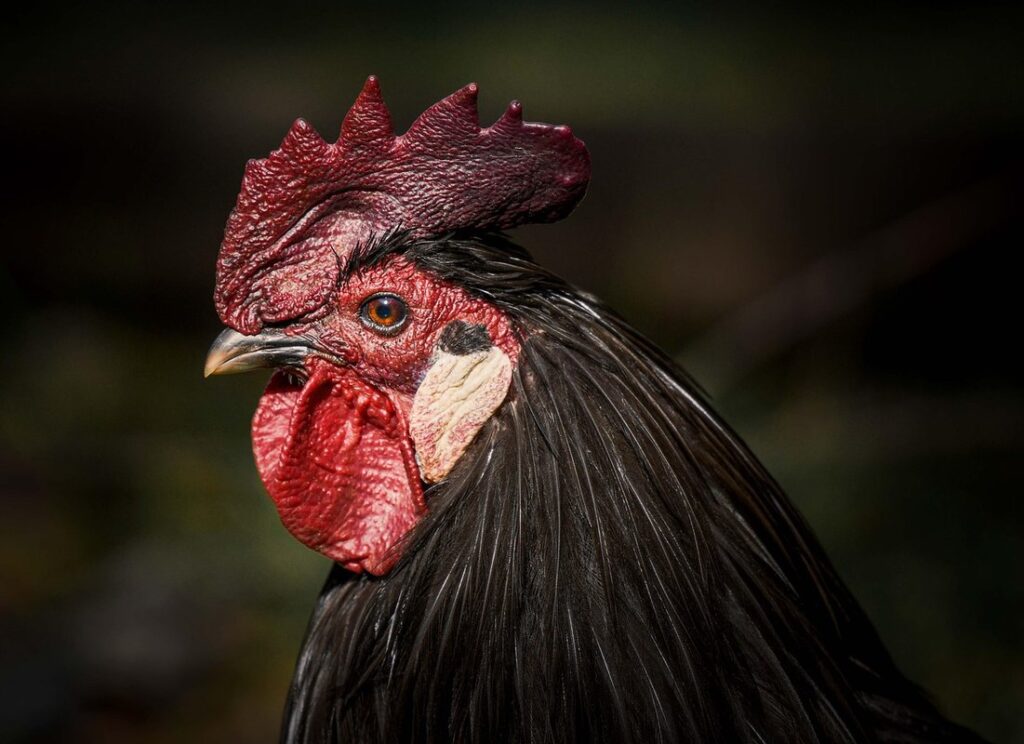
When examining the external features of roosters and hens, one crucial aspect to consider is the comb size and shape. The comb, located on top of the bird’s head, plays a significant role in identifying whether an individual is a rooster or hen.
In general, roosters tend to have larger combs than hens. A mature rooster’s comb can be quite prominent, often extending past the base of the skull and may even touch the feathers on top of the neck. In contrast, a hen’s comb will typically be smaller, more rounded, and usually lies close to the head.
The shape of the comb is also a distinguishing factor. Roosters’ combs are more triangular or pointed in shape, while hens’ combs tend to be more rounded and flat. Coloration-wise, both roosters and hens will have red combs, but the intensity of the color may vary between individuals.
When identifying a rooster versus hen based on comb size and shape, consider the overall appearance of the bird’s head. If you’re still unsure, examine other external features such as leg length, plumage, and spurs for further clarification.
Tail Feathers and Leg Feathering
When it comes to identifying roosters and hens, one of the most distinctive differences lies in their tail feathers and leg feathering. While both males and females exhibit similar plumage patterns, there are key variations that can help you distinguish between the two.
Roosters tend to have longer, more flowing tails with a greater spread than hens. This is due to the presence of longer coverts and rectrices in males, which give their tails a more majestic appearance. In contrast, hens typically have shorter, more rounded tails with less feathering.
Leg feathering is another area where roosters and hens differ significantly. Roosters often display prominent feathers on their legs, particularly above the ankles, giving them a more ornate appearance. Hens, on the other hand, tend to be leg-barred or have minimal feathering on their lower limbs.
To accurately identify these features, look for roosters with at least 1-2 inches of long feathers extending below their hocks, and pay attention to the presence of prominent hackle feathers along the back of their legs. Hens, by comparison, will generally lack these distinctive markings, making it easier to distinguish them from males.
Investigating Internal Characteristics through Health Checks
To identify roosters and hens, you’ll also want to investigate their internal characteristics, starting with health checks that reveal crucial differences. A closer look at their anatomy can be a game-changer for accurate identification.
Crowing and Vocalizations
When it comes to identifying roosters versus hens through health checks, crowing and vocalizations play a significant role. Roosters are known for their distinctive crowing sounds, which can be heard throughout the day, especially at dawn and dusk. These calls can range from loud, deep crows to softer, more nasal tones.
One way to distinguish rooster vocalizations is by paying attention to pitch and volume. Rooster crows tend to be deeper and louder than hen clucks or chirps. Additionally, listen for the pattern of sounds; roosters often crow in a series, with each call building on the previous one. Hens, on the other hand, typically make softer, higher-pitched sounds, such as clucking or chirping.
When examining your flock, pay attention to individual birds’ vocal patterns. If you notice a bird consistently producing deep, loud crows, it’s likely a rooster. However, if the bird makes softer, more high-pitched calls, it may be a hen. Keep in mind that some breeds are known for their quiet or unusual vocalizations, so it’s essential to research and understand your flock’s specific characteristics.
Sex-Specific Health Issues
When it comes to sex-specific health issues in chickens, there are distinct concerns that arise depending on whether you have roosters or hens. As a responsible chicken owner, understanding these differences is essential for providing optimal care and maintaining the overall health of your flock.
Males, specifically roosters, are more prone to reproductive health problems such as testicular abscesses, hernias, and vent gleet. These conditions can be caused by factors like genetic predisposition, poor nutrition, or inadequate living space. For instance, a study on chicken reproductive health found that 70% of roosters developed testicular abscesses due to an infectious agent. It’s crucial to monitor your male birds’ behavior and watch for signs of discomfort or pain.
On the other hand, hens are susceptible to egg-related issues such as egg binding, yolk peritonitis, and fatty liver syndrome. Egg binding occurs when a hen has difficulty laying eggs, which can be caused by factors like nutritional deficiencies or inadequate nesting boxes. Hens may also experience reproductive stress due to excessive egg production, leading to weakened immune systems.
To prevent these health issues, ensure your chickens have access to clean living conditions, balanced nutrition, and sufficient space for exercise. Regular veterinary check-ups will help identify potential problems early on, allowing you to take corrective action and maintain the well-being of your flock.
Tips for Identifying Sex Accurately at Different Ages
As you get to know your chicks, identifying their sex becomes easier. Here’s how to accurately determine a rooster from a hen at different stages of growth, from hatchlings to adults.
Early Identification Techniques for Brood Bred Chicks
When it comes to identifying sex accurately at different ages, some breeders swear by brood breds – chickens specifically bred for their sexing accuracy. If you’re working with these birds, there are early identification techniques that can help you determine the sex of your chicks from a young age.
One technique used for sexing brood breeder chicks is vent sexing. This method involves examining the chick’s vent area, which is located just below the tail. Brood breds have been bred to exhibit distinctively different vent anatomy based on their sex. For example, roosters typically have a more prominent and rounded vent patch, while hens tend to have a smaller, less defined patch.
Another method for identifying the sex of brood breeder chicks is through DNA testing. This involves collecting a tissue sample from the chick’s wing tip or tail and sending it off to be analyzed. The results can determine whether the chick is male (ZW) or female (ZZ). DNA testing provides an accurate and reliable way to identify sex, especially for breeders who want to ensure their flock is made up of only males or females.
It’s worth noting that some breeders have reported high accuracy rates with brood breeder chicks as early as 10-14 days old. However, it’s essential to continue monitoring the chick’s development and watching for sex-linked traits, such as beak shape and feathering, which can become more apparent around 3-4 weeks of age.
When using these techniques, keep in mind that accuracy rates may vary depending on the individual breeder and their specific flock. Always do multiple checks to ensure you’re getting accurate results.
How to Ensure Accuracy When Sexing Your Flock
To ensure you’re accurately sexing your flock, it’s essential to consider multiple characteristics and factors beyond just physical appearance. A thorough approach will save you time and trouble in the long run.
Factors Influencing Accuracy
Accurately sexing your flock is crucial for poultry management and breeding. However, various factors can influence the accuracy of this process.
Experience level plays a significant role in sexing accuracy. Seasoned chicken handlers develop an eye for distinguishing between males and females based on subtle physical characteristics, such as comb size and plumage coloration. Conversely, inexperienced individuals may find it challenging to accurately identify sex due to their lack of familiarity with these distinctions. It is recommended that beginners work alongside experienced poultry keepers to hone their skills.
The quality of equipment can also impact accuracy. For instance, a good pair of binoculars or a spotting scope can aid in observing the bird’s physical characteristics without causing stress. Additionally, using a sexing light can help illuminate the bird’s genital area for more accurate identification. However, it is essential to note that relying solely on equipment may not compensate for a lack of experience.
Environmental conditions can also affect accuracy. Stress caused by handling or environmental factors like heat or cold can cause birds to exhibit abnormal behavior, making it challenging to observe their physical characteristics accurately. It’s recommended to sex birds in a calm environment and at a comfortable temperature range. Moreover, having a clear working area and adequate lighting will help reduce the risk of mistakes.
In conclusion, a combination of experience, equipment quality, and favorable environmental conditions is crucial for achieving high accuracy when sexing your flock. By being aware of these factors and taking steps to optimize each aspect, you can improve your chances of accurately identifying roosters versus hens.
Frequently Asked Questions
How do I know if my rooster is actually fertile?
A rooster’s fertility can be influenced by factors such as age, health, and nutrition. To ensure your rooster is fertile, look for signs of good overall health, including a well-developed comb, bright eyes, and shiny feathers. You should also consider having your rooster’s semen quality checked through a professional chicken breeder or veterinarian.
Can I sex my chicks accurately before they reach 18 weeks?
While it’s possible to make an educated guess about the sex of young chicks, accurate identification can be challenging without specific breed knowledge. Factors such as comb development and tail feather growth vary across breeds and ages. If you’re looking for reliable early identification techniques, consult with experienced chicken breeders or experts in poultry genetics.
What if I’m still unsure after checking all external characteristics?
If you’ve carefully examined your chickens’ physical features, behavior, and sex-specific traits but are still uncertain about their sex, consider performing a health check to look for internal differences. This might involve checking the vent area for cloacal papillae in males or examining the reproductive organs through a veterinarian-assisted examination.
Are there any breeds that make sexing easier?
Some chicken breeds exhibit more pronounced sex-specific characteristics than others, making them ideal for beginners or those who struggle with sexing. For example, Silkies and Polish hens often have smaller combs and waddles compared to roosters. Research specific breed characteristics to determine which ones might be best suited for your needs.
How often should I re-evaluate my flock’s sex ratio?
As your flock grows and matures, it’s essential to regularly reassess the sex ratio to ensure you’re meeting their social and spatial needs. Consider re-sexing your flock every 6-12 months or when significant changes occur, such as a new rooster joining the group or hens approaching breeding age. Regular checks will help maintain a harmonious and healthy flock environment.