
When it comes to raising chickens, one of the most important things you need to know is how to identify your flock. But with over 300 breeds to choose from, it can be overwhelming to keep track of which breed is which. That’s where the comb comes in – a distinctive feature that sets many breeds apart. From the familiar single-comb to the elegant rose-comb, understanding these unique characteristics will help you provide the best care for your chickens and prevent common health issues associated with certain breeds. In this article, we’ll take a closer look at how to identify chicken breeds by comb type, covering single-comb, rose-comb, and more, as well as providing tips on how to keep your flock healthy and happy.
Understanding Combs and Their Importance
When it comes to identifying chicken breeds, the comb is a crucial feature to consider. Let’s take a closer look at what combs are and why they’re so important in determining a bird’s identity.
What is a Comb in Chickens?
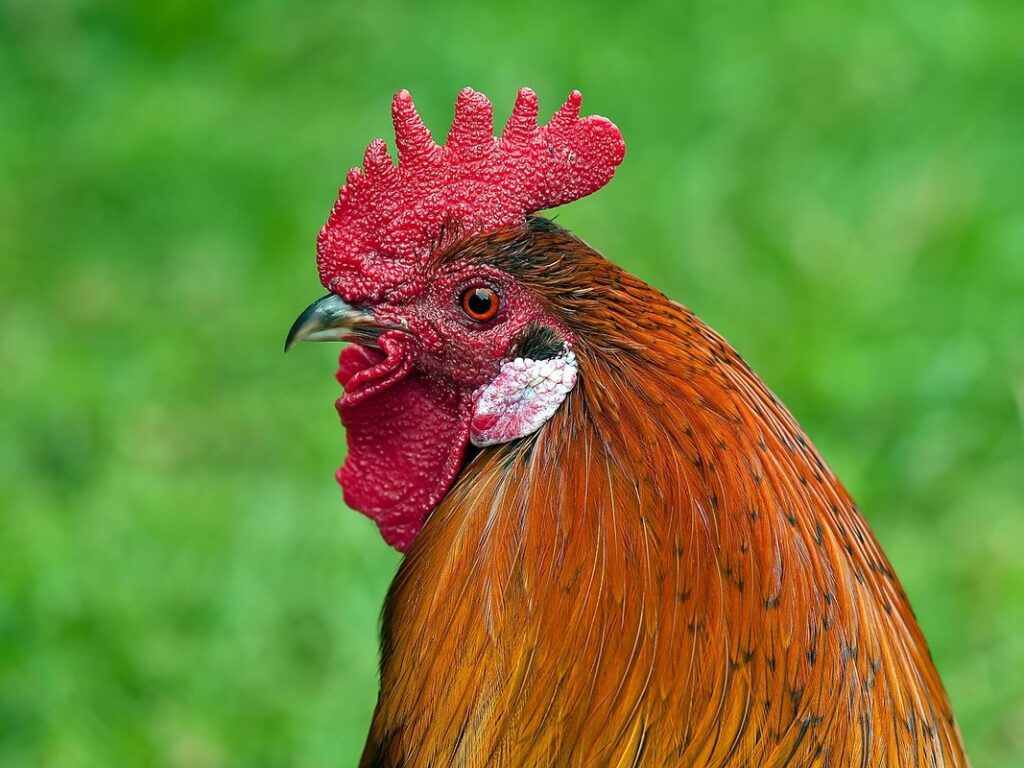
A comb is one of the most distinctive and visible features that can help you identify chicken breeds. Located on top of a chicken’s head, this fleshy growth serves multiple purposes. Functioning primarily as a radiator to dissipate excess heat from the body, combs also have a secondary function – to protect the eyes by acting as a shield against debris.
The shape, size, and color of a comb can vary significantly among different breeds, making it an essential trait for breed identification. For instance, the Single Comb is one of the most common types found in many popular breeds like Leghorns and Rhode Island Reds. Its distinctive single-forked shape sets it apart from other comb types.
When examining a chicken’s comb, pay attention to its color as well – some combs are red, while others might be pinkish or even black. Notably, the comb’s condition can also provide valuable information about a breed’s characteristics and heritage. By understanding what a comb is and how it functions, you’ll become better equipped to identify various chicken breeds based on this distinctive feature.
Types of Combs Found in Chickens
When it comes to identifying chicken breeds by comb, understanding the different types is crucial. You’ll likely come across five main types of combs: single, rose, strawberry, cushion, and peafowl.
A single comb is one of the most common types and features a straight, flat shape with no branching. Single-combed chickens are often found in breeds like Leghorns and Cornish. On the other hand, rose combs have a more intricate design with small branches that radiate out from the base. This type of comb is commonly seen in breeds such as Orpingtons and Barred Plymouth Rock.
Strawberry combs resemble their name, looking like a strawberry or a mushroom on top of the chicken’s head. They’re typically found in breeds like Australorps and Brahma. Cushion combs are more rounded and flat compared to single combs but still have a smooth surface with no branching. Peafowl combs are similar to rose combs, except they have long, pointed feathers that resemble a peacock’s tail.
When identifying chicken breeds by comb, note the size, shape, and any distinguishing features you see. This will help you narrow down the possible breed and consult further resources for confirmation.
Single-Comb Breeds
As you explore the world of chickens, you’ll encounter several breeds that sport a single comb on their heads, which can be quite distinctive and fascinating. Let’s take a closer look at these unique birds together.
Characteristics of Single-Comb Breeds
Single-comb chicken breeds are easily identifiable by their distinctive physical characteristics. One of the most notable features is the shape and size of their comb, which varies across different breeds. The comb shape can range from a simple cup-like structure to more elaborate forms with multiple branches or spurs. In terms of size, single-comb combs tend to be relatively small compared to rose combs, but still quite pronounced.
The color of the comb is another important characteristic that sets single-comb breeds apart. You’ll commonly find red, yellow, and white combs on different single-comb breeds. Some notable examples include the Leghorn, which has a bright red comb, while the Polish has a small, fluffy comb in shades of red or yellow. The size and color of the comb can also give you clues about a chicken’s temperament – for instance, some studies have shown that birds with larger combs tend to be more aggressive.
When identifying single-comb breeds, pay close attention to these distinctive physical features as they play a significant role in distinguishing between different breeds.
Examples of Popular Single-Comb Breeds
Some of the most recognizable and popular single-comb chicken breeds come from Europe, where many have been developed over centuries for their unique characteristics. The Leghorn, for instance, is an Italian breed known for its high egg production, with some hens laying up to 300 eggs per year. Their white or light-brown feathers, along with their single comb, make them easy to identify.
Another popular breed, the Plymouth Rock, originated in the United States and is prized for its friendly temperament. They have a unique combination of red and black feathers, which often feature white highlights, and lay around 200 brown eggs per year. The Rhode Island Red is another well-known single-comb breed from North America, recognized by its distinctive mahogany-red plumage and high egg-laying abilities.
These breeds are not only visually distinct but also demonstrate a range of characteristics that make them suitable for different types of chicken keepers. Whether you’re looking to raise birds for eggs or enjoy their friendly nature, single-comb breeds like the Leghorn, Plymouth Rock, and Rhode Island Red offer excellent choices.
Rose-Comb Breeds
Let’s take a closer look at the distinctive rose-comb breeds, characterized by their fleshy, fan-shaped combs that add to their unique charm.
Identifying Features of Rose-Comb Chickens
When it comes to identifying rose-comb chickens, there are several key features to look out for. One of the most distinctive characteristics is the shape and size of the comb itself. Rose-comb chickens typically have a large, rounded comb with a gentle curve, often described as resembling a rose in bloom. This unique shape sets them apart from other breeds.
In terms of color, the comb can range from a vibrant red to a deep pinkish-red hue. Some breeds may also display a slight golden or orange tint, but this is relatively rare. The size of the comb can vary depending on factors such as age and nutrition, but in general, rose-comb chickens have a robust and substantial-looking comb.
When identifying a chicken breed by its comb, it’s essential to consider these distinctive features together. For example, if you notice a large, rounded comb with a vibrant red color, it’s likely that the bird is a rose-comb chicken. However, if the comb appears smaller or more pointed, it could indicate another breed altogether. By paying close attention to these details, even novice chicken keepers can become proficient in identifying different breeds by their combs.
Examples of Well-Known Rose-Comb Breeds
If you’re new to raising chickens, one of the most noticeable features is their comb – the fleshy growth on top of their heads. A rose-comb breed can be identified by its distinctive, rounded appearance, resembling a rosy crown. Among popular breeds with this type of comb are Leghorns, Polish, and Brahma. These birds come in a range of sizes and egg-laying abilities.
For example, Leghorns are one of the most prolific layers, producing an average of 280 eggs per year. They’re also relatively small in size, making them suitable for backyard flocks or small farms. On the other hand, Brahma is a larger breed often used as meat birds due to their fast growth rate and large size. Polish, however, are known for their unique crest and friendly temperament.
When choosing a rose-comb breed, consider your needs and the specific requirements of each bird. Some breeds require more care or attention than others, especially when it comes to managing their plumage. By understanding the characteristics and uses of these popular breeds, you can make an informed decision about which birds are right for you.
Combless Breeds: The Exception
While most chicken breeds sport a prominent comb, there are some notable exceptions that don’t. Let’s take a look at these rare and interesting combless breeds.
Understanding the Absence of Combs in Chickens
Some chicken breeds have evolved to the point where they don’t develop combs at all. This can be due to genetics or evolutionary adaptations over time. Take for instance Silkie chickens – these adorable birds sport a fluffy, soft plumage that replaces their combs entirely.
Genetics play a significant role in comb development; certain breeds are naturally inclined towards having no combs due to their genetic makeup. A case in point is the Polish chicken breed, where they don’t develop combs because their genetics steer them away from growing one.
In other instances, evolutionary adaptations have led to breeds developing without combs as a survival mechanism. For example, some birds may not grow combs to conserve energy or protect themselves from disease. These factors contribute significantly to the variety of comb types and sizes seen in different chicken breeds.
When identifying chicken breeds by comb, keep an eye out for these exceptional cases – a breed with no comb might be more prone to heat stress, so their living conditions should be carefully monitored.
Examples of Combless Chicken Breeds
When it comes to combless chicken breeds, there are several unique and interesting varieties worth noting. One such breed is the Silkie, originating from China and prized for its soft, fluffy feathers and gentle nature. Silkies are not as prolific egg layers as some other breeds, producing around 100-120 eggs per year, but their small size and calm demeanor make them an excellent choice for backyard flocks.
Another notable combless breed is the Polish Crested, also from Asia and known for its stunning crested head feathers and lively personality. These birds are prolific egg layers, producing up to 200 eggs per year, making them a popular choice among commercial farmers.
The Campine, hailing from Belgium, is another breed worth mentioning. Known for their striking silver-gray plumage and white undersides, they are also good layers, producing around 180 eggs per year. What sets the Campine apart, however, is its unique ability to adapt to cold climates, making it an excellent choice for farmers in cooler regions.
Lastly, the Faverolles from France boasts a soft, fluffy plumage and gentle disposition, while also being decent egg layers at around 200-220 eggs per year. What’s particularly notable about this breed is their exceptional broodiness, with many females going on to become dedicated mothers.
Breeding Considerations: Choosing the Right Breed
When choosing a breed, it’s essential to consider factors such as temperament, egg-laying ability, and climate adaptability. Let’s dive into these crucial breeding considerations next.
Factors to Consider When Selecting a Breed
When selecting a chicken breed for your flock, there are several key factors to consider. First and foremost, think about your climate and region. Different breeds thrive in various temperatures and humidity levels, so it’s essential to choose a breed that’s well-suited to your local conditions.
Consider the size of your farm or backyard too – if you have limited space, a smaller breed like the Bantam will be more suitable than a larger one like the Orpington. Additionally, think about the egg-laying capacity and quality of eggs you want from your flock. Some breeds are prolific layers while others may not lay as many eggs but produce larger ones.
Also consider the temperament and social requirements of the breed. If you have children or other pets in the house, a friendly and docile breed like the Silkie will be more suitable than a feisty one like the Leghorn. Furthermore, if you plan to keep your chickens on free-range, make sure to choose a breed that’s not prone to wandering off.
Ultimately, research and experience have shown that selecting the right breed for your needs can greatly impact the health and happiness of your flock. By taking these factors into account, you’ll be well on your way to building a harmonious and productive backyard chicken-keeping operation.
Tips for Raising Chickens With Unique Combs
When it comes to raising chickens with unique combs, it’s essential to be aware of their specific needs and considerations. Some breeds, such as the Brahma and Orpington, have a pea comb that can make them more susceptible to heat stress. To mitigate this, ensure they have access to plenty of shade and cool water. You may also need to adjust your feeding schedule to prevent overeating, which can exacerbate heat-related issues.
Other breeds with distinctive combs, like the Polish, require regular grooming to prevent matting and tangling. This involves gently brushing their combs daily, especially during molting season when their combs tend to become more unruly. Be cautious not to pull too hard, as this can cause discomfort or even injury.
Some chickens with unique combs may also be more prone to respiratory issues due to their specific anatomy. For example, the Silkie’s fluffy coat and small nostrils make them more susceptible to cold stress and infection. To ensure your flock stays healthy, monitor their behavior and environmental conditions closely, taking steps to prevent disease whenever possible.
By understanding the unique needs of your flock, you can provide the best possible care for your chickens with rare or unusual combs.
Comb-Related Health Issues in Chickens
When it comes to identifying chicken breeds by comb, understanding potential health issues is crucial for their well-being and yours. This section will explore common comb-related health concerns to watch out for.
Potential Health Concerns Related to Combs
When it comes to identifying chicken breeds by comb, it’s essential to be aware of potential health concerns related to these distinctive features. One significant issue is frostbite, which can occur when combs are exposed to extreme cold temperatures. This is particularly problematic for breeds with large, single-comb types, as they have a greater surface area exposed to the elements.
Heat stress is another concern, especially during hot summer months. Combs can overheat and become inflamed, leading to discomfort and potentially even life-threatening conditions if left untreated. As you’re learning about identifying chicken breeds by comb, it’s crucial to consider factors like climate and living arrangements when choosing a breed.
Additionally, certain diseases are more prevalent in chickens with specific comb types. For example, respiratory issues have been linked to bearded breeds, while single-comb varieties may be more susceptible to Marek’s disease. By understanding these potential health risks, you can take proactive steps to ensure your flock stays healthy and happy. Regular monitoring of your birds’ overall well-being is vital in preventing and addressing any emerging issues related to their combs.
Preventative Measures for Comb-Related Problems
When it comes to managing flocks and preventing comb-related problems, it’s essential to take proactive steps. One key strategy is to ensure proper nutrition for your chickens. A balanced diet rich in vitamins and minerals, particularly those that promote healthy skin and feathers such as vitamin E and omega-3 fatty acids, can significantly reduce the risk of skin issues and other comb-related problems.
Regular health checks are also crucial in identifying potential issues early on. Keep an eye out for signs of respiratory distress, lethargy, or changes in appetite, all of which could be indicative of a more serious underlying problem related to the comb. Ensure your chickens have access to clean water at all times and maintain a healthy coop environment by keeping it well-ventilated and free from dampness.
By implementing these preventative measures, you can significantly reduce the likelihood of comb-related problems in your flock.
Conclusion: The Importance of Identifying Chicken Breeds by Comb
Now that you’ve learned how to identify chicken breeds by comb, let’s talk about why it matters and the importance it plays in your backyard flock.
Recap of Key Takeaways
When it comes to raising chickens, understanding and identifying the different breeds is crucial for several reasons. Not only does it help you provide the right care and nutrition for each individual bird, but it also affects the quality of eggs produced. As we’ve discussed throughout this article, one of the most distinctive features of chicken breeds is their combs.
Throughout our journey in learning about identifying chicken breeds by comb, we’ve explored the unique characteristics of various combs, including the pea comb, rose comb, and single comb. We’ve seen how these distinct features can be used to differentiate between different breeds, such as Leghorns, Brahmas, and Cochins. It’s essential to note that while some breeds may have similar combs, their overall appearance, size, and temperament often set them apart.
In our discussion on the pea comb, we learned about its typically small size and rounded shape, often found in breeds like the Silkie and Polish. On the other hand, the rose comb is a prominent feature of many popular breeds, such as Leghorns and Orpingtons. This understanding can aid in correctly identifying birds that are sold or traded, ensuring you’re getting the breed you want.
To recap, our key takeaways from this article include:
* Familiarizing yourself with different comb types to accurately identify chicken breeds
* Recognizing breed-specific characteristics beyond just the comb for comprehensive identification
* Understanding how combs can impact egg production and overall bird health
By applying these points and taking the time to learn about chicken breeds by comb, you’ll be well on your way to becoming a more informed and confident chicken keeper.
Frequently Asked Questions
Can I raise chickens with unique combs without any health issues?
While it’s true that certain comb types can be prone to heat stress or related health concerns, there are many breeds with healthy combs. To minimize risks, ensure your flock has access to plenty of shade, clean water, and a balanced diet. Regularly monitor your birds’ behavior and overall health to catch any potential issues early.
What should I do if I’m not sure about the comb type on my chicken?
If you’re unsure about a specific breed’s comb characteristics or need help identifying it, consult with a local poultry expert or take clear photos for online communities like backyardchickens.com or r/chickens. These resources can provide valuable guidance and help you make an informed decision.
Are there any breeds that are naturally more resistant to heat stress due to their comb type?
Yes. Some breeds, such as the Silkie and Polish, have smaller combs or no combs at all, which can help protect them from extreme temperatures. When selecting a breed, research its specific characteristics, including its comb type, to ensure it suits your climate and management style.
How do I care for chickens with single-comb breeds during extremely hot weather?
For single-comb breeds, provide extra cooling measures like misting systems or sprinklers in the coop and run. Ensure plenty of water is available at all times, and consider moving your flock to a shaded area during peak heat hours (usually between 11am-3pm).