
Are you ready to take your backyard flock to the next level? With so many amazing chicken breeds out there, choosing the right ones for your needs can be overwhelming. As an avid chicken keeper, you’re likely no stranger to the importance of selecting a breed that fits your lifestyle and goals. Whether you’re looking for a prolific egg layer or a friendly companion, identifying the perfect chicken breed is crucial.
In this article, we’ll delve into the world of chicken breeds, exploring breed groups, online resources, and show evaluations to help you make informed decisions. We’ll cover everything from egg-laying capacity and temperament to size, hardiness, and management requirements. By the end of this guide, you’ll be equipped with the knowledge to identify the perfect breed for your needs and take home a happy, healthy flock that brings joy to your life and eggs to your table!
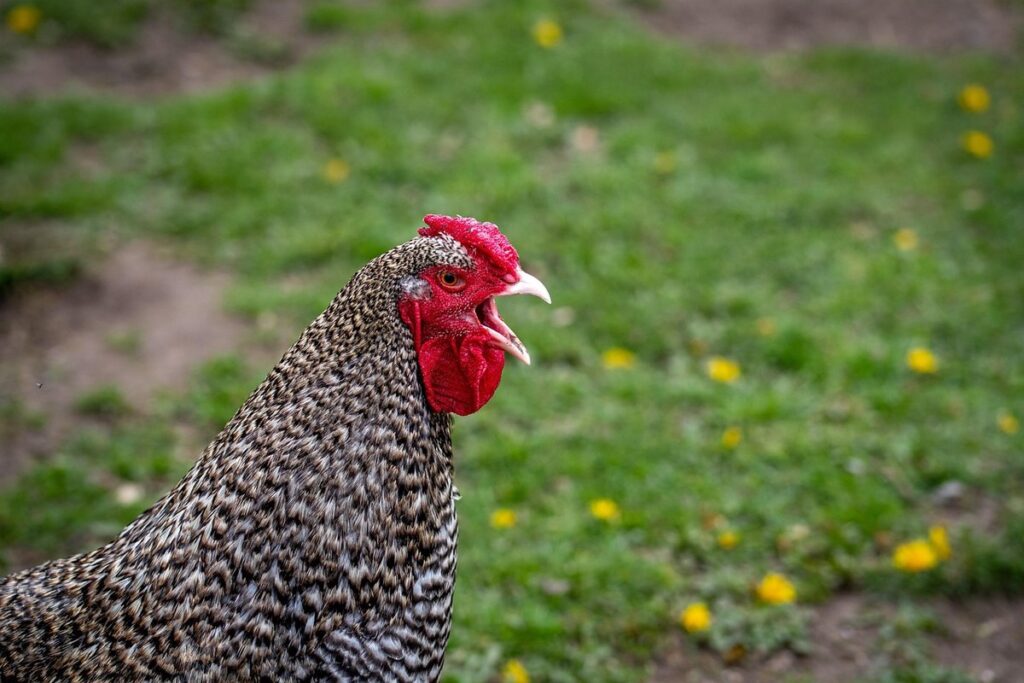
Understanding the Basics
Let’s start from the beginning – understanding the basic characteristics of chicken breeds is essential for accurate identification. Knowing what to look for will help you confidently identify your feathered friends.
Characteristics of Chickens
When it comes to identifying chicken breeds, understanding their essential characteristics is crucial. Let’s start with the basics: body size. Chickens come in a wide range of sizes, from the tiny Silkie at just 2 pounds to the massive Brahma, which can weigh up to 20 pounds or more.
Next, consider plumage. This refers to the chicken’s feathers, and there are many variations to look out for. Some breeds have glossy feathers, while others may be dull or even fluffy like the Polish. Take note of the pattern and coloration as well – some chickens have beautiful solid colors, while others display intricate markings.
Egg-laying capacity is another vital characteristic. If you’re planning to collect eggs from your flock, look for breeds that are known for their high egg production, such as Leghorns or Rhode Island Reds. Conversely, if you want a breed that’s more laid-back and doesn’t lay as many eggs, consider the Orpington.
Temperament is also crucial when choosing a breed. Some chickens can be quite friendly and docile, while others may be more aggressive. Research breeds known for their gentle nature, such as the Silkies or the Buff Orpingtons, if you’re new to keeping chickens.
Common Breed Groups
As you begin to explore the world of chicken breeds, it’s essential to understand that they can be broadly categorized into several main groups. This will help you navigate the vast array of breeds and make informed decisions when selecting the right chickens for your needs.
The first breed group is Layers, which are specifically bred for their egg-laying abilities. These birds are designed to produce a high number of eggs per year, with some strains laying up to 300 or more eggs annually. Examples of popular Layer breeds include Leghorns and Rhode Island Reds. If you’re looking to have a steady supply of fresh eggs, Layers are an excellent choice.
Next, we have Meat Birds, which are raised for their meat production rather than egg-laying capabilities. These birds are typically faster-growing and larger in size compared to Layers. Broilers, Cornish Cross, and Plymouth Rock are popular examples of Meat Birds. If you’re planning to raise chickens for meat consumption, this breed group is the way to go.
Dual-Purpose birds, on the other hand, serve both as egg-layers and meat producers. These birds offer a balance between the two, making them suitable for small-scale farms or backyard chicken keepers who want to be self-sufficient in both eggs and meat. Orpingtons and Plymouth Rock are popular examples of Dual-Purpose breeds.
By understanding these main breed groups, you’ll have a solid foundation to start your chicken-keeping journey.
Researching Breeds
To research breeds, start by gathering information from reliable sources such as poultry associations and breed clubs to learn about specific characteristics. This will help you narrow down your options.
Online Resources
When researching chicken breeds online, it’s crucial to rely on credible sources to ensure accuracy and reliability of information. Here are some top-notch online resources you can trust:
* The American Poultry Association (APA) website is an excellent place to start. They offer a comprehensive breed directory, complete with detailed descriptions, photos, and breeding standards.
* The Livestock Conservancy website provides valuable information on heritage breeds, including their history, characteristics, and conservation status.
* Online forums like BackYard Chickens and Chicken-Keeping Forum are great places to connect with experienced chicken keepers who can offer advice and insights based on real-world experience. However, be sure to fact-check any information you find here by cross-referencing it with other reputable sources.
* Social media platforms like Facebook groups dedicated to chicken keeping and online communities like Reddit’s r/chickens are also great resources for learning about different breeds and connecting with others who share your passion.
Remember, when researching chicken breeds online, always verify the credibility of the source. Be wary of misinformation or outdated information, and trust your instincts if something seems too good (or bad) to be true.
Breed Associations and Registries
Breed associations and registries play a crucial role in the development and recognition of new chicken breeds. These organizations establish standards for breed characteristics, ensuring consistency and accuracy within each breed. They also maintain records of breed ancestry, making it easier to identify a bird’s true lineage.
The American Poultry Association (APA) is one such example of a reputable breed association. Founded in 1873, the APA has been instrumental in establishing breed standards and maintaining accurate breed records for over 140 years. By registering breeds with the APA or other associations like the International Club for British Fowl or the Australorp Breeders’ Club, farmers can ensure their birds meet established criteria.
To understand a chicken’s potential ancestry, look up breed associations that recognize its breed. Check if the association has specific standards and guidelines for breeding programs. Some registries offer DNA testing to verify breed authenticity. By consulting with reputable breed associations and registries, you’ll gain valuable insight into your chickens’ heritage, ultimately helping you make informed decisions about their breeding potential or selection as show birds.
Visiting Farms or Poultry Shows
When visiting farms or poultry shows, you’ll have a unique opportunity to see various chicken breeds up close and learn from experienced breeders. This can be an invaluable way to get hands-on experience identifying different breeds.
What to Expect at a Farm Visit
When visiting a farm or hatchery as part of your journey to identify chicken breeds, you’ll have the unique opportunity to see these magnificent birds up close. This hands-on experience is invaluable for beginners and experts alike, allowing you to observe firsthand the characteristics that distinguish one breed from another.
As you walk through the farm, pay attention to the different breeds on display. Take note of their size, plumage, beak shape, and overall appearance. Don’t hesitate to ask the farmers or hatchery staff about the specific breeds you’re interested in – they’ll likely be more than happy to share their expertise and insights.
Another advantage of visiting a farm is the chance to learn from experienced breeders who have dedicated years to perfecting their craft. Ask questions, take notes, and soak up as much information as possible. You might even have the opportunity to participate in a hatchery tour or assist with feeding and caring for the chickens – this will give you a deeper understanding of what makes each breed unique.
During your visit, also keep an eye out for breed labels or signs that provide more information about the specific birds on display. Many farms and hatcheries will also have brochures or handouts available that outline the characteristics of different breeds. Take advantage of these resources to help solidify your understanding and make identification easier back home.
Tips for Evaluating Breeds at Shows
When visiting poultry shows, evaluating breeds can be an exciting and educational experience. However, with so many varieties on display, it’s easy to get overwhelmed. To make the most of this opportunity, take a closer look at the birds’ conformation. Look for a breed that has well-balanced proportions, including a sturdy back, straight or slightly curved spine, and properly placed legs under the body.
Next, examine the plumage quality. Check if it’s clean, shiny, and free of dust or debris. Different breeds have distinct feather patterns and lengths, so observe these characteristics carefully. For instance, Leghorns are known for their sleek, smooth feathers, while Brahma chickens boast a fluffy, soft coat.
Also, pay attention to the temperament of each breed. Watch how they interact with handlers and other birds. Some breeds are naturally more docile or energetic than others. This can be crucial if you’re planning to keep them as pets or for egg production on your farm.
Understanding Breed Standards
When it comes to identifying chicken breeds, understanding breed standards is crucial for accurate classification. Let’s dive into what breed standards are and why they’re essential in the world of poultry identification.
The Importance of Breed Standards
Breed standards are the backbone of maintaining the integrity and uniqueness of various chicken breeds. These standards outline the ideal characteristics, physical attributes, temperament, and performance of a specific breed, ensuring that birds bred under this standard conform to its established traits.
Breed associations and registries develop these standards through rigorous research, data collection, and input from experienced breeders. The American Poultry Association (APA) is one such organization that sets the standards for over 300 breeds worldwide. To become a recognized breed, a bird must meet or exceed the minimum requirements outlined in the standard.
To enforce compliance with breed standards, registries require breeders to provide documentation of their birds’ ancestry and genetic makeup. This information helps ensure that birds are bred true to type and maintain the desired characteristics. Breeders who fail to adhere to these standards risk having their birds disqualified from registration or being labeled as hybrids.
Understanding and adhering to breed standards is essential for maintaining the purity and authenticity of different chicken breeds, which in turn preserves their unique traits and characteristics.
Challenges and Controversies
When it comes to breed standards, there are several challenges and controversies that chicken enthusiasts should be aware of. One of the main debates revolves around genetic diversity versus breed purity. Some argue that maintaining purebred lines can lead to a loss of genetic diversity, making breeds more vulnerable to disease and reducing their adaptability to different environments.
Others claim that prioritizing breed purity is essential for preserving unique characteristics and traits that make each breed special. However, this approach can sometimes lead to inbreeding, which can have negative consequences for the health and well-being of individual birds.
To navigate these complexities, it’s essential to consider the context in which breed standards are being applied. For example, backyard chicken keepers may prioritize genetic diversity over breed purity if they’re looking to create a healthy and resilient flock that can thrive in their specific environment.
Ultimately, understanding the challenges and controversies surrounding breed standards requires a nuanced approach that balances competing priorities and considers the unique needs of individual chicken owners. By doing so, you can make informed decisions about the breeds you choose to keep and help preserve the rich diversity of chicken genetics for generations to come.
Creating Your Dream Flock
Now that you’ve learned how to identify different breeds, it’s time to build your own flock. In this next step, we’ll explore what to consider when selecting chicken breeds for your backyard coop.
Choosing Breeds That Suit Your Needs
When selecting chicken breeds for your flock, it’s essential to consider factors that suit your specific needs and circumstances. Let’s break down some key considerations: egg production, meat quality, and temperament.
Egg production is a primary concern for many backyard chicken keepers. If you’re looking to harvest eggs regularly, choose breeds known for high egg-laying capabilities, such as Leghorns or Rhode Island Reds. However, if your goal is to raise chickens primarily for their eggs but also want birds that can handle heat, consider heat-tolerant breeds like Australorps.
If meat production is a priority, focus on breeds specifically raised for this purpose, such as Plymouth Rock or Wyandotte. These birds typically grow faster and have better muscle mass than egg-laying breeds.
Temperament is another critical factor in choosing the right breed for your flock. Some breeds are naturally docile and friendly, making them ideal for families with children, while others can be more aggressive and territorial. Research breeds that fit your desired temperament to ensure harmony within your flock.
Integrating New Breeds into Your Flock
When introducing new breeds to your existing flock, it’s essential to do so gradually and under controlled circumstances. This can help prevent conflicts between chickens of different sizes, temperaments, and personalities. Start by keeping the new birds separate from the rest of the flock for a few weeks to allow them to get used to their surroundings.
Once you’re ready to integrate them into the main group, begin with a small number of new breeds and monitor their behavior closely. Watch for signs of aggression or stress, such as pecking, hissing, or avoiding certain areas of the coop. If you notice any issues, separate the birds again and try introducing them gradually over time.
It’s also crucial to consider factors like dietary requirements, space needs, and noise levels when integrating new breeds. For instance, some breeds are more docile than others and may not tolerate the presence of louder or more energetic chickens. By taking these factors into account and proceeding slowly, you can minimize potential conflicts and create a harmonious flock.
Breed-Specific Considerations
When choosing a chicken breed, it’s essential to consider specific needs and characteristics that may impact your flock’s health and happiness. Some breeds have unique requirements that are crucial for their well-being.
Unique Needs of Heritage Breeds
Heritage breeds have been around for centuries, with many being raised for specific purposes such as egg-laying, meat production, and ornamental value. These birds have evolved over time to develop unique characteristics that make them well-suited to their original functions. For example, the Silkie breed has a fluffy coat and can be quite temperamental, making it challenging to handle.
When it comes to managing heritage breeds, understanding their genetic makeup is crucial. Heritage breeds often carry rare or ancient genes that are essential for preserving biodiversity in poultry. This means they may require specific diets, health checks, and breeding programs to ensure their survival. For instance, some heritage breeds have a higher incidence of genetic disorders due to inbreeding, which requires careful monitoring and selection.
To preserve these breeds for future generations, consider joining a local poultry club or networking with breeders who specialize in heritage chickens. This will give you access to resources, knowledge, and expertise that can help you raise healthy, thriving flocks.
Managing Large or Small Flocks
Managing large or small flocks requires careful consideration of nutrition, health care, and housing needs. When it comes to feeding your chickens, their nutritional requirements will depend on factors such as age, sex, breed, and purpose (e.g., egg-laying or meat production). For example, laying hens require a balanced diet that includes calcium, protein, and vitamins to support strong eggshell production.
To ensure optimal health, monitor your flock’s overall well-being by keeping an eye out for signs of illness, injury, or stress. This can include maintaining cleanliness in the coop, providing adequate ventilation, and ensuring access to fresh water at all times. Regular vaccinations and parasite control measures should also be implemented as necessary.
In terms of housing needs, the size and design of the coop will depend on the number of birds you’re keeping. For small flocks (less than 10 birds), a simple, well-ventilated coop with adequate space per bird is sufficient. Larger flocks may require more complex designs or multiple coops to accommodate different age groups or breeds.
When it comes to breed-specific considerations for housing, some breeds such as Silkies and Polish require extra attention due to their unique physical characteristics (e.g., large comb size or beak length). Others like Leghorns are known for their high egg production and may need more space to move around in the coop.
Frequently Asked Questions
What’s the best way to narrow down my search for a chicken breed?
To get started, make a list of your priorities: egg-laying capacity, temperament, size, hardiness, or something else. Then, research breeds that match most of these criteria. You can also consult with other chicken keepers in online forums or social media groups to gain insight into specific breeds’ strengths and weaknesses.
Can I raise multiple breeds together, or should I stick to one?
Yes, you can raise multiple breeds together! However, it’s essential to choose breeds that are compatible in terms of size, temperament, and management requirements. Research breed-specific needs and ensure your flock is well-balanced for a harmonious backyard ecosystem.
How do I know if a chicken breed is suitable for my climate or region?
Check the breed’s hardiness level, which can range from cold-hardy to heat-tolerant. Also, consider factors like wind, humidity, and pest pressure in your area. Consult with local breeders or experts to determine the best breeds for your specific climate and region.
What should I look for when evaluating a chicken breed at a show or farm visit?
Look for breeds that demonstrate good temperament, proper feathering, and overall health. Observe how they interact with each other and their environment. Ask the breeder about the breed’s egg-laying capacity, management requirements, and any unique needs. This will help you make an informed decision when selecting a new breed.
Can I start raising chickens without prior experience?
Yes! While experience is helpful, it’s not necessary to have a background in chicken keeping. Start by researching breeds and their specific needs, then begin with a small flock or even just one bird. As you gain experience and confidence, you can expand your flock and experiment with different breeds and management techniques.