
If you’re involved in the poultry industry, you know how crucial efficient meat chicken growth is for your business. Not only does it impact your bottom line, but it also affects animal welfare and sustainability. However, achieving optimal growth rates can be a challenge, especially when dealing with factors like nutrition, feed formulation, breeding, and management practices.
In this article, we’ll delve into expert strategies to improve meat chicken growth rates. We’ll cover the essential elements that contribute to healthy development, from the right balance of nutrients in their diet to optimized breeding programs. Whether you’re a seasoned farmer or running a large-scale production facility, our goal is to provide actionable insights and practical advice on how to implement these strategies on your farm or operation. By improving meat chicken growth rates, you can streamline your processes, reduce costs, and produce more competitive products – let’s explore the ways to get there.
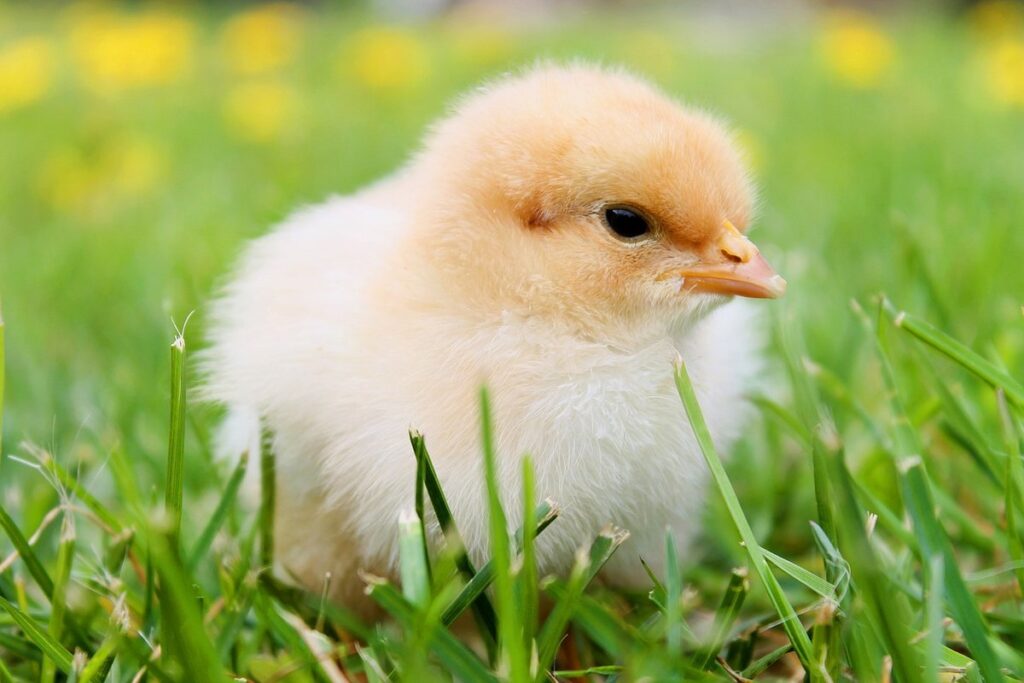
Understanding the Challenges in Meat Chicken Growth
Meat chicken growth can be a complex process, and understanding the challenges involved is crucial for implementing effective improvement strategies. Let’s examine some of these key obstacles together.
Suboptimal Nutrition and Feed Formulation
Proper nutrition is essential for optimal meat chicken growth. A balanced diet that includes macronutrients like protein, carbohydrates, and fats is crucial for weight gain and overall health. However, many farmers overlook the importance of micronutrients such as vitamins and minerals, which play a vital role in immune function, bone development, and energy metabolism.
A well-formulated feed should contain essential amino acids that promote muscle growth and repair. Farmers can choose from a variety of commercial feed options or formulate their own diets using locally sourced ingredients. For example, adding omega-3 fatty acids to the feed can improve meat quality and reduce inflammation in the birds.
Feed additives like antibiotics and probiotics can also impact chicken health and performance. Antibiotics are often used to promote growth and prevent disease, but overuse can lead to antibiotic resistance. Probiotics, on the other hand, can help maintain a healthy gut microbiome and support immune function. By carefully selecting feed ingredients and additives, farmers can create optimal nutrition plans that promote meat chicken growth while minimizing the risk of disease.
Environmental Factors Affecting Growth Rates
Environmental factors play a significant role in determining meat chicken growth rates. Temperature, for instance, is a crucial factor that affects growth performance. Research has shown that optimal temperature ranges for broilers are between 68°F and 72°F (20°C to 22°C), with slight variations depending on age and breed. Temperatures above or below this range can lead to decreased feed intake, reduced growth rates, and higher mortality rates.
Humidity is another vital environmental factor that impacts meat chicken growth. High humidity levels can lead to respiratory issues, while low humidity can cause water loss, resulting in dehydration. Maintaining a relative humidity level of 50-60% during the first week after hatching is recommended. This range helps prevent moisture-related problems and promotes healthy development.
Lighting also has an impact on meat chicken growth. While natural light exposure is ideal, artificial lighting can provide sufficient illumination for optimal growth. Aim for a photoperiod of 23 hours of light and one hour of darkness to promote efficient feed conversion and weight gain. By understanding these environmental factors and making adjustments accordingly, you can create an optimized environment that supports the health and growth of your meat chickens.
Breeding and Genetics
Genetic selection plays a crucial role in improving meat chicken growth. By selecting for desirable traits, farmers can increase efficiency and productivity while reducing costs. To improve growth rate, it’s essential to focus on breeds that are specifically designed for rapid development. This includes traits such as increased feed conversion ratio (FCR), improved egg production, and enhanced disease resistance.
Some key characteristics to look for in a breed include:
* High hatchability rates
* Fast weight gain
* Improved muscle mass and structure
* Enhanced immune response
When selecting breeds, farmers should consider the unique needs of their operation. For example, if the farm specializes in organic or free-range production, it’s essential to choose breeds that thrive in these environments.
By prioritizing genetic selection, farmers can reap significant rewards. Studies have shown that even small improvements in growth rate can lead to substantial increases in productivity and profitability. With careful consideration of breed characteristics and environmental factors, farmers can optimize their operations for maximum efficiency and success.
Enhancing Feed Formulation for Improved Growth
When it comes to optimizing meat chicken growth, enhancing feed formulation is a crucial step that can have a significant impact on overall productivity and profitability. We’ll explore key strategies for achieving this goal.
Macronutrient Balancing Act: Carbohydrates, Proteins, and Fats
When it comes to meat chicken growth, getting the macronutrient balance just right is crucial. Carbohydrates, proteins, and fats all play a vital role in fueling growth rates and overall health. Research suggests that an ideal ratio of 20:15:1 (carbohydrates:proteins:fats) promotes optimal growth, but this can vary depending on breed, age, and production conditions.
A high-carb diet can lead to over-fat deposition, negatively impacting mobility and welfare. On the other hand, excessive protein intake can be expensive and may not provide additional growth benefits. The key is finding a balance that meets individual needs while minimizing costs. For example, studies have shown that feeding 10% less protein can maintain growth rates without increasing feed costs.
Fats are also essential for optimal growth, providing energy and facilitating nutrient absorption. However, excessive fat intake can lead to fatty liver syndrome and other health issues. A balanced diet typically ranges from 1-3% fat content, but this can be adjusted based on individual needs and production goals. By fine-tuning macronutrient ratios, producers can optimize growth rates, improve feed efficiency, and enhance overall bird welfare.
Micronutrients and Additives for Enhanced Performance
When it comes to enhancing feed formulation for improved growth in meat chickens, micronutrients and additives play a vital role. These tiny but mighty elements can make a significant difference in the overall health and efficiency of your flock. Let’s dive into the essential micronutrients that support optimal growth.
Vitamins A, D, E, K, and B-complex are all crucial for various bodily functions, from immune system support to energy metabolism. Vitamin A, for instance, is instrumental in maintaining healthy mucous membranes, skin, and eyesight, while vitamin D helps regulate calcium levels, ensuring strong bones and eggshell quality. On the other hand, mineral supplements like copper, zinc, and selenium are equally important, as they facilitate antioxidant functions, immune response, and DNA synthesis.
To optimize growth, consider adding feed additives that promote gut health, such as probiotics or prebiotics. These beneficial microorganisms help establish a balanced gut microbiome, reducing stress and disease incidence while increasing nutrient absorption. Some popular feed additives include enzymes like phytase or NSPases, which break down complex nutrients for better utilization. By incorporating these micronutrients and additives into your feed formulation strategy, you can expect to see noticeable improvements in growth rates, feed conversion ratios, and overall flock health.
Considerations for Different Life Stages
As meat chickens grow and develop, their nutritional requirements change significantly. This necessitates adjustments to feed formulation at different stages of their growth cycle. For instance, from day-old chicks to 18-week-old broilers, the energy and protein content of their feed must increase accordingly.
During the starter phase (1-4 weeks), chicks require high-energy diets with adequate protein levels (around 20-22%) to support rapid growth and development. Feed formulated specifically for this stage typically includes high-quality protein sources like soybean meal or fishmeal, along with energy-rich ingredients such as corn or wheat.
As birds transition into the grower phase (5-12 weeks), their feed formulation should be adjusted to optimize weight gain while minimizing the risk of disease. This may involve reducing the concentration of protein and increasing the inclusion rate of complex carbohydrates like oats or barley.
Finally, in the finisher phase (13-18 weeks), broilers require even more energy and protein to support muscle growth and development. Feed formulated for this stage typically includes higher levels of protein (up to 25%) and energy-dense ingredients such as wheat midds or distiller’s grains.
By adjusting feed formulation according to the specific needs of each growth stage, producers can optimize meat chicken growth while minimizing the risk of disease and maximizing overall efficiency.
Optimizing Health and Well-being
To truly improve meat chicken growth, it’s essential that we address the health and well-being of these birds from every angle. Let’s dive into optimizing their daily lives for optimal results.
Reducing Stress and Improving Welfare
When it comes to improving meat chicken growth, reducing stress is crucial. Stress can have a significant impact on chicken welfare and productivity, leading to decreased growth rates, increased mortality rates, and lower egg production. Environmental enrichment is one way to minimize stress in meat chickens. This can be achieved by providing birds with adequate space, ventilation, and lighting. For example, offering perches, ladders, or scratching posts allows chickens to engage in natural behaviors like climbing and foraging.
Socialization is also essential for reducing stress in meat chickens. Keeping chickens in small groups rather than individual cages promotes social interaction and reduces aggression. Providing adequate hiding places and sheltered areas gives birds a sense of security and reduces stress caused by predators or other threats.
Effective management practices are also vital in minimizing stress in meat chickens. This includes maintaining clean living conditions, providing access to fresh water and food, and ensuring regular veterinary check-ups. By implementing these strategies, you can create a low-stress environment that promotes optimal growth and welfare for your meat chickens.
Disease Prevention and Control Measures
Preventing and controlling diseases is crucial to maintaining healthy meat chicken flocks. Vaccination programs are an essential measure to protect against common poultry diseases such as Newcastle disease and infectious bronchitis. Regular vaccination schedules can help prevent outbreaks, but it’s equally important to maintain good biosecurity protocols.
Biosecurity measures include isolating new birds for a period of time before introducing them to the main flock, disinfecting equipment and transportation vehicles regularly, and ensuring good ventilation in coops. Implementing strict cleaning and sanitation procedures is also vital to preventing disease outbreaks. For example, removing soiled litter and replacing it with fresh material can significantly reduce the risk of disease transmission.
To ensure effective biosecurity, it’s essential to train farm staff on proper handling and hygiene practices. Regular health checks can also help identify any potential issues before they become major problems.
Biosecurity Best Practices for Preventing Outbreaks
Implementing effective biosecurity measures is crucial to preventing outbreaks in commercial poultry operations. As we strive for optimal meat chicken growth, it’s essential to create a safe and healthy environment for our birds.
To start, conduct a thorough risk assessment of your operation, identifying potential vulnerabilities such as visitor traffic, feed and water sources, and manure management. Regularly clean and disinfect high-touch areas like feeding troughs, waterers, and nesting boxes using environmentally friendly products. Ensure proper ventilation to remove airborne pathogens and maintain a healthy indoor environment.
Additionally, establish strict protocols for employee health and hygiene practices, including hand sanitizing, proper donning of personal protective equipment (PPE), and regular cleaning of footwear before entering the production area. Monitor your flock’s health closely, looking out for signs of illness or stress, and take prompt action to isolate affected birds and seek veterinary advice.
Maintaining accurate records of biosecurity measures taken will help you identify areas for improvement and ensure compliance with industry regulations. By prioritizing biosecurity, you’ll reduce the risk of outbreaks, minimize losses, and create a healthy environment that supports optimal meat chicken growth.
Breeding and Genetics Strategies
To boost meat chicken growth, it’s essential to understand how breeding and genetics strategies can impact your flock’s overall performance. In this section, we’ll explore key genetic factors to consider when selecting breeding stock.
Selective Breeding Programs for Improved Growth Traits
Selective breeding programs have emerged as a crucial tool in developing meat chicken lines with improved growth rates. By selecting and breeding individuals with desirable traits, poultry producers can accelerate the process of genetic improvement. This approach allows for the identification and amplification of favorable genes associated with rapid growth, resulting in more efficient production.
One notable example is the development of Ross 308, a popular meat chicken breed that has undergone significant selective breeding efforts to enhance its growth rate. Through rigorous selection and cross-breeding programs, Ross 308 has consistently demonstrated improved growth performance compared to earlier generations.
However, challenges persist when implementing selective breeding programs for improved growth traits. Breeding programs require substantial resources and infrastructure, including expertise in genetics and genomics. Moreover, there is a risk of inadvertently selecting for undesirable traits or exacerbating existing health concerns.
Despite these limitations, strategic implementation of selective breeding can lead to significant advancements in meat chicken growth rates. To maximize the effectiveness of such programs, poultry producers should:
* Maintain detailed records of individual bird performance
* Employ advanced genomics tools to identify key genetic markers
* Monitor and adjust selection criteria regularly to ensure alignment with production goals
Genomics and Epigenetics: Unlocking New Possibilities
Genomics and epigenetics are revolutionizing poultry science, offering unparalleled opportunities to improve meat chicken growth. By unlocking the genetic code of chickens, scientists can identify genetic variants that influence growth rate, feed efficiency, and overall health. This knowledge is being used to develop new breeding programs that prioritize traits such as rapid growth, improved feed conversion ratios, and enhanced disease resistance.
For example, researchers have identified a specific genetic variant associated with increased growth rate in broiler chickens. By incorporating this variant into breeding programs, producers can expect significant improvements in growth performance without sacrificing meat quality. Moreover, epigenetic factors, which affect gene expression without altering the underlying DNA sequence, are also being studied to optimize chicken development.
In practical terms, understanding genomics and epigenetics can help breeders develop more effective selection criteria for desirable traits. By combining traditional breeding methods with genetic data, producers can make informed decisions about which birds to select for breeding, ultimately leading to faster growth rates, improved efficiency, and enhanced meat quality. As the field continues to evolve, we can expect even more innovative applications of genomics and epigenetics in poultry production.
Management and Production Systems
Now that we’ve covered the basics of chicken health and nutrition, let’s dive into how to optimize your management and production systems for maximum growth. Effective planning and execution are key here.
Space and Density Considerations for Optimal Growth
When it comes to raising meat chickens, providing adequate space and managing stocking densities are crucial factors that can significantly impact growth rates and overall health. A general rule of thumb is to allocate about 2-4 square feet per bird for optimal growth. However, this number can vary depending on the breed, age, and sex of the birds.
For example, broiler chickens require less space than layer hens or heritage breeds. A stocking density that’s too high can lead to stress, increased disease susceptibility, and compromised growth rates. On the other hand, providing too much space can result in wasted resources and inefficient use of facilities.
To strike a balance, consider implementing a staggered stocking system where new birds are introduced every 1-2 weeks to maintain optimal density levels. Monitor your flock’s behavior, health, and growth patterns to adjust your space allocation accordingly. Keep in mind that even slight adjustments can have significant effects on meat chicken productivity and welfare.
Automation and Data Analytics in Meat Chicken Production
Implementing automation technologies and data analytics in commercial poultry operations can significantly improve growth rates and efficiency. For instance, automated feeding systems can optimize feed delivery schedules based on individual bird needs, reducing waste and increasing weight gain. Similarly, data analytics can help identify areas of inefficiency within the production process.
Automated monitoring systems, such as temperature and humidity sensors, can ensure optimal environmental conditions for growth, reducing stress and improving overall health. This, in turn, leads to better feed conversion ratios and faster growth rates. Data analytics also enable poultry farmers to track performance metrics in real-time, making informed decisions about changes to the production process.
By leveraging automation technologies and data analytics, commercial poultry operations can gain a competitive edge in terms of efficiency, productivity, and quality. Practical advice for implementing these tools includes starting with small-scale trials to assess their impact on specific areas of the operation, as well as investing in training for staff to ensure effective use of new systems.
Regulatory Compliance and Industry Standards
When raising meat chickens, it’s crucial to understand the regulatory requirements and industry standards that ensure your flock is healthy, safe, and compliant with local laws. This section dives into those details.
Meeting Animal Welfare Standards
When it comes to improving meat chicken growth, meeting animal welfare standards is not only essential for maintaining public trust but also crucial for regulatory compliance. In the European Union (EU) and United States (US), there are stringent guidelines that poultry producers must adhere to.
The EU’s Welfare of Animals at the Time of Killing Regulation sets out specific requirements for bird handling, transportation, and slaughter. For instance, birds must be handled carefully to prevent injury or stress, and stunning methods must meet strict criteria. Similarly, in the US, the Animal Welfare Act outlines minimum standards for animal care and housing.
Industry certifications like RSPCA (Royal Society for the Prevention of Cruelty to Animals) Assured and HAP (Higher Welfare) can provide an additional layer of assurance that your farm meets high welfare standards. These schemes involve regular audits and assessments to ensure compliance with best practice guidelines.
To implement animal welfare standards effectively, consider conducting a thorough risk assessment to identify areas for improvement. This may include training staff on bird handling and slaughter procedures, investing in equipment that minimizes stress, or introducing enrichment programs to promote mental well-being. By prioritizing animal welfare, you can not only meet regulatory requirements but also contribute to the development of more humane and sustainable meat chicken production practices.
Ensuring Food Safety Through Hygiene Practices
Maintaining high standards of hygiene is crucial for ensuring food safety in commercial poultry production. As we strive to improve meat chicken growth, it’s essential to focus on practices that meet stringent food safety regulations. Cleanliness begins at the farm level where birds are raised.
Proper biosecurity measures must be implemented to prevent disease outbreaks and contamination. This includes regular cleaning of coops, equipment, and feeders, as well as proper disposal of waste materials. Additionally, farmers should maintain accurate records of veterinary treatments and implement robust sanitation protocols for their facilities.
Adequate personnel training is also vital in maintaining high hygiene standards. Staff must be knowledgeable about the importance of personal hygiene, including hand washing and wearing protective clothing when handling birds or equipment. Furthermore, a well-designed and implemented cleaning schedule helps to prevent cross-contamination and ensures a clean environment for both humans and animals.
In terms of equipment maintenance, farms should regularly inspect and clean all machinery used in the production process to avoid bacterial growth and contamination. Regular audits of facilities can help identify areas for improvement, ensuring food safety standards are consistently met throughout the supply chain. By incorporating these hygiene practices into daily operations, farmers can minimize risks associated with foodborne pathogens, protect public health, and ultimately contribute to improved meat chicken growth outcomes.
Case Studies: Real-World Examples
Let’s dive into real-world scenarios where optimal practices and strategies have led to significant improvements in meat chicken growth, giving you actionable insights.
Successful Implementation of Improved Growth Strategies
When it comes to implementing improved growth strategies for meat chickens, there are many real-world examples of farms and producers who have achieved success. One such example is a large-scale farm in the United States that implemented a new feeding program focused on optimal nutrition and health management.
Through this program, they were able to reduce mortality rates by 20% and increase weight gain by 15%. Key factors included providing high-quality feed, monitoring for disease, and implementing regular vaccination programs. By doing so, the farm was able to optimize its production costs while maintaining top-notch quality standards.
Other successful farms have also reported improved results after adopting similar strategies. For instance, a UK-based producer implemented a system of automatic monitoring and reporting to track chicken health and growth in real-time. This allowed for prompt intervention when issues arose, reducing overall treatment costs by 30%.
Key lessons learned from these examples include the importance of comprehensive health management, precise nutrition planning, and timely monitoring.
Lessons from Failure: Avoiding Common Pitfalls
When implementing new growth strategies for meat chickens, it’s essential to learn from others’ mistakes. A case study on a poultry farm that switched to a new feed formulation reported an initial 10% increase in growth rate, but unfortunately, this gain was short-lived. The reason behind the setback was the failure to adjust the water intake schedule accordingly.
Another common pitfall is ignoring individual bird performance. A report by the National Chicken Council highlighted how farms often focus on average flock performance, overlooking underperforming birds that can compromise overall growth rates. To avoid such mistakes, monitor your flock’s water consumption and adjust feeding schedules based on observed trends.
Additionally, introducing new technologies without adequate training or support can hinder progress. A study found that farmers who received comprehensive training on a new ventilation system achieved better air quality and improved bird health compared to those who did not receive proper instruction. Take the time to understand your chosen strategy’s requirements and ensure you have the necessary resources to implement it successfully.
It’s also crucial to maintain accurate record-keeping, tracking metrics such as feed conversion ratio (FCR) and weight gain over time. This allows you to identify areas for improvement and make data-driven decisions.
Frequently Asked Questions
How can I implement a selective breeding program for improved growth traits on my existing farm?
Implementing a selective breeding program requires careful planning and execution. Start by identifying your target growth trait (e.g., faster weight gain or better feed efficiency) and selecting birds that exhibit this trait. Use data from your current flock to determine the best candidates for breeding, then implement a controlled breeding program with genetic testing and selection. Monitor progress closely and adjust your strategy as needed.
What are some common mistakes to avoid when optimizing health and well-being in meat chicken production?
Some common mistakes include over-reliance on antibiotics, inadequate ventilation, and neglecting biosecurity measures. To prevent these issues, focus on creating a clean and stress-free environment for your birds. Implement robust biosecurity practices, use data-driven decision making, and prioritize animal welfare standards.
How do I balance the macronutrient requirements of different life stages in meat chicken production?
Macronutrient balancing varies across different life stages (e.g., starter, grower, finisher). Focus on providing a balanced diet with adequate protein, energy, and essential amino acids for each stage. Use scientific research and nutritional expertise to develop customized feed formulations tailored to your specific operation.
What are some effective ways to reduce stress and improve welfare in meat chicken production?
Reducing stress and improving welfare involves addressing factors like overcrowding, poor lighting, and inadequate space. Consider implementing enrichment strategies (e.g., providing perches or toys), optimizing space allocation, and promoting positive animal handling practices among staff members.
Can I use data analytics to optimize feed formulation for improved growth in my meat chicken operation?
Yes, using data analytics can help you identify trends and patterns in feed formulation that contribute to optimal growth. Leverage software tools and machine learning algorithms to analyze data on feed consumption, bird performance, and other factors. This will enable you to make informed decisions about adjusting your feed formulations for improved results.