
If you’re an avid chicken keeper or breeder, you might be familiar with the terms “inbreeding” and “linebreeding.” But do you know the difference between these two breeding strategies? While they may seem similar, inbreeding and linebreeding have distinct impacts on your flock’s health, egg production, and quality. As a chicken enthusiast, it’s essential to understand the effects of each strategy to make informed decisions about your breeding program.
In this article, we’ll delve into the world of inbreeding vs linebreeding chickens, exploring their implications for health, productivity, and overall well-being. We’ll discuss how these strategies can affect egg production, fertility rates, and susceptibility to disease. By the end of this post, you’ll have a solid understanding of which breeding approach is right for your flock, helping you make informed decisions about your chicken-keeping journey.
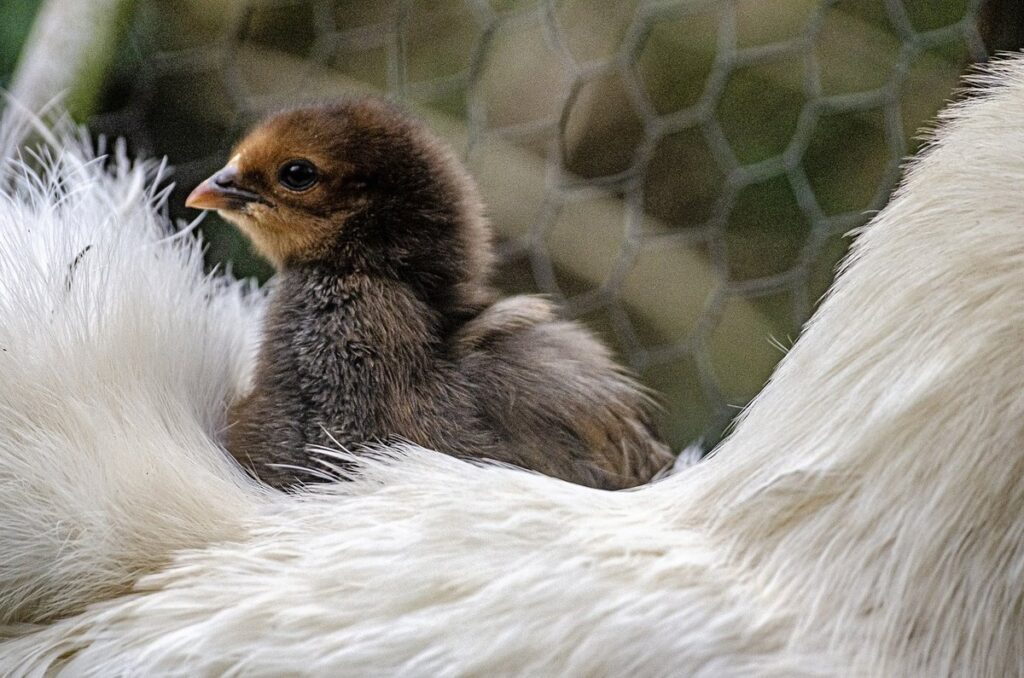
What is Inbreeding in Chickens?
When it comes to breeding chickens, you might have come across terms like inbreeding and linebreeding. Let’s start by understanding what inbreeding actually is.
The Risks of Inbreeding on Chicken Health
When you breed chickens with similar genetic makeup, it can lead to significant health risks. One of the primary concerns is the loss of genetic diversity. When chickens are inbred, they inherit the same genes from their parents and grandparents, which reduces their ability to adapt to changing environments and increases their susceptibility to diseases.
This reduced genetic diversity makes inbred chickens more vulnerable to common chicken illnesses like Marek’s disease and avian influenza. Studies have shown that inbred flocks are up to 20% more likely to contract these diseases than outbred flocks. Furthermore, inbreeding can also lead to the amplification of existing health problems, such as respiratory issues and poor immune function.
To avoid these risks, it’s essential to maintain a diverse gene pool when breeding chickens. This can be achieved by incorporating new bloodlines into your flock or using artificial insemination to introduce fresh genetic material. By taking steps to preserve genetic diversity, you can help ensure the long-term health and resilience of your chicken population.
How Inbreeding Affects Egg Production and Quality
When you’re working with chickens that have been subjected to inbreeding, it’s essential to be aware of the potential impact on their egg production and quality. Inbred chickens often experience a significant decrease in fertility rates, which can be attributed to genetic disorders caused by the close relationship between parents and offspring.
One notable effect of inbreeding is the reduction in eggshell thickness. This not only makes eggs more vulnerable to breakage but also affects their overall quality. Furthermore, the decreased fertility rate means that hens will produce fewer eggs or may even stop laying altogether.
A study conducted on a flock of inbred Leghorns found that these birds laid significantly fewer eggs than those from linebred flocks. This highlights the importance of maintaining genetic diversity when breeding chickens to ensure optimal performance and productivity. If you’re looking to improve your flock’s egg production, it’s crucial to weigh the risks associated with inbreeding against its potential benefits and consider adopting linebreeding methods instead.
What is Linebreeding in Chickens?
When it comes to chicken breeding, understanding linebreeding is crucial for improving traits and creating a healthier flock. This process involves carefully selecting birds from within a small, closely related group of chickens.
The Benefits of Linebreeding on Chicken Health
When done properly, linebreeding can have numerous benefits for chicken health. One of the primary advantages is improved disease resistance. By carefully selecting individuals from a proven foundation flock and breeding them back to their common ancestors, you can build up immunity to specific diseases within your flock. This is because you’re concentrating desirable traits, including genetic diversity that helps combat diseases.
Linebreeding can also help reduce genetic disorders by eliminating unwanted characteristics. By maintaining a small gene pool and carefully selecting parents, you can minimize the risk of inherited conditions such as ascites or reproductive issues. For instance, if you’re breeding chickens prone to respiratory problems, linebreeding can help eliminate this trait over generations.
It’s essential to note that proper management is key when implementing linebreeding. Careful selection and record-keeping are crucial in achieving successful results. If not done correctly, linebreeding can lead to similar issues associated with inbreeding, such as reduced fertility or increased susceptibility to disease. Regular health checks and monitoring of your flock’s overall well-being will help you make informed breeding decisions and ensure the success of your linebreeding program.
How Linebreeding Affects Egg Production and Quality
When done correctly, linebreeding can have a positive impact on egg production and quality. One of the benefits is increased fertility, which means that more eggs will be fertilized successfully. This is because linebreeding involves selecting birds with high fertility rates to breed together, increasing the chances of successful reproduction.
Higher eggshell thickness is another advantage of linebreeding. When birds are bred within a close family or pedigree, they tend to inherit characteristics such as strong bones and robust health, which contribute to thicker eggshells. Thicker eggshells also reduce the likelihood of breakage during handling and transportation, making it easier for farmers to transport eggs.
To achieve these benefits through linebreeding, it’s essential to carefully select birds with desirable traits and breed them within a manageable number of generations. This approach allows you to capitalize on the genetic advantages while minimizing inbreeding depression. For instance, breeding a highly fertile hen from one generation to another can lead to increased egg production and higher fertility rates over time.
Key Differences Between Inbreeding and Linebreeding
Now that you understand what inbreeding and linebreeding are, let’s dive into the key differences between these two breeding strategies. We’ll explore how they impact your flock’s health and productivity.
Genetic Diversity: The Main Concern with Inbreeding
Genetic diversity is crucial for maintaining healthy chicken populations. It ensures that birds are resilient to diseases and can adapt to changing environments. When chickens from the same family or close relatives interbreed, it reduces genetic diversity. This is because they share a large portion of their DNA, making them more susceptible to inherited health issues.
Inbreeding within a small group can lead to a lack of genetic variation. For instance, if you breed two birds with identical ancestors, the offspring may inherit genetic defects that their parents carried but didn’t exhibit. Over time, this can cause a range of problems, including reduced fertility and an increased likelihood of inherited diseases.
The consequences of inbreeding are evident when a disease sweeps through a flock that has been bred using this practice. The birds will be more vulnerable to the disease due to their limited genetic diversity, making it difficult for them to recover from the outbreak.
Breeder Selection: Choosing Parents for Linebreeding
When selecting parents for linebreeding, it’s essential to consider several key factors. First and foremost, temperament is crucial. You want parents that are calm, docile, and easy-going, as these traits will be passed down to their offspring. Imagine starting with a stressed or aggressive parent – the resulting chicks would likely exhibit similar behavior, making them challenging to handle.
Egg production is another vital consideration. If you’re looking to breed chickens for egg-laying purposes, select parents that are known for their prolificacy and consistent laying patterns. This ensures that your linebred flock will be productive and efficient.
Fertility is also a critical factor in parent selection. Make sure your rooster and hen have good fertility rates, as this will impact the overall success of your breeding program. Consider factors like sperm quality, egg yolk color, and general health to ensure optimal reproductive performance.
By carefully evaluating these factors, you can increase the chances of successful linebreeding and create a flock with desirable traits.
Understanding the EEAT Principles for Selecting Chicken Lines
To select the best chicken lines, you’ll need to understand the essential principles of EEAT – Economic Efficiency, Animal Health, Environmental Stewardship, and Transparency. This matters for breeding success.
Expertise: The Role of Experienced Breeders
Experienced breeders play a vital role in selecting chicken lines that meet EEAT principles. They possess in-depth knowledge of genetics and breeding practices, which enables them to identify desirable traits and characteristics within a specific breed.
When working with experienced breeders, you’ll gain access to high-quality stock that has been carefully selected and bred to meet the needs of your operation. These breeders will also be able to advise on the best feeding strategies, health management techniques, and other crucial factors necessary for optimal performance.
It’s essential to note that not all experienced breeders are created equal. Look for those with a proven track record of success, a deep understanding of genetics, and a commitment to quality breeding practices. They should be willing to share their knowledge with you and work collaboratively to develop a chicken line that meets your specific needs.
In practice, working with an experienced breeder can save you time, effort, and resources in the long run. By leveraging their expertise, you’ll be able to make informed decisions about which lines to select and how to improve them over time.
Authority: Building Trust with Breeders and Experts
Building trust with reputable breeders and experts is crucial for establishing authority on chicken breeding. To achieve this, it’s essential to engage with the community and demonstrate a genuine interest in their expertise. Start by attending poultry shows, conferences, or online forums where you can network with experienced breeders and learn about their lines.
Develop relationships with these individuals by asking questions, seeking advice, and sharing your own knowledge. This will help establish trust and credibility, as well as provide access to valuable resources and guidance. For instance, you could ask a reputable breeder for input on selecting the perfect chicken line for your flock or seek advice from an expert on identifying potential health issues.
When interacting with breeders and experts, be transparent about your goals and motivations. Share your experiences, successes, and setbacks to demonstrate your commitment to responsible breeding practices. By building trust through open communication and collaboration, you can establish yourself as a credible authority in the field of chicken breeding.
Linebreeding Techniques for Small-Scale Chicken Keepers
For small-scale chicken keepers, linebreeding can be a game-changer for breeding top-notch birds without the need for extensive inbreeding programs. We’ll explore how to make this technique work for you.
Selecting Suitable Breeds for Linebreeding
When selecting breeds for linebreeding, it’s essential to consider factors such as egg production, temperament, and climate. For small-scale chicken keepers, certain breeds are more suitable for linebreeding than others.
For example, the Silkie breed is known for its gentle temperament and high egg production, making it an excellent choice for linebreeding. This breed also excels in a variety of climates, from warm to cold temperatures. Another popular breed for linebreeding is the Polish, which is recognized for its friendly and docile nature.
When choosing breeds, consider their origin and adaptability. For instance, birds that originated in temperate regions may require more care in extreme climates. Look for breeds with a history of robust health and high fertility rates, such as the Leghorn or Australorp.
Before making your final selection, research each breed’s specific needs and requirements to ensure they align with your small-scale chicken keeping goals. With careful consideration, you can select breeds that thrive under linebreeding and provide a consistent supply of eggs while maintaining a healthy flock.
Managing Linebreeding Programs: Tips and Best Practices
Managing linebreeding programs effectively requires careful record-keeping and strategic breeding decisions. One essential aspect of linebreeding is maintaining accurate records of your flock’s pedigree, including breeding history, egg production data, and overall health. A well-maintained record book will help you identify desired traits, track progress over time, and make informed decisions about which birds to breed together.
When selecting individuals for linebreeding, consider factors like egg-laying performance, feather quality, and temperament. It’s also crucial to evaluate the birds’ genetic diversity, ensuring that you’re not introducing too much of a single trait. For instance, if you’re focused on improving egg size, select birds with desirable egg-laying characteristics while still maintaining a balance of genetic diversity.
To streamline your linebreeding program, consider implementing a color-coded system for tracking breeding pairs and offspring. This visual aid will help you quickly identify relationships between birds and make it easier to plan future breedings. Remember to also prioritize health checks and disease prevention measures to maintain the overall well-being of your flock.
Conclusion
Now that we’ve explored the ins and outs of inbreeding vs linebreeding, let’s summarize what you can take away from this comparison to improve your chicken breeding skills.
Recap of Key Points
To recap, let’s review the main points discussed in this article. Inbreeding and linebreeding are two distinct breeding practices used to improve chicken breeds, but they have different goals and outcomes.
Inbreeding involves breeding closely related chickens, typically within 5-10 generations, with the primary goal of fixing desirable traits quickly. However, this practice can lead to a loss of genetic diversity, increased susceptibility to diseases, and a higher risk of inherited disorders.
Linebreeding, on the other hand, involves selecting chickens from a narrow family line but not necessarily breeding them. This approach aims to concentrate desirable genes while preserving genetic diversity. By selecting individuals with superior characteristics and breeding them, you can create offspring that retain those traits without compromising overall health.
When deciding between inbreeding and linebreeding for your flock, consider the specific needs of your breed and your long-term goals. Remember that maintaining a healthy and diverse gene pool is crucial to ensuring the well-being of your chickens.
Final Thoughts on Inbreeding vs Linebreeding Chickens
As you’ve delved into the world of chicken breeding, it’s essential to remember that the right strategy can make all the difference in maintaining a healthy and thriving flock. Choosing between inbreeding and linebreeding may seem like a daunting task, but prioritizing genetic diversity should always be at the forefront of your decision-making process.
When deciding which approach to take, consider the long-term benefits of preserving genetic integrity within your breeding program. Inbreeding can lead to increased homozygosity, but it’s often the less desirable option due to its potential for reduced fertility and overall flock health. Linebreeding, on the other hand, allows for a more gradual introduction of new genetics while maintaining some level of control over the genetic makeup of your birds.
To ensure the longevity and success of your breeding program, aim to strike a balance between preserving existing traits and introducing fresh genetic material. This can be achieved by carefully selecting breeding stock with desirable characteristics and incorporating rotational breeding practices. By prioritizing diversity and implementing these strategies, you’ll set yourself up for long-term success in chicken keeping and breeding.
Frequently Asked Questions
Can I still achieve genetic diversity through linebreeding?
Yes, linebreeding can be an effective way to maintain or even improve genetic diversity within your flock. By selecting parents with similar but not identical genetic makeup, you can breed chickens that have a good balance of desirable traits while reducing the risks associated with inbreeding.
How long does it take to see the effects of linebreeding on egg production and quality?
The effects of linebreeding on egg production and quality may take several generations to become apparent. It’s essential to keep accurate records of your breeding program, including data on fertility rates, hatchability, and offspring performance, to monitor progress and make informed decisions.
What are some common mistakes to avoid when implementing a linebreeding program?
Some common mistakes to avoid include selecting parents that are too closely related, failing to maintain adequate genetic diversity, and not regularly assessing the health and productivity of your flock. It’s also crucial to have a clear understanding of your goals and selection criteria.
Can I use inbred chickens as part of my linebreeding program?
While it might be tempting to try to “rescue” inbred chickens by incorporating them into your linebreeding program, this is not recommended. Inbred chickens often have reduced fertility and increased susceptibility to disease, which can negatively impact the overall health and productivity of your flock.
How do I know if my linebreeding program is successful?
To determine the success of your linebreeding program, you should regularly evaluate key performance indicators such as fertility rates, hatchability, egg production, and offspring quality. You should also maintain detailed records to track progress over time and make data-driven decisions about future breeding plans.