
Incubating duck eggs can be a fun and rewarding experience for backyard farmers and enthusiasts, but it requires careful planning and attention to detail. Whether you’re looking to raise a few ducks on your property or simply want to try your hand at hatching some eggs, knowing the right techniques is crucial for success. But where do you start? In this comprehensive guide, we’ll walk you through the process of incubating duck eggs, from selecting the right breed to setting up your incubation equipment and expertly monitoring the hatch. We’ll cover everything you need to know to ensure a successful hatch, including breed selection, temperature control, turning techniques, and more. By the end of this article, you’ll be well on your way to successfully hatching duck eggs in your own incubator.
Choosing the Right Breeds and Egg Quality
When it comes to incubating duck eggs, selecting the right breeds is crucial for optimal fertility and hatch rates. Here, we’ll guide you through choosing the best breeds for successful hatching.
Understanding Duck Egg Characteristics
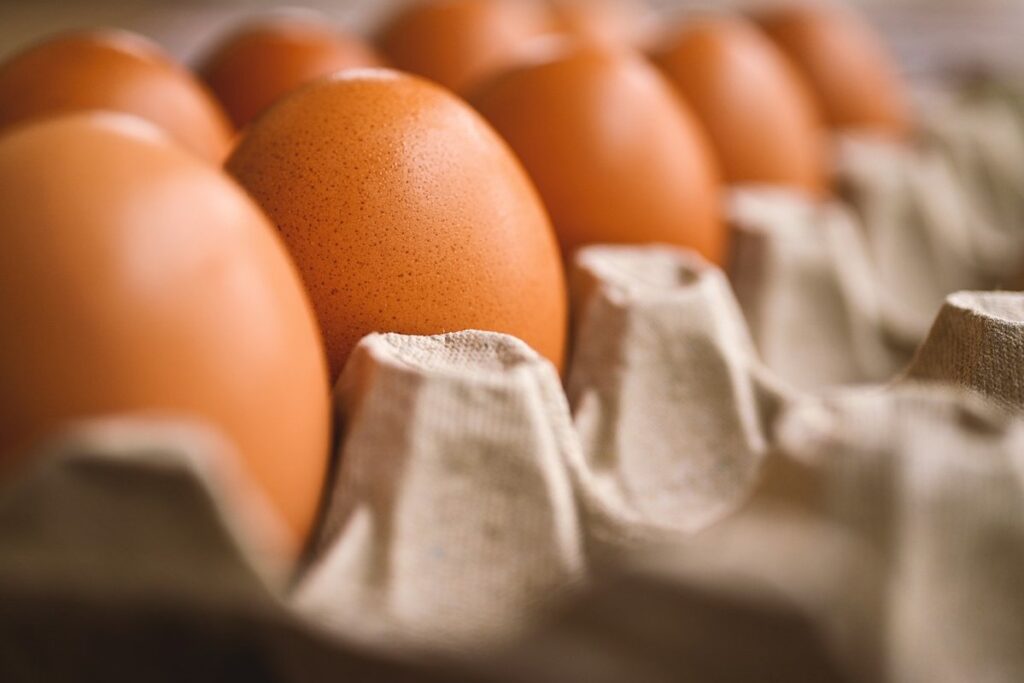
Duck eggs are larger and more dense than chicken eggs, with an average weight of 60-70 grams compared to a chicken egg’s 50-55 grams. This size difference is due to the duck’s reproductive system, which produces larger yolks to sustain their growing young. The shells of duck eggs are also thicker and more robust, making them more resistant to breakage during incubation.
Another key characteristic of duck eggs is their higher water content, typically around 25-30% compared to chicken eggs at 20-22%. This increased moisture can lead to issues with embryo development if not properly managed. As an incubator user, you’ll want to pay close attention to temperature and humidity levels to ensure the optimal environment for your duck embryos.
In terms of incubation, these characteristics mean that duck eggs typically require a slightly longer incubation period than chicken eggs – around 28-30 days compared to 21-22 days. With proper care and attention, however, you can successfully hatch healthy and vigorous ducklings from your eggs.
Selecting Healthy Parent Ducks for Breeding
When it comes to incubating duck eggs successfully, selecting healthy parent ducks is crucial. A good breeding history and genetics play a significant role in determining the quality of eggs produced by these birds. This, in turn, affects the likelihood of successful hatching.
To ensure you get high-quality duck eggs for incubation, look for parent ducks with excellent conformation, strong immune systems, and a proven track record of healthy offspring. A good starting point is to purchase breeding stock from reputable suppliers or other experienced duck breeders. Check if they have documentation on the parents’ pedigree, vaccination records, and genetic testing results.
Avoid selecting parent ducks with known health issues or those that are not well-suited for your climate or geographic region. For example, if you live in a hot and humid area, choose breeds that thrive in such conditions. Healthy parent ducks will not only produce high-quality eggs but also reduce the risk of disease transmission during incubation and after hatching.
Preparing for Incubation: Equipment and Environment
Before you start incubating your duck eggs, it’s essential to have a suitable environment and necessary equipment to ensure their safe development and hatch. This includes a brooder box, heat source, and hygrometer.
Setting Up a Suitable Brooder or Incubator
When setting up an incubator for duck eggs, it’s essential to choose one that suits your needs. There are two main types of incubators: digital and still-air models. Digital incubators use temperature control systems and humidity gauges to maintain precise conditions. They’re ideal for large quantities of eggs or if you’re new to incubation, as they provide a high degree of accuracy.
Still-air incubators, on the other hand, rely on manual temperature control and often require more maintenance. However, they can be more cost-effective and are suitable for smaller batches of eggs. When choosing an incubator, consider your space constraints, budget, and experience level.
Regardless of the type you choose, proper ventilation is crucial to prevent bacterial growth and keep the air fresh. Ensure that your incubator or brooder has adequate airflow, either through vents or a fan system. Temperature control is also vital; most duck eggs require an ambient temperature between 99°F (37°C) and 100°F (38°C). Maintain humidity levels around 50-60% to prevent drying out the eggs.
It’s essential to manage humidity effectively to prevent condensation buildup, which can lead to fungal growth. Use a hygrometer to monitor your incubator’s humidity levels and adjust as needed. With the right equipment and attention to detail, you’ll be well on your way to successfully incubating duck eggs.
Creating a Safe and Clean Incubation Environment
When it comes to incubating duck eggs successfully, creating a safe and clean environment is crucial for healthy embryo development. Start by sanitizing all equipment, including the incubator itself, turners, and any other devices that will come into contact with the eggs. Use a solution of one part white vinegar to nine parts water to wipe down surfaces and remove any bacteria or debris.
Maintaining a hygienic workspace is also essential. This means washing your hands thoroughly before handling eggs or equipment, and wearing clean clothing when working in the incubation area. It’s also a good idea to designate a specific area for egg handling and incubation to prevent cross-contamination with other pets or household items.
Proper airflow and lighting are equally important. Ensure that the incubator is well-ventilated to prevent the buildup of condensation, which can lead to mold growth. Aim for an air exchange rate of at least 3-4 times per hour. Additionally, provide a consistent light source, such as low-wattage LED bulbs, to simulate natural daylight and promote even temperature regulation within the incubator.
By following these simple steps, you’ll be well on your way to creating a safe and clean environment for your duck eggs to thrive in during incubation. Remember to regularly clean and maintain your equipment and workspace to ensure optimal conditions for healthy development.
Fertile Egg Selection and Handling
When selecting fertile duck eggs, it’s essential to choose high-quality eggs that are free from cracks and visible damage. Handling these eggs carefully will also help ensure a successful incubation process.
Inspecting Eggs for Fertility and Viability
When inspecting duck eggs for fertility and viability, it’s essential to consider several factors that can impact their chances of hatching successfully. Start by checking the egg weight; fertile eggs are typically heavier due to the developing embryo. Compare the weight of each egg to a standard duck egg weight chart to ensure they’re within the normal range.
Next, examine the egg shape and appearance for any visible cracks or damage. Even minor imperfections can compromise the embryo’s development. Check the shell texture and look for any unusual markings or discoloration, as these can be signs of reduced fertility.
To identify fertile eggs, gently submerge them in a bowl of water. Fertile eggs will typically sink to the bottom due to the air sac in the egg becoming displaced by the developing embryo. Non-fertile eggs will float. Keep in mind that this method isn’t foolproof and some non-fertile eggs may still appear viable.
It’s also crucial to select eggs with a clean, dry appearance and no signs of mold or bacteria growth, as these can contaminate the incubation environment. By carefully inspecting your duck eggs for fertility and viability, you’ll be more likely to achieve successful hatching rates in your incubator.
Candler Method: Checking Fertilization and Embryo Development
Candling is an essential step in ensuring that your duck eggs are fertilized and developing properly. To do this, you’ll need a flashlight or specialized candling equipment to illuminate the egg’s contents without breaking it. Hold the flashlight or candling equipment about 12 inches away from the large end of the egg, adjusting the light until you see a clear image.
A fertile duck embryo will appear as a dark spot with veins branching off from it, while an infertile embryo won’t have this network of vessels. At around day three to four post-fertilization, you’ll start to see a small white or pinkish dot forming in the center of the egg. This is the beginning of the embryo’s development.
As days pass, observe the growth and expansion of the embryo, looking for movement by about day 14-15. Take note that some duck breeds develop faster than others. Use this opportunity to monitor your eggs’ progress and make any necessary adjustments to incubation conditions, like temperature or humidity. Remember, candling is not a substitute for actual hatching – it’s just one tool in the process of successful incubation.
Incubation Techniques and Best Practices
When incubating duck eggs, it’s essential to follow specific techniques and best practices to ensure a successful hatch. This section will walk you through the key considerations for successful incubation of your duck eggs.
Establishing the Right Temperature and Humidity Levels
When it comes to incubating duck eggs successfully, maintaining the right temperature and humidity levels is crucial for healthy development. As a general rule of thumb, the optimal temperature range for incubating duck eggs is between 99°F (37°C) and 100°F (38°C). This narrow margin requires precise temperature control to ensure consistent conditions.
Maintaining consistent temperatures is essential for several reasons. Firstly, it helps regulate embryonic growth and development, ensuring that the embryo grows at a steady pace. Secondly, it reduces the risk of embryo malformations and other complications associated with temperature fluctuations. To achieve this, you’ll need to invest in a reliable incubator with precise temperature control.
Aim to maintain humidity levels between 50% to 60%. This will help prevent moisture loss from the eggs, ensuring they remain hydrated throughout the incubation period. By maintaining these optimal conditions, you’ll be well on your way to successfully hatching healthy ducklings. Remember to monitor and adjust your settings regularly to ensure consistent results.
Turning and Rotation: Ensuring Even Development
When it comes to incubating duck eggs successfully, turning and rotation are crucial for even development of the embryo. This is especially true for duck eggs, which can be more sensitive to temperature fluctuations than chicken eggs.
To ensure healthy growth, you’ll want to implement a regular turning and rotation schedule. A good rule of thumb is to turn the eggs 3-4 times a day, about every 6 hours. You can use an automatic egg turner or do it manually by hand. Make sure to rotate the eggs 180 degrees each time, so that the large end faces upwards.
Consistency is key when it comes to turning and rotation. Aim for a schedule that works with your daily routine, and stick to it. For example, you might set reminders on your phone to turn the eggs at 6am, 12pm, 6pm, and 9pm. By following this simple yet crucial step, you’ll be giving your duck embryos the best chance at developing evenly and healthily.
Remember, even development is essential for a strong, healthy duckling that’s ready to hatch when the time comes.
Monitoring and Troubleshooting
If you encounter any issues during incubation, this section will guide you through common problems and how to resolve them. We’ll cover troubleshooting tips and best practices for maintaining a healthy incubation environment.
Early Stages of Incubation: Watching for Signs of Life
As you carefully monitor the incubation process, it’s essential to be aware of the early signs of life within the duck eggs. During this critical period, keep a close eye on temperature and humidity levels to ensure optimal conditions for embryonic development.
Around 7-10 days after setting, you may start noticing slight changes in egg appearance. Fertilized eggs will show a faint darkening or mottling on the yolk, while the embryo itself will begin to develop at day 14. Keep an eye out for this subtle but significant change, which is often referred to as ‘blood ring’ formation.
Another crucial aspect of monitoring during early incubation is watching for potential issues that may arise. Be prepared for variations in egg size, weight, and even color due to factors like humidity fluctuations or inadequate temperature control. Keep a close eye on your thermometer and hygrometer to prevent these setbacks from impacting your duck eggs’ chances at success.
Monitor your eggs carefully around day 10-12 when embryonic development becomes more pronounced.
Identifying and Addressing Common Problems
As you embark on incubating duck eggs, it’s essential to be aware of common problems that may arise and know how to address them promptly. Cracked eggs can occur due to rough handling, improper storage, or temperature fluctuations. If an egg cracks during incubation, it’s best to carefully remove the embryo and inspect the damage. However, if the crack is minor and no contamination has occurred, you can still proceed with incubating the egg.
Stuck eggs are another common issue, usually caused by the egg not being properly turned or the air cell becoming too large. Check the egg’s position regularly, ensuring it’s turning correctly. You can also use a turner to facilitate this process. If an egg gets stuck, gently remove it and assess the situation. In some cases, you may need to reposition the egg or adjust the incubator settings.
Failed hatch rates can be disheartening, but there are often underlying causes that can be identified. Factors such as poor egg quality, inadequate temperature control, or inadequate humidity levels may contribute to low hatch success. Regularly monitoring your incubation environment and maintaining accurate records will help you identify potential issues before they lead to failed hatches.
Hatching and Rearing Ducklings
Now that you’ve successfully incubated your duck eggs, it’s time to focus on hatching them safely and raising strong, healthy ducklings. This next step is crucial for their growth and development into happy, thriving adult ducks.
Recognizing the Signs of Imminent Hatch
As you wait for your duck eggs to hatch, it’s essential to recognize the signs of imminent hatching. This will help you provide the necessary care and attention to the emerging ducklings. One of the first signs is pip marks on the shell – small puncture wounds caused by the beak as the duckling starts to break free.
As the duckling gains momentum, it will begin to peck at the eggshell more aggressively, creating a larger hole. This is known as beak pipping. You may see the top of the duckling’s head start to emerge from the shell, or even catch a glimpse of its eyes and beak poking through.
Keep in mind that these signs can vary depending on the individual duckling and the incubation environment. It’s crucial to monitor the eggs closely during this period, as hatching can happen quickly once pip marks appear. If you notice any of these signs, it’s essential to prepare for hatching by having a brooder or other suitable enclosure ready to receive the new arrivals.
After-Hatch Care: Providing Optimal Nutrition and Environment
Providing optimal nutrition and environment for newly hatched ducklings is crucial for their growth and survival. After hatch care should start from day one to ensure they have everything they need to thrive. Adequate nutrition is essential, offering a starter feed specifically formulated for waterfowl ducklings. This feed provides the necessary vitamins, minerals, and proteins for their rapid growth.
Hydration is also vital; make sure the waterer is shallow enough for them to drink comfortably. A good rule of thumb is to provide one gallon of water per duckling for every 24 hours. You can place a waterer in a corner or against a wall to prevent accidental drowning.
Creating an optimal space for rearing ducklings involves ensuring their shelter and safety. Provide a brooder with adequate ventilation, keeping it well-drained and easy to clean. A temperature range of around 90-95°F (32-35°C) is ideal during the first week. Use a heat source like a heat lamp or heat mat to maintain this temperature. You can also add some hiding places, such as cardboard boxes, to provide them with security. Make sure there’s enough space for the ducklings to move around comfortably without overcrowding.
Troubleshooting Common Issues and Post-Incubation Care
Don’t worry if things don’t go as planned, we’ll walk you through common issues that can arise during incubation and provide guidance on post-hatch care for your new ducklings.
Dealing with Failed Hatch Rates or Sick Ducklings
Failed hatch rates and sick ducklings can be distressing for even the most experienced incubators. These issues often arise due to inadequate pre-incubation care, incubator malfunctions, or contamination. To identify the causes, monitor temperature fluctuations, humidity levels, and turner settings closely during incubation.
Failed hatch rates may indicate inadequate air cell development, which can be caused by poor egg storage or delayed transfer to the incubator. Ensure that eggs are stored at room temperature (around 65-70°F) before transferring them to the incubator.
For sick ducklings, inspect for visible signs of illness such as labored breathing, lethargy, or discolored droppings. Administer a probiotic supplement specifically designed for waterfowl if the issue persists.
To prevent failed hatch rates and minimize the risk of sick ducklings:
* Ensure proper egg handling and storage
* Regularly clean and maintain your incubator
* Monitor temperature, humidity, and turner settings closely
* Disinfect hands and equipment to prevent cross-contamination
By addressing these common issues promptly, you can significantly improve hatch rates and ensure the health of your ducklings.
Providing Long-Term Nutrition and Health Support
Providing long-term nutrition and health support is crucial for growing ducklings to ensure they develop into healthy adult ducks. A balanced diet is essential, but it’s equally important to plan their feeding schedule carefully. Start by providing a starter feed that contains the necessary protein, vitamins, and minerals. As they grow, gradually transition them to layer or grower feed.
Regular health checks are also vital in detecting any potential issues early on. Keep an eye out for signs of illness such as diarrhea, lethargy, or loss of appetite. If you notice any of these symptoms, consult a veterinarian for advice. Schedule vaccinations if necessary, usually at around 3-4 weeks old.
Create a feeding schedule that allows ducklings to access food and water at all times. Divide their daily ration into 2-3 meals to prevent overeating. Ensure fresh water is available at all times and change it frequently to keep it clean. A healthy diet, coupled with regular health checks, will give your growing ducklings the best chance of developing into robust adult ducks.
Frequently Asked Questions
What are the most common issues I might encounter during incubation, and how can I troubleshoot them?
Common problems during incubation include temperature fluctuations, humidity control issues, or failed hatch rates. To troubleshoot these issues, carefully monitor your incubator’s temperature and humidity levels, ensure proper ventilation, and maintain a clean environment. Regularly inspect eggs for signs of damage or irregular development. If you encounter persistent problems, consult online resources or reach out to experienced duck breeders for guidance.
Can I use a standard chicken egg incubator for duck eggs, or do I need specialized equipment?
While some chicken egg incubators may work for duck eggs, it’s recommended to invest in a specifically designed incubator for ducks. This is because duck eggs have different size and weight requirements, which can affect temperature control and humidity levels. A dedicated duck incubator will ensure optimal conditions for successful hatching.
How often should I turn the eggs during incubation, and what are the consequences of not turning them?
Duck eggs require regular turning to prevent embryo deformation and promote even development. Turn your eggs at least 3-4 times a day, or use an automatic turner. Failure to turn eggs can lead to developmental issues, reduced hatch rates, or increased mortality among ducklings.
Can I incubate duck eggs in a home environment with temperature fluctuations, or do I need a dedicated space for the incubator?
While it’s possible to incubate duck eggs in a home environment, it’s crucial to maintain a stable temperature range (around 99-100°F) and humidity level. Avoid placing your incubator near heating vents, drafty windows, or other sources of temperature fluctuations. A separate room or dedicated space with minimal distractions will help ensure successful hatching.
How do I recognize the signs of imminent hatch in duck eggs, and what are the first steps to take?
As incubation approaches the end stage (around 24-26 days for most breeds), watch for slight egg weight loss, increased movement, or visible cracks on the shell. If you notice these signs, prepare your brooder by ensuring a warm, dry environment with adequate ventilation and nutrition. Keep in mind that some duck breeds may have longer incubation periods, so research specific breed requirements to anticipate their needs.