
If you’re considering adding Indian Runner ducks to your backyard flock, understanding their behavior is essential. These energetic and friendly birds are a delight to have around, but they can be challenging to manage if you don’t know what to expect. As social animals, Indian Runners thrive on interaction and attention from their human caregivers. Early socialization is crucial in shaping their temperament and helping them become confident, affectionate pets. In this article, we’ll delve into the fascinating world of Indian Runner duck behavior, exploring their natural tendencies, energetic nature, and importance of early socialization. By understanding these key aspects, you’ll be better equipped to provide a happy and stimulating environment for your feathered friends.
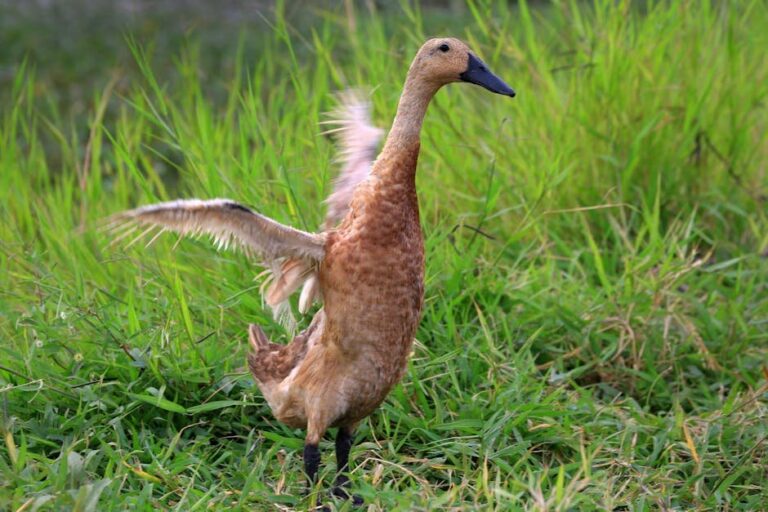
Introduction to Indian Runner Ducks
Let’s dive into the fascinating world of Indian Runner ducks, one of the most recognizable and beloved waterfowl species. You’ll learn their unique characteristics and quirks.
Brief History of Indian Runner Ducks
The origins of Indian Runner ducks date back to Asia, where they were bred from wild Mallard ducks. Their early history is shrouded in mystery, but it’s believed that they were first domesticated over 2,000 years ago. Archaeologists have discovered evidence of duck farming in ancient China and Southeast Asia, suggesting that these breeds were highly valued for their meat, eggs, and feathers.
As agriculture and trade routes expanded across the globe, Indian Runner ducks spread to Europe and other parts of the world. By the 19th century, they had become a popular breed among farmers and hobbyists alike. One reason for their widespread adoption was their impressive speed – Indian Runners can reach speeds of up to 15 miles per hour, making them well-suited for racing and egg production.
Today, Indian Runner ducks are prized by backyard duck enthusiasts for their unique characteristics, including their upright posture and energetic personalities. By understanding the breed’s rich history, you’ll gain a deeper appreciation for these lovable birds and be better equipped to meet their specific needs in your own flock.
Purpose of Keeping Indian Runner Ducks
Many people are drawn to Indian Runner ducks as pets due to their striking appearance and entertaining antics. One of the primary reasons owners adore these birds is because of their social nature. Unlike some other duck breeds, Indian Runners thrive on interaction with humans and can even form close bonds with their owners.
Their ability to adapt to domestic life makes them a great choice for families or individuals who want to keep ducks as pets. Indian Runners are relatively low-maintenance compared to other duck breeds, requiring less space and care. They’re also known to be quite vocal, often communicating with their owners in various quacks and sounds, which can become endearing and entertaining.
Their high level of social interaction is one of the joys of owning an Indian Runner. They love to play, explore, and engage in activities with their owners. This close bond between humans and ducks makes them a great choice for families or individuals who want to experience the companionship and joy of having ducks as pets.
In fact, many people keep Indian Runners as therapy animals due to their calm and gentle nature. With proper care and attention, they can become loving and loyal companions that bring immense joy and happiness to those around them.
Temperament and Socialization
Understanding an Indian Runner Duck‘s temperament is crucial for their socialization, as it greatly impacts how they interact with you and other ducks. Let’s dive into what to expect from these energetic birds.
Understanding Indian Runner Duck Temperament
Indian Runners are indeed known for their lively and social nature, making them an excellent choice as backyard pets. If you’re considering bringing one home, it’s essential to understand their temperament to provide the best possible care. One of the most notable characteristics of Indian Runner ducks is their boundless curiosity. They love to explore their surroundings, investigate new sights and sounds, and can often be found poking around in gardens or under bushes.
Their playful nature is another defining trait. Indian Runners have been known to engage in lively games of chase, especially when they’re younger. They also enjoy splashing around in water, so a dedicated pool or kiddie pool will keep them entertained for hours. What’s more, these ducks are incredibly affectionate. They thrive on interaction and will often nuzzle their owners for pets and scratches behind the ears. If you’re an experienced duck owner, you know that socialization is key to developing a strong bond with your feathered friends. With Indian Runners, this couldn’t be truer – spend quality time with them daily, and they’ll reward you with loyalty and love in return.
Importance of Early Socialization
Socializing your Indian Runner duck is one of the most critical aspects of developing a calm and well-adjusted pet. When introduced to new environments, people, and other animals, socialization helps them develop confidence and reduces stress. If not properly socialized, Indian Runners can become fearful or aggressive towards others.
To start socializing your Indian Runner, begin by introducing them to their surroundings at an early age. Start with a quiet room or area where they won’t feel overwhelmed. Gradually expose them to new sights, sounds, and smells. Introduce other animals, such as dogs, cats, and even smaller birds, under close supervision.
When interacting with people, ensure that children are gentle and calm around the duck. Avoid loud noises and sudden movements, which can startle your Indian Runner. For best results, socialize them in short sessions of 10-15 minutes, several times a day. This will help them become more confident and less anxious when encountering new situations.
Communication and Vocalizations
Indian Runner ducks communicate effectively through a variety of sounds, including quacks, whistles, and hisses. Understanding these vocalizations is key to building a strong bond with your feathered friends.
Understanding Indian Runner Duck Communication
When it comes to Indian Runner duck communication, vocalizations play a vital role in conveying emotions and intentions. These birds use a range of sounds to convey their needs, from soft murmurs to loud squawks. One of the most distinctive sounds is the alarm call, which serves as a warning signal for potential predators or threats.
To identify an alarm call, listen for a sharp, high-pitched quack, often accompanied by agitated flapping of wings and feathers. This sound can be triggered by anything from unexpected noises to perceived danger from other animals. In response to the alarm call, your Indian Runner duck may become more vigilant, pacing around its enclosure or watching the source of the disturbance.
To build a stronger bond with your feathered friend, it’s essential to understand these communication patterns. Pay attention to the tone and pitch of your Indian Runner’s calls, as well as any changes in behavior that might indicate distress or alarm. By being attuned to their vocal cues, you can provide a safer and more responsive environment for your duck.
Identifying Common Vocalizations
Indian Runner ducks are known for their unique and varied vocalizations, which can be quite different from other duck breeds. If you’re an Indian Runner duck owner, it’s not uncommon to find yourself wondering what all the fuss is about when they start quacking, whistling, or even making high-pitched squeaks.
One of the most distinctive calls is the loud, sharp “kek-kek-kek” sound, often used for contact and communication between family members. This call can signal that your duck is looking for you or needs attention. On the other hand, a softer “quack-quack” may indicate contentment or pleasure when interacting with its flock.
You might also notice your Indian Runner duck making high-pitched whistling sounds, which can be a sign of excitement or alarm. This could be in response to a new environment, the presence of predators, or even just seeing you approach their enclosure.
By paying attention to these vocalizations, you can gain valuable insights into your Indian Runner duck’s emotional state and needs.
Training and Handling
To bring out the best in your Indian Runner duck, it’s essential to understand how they respond to training and handling. Here, we’ll cover some valuable tips on taming these birds.
Basic Training Techniques for Indian Runners
When it comes to training your Indian Runner duck, patience is key. These birds can be strong-willed and independent, so consistency and positive reinforcement techniques are essential. To start with the basics, let’s begin with housebreaking.
Indian Runners need regular exercise and space to move around, but this can also lead to accidents if not properly managed. To prevent messes, designate a specific area for your duck to do its business. Reward your bird with treats or praise when it uses the designated spot. For example, you can place a few of their favorite snacks near the area to associate the location with good behavior.
Teaching basic commands like “come” and “stay” is also crucial for Indian Runners. Use a consistent tone and phrase, such as “come here, [duck’s name]” when calling your bird. Be patient and encouraging as you introduce new activities, like swimming or agility training. Start slow and build up to more challenging exercises to avoid overwhelming your duck.
Remember, every duck is unique, so be prepared to adapt your training approach based on your Indian Runner’s personality and learning style. With time and practice, you’ll develop a strong bond with your bird and unlock its full potential.
Tips for Safe Handling and Restraint
When it comes to handling Indian Runners, it’s essential to approach them with caution and respect. These strong-willed birds can be challenging to restrain, especially if they’re not properly socialized from an early age.
To safely handle your Indian Runner, start by getting to know their temperament. Observe how they interact with you and other ducks in the flock. Some may be more aggressive than others, while some may be more affectionate. Understanding their individual personality will help you tailor your handling approach.
When it’s time to restrain your Indian Runner, make sure to support their wings properly. Hold one wing gently but firmly, taking care not to squeeze or constrict it. Use your other hand to cradle the duck under its body, making sure to keep its head secure and calm. It’s also crucial to prevent any sudden movements, which can startle them and lead to injury.
To prevent injuries when handling Indian Runners, be mindful of their powerful kicking abilities. If you need to pick up your bird, do so gently but firmly, supporting the duck under its body and keeping its wings secure. Avoid picking up your bird by the legs or tail feathers, as this can cause discomfort and even injury. With patience, gentle handling, and proper restraint techniques, you’ll be able to safely interact with your Indian Runner and build a strong bond.
Health Considerations and Nutrition
When caring for Indian Runner ducks, it’s essential to consider their specific health needs and nutritional requirements. This includes feeding them a balanced diet and monitoring for potential health issues that may arise.
Common Health Issues Affecting Indian Runners
As an Indian runner duck owner, it’s essential to be aware of the common health issues that can affect your feathered friend. Despite their hardiness, these ducks are prone to certain problems due to their unique characteristics and living conditions.
One of the most significant health concerns for Indian runners is respiratory problems. The breed’s flat face and narrow nostrils make them more susceptible to breathing difficulties, especially in hot and humid environments. To prevent respiratory issues, ensure your duck has access to a clean, well-ventilated enclosure with adequate space to move around. Regular exercise and dust baths can also help keep their airways clear.
Vitamin deficiencies are another common health issue affecting Indian runners. A diet rich in fruits, vegetables, and whole grains is crucial to prevent nutritional deficiencies. Supplementing their diet with calcium and vitamin D3 can also help maintain strong bones and immune systems. Regular monitoring of your duck’s droppings and behavior will help you identify any potential health problems early on, allowing for prompt treatment and prevention of further complications.
Maintaining a balanced diet and providing a clean living environment are key to preventing common health issues in Indian runner ducks. By being aware of these potential health concerns and taking proactive steps, you can ensure your feathered friend stays happy and healthy.
Nutritional Requirements for Indian Runner Ducks
To ensure your Indian Runners are getting the nutrients they need to thrive, it’s essential to understand their nutritional requirements. As omnivores, they require a balanced diet that includes protein-rich foods like insects, seeds, and grains. A good quality commercial duck pellets or game bird feed should form the basis of their diet, supplemented with fresh vegetables and fruits.
Aim to provide at least 50% of your Indian Runner’s daily calorie intake through pellets, while the remaining 50% can come from a mix of whole foods like oats, barley, and wheat. Leafy greens such as kale, spinach, and lettuce are also great additions to their diet. Avoid giving them too much protein-rich food, as this can lead to kidney problems.
In terms of treats, offering mealworms or crickets in moderation is beneficial for their health. However, it’s crucial not to overdo it on the treats – stick to 1-2 handfuls per week. Providing a calcium supplement will also help support strong bone development. Fresh water should always be available, and their feeding trough should be kept clean to prevent bacterial growth.
Breeding and Caring for Indian Runners
When it comes to breeding and caring for Indian Runner ducks, understanding their unique needs is crucial for a happy and healthy flock. Let’s dive into the specifics of breeding and caring for these charming birds.
Understanding Indian Runner Duck Breeding
Breeding Indian Runners requires careful consideration of several factors to ensure a successful and healthy process. When selecting suitable mates for breeding, it’s essential to look for birds that exhibit good temperament, are free from genetic disorders, and have a strong instinct to breed. Typically, Indian Runner ducks are bred in pairs or trios, with one male and two females. This allows the males to compete for mating rights, promoting a healthier genetic pool.
To understand egg-laying patterns, observe your female Indian Runners’ behavior during breeding season. They usually lay eggs every 24-28 hours, but this can vary depending on factors such as nutrition and environmental conditions. Newborn ducklings require specialized care, including a warm brooder with adequate ventilation, proper lighting, and a nutritious diet of starter feed.
When caring for newborn ducklings, ensure their environment is free from drafts and maintain a temperature range between 85-90°F (29-32°C) during the first week. Monitor their weight gain and adjust feeding schedules accordingly to prevent overfeeding or underfeeding.
Tips for Caring for Multiple Ducks
When keeping multiple Indian Runners together, it’s essential to introduce new birds gradually and under close supervision. Start by separating the new duck from its original flock for a few days before introducing them to each other in a neutral area. Monitor their behavior and body language closely, watching for signs of aggression or fear.
To create a harmonious flock environment, ensure that each duck has enough space to roam and exercise. A general rule of thumb is to provide at least 2-3 square feet of space per duck inside the coop, and 10-15 square feet in the run. Provide multiple perches, nesting boxes, and feeding areas to prevent competition and stress.
Conflicts can arise when dominant ducks assert their dominance or when new birds feel threatened. To manage these situations, establish a pecking order by allowing the birds to interact freely under close supervision. Remove any aggressive birds from the flock if necessary, and provide plenty of hiding places for stressed or anxious ducks. With patience, consistency, and proper management, multiple Indian Runners can thrive together in harmony.
Conclusion: Enjoying Your Indian Runner Duck Companion
Now that you’ve learned all about their behavior, let’s talk about how to make the most of your Indian Runner duck companion and enjoy a wonderful friendship.
Final Thoughts on the Joy of Keeping Indian Runners
As you’ve come to know and appreciate your Indian Runner duck’s unique personality, it’s essential to remember that their behavior is a reflection of their natural instincts. By embracing these traits, you can strengthen the bond between you and your feathered friend.
Indian Runners are known for their energetic and curious nature, which makes them entertaining companions. But this also means they require regular exercise and mental stimulation to prevent boredom and stress. Make sure to provide a spacious enclosure or a securely fenced area where your duck can run around and engage in physical activity.
In addition to providing for their physical needs, it’s crucial to understand and respect their social nature. Indian Runners are best suited for households with experienced bird owners or those who can dedicate time to interacting with them regularly. With patience, understanding, and consistent interaction, you’ll find that your Indian Runner duck becomes a loyal and loving companion.
By embracing the unique qualities of your Indian Runner duck, you’ll discover the joy of having these charming birds in your life.
Encouragement to Share Your Experiences
We hope that by now you’ve formed a strong bond with your Indian Runner duck and are enjoying their unique personality. As we conclude our exploration of their social and temperamental traits, we’d love for you to share your own experiences with keeping these fascinating birds.
Indian Runners have a way of captivating their owners with their antics, quirks, and affectionate nature. We’ve heard countless stories from readers about their Indian Runner’s ability to adapt to different living situations, from small backyards to apartments, as long as they’re provided with enough space to roam and exercise.
If you’re an experienced Indian Runner owner, we invite you to share your own stories and tips on how to make the most of this breed’s unique characteristics. Perhaps you’ve discovered a particular food or enrichment activity that brings out their playful side? Maybe you’ve found ways to manage their noise levels or prevent them from getting too rowdy in the yard?
By sharing your experiences, you can help others who may be struggling with specific issues related to Indian Runner care and behavior. Together, we can build a community of duck enthusiasts who can offer support, advice, and encouragement to one another. So, don’t be shy – tell us about your feathered friends!
Frequently Asked Questions
How Do I Introduce My Indian Runner Ducks to Other Pets in the Household?
Introducing your Indian Runners to other pets requires patience and careful planning. Start by keeping them separated, allowing them to become familiar with each other’s scents and sounds. Gradually increase their interactions under close supervision. Reward calm behavior and separate them if you notice any aggression or stress.
What Happens If I Ignore Early Socialization of My Indian Runners?
Ignoring early socialization can lead to fearful and aggressive behavior in your Indian Runners. They may become anxious around humans, exhibit feather pecking, or even attack other ducks. Proper socialization helps them develop a confident temperament, making them more affectionate and easier to manage.
Can I Keep Indian Runners Alone If I Have a Busy Schedule?
While it’s possible to keep Indian Runners alone for short periods, they thrive on interaction and attention from their human caregivers. Leaving them unattended for extended periods can lead to boredom, stress, and destructive behavior. Consider investing in automated feeders or asking a trusted neighbor to check on them daily.
How Do I Recognize the Signs of Health Issues in My Indian Runners?
Monitor your ducks’ appetite, droppings, and feather condition regularly. Look out for changes in their vocalizations, as they may signal health issues like respiratory problems or infections. Consult with a veterinarian experienced in waterfowl care to address any concerns promptly.
What Are Some Tips for Caring for Multiple Indian Runners?
When caring for multiple ducks, provide a spacious enclosure that allows them to exercise and move freely. Ensure each duck has its own nesting box and adequate space to roam without feeling crowded or territorial. Consider implementing a rotation schedule for feeding and attention to avoid favoritism and maintain harmony within the flock.