
Indian Runner ducks are not just a delight to watch with their energetic runs, but also make wonderful pets for those willing to provide the right care. As an Indian Runner duck owner, you want to ensure your feathered friends stay happy and healthy. But where do you start? With so much information out there, it’s easy to get overwhelmed. That’s why we’ve put together this comprehensive guide on caring for your Indian Runners. In this article, we’ll cover everything from providing the perfect housing and nutritious diet to monitoring their health and spotting potential issues early on. Whether you’re a seasoned duck owner or just starting out, our expert advice will help you give your Indian Runners the best possible life.
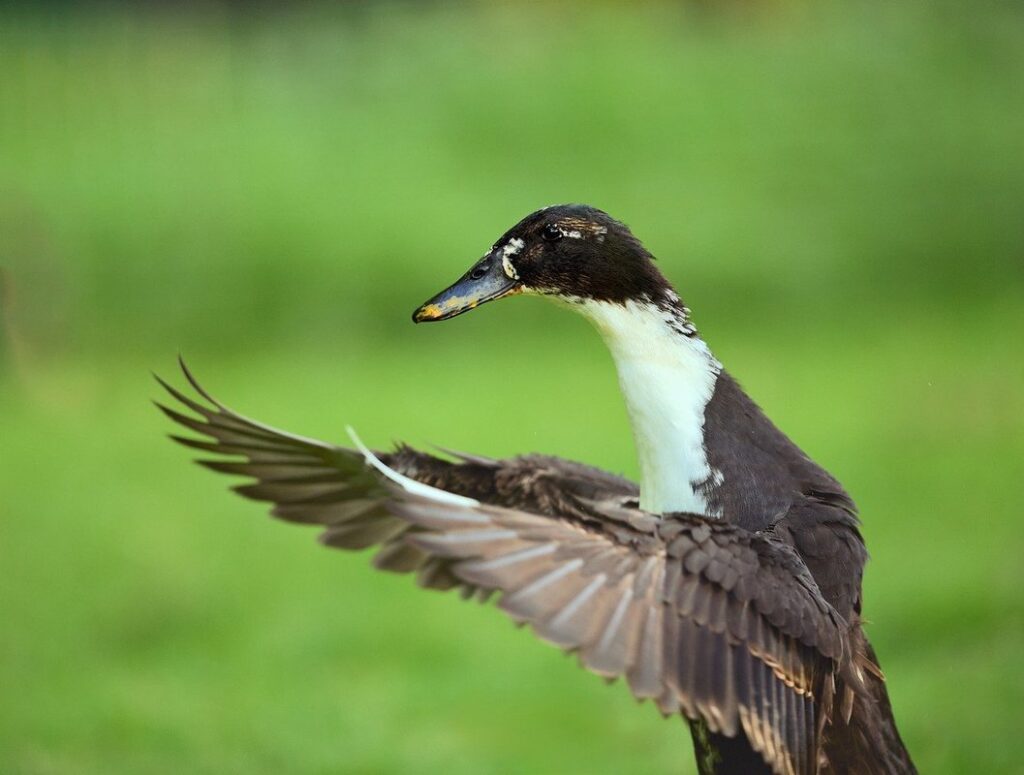
Introduction to Indian Runner Ducks
Indian runner ducks are a popular breed known for their unique characteristics and energetic personalities, making them a great addition to many backyard flocks. In this section, we’ll delve into what makes these ducks so special.
Brief History and Origin
The Indian Runner duck breed has its roots in ancient China, where they were prized for their unique characteristics and high egg-laying abilities. These ducks were selectively bred over centuries to produce the modern Indian Runner duck we know today. One of the most distinctive features of this breed is their upright posture, which sets them apart from other duck breeds. Their legs are positioned under their body, giving them a “running” appearance.
The name ‘Indian Runner’ was likely given to the breed due to its popularity in India and its reputation for being fast and energetic. Indian Runners have been used as working ducks on farms and homesteads for centuries, helping to control pests and provide eggs. Their high energy level also makes them well-suited for free-range living, where they can roam and forage freely.
Today, the Indian Runner duck is a popular backyard pet due to its friendly, outgoing personality and low-maintenance care requirements. With proper care and attention, these ducks can thrive in a variety of environments, making them an excellent choice for both experienced and novice duck keepers.
Characteristics and Temperament
When it comes to Indian Runner ducks, you’ll quickly notice their striking physical characteristics and unique temperament. These birds are known for their impressive speed, reaching up to 15 miles per hour, making them a joy to watch.
Physically, Indian Runners have a slender build, long neck, and legs that are perfectly suited for sprinting. They come in a variety of colors, including white, blue, black, and many bi-colored combinations. One thing to note is that they have a natural inclination to be flighty, so make sure you provide them with adequate space to move around.
In terms of egg-laying habits, Indian Runners are prolific layers, producing an average of 300-320 large white eggs per year. They are also known for their friendly and social nature, making them a great addition to backyard flocks. When introducing new ducks to your existing flock, make sure to do it slowly and under close supervision to avoid any conflicts.
Overall, Indian Runners are a delightful breed that can bring plenty of joy and entertainment to your backyard with their energetic and playful personalities.
Why Keep Indian Runners as Pets?
If you’re considering bringing home an Indian Runner duck as a pet, you might be wondering what makes them such great companions. One of the most significant advantages of keeping Indian Runner ducks is their low-maintenance care. Unlike some other breeds, they are relatively easy to care for and can thrive in small spaces, making them perfect for backyard flocks or even urban dwellers.
Indian Runners are known for their entertaining personalities, too. They’re social birds that love interacting with humans and other animals, so you’ll often find them waddling around the yard, exploring their surroundings, or even playing fetch. This friendly demeanor makes them an excellent choice for families with children or for people who want a pet that’s easy to manage.
What’s more, Indian Runners are relatively quiet compared to some other duck breeds, which can be a bonus if you live in a residential area. Plus, their small size and gentle nature mean they require minimal space and equipment, making them an ideal choice for those with limited resources or experience caring for waterfowl.
Housing and Enclosures for Indian Runners
When it comes to keeping your Indian Runners happy and healthy, a safe and secure enclosure is essential. Let’s dive into the best housing and enclosure options for these energetic birds.
Essential Requirements
When it comes to keeping Indian Runner ducks happy and healthy, it’s essential to provide them with suitable housing and enclosures that meet their specific needs. A minimum of 2-3 square feet of space per duck is recommended for a single bird, but if you’re planning to keep a flock, aim for at least 10-15 square feet per duck.
In terms of equipment, Indian Runners require a secure and sturdy enclosure that protects them from predators and harsh weather conditions. A run with a minimum height of 3 feet and a width of 6-8 feet is ideal, but ensure it’s escape-proof to prevent your ducks from flying away or getting injured.
A safe and comfortable nesting area is also crucial for Indian Runner hens. Provide a dedicated nesting box that’s at least 2×2 feet in size and easily accessible from the outside. Make sure it’s well-ventilated and has adequate lighting to encourage healthy breeding habits.
When designing your enclosure, remember to incorporate essential features such as perches, roosting bars, and water sources within easy reach of your ducks. A good rule of thumb is to provide at least one square foot of swimming space for every two ducks. By meeting these basic requirements, you’ll be well on your way to creating a happy and healthy environment for your Indian Runners.
Coop Design and Construction
When it comes to housing your Indian Runners, a well-designed coop is essential for their health and happiness. You’ll want to create a space that provides protection from predators, adequate ventilation, and comfortable nesting areas.
To start, consider the size of your coop. A good rule of thumb is to provide at least 3-4 square feet per duck inside the coop, plus an additional 2-3 square feet for the run or outdoor area. This will give them enough room to move around comfortably.
Ventilation is also crucial in a duck coop. You’ll want to ensure that there’s good airflow throughout the coop to prevent ammonia buildup from their droppings. Consider adding windows and vents, but be sure to cover them with hardware cloth to keep predators out.
Nesting boxes are another essential feature of a duck coop. Provide one nesting box per 3-4 ducks, and make sure it’s at least 12 inches wide and 18 inches deep. You can also add a roof or canopy over the nesting area to protect your ducks from the elements.
When building your coop, choose durable materials like wood or metal that can withstand the elements. Add some decorative touches like perches, feeders, and waterers to make it a welcoming space for your Indian Runners.
Fencing and Enclosure Options
When it comes to housing and enclosures for Indian Runners, one of the most crucial aspects is ensuring they have a safe and secure area to roam. To prevent them from flying away or getting injured, you’ll need to choose the right fencing material and design an enclosure that suits their needs.
Electric fencing can be an effective option, but it’s essential to use poultry-grade wire with a high resistance to withstand frequent wetting and exposure to sunlight. The wire should be installed at least 12 inches off the ground to prevent digging escape artists from burrowing underneath. Netting is another popular choice for containing Indian Runners, offering a more forgiving solution than electric fencing.
Consider using netting with openings of about 1 inch or smaller to prevent even the smallest birds from escaping. The enclosure itself should be sturdy enough to withstand wind and weather conditions, ideally made from durable materials like wood or metal. A minimum size of at least 2×3 feet per bird is recommended to allow them ample space for movement and exercise.
Nutrition and Diet for Indian Runner Ducks
When it comes to keeping your Indian Runner ducks happy and healthy, providing a balanced diet is essential. This section will explore their nutritional needs and dietary requirements.
Dietary Needs and Requirements
When it comes to meeting the dietary needs of your Indian Runner ducks, there are several key factors to consider. These birds require a balanced diet that is rich in protein and essential nutrients. A good quality commercial duck feed should form the main staple of their diet, providing around 16-18% protein content.
However, as with all animals, it’s not just about the quantity but also the quality of what they eat. Indian Runner ducks have specific requirements when it comes to calcium intake, particularly if you’re planning to breed them. A lack of sufficient calcium can lead to weakened eggshells and other health problems.
To ensure your flock is getting enough calcium, consider supplementing their diet with crushed oyster shells or dark leafy greens like kale or spinach. Aim to provide around 2-3% calcium content in the feed. You can also add a small amount of grit to help with digestion.
Remember to always follow the manufacturer’s guidelines when introducing new foods or supplements to your ducks’ diet, and make sure they have access to fresh water at all times. By paying attention to their nutritional needs, you’ll be well on your way to raising healthy and thriving Indian Runner ducks.
Feeding Options and Types
When it comes to feeding your Indian Runner ducks, you have several options to choose from. One of the easiest and most convenient options is commercial duck pellets, which provide a balanced diet that meets their nutritional needs. However, it’s essential to introduce a variety of foods to ensure they receive all the necessary nutrients.
In addition to pellets, fruits like berries, melons, and apples can be given in moderation as treats. Leafy greens such as kale, spinach, and collard greens are also excellent choices, but make sure to provide them fresh and not wilted. Grains like oats, barley, and wheat can be given as occasional treats.
When introducing new foods, start with small portions (about 1/4 cup) and gradually increase the amount based on their appetite. It’s also crucial to ensure that fresh water is always available for drinking. A general rule of thumb is to provide about 1/2 cup of pellets per duck per day, supplemented with fruits and vegetables as needed.
Remember to avoid giving them foods high in sugar, fat, or salt, such as processed snacks or table scraps. By mixing up their diet and providing a balanced mix of commercial pellets, fruits, vegetables, and grains, you can ensure your Indian Runner ducks receive the nutrients they need to thrive.
Treats and Supplements
When it comes to providing treats and supplements for your Indian Runner ducks, it’s essential to make informed choices that promote their overall health and well-being. These birds are prone to obesity, so it’s crucial to limit human food and treats that can lead to weight gain.
Stick to healthy treat options like leafy greens, fruits, and vegetables. Some great choices include kale, spinach, carrots, apples, and berries. You can also offer whole grains like oats or barley, but avoid giving them too much as it can cause digestive issues.
One of the most significant mistakes many duck owners make is overindulging their pets with human food. While an occasional piece of cooked chicken or egg might not harm, regular consumption can lead to nutritional imbalances and weight gain. Limit treats to no more than 10% of your duck’s daily calorie intake. Instead, focus on providing a balanced commercial feed as the main staple.
Some other healthy supplement options include probiotics, which support digestive health, and calcium supplements to promote strong eggshell production. Always consult with a veterinarian before introducing new supplements into your duck’s diet.
Health Considerations for Indian Runner Ducks
When it comes to keeping your Indian Runners happy and healthy, there are several health considerations you’ll want to be aware of. From common illnesses to nutritional needs, we’ve got you covered!
Common Health Issues
Indian Runner ducks are generally hardy birds, but like all breeds, they can be prone to certain health issues. One of the most common problems is respiratory distress, often caused by dust or mold buildup in their environment. To prevent this, ensure good ventilation in their enclosure and maintain a clean living space.
Another issue that may arise is feather pecking, which can lead to stress and even cannibalism among your flock. This behavior is usually triggered by nutritional deficiencies or boredom. Keep an eye on your birds’ diet and make sure they have access to fresh veggies and fruits daily. You can also try rotating their toys and activities to keep them engaged.
Regular health checks are crucial in detecting any potential problems early on. Monitor your ducks’ appetite, droppings, and behavior closely, and seek veterinary advice if you notice anything unusual. By being proactive and attentive to your Indian Runner’s needs, you can minimize the risk of these common issues and ensure a long and healthy life for your feathered friends.
Some telltale signs of respiratory problems include labored breathing, wheezing, or discharge from the eyes or nostrils. Feather pecking often manifests as excessive pecking at their own feathers or those of other birds in the flock.
Vaccinations and Preventative Care
As an Indian Runner duck owner, it’s essential to prioritize vaccinations and preventative care to protect your feathered friends from diseases. While Indian Runners are generally a hardy breed, they can still be susceptible to certain health issues if not properly cared for.
The most common diseases affecting Indian Runners include Avian Influenza, Marek’s disease, and Duck Plague. To prevent these diseases, it’s crucial to maintain good hygiene practices in your duckery, such as cleaning feeding areas regularly, disinfecting equipment, and washing your hands before handling the ducks.
A veterinarian-recommended vaccination schedule can help protect your Indian Runners from these diseases. Typically, this includes a series of vaccinations starting at 4-6 weeks old, with boosters administered every 3-4 months thereafter. Make sure to consult with a local avian expert or veterinarian to determine the best vaccination plan for your region.
It’s also crucial to practice preventative care by monitoring your ducks’ health closely and seeking veterinary attention if you notice any unusual signs of illness.
First Aid and Emergency Procedures
As an Indian Runner duck owner, it’s essential to be prepared for emergencies and know basic first aid techniques. Accidents can happen, and knowing what to do can make all the difference in keeping your feathered friend safe.
Firstly, familiarize yourself with common health issues that affect Indian Runners, such as respiratory problems, parasites, and injuries caused by collisions or predators. A well-stocked duck first-aid kit should include supplies like antiseptic wipes, bandages, tweezers, and a thermometer. In case of an emergency, keep a list of your local vet’s contact information handy.
In the event of an injury, gently clean the affected area with saline solution or mild soap. Apply antibiotic ointment to prevent infection. If you’re unsure about the severity of the injury, it’s always best to err on the side of caution and consult your veterinarian. For respiratory issues, ensure good ventilation in your coop and keep an eye out for signs of distress like labored breathing or wheezing.
Breeding and Reproduction for Indian Runner Ducks
Breeding Indian Runners can be a fun and rewarding experience, but it requires careful planning and understanding of their unique reproductive needs. Let’s explore the ins and outs of breeding and reproduction for these beautiful ducks.
Breeding Age and Maturity
When it comes to breeding Indian Runner ducks, understanding their breeding age and maturity is crucial for success. Female Indian Runners typically reach breeding maturity between 16 to 20 weeks of age, while males may take a bit longer, around 24 weeks.
It’s essential to note that these ages can vary depending on factors such as nutrition, health, and genetics. To encourage optimal breeding performance, make sure your ducks have access to a balanced diet rich in protein and calcium.
As they mature, you’ll notice changes in their behavior. Breeding-age ducks will often display aggressive courtship behaviors, such as chasing and posturing. This is a natural sign that they’re ready to breed.
To ensure successful breeding, it’s vital to introduce males and females at the right age. A male-to-female ratio of 1:5 or 1:6 is recommended to prevent stress on either sex. Keep in mind that Indian Runner ducks are prolific layers, producing around 300 eggs per year. Plan accordingly when selecting breeding stock to meet your needs.
By understanding these reproductive habits and timing, you’ll be well-equipped to manage a thriving breeding program for your Indian Runner duck flock.
Broodiness and Nesting Behavior
As an Indian Runner duck owner, you may have noticed that your female ducks exhibit brooding behavior from time to time. This natural instinct is triggered by a combination of hormones and environmental factors, causing them to become intensely focused on incubating eggs and raising their young.
Identifying the signs of broodiness in your ducks can be crucial in managing their behavior and encouraging egg-laying. A broody duck will typically stop laying eggs, puff out its feathers, and often lose interest in food and social interactions. You may notice it becoming more territorial and aggressive towards other birds, especially males.
To manage a broody bird, provide a quiet, draft-free space with minimal distractions, where the duck can focus on incubating its eggs without interruptions. Remove any eggs from the nesting box to prevent excessive stress and ensure your duck returns to egg-laying behavior once it loses interest in incubation. Maintain proper nutrition, ensuring your ducks receive a balanced diet rich in protein and calcium to promote healthy reproductive cycles.
In some cases, you may need to intervene by separating the broody bird from the rest of the flock or providing a fake nest with a few eggs inside to satisfy its instinct without causing harm. By being aware of these signs and taking proactive steps, you can minimize disruptions and encourage your Indian Runner ducks to maintain their reproductive health.
Raising Ducklings
Raising Indian Runner ducklings requires attention to their specific needs during this critical growth period. From day one, it’s essential to provide a safe and nutritious environment for your new additions.
Feeding ducklings is crucial, as they grow rapidly during the first few weeks. A starter feed specifically formulated for waterfowl should be introduced within 24 hours of hatching, along with a shallow dish of fresh water. As they develop their feathers, you can gradually introduce small amounts of leafy greens and fruits into their diet.
Proper housing is also vital to prevent disease and promote healthy development. Keep the ducklings in a warm, draft-free area with adequate ventilation. The temperature should be maintained between 90°F and 95°F for the first week, gradually decreasing by 5°F each subsequent week.
Socialization is another critical aspect of raising Indian Runner ducklings. Handle them gently but frequently to encourage tame behavior. Introduce them to their future environment early on, so they become familiar with sights, sounds, and smells. By following these guidelines, you can ensure your Indian Runner ducklings develop into healthy, well-adjusted adults.
Conclusion and Final Tips
Now that you’ve learned the ins and outs of caring for your Indian Runner duck, it’s time to summarize key takeaways and offer some final expert advice. Let’s review what not to miss.
Recap of Essential Care
To recap, caring for Indian Runner ducks requires attention to their unique needs. From providing adequate space and suitable housing to ensuring proper nutrition and hydration, every aspect of their care is crucial.
One key takeaway from this guide is the importance of a balanced diet that includes a mix of grains, proteins, and vegetables. Aiming for 1/4 cup of pellets or crumbles per duck per day, supplemented with fresh produce like leafy greens and fruits, will help maintain optimal health.
Another essential aspect is providing access to clean water at all times. Change the water frequently to prevent bacterial growth, and consider adding a few drops of apple cider vinegar to promote hydration and digestion.
Additionally, regular exercise and social interaction are vital for Indian Runner ducks. Provide a secure outdoor area for them to roam freely, and spend time with your flock daily to help them become tame and trusting. By following these guidelines, you’ll be well on your way to creating a happy and healthy environment for your feathered friends.
Additional Resources and Support
If you’re new to Indian Runner duck care, or just want to brush up on best practices, there are many online communities and organizations dedicated to helping you succeed. Websites like BackYard Chickens and The Chicken Whisperer offer valuable advice and forums for connecting with other duck enthusiasts.
For more in-depth knowledge, consider joining the American Bantam Association (ABA) or the United States Poultry and Duck Association (USPDA). These organizations not only provide expert guidance but also host events, webinars, and conferences to keep you up-to-date on the latest research and best practices.
Don’t forget about online forums like Reddit’s r/Ducks and r/BackyardDuckKeeping. Here, experienced duck owners share their experiences and advice on everything from breeding and health issues to habitat design and foraging strategies.
By tapping into these resources, you’ll have access to a wealth of information, support, and inspiration to help you raise happy, healthy Indian Runner ducks.
Frequently Asked Questions
Can I keep Indian Runners with other pets, such as chickens or rabbits?
Yes, it’s possible to keep Indian Runners with other pets, but it’s essential to ensure their safety and well-being. Introducing new animals can be challenging, so start by observing their behavior and reactions to each other. Provide a secure enclosure where they can retreat if needed, and make sure all pets have access to food, water, and shelter.
How often should I clean the coop and run?
Cleaning the coop and run regularly is crucial for maintaining your Indian Runners’ health. Aim to clean the coop at least once a week, removing soiled bedding, droppings, and uneaten food. Disinfect all surfaces with a pet-safe cleaner, then replace the bedding material. Regular cleaning will help prevent diseases and keep your ducks happy.
Can I raise Indian Runner ducklings without a mother?
Yes, you can raise Indian Runner ducklings without a mother, but it requires careful attention to their needs. Ensure they have access to a warm, safe brooder with adequate food, water, and shelter. A heat source is crucial for the first few weeks, as ducklings need around 90°F (32°C) for the first six weeks. Gradually decrease the temperature as they grow.
How can I prevent common health issues in Indian Runners?
Preventing common health issues in Indian Runners involves providing a balanced diet, maintaining good hygiene, and monitoring their health regularly. Ensure they have access to clean water at all times, and avoid overfeeding or underfeeding. Regularly inspect your ducks for signs of illness, such as labored breathing, lethargy, or changes in droppings.
What are some essential supplies I need when building a coop for my Indian Runners?
When building a coop for your Indian Runners, ensure it’s well-ventilated, dry, and protected from predators. Essential supplies include durable materials like wood or metal for the frame, strong wire mesh for fencing, and waterproof roofing material. Consider adding windows for natural light and a locking system to secure the door. Always follow local building regulations and consult with experts if needed.