
Are you looking for a way to boost your egg production and add some unique flair to your backyard farm? Look no further than the Indian Runner duck! These high-producing birds are a favorite among farmers and homesteaders, but did you know that their eggs are also in high demand by local chefs and foodies?
In this article, we’ll dive into the world of Indian Runner duck eggs and explore the benefits of raising these incredible birds. From suitable housing to marketing your unique egg products, we’ll cover it all. You’ll learn how to create a thriving flock that produces an abundance of large, dark brown eggs – perfect for baking, cooking, or selling at market. Whether you’re just starting out or looking to expand your current operation, this article will provide the guidance and insights you need to succeed with Indian Runner duck eggs.
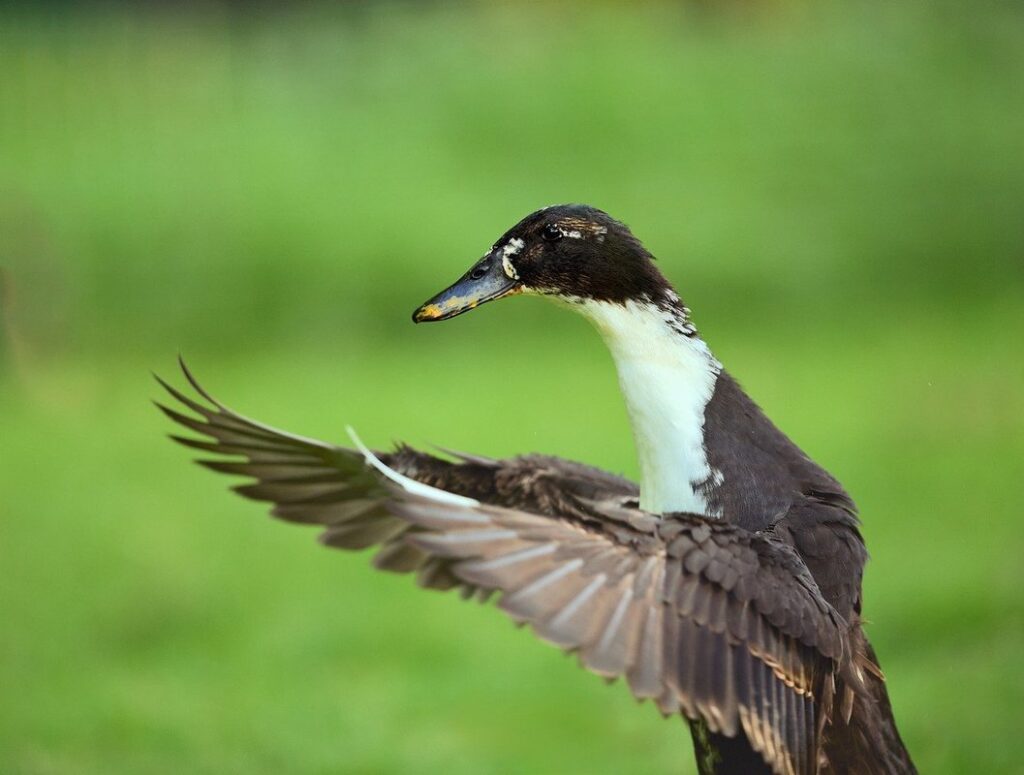
Benefits and Characteristics of Indian Runner Ducks
Indian Runner ducks are known for their exceptional egg-laying abilities, but what makes them such a popular choice among backyard farmers? Let’s explore the unique benefits and characteristics that set these ducks apart.
High Egg Production Potential
One of the most attractive characteristics of Indian Runner ducks is their impressive egg-laying capacity. While some breeds may produce up to 300 eggs per year, it’s essential to note that individual performance can vary greatly depending on factors such as nutrition, health, and breeding quality.
To maximize your flock’s potential, consider the example of renowned breeder, Jane Smith, who reported an average annual production of 250-270 eggs from her Indian Runner flock. To achieve this level of success, Smith emphasizes the importance of providing a balanced diet rich in protein and calcium to support strong eggshell development.
In addition to nutrition, proper management practices can also play a significant role in boosting your flock’s productivity. For instance, maintaining a clean and well-ventilated coop, ensuring adequate space for each bird, and implementing a consistent breeding program can all contribute to increased egg production.
When selecting breeding stock, look for individuals with exceptional conformation and temperament, as these traits are often linked to improved reproductive performance. By combining optimal management practices with careful selection of high-quality breeding stock, you too can unlock the full potential of your Indian Runner flock’s egg-laying capacity.
Unique Temperament and Personality Traits
Indian Runner ducks are known for their unique temperament and personality traits that make them an excellent addition to backyard flocks and families with children. One of the most notable characteristics is their friendly nature. They are social birds that thrive on interaction and attention, making them a joy to watch and care for.
Their high energy levels also mean they require regular exercise and mental stimulation to prevent boredom and stress. This can be easily achieved by providing a spacious enclosure or a large backyard where they can roam freely. Indian Runner ducks are also known to be quite vocal, with a loud quacking sound that can alert you to their needs or wants.
Their friendly and social nature makes them an ideal breed for families with children, who can learn valuable lessons about responsibility and animal care while interacting with these charming birds. With proper care and attention, Indian Runner ducks can become a beloved member of your family, providing endless entertainment and companionship.
Raising Indian Runner Ducks for Egg Production
If you’re looking to raise Indian Runners for egg production, understanding their unique needs and characteristics is crucial to maximizing your flock’s potential. Here’s how to get started.
Suitable Housing and Environment
When raising Indian Runner ducks for egg production, it’s essential to provide them with suitable housing and environments that meet their specific needs. A well-designed coop will not only keep your birds safe but also promote healthy egg-laying habits.
The ideal coop size for Indian Runners is about 2-4 square feet per bird, considering the breed’s active nature and need for space to roam. However, if you’re raising multiple ducks, it’s best to have a larger area allocated for them. Ensure that your coop has adequate ventilation to prevent ammonia buildup from their droppings. This can be achieved by installing windows or vents on opposite sides of the coop.
In terms of sunlight and fresh water, Indian Runners need access to both to maintain their egg-laying efficiency. Provide at least 6 hours of direct sunlight daily by placing the coop near a south-facing window or under a shaded area with natural light. Moreover, ensure that your birds always have access to clean, fresh water. This can be achieved through automatic waterers or changing the water frequently.
It’s also worth noting that Indian Runners are social animals and prefer being in groups. If you’re planning to raise multiple ducks, it’s essential to design a coop with separate areas for roosting, nesting, and feeding.
Nutritional Requirements and Diet
When it comes to raising Indian Runner ducks for egg production, providing a balanced diet is crucial to ensure their overall health and productivity. These birds require a mix of grains, proteins, and vitamins to meet their nutritional needs.
A good quality commercial duck feed should be the main staple in your duck’s diet, accounting for about 70-80% of their daily intake. You can supplement this with fresh fruits and vegetables like leafy greens, carrots, and apples. However, it’s essential to introduce new foods gradually to prevent digestive issues.
To promote strong eggshell development, make sure your ducks have access to calcium-rich foods such as crushed oyster shells or dark leafy greens like kale and spinach. You can also provide a separate dish of crushed eggs shells or grit for them to eat at their leisure. As for protein sources, consider adding mealworms or crickets to their diet in moderation.
Aim to feed your ducks around 10-15% of their daily intake as treats or supplements. Always ensure fresh water is available and replace it regularly to prevent bacterial growth.
Health Considerations and Common Issues
When collecting Indian Runner duck eggs, it’s essential to be aware of potential health concerns and common issues that may arise during incubation and hatching. We’ll explore these topics in more detail below.
Common Health Problems in Indian Runners
As you care for your Indian Runner ducks and collect their eggs, it’s essential to be aware of some common health issues that can affect these birds. One significant problem is feather pecking, where ducks peck at each other’s feathers, leading to stress, injury, and sometimes even cannibalism. To prevent this, provide a balanced diet, ensure adequate space for your ducks, and keep their environment clean.
Another issue is respiratory problems, often caused by poor ventilation or dirty living conditions. This can be prevented by installing proper ventilation systems in the coop and ensuring regular cleaning of the area where your ducks live and breed.
To treat feather pecking and cannibalism, separate the affected birds from the rest of the flock immediately. Provide a stress-free environment with adequate food, water, and shelter. Also, consider using supplements or vitamins to boost their immune system.
For respiratory problems, consult a veterinarian for proper treatment. In the meantime, improve ventilation in the coop, reduce humidity levels, and keep your ducks’ living area clean. By being proactive about these health issues, you can ensure a healthy flock and continue enjoying fresh Indian Runner duck eggs from your happy and thriving birds.
Managing Mites, Lice, and Other External Pests
Managing external parasites like mites, lice, and fleas is crucial to maintaining the health of your Indian Runner duck flock. These tiny pests can cause significant discomfort, weight loss, and even death if left untreated. To keep your ducks safe, it’s essential to recognize the signs of infestation and take prompt action.
Mites are usually found in areas around the eyes, beak, and vent, while lice tend to congregate on the neck and back. Fleas, on the other hand, can infest feathers, causing irritation and discomfort. Regularly inspect your ducks for these pests, looking for signs like excessive preening, restlessness, or visible eggs.
To manage an infestation, start by isolating the affected bird to prevent the spread of parasites. Then, bathe your duck in a gentle shampoo specifically designed for birds, making sure to rinse thoroughly. Apply a medicated powder or spray as directed on the label to kill the pests and their eggs.
Prevention is key: maintain clean living conditions, provide regular dust baths, and offer a balanced diet rich in vitamins A and E to boost your duck’s immune system. Regularly cleaning nesting boxes and providing a safe roosting area can also help prevent infestations.
Breeding and Hatching Indian Runner Duck Eggs
Breeding and hatching Indian Runner duck eggs requires a good understanding of their unique reproductive traits. Let’s dive into the specifics of incubation, fertility rates, and broodiness in this fascinating breed.
Selecting Healthy Parents for Breeding
When selecting healthy parents for breeding Indian Runner duck eggs, it’s essential to consider their egg production and temperament. A high-quality breeder should ideally lay around 200-250 large white eggs per year, with a consistent rate throughout the laying season.
In addition to egg production, the breeder’s temperament is also crucial. Friendly and docile ducks are preferred as they will make great mothers, reducing stress on the ducklings during incubation. Look for birds that have been handled regularly from an early age, making them less likely to be aggressive or fearful.
To evaluate a potential breeding duck’s quality, observe its overall health, posture, and plumage. A well-bred Indian Runner should have a sleek, shiny coat with minimal feather loss. Also, check the duck’s eyes for clarity and brightness, as poor vision can lead to reduced fertility and hatch rates.
If you’re new to breeding ducks, it may be helpful to start by acquiring a pair of high-quality birds from an experienced breeder or a reputable supplier. This will give you a better understanding of what to look for in potential breeders and ensure the long-term health and success of your flock.
Hand-Raising Chicks: Tips and Tricks
Hand-raising Indian Runner duck chicks from hatched eggs requires attention to their nutritional needs, temperature control, and social interaction. From day-old chicks to adulthood, it’s essential to provide a conducive environment for growth and development.
Proper nutrition is critical during the first few weeks of life. Feed starter feed specifically formulated for waterfowl within the first 24 hours of hatching. Ensure access to clean water at all times, and supplement with calcium and grit to prevent developmental issues. As they grow, gradually introduce a balanced layer feed rich in protein.
Maintain a temperature-controlled brooder between 90-100°F (32-38°C) for the first few weeks, decreasing it by 5°F (3°C) every week thereafter until reaching ambient temperatures. Provide adequate ventilation to prevent respiratory problems. Social interaction is also vital; group chicks together from an early age to foster bonding and reduce aggression.
Monitor growth rates closely, adjusting nutrition and environmental conditions as necessary. With proper care, your Indian Runner ducklings will develop into healthy, thriving adults. Keep a close eye on their behavior, and be prepared to intervene if you notice any signs of stress or discomfort.
Marketing and Selling Indian Runner Duck Eggs
When it comes to marketing and selling your Indian Runner duck eggs, you’ll want to focus on highlighting their unique qualities and benefits, such as superior nutrition and rich flavor. This section shares expert advice on showcasing these advantages.
Developing a Niche Market for Specialty Eggs
Developing a niche market for specialty eggs requires creativity and strategic thinking. One effective way to do this is by partnering with local restaurants that value unique ingredients. Reach out to chefs who are open to experimenting with new flavors and textures. Offer them samples of your Indian Runner Duck eggs, highlighting their rich flavor profile and versatility in both sweet and savory dishes.
Another approach is to participate in farmers’ markets, where customers are often looking for artisanal products. Set up an eye-catching display showcasing the distinct characteristics of your eggs. Be prepared to share the story behind your farm and the benefits of choosing specialty eggs over mass-produced alternatives.
Online platforms like social media or specialty food websites can also be leveraged to build a niche market. Share high-quality images of your eggs, along with recipes and cooking tips that highlight their unique qualities. Engage with potential customers by responding to comments and messages, building trust and loyalty in the process. By taking a personalized approach and highlighting the value proposition of Indian Runner Duck eggs, you can carve out a loyal customer base and establish a profitable niche market.
Labeling and Branding Strategies for Unique Egg Products
When it comes to labeling and branding Indian Runner duck eggs, you want to emphasize their unique characteristics that set them apart from other types of eggs. This is where creative labeling and branding strategies come into play.
Start by highlighting the rich flavor profile of Indian Runner duck eggs on the packaging or in marketing materials. You could use phrases like “Richer Taste” or “Distinctive Flavor” to pique consumers’ interest. Additionally, emphasize their nutritional benefits, such as higher omega-3 fatty acid content and lower cholesterol levels compared to chicken eggs.
Consider adding a tagline or slogan that resonates with your brand’s values and the unique characteristics of Indian Runner duck eggs. For example, “Experience the Richness” or “Nourish Your Family with Our Heritage Eggs.” Use vibrant colors and fonts on packaging to make it visually appealing and memorable.
Frequently Asked Questions
Can I raise Indian Runner ducks in a small backyard or urban setting?
Yes, these ducks are well-suited for smaller spaces due to their unique temperament and ability to free-range. However, ensure you provide adequate space (at least 2-3 square feet per bird) and suitable housing that protects them from predators and harsh weather conditions.
How do I manage mites and other external pests in my Indian Runner duck flock?
Regular cleaning of coops and runs is crucial to prevent infestations. Use diatomaceous earth or poultry-safe pesticides, and monitor your birds frequently for signs of stress or discomfort. Implement good hygiene practices, such as washing hands before handling the ducks, to minimize the risk of transferring pests.
Can I breed my own Indian Runner duck eggs and increase egg production?
Yes, breeding can be a rewarding experience when done correctly. Select healthy parents with desirable traits and ensure they are well-fed and cared for during breeding season. Research local regulations regarding backyard breeding and consider consulting with experienced farmers or poultry experts to optimize your chances of success.
How do I develop a niche market for my Indian Runner duck eggs?
Start by researching local demand for specialty eggs and identifying potential buyers, such as high-end restaurants or gourmet food stores. Develop a unique label and branding strategy that highlights the benefits and characteristics of your eggs (e.g., large size, dark brown color). Utilize social media and online platforms to connect with customers and build a loyal following.
Can I integrate my Indian Runner duck flock with other poultry species?
Yes, but it’s essential to introduce them slowly and under close supervision. Ensure that each species has its own dedicated housing and feeding area to prevent competition and stress. Consider the specific needs of your integrated flock, such as providing separate roosting bars or adjusting feeding times to accommodate different breeds’ requirements.