
Are you considering bringing some feathered friends into your backyard? If so, you might want to consider Indian Runner ducks. These unique waterfowl have been around for centuries, and their fascinating history is just one reason why they’re a popular choice among duck enthusiasts. But what sets them apart from other breeds, and how do you care for them properly? In this comprehensive guide, we’ll delve into the essential characteristics of Indian Runner ducks and provide expert advice on breeding and keeping them in your backyard. From their distinctive appearance to their energetic personalities, we’ll cover everything you need to know about these amazing birds, including their origins, unique traits, and specific care requirements that will help you raise happy and healthy ducklings.
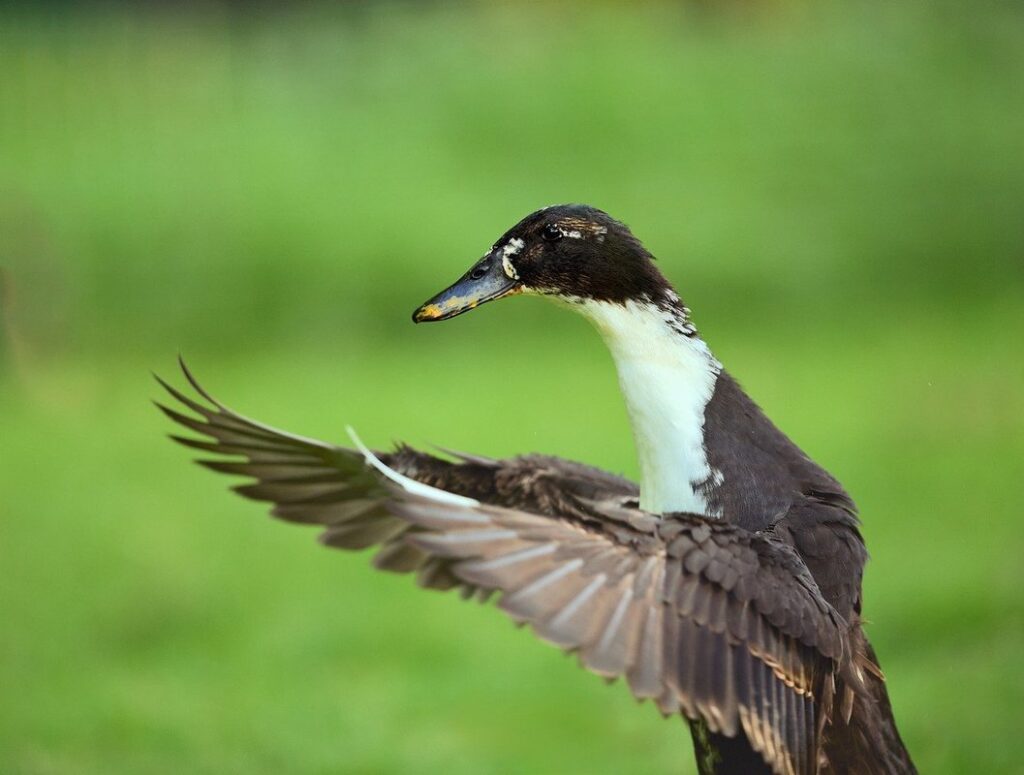
Origins and History of Indian Runner Ducks
These fascinating birds have a rich history, with their origins dating back over 200 years to the Netherlands, where they were bred for speed and agility. Let’s take a step back in time and explore how Indian Runner Ducks evolved.
Ancient Origins
The origins of Indian Runner ducks date back thousands of years to ancient civilizations in India. These remarkable birds are mentioned in Hindu scriptures, specifically in the Rigveda, which is one of the oldest and most revered texts in Hinduism. The mention of these ducks in sacred writings suggests that they were highly valued for their unique characteristics and abilities.
According to legend, Indian Runner ducks were considered a symbol of good fortune and prosperity in ancient India. Their distinctive appearance, with their long legs and upright stance, was said to be reminiscent of the gods themselves. The breed’s impressive speed, agility, and strong waddling gait made them well-suited for navigating the dense forests and wetlands that covered much of the subcontinent.
The association between Indian Runner ducks and Hindu scriptures speaks to their importance in ancient Indian culture. By studying these sacred texts, modern duck enthusiasts can gain a deeper appreciation for the breed’s rich history and cultural significance.
European Introduction
The introduction of Indian Runner ducks to Europe marked a significant milestone in their history as an ornamental breed. In the early 20th century, European duck fanciers were seeking new and unique breeds to exhibit at shows and keep on their farms. The Indian Runner’s striking appearance, with its upright stance and colorful plumage, quickly made it a favorite among collectors.
The first importations of Indian Runner ducks into Europe are believed to have taken place in the 1920s and 1930s from England and Holland, where they had been introduced by British and Dutch breeders. These early imports were primarily obtained from breeding farms in India and Southeast Asia, which had a long tradition of keeping these birds as companions.
As the breed gained popularity, European breeders began to work on developing new color varieties, such as white, buff, and black, which have become iconic characteristics of the Indian Runner breed. Today, Indian Runners are a staple of many European waterfowl exhibitions and are highly sought after by collectors for their unique appearance and charm.
Early Breed Development
The early breed development of Indian Runner Ducks is a fascinating topic that showcases the dedication and expertise of breeders who selectively bred these magnificent birds for desirable traits. In the 19th century, French duck enthusiasts were instrumental in shaping the breed through careful selection and breeding.
They focused on developing a sturdy yet lightweight bird with exceptional speed and agility. Breeders sought to create a duck that could thrive in various environments, from farmyards to ornamental ponds. Through generations of selective breeding, Indian Runner Ducks became renowned for their distinctive upright posture, long necks, and vibrant plumage colors.
A key factor in the breed’s development was its ability to adapt to confinement. Breeders recognized the importance of a compact size, which allowed Indian Runners to thrive in smaller spaces while still maintaining their impressive speed and agility. This trait has made them an attractive choice for urban duck enthusiasts and small-scale farmers alike. By carefully selecting for these desirable characteristics, breeders have created a truly unique and captivating breed that continues to delight duck keepers worldwide.
Physical Characteristics and Appearance
When it comes to identifying Indian Runner ducks, their striking physical characteristics and appearance play a crucial role in breed recognition. Let’s take a closer look at what sets them apart.
Unique Body Type
One of the most striking features of Indian Runner ducks is their unique body type. These birds are known for their upright stance and long legs, which set them apart from other duck breeds. When standing still, an Indian Runner duck‘s posture can appear quite regal, with its tail held high and its wings slightly ajar.
To appreciate the distinctiveness of this breed’s physique, compare it to other ducks that tend to waddle along on shorter legs. In contrast, Indian Runners are bred for their energetic and agile nature, which is reflected in their athletic build. The long legs and neck make them well-suited for moving quickly through water or on land.
If you’re planning to keep Indian Runner ducks as pets, it’s worth noting that their unusual physique may require adjustments to your living space. For example, providing a larger pond with plenty of swimming room will allow these active birds to exercise and stretch their legs.
Their upright stance also means they can be more prone to feather picking or excessive preening, especially if cooped up in smaller areas for extended periods. Make sure to provide enough space for them to move around freely and engage in natural behaviors.
Plumage Varieties
One of the most distinctive features of Indian Runner ducks is their wide range of plumage varieties. These vibrant colors and patterns not only add to the breed’s charm but also make them a delight to keep. You can find Indian Runners with various solid colors, including white, black, blue, and chocolate, as well as pied, buff, and silver.
The most common color pattern is the pied variety, characterized by patches of color on a lighter background. For instance, you might see an Indian Runner duck with white and black patches, or a mix of brown and orange hues. Some breeders even experiment with unusual colors like lavender and olive green.
When choosing a plumage variety for your flock, consider the overall appearance you want to achieve in your backyard. If you’re looking for something more traditional, a solid-colored Indian Runner might be the way to go. However, if you prefer a pop of color, one of the patterned varieties could be just what you need.
Sexing and Identification
Sexing Indian Runner ducklings can be challenging due to their similar appearance. One method is to use vent sexing, which involves examining the reproductive organs through a vent (the opening just above the tail). This requires some experience and practice, so it’s recommended to start with adult ducks if you’re new to poultry breeding.
For identification purposes, Indian Runner ducklings can be divided into two types: the ‘blue’ type with predominantly blue feathers, and the ‘golden’ or ‘white’ type. The ‘blue’ type has a more intense coloration, while the ‘golden’ or ‘white’ type is lighter in shade. You can also look for differences in feather pattern and length between males and females.
In adults, sexing is relatively easier due to noticeable physical differences. Males tend to have thicker, longer necks and larger heads compared to females. Females also tend to be slightly smaller and have a more delicate appearance than males.
Temperament and Behavior
Understanding their temperament and behavior is crucial to creating a harmonious environment for your Indian Runner ducks, as they can be quite active and curious creatures. In this section, we’ll explore their unique personality traits and quirks.
Friendly Nature
One of the most endearing qualities of Indian Runner ducks is their friendly nature. They are social birds that thrive on interaction and attention from their owners. In fact, they’re so people-oriented that they’ll often follow you around the farm or smallholding, quacking excitedly as they go.
Their outgoing personalities make them an excellent choice for families with children or for those who want to integrate ducks into their daily lives. Indian Runners are known to be particularly fond of being petted and will happily perch on your lap or nuzzle against you in search of attention.
If you’re planning to keep Indian Runners, it’s essential to provide them with a stimulating environment that meets their social needs. This can be achieved by introducing multiple ducks to each other from an early age and ensuring they have plenty of space to roam and forage. With proper care and attention, your Indian Runner ducks will become beloved members of the family, providing endless entertainment and joy.
Social Structure
When it comes to social structure, Indian Runner ducks are known for their unique behavior and interaction with other breeds. They are a social bird that thrives on companionship and can form strong bonds with each other. In the wild, they live in large flocks, and this instinct remains even when domesticated.
One of the most interesting aspects of Indian Runner duck behavior is their tendency to sort themselves by color. This is because they have an innate desire to maintain a visual hierarchy within the flock, which can be influenced by factors like plumage color or size. For example, if you have a mix of white and brown birds, the white ones will often group together and the browns will separate.
In multi-breed settings, Indian Runner ducks tend to dominate smaller breeds due to their energetic and assertive nature. However, they can get along with larger breeds like Muscovy or Pekin, as long as there is sufficient space for all birds to move around comfortably. To ensure harmony in your flock, it’s essential to introduce new birds slowly and under close supervision, monitoring body language and behavior closely.
Training and Handling
One of the most rewarding aspects of owning Indian Runner ducks is their trainability. These birds are incredibly intelligent and can learn a variety of tasks with ease. To start training your Indian Runners, begin by introducing them to basic commands such as “come” and “stay.” Reward them with treats and praise when they respond correctly.
Indian Runners are also known for their love of being active, so incorporating physical exercise into their training is essential. Set up a simple obstacle course using items like cones or small hurdles, and guide your ducks through it at first. Gradually increase the difficulty level as they become more confident.
It’s also crucial to teach your Indian Runners to follow rules and respect boundaries, such as not entering certain areas of your property. Establishing clear expectations from an early age will save you a lot of trouble in the long run.
Training sessions should be short and fun, lasting around 10-15 minutes per session. This will prevent overwhelming your birds and keep them engaged throughout the process. With patience and consistency, you’ll have well-behaved Indian Runners that are a joy to care for and interact with.
Breeding and Raising Indian Runners
When it comes to breeding and raising Indian Runner ducklings, there are several key considerations to keep in mind to ensure a healthy start. Here, we’ll cover the essential steps for successful reproduction and nurturing.
Breeding Program Establishment
Establishing a successful breeding program for Indian Runner ducks requires careful planning and selection of breeders. When choosing breeders, look for birds with a strong lineage and desirable traits such as egg-laying ability, temperament, and feather quality. It’s essential to select breeders that are at least 6 months old to ensure they have reached maturity.
Once you’ve selected your breeders, it’s time to plan for hatchlings. This includes setting up a brooding area with heat lamps or other temperature control methods to maintain a consistent temperature of around 99°F (37°C). You’ll also need to provide a nutritious starter feed and fresh water at all times. Make sure the brooding area is clean and well-ventilated to prevent disease.
It’s also crucial to consider the number of birds you plan to breed and whether you have adequate space for them. A general rule of thumb is to start with a small group of 5-10 breeding pairs to maintain genetic diversity and avoid inbreeding. Regular monitoring of fertility, hatch rates, and overall health will help identify areas for improvement and ensure the success of your breeding program.
Broodiness and Egg-Laying
Inducing broodiness in Indian Runner hens can be challenging due to their strong flight instinct and tendency to go off-breed. To encourage them to lay eggs and potentially become mothers, it’s essential to provide a conducive environment. Start by introducing an incubator or fertile eggs into the henhouse to stimulate her natural instincts.
Feed management plays a crucial role in inducing broodiness. Provide your hens with a nutrient-rich diet that includes calcium supplements to support eggshell production. Aim for around 1-2% calcium content in their feed, as this will help strengthen their reproductive system.
Regular health checks are vital to ensure the hen’s overall well-being and fertility. Monitor her for signs of stress or disease, which can negatively impact her reproductive capabilities. Ensure she has access to clean water and a balanced diet to minimize the risk of illness. By creating an optimal environment, you’ll increase your chances of successfully inducing broodiness in your Indian Runner hens.
It’s also worth noting that not all hens will go broody, even with proper care. Be patient and persistent, as some breeds are more prone to broodiness than others.
Raising Ducklings
Raising Indian Runner ducklings requires attention to their nutritional needs, vaccination schedule, and protection from predators. Start by providing a starter feed that’s formulated for young waterfowl, which typically contains around 18-20% protein. You can also supplement with fresh vegetables like leafy greens, fruits, and grains.
For vaccination, consult with a local veterinarian or poultry expert to determine the best course of action. Generally, Indian Runners require vaccinations against common diseases such as Marek’s disease and avian influenza at around 4-6 weeks old.
Make sure to keep an eye out for potential predators like raccoons, foxes, and hawks, which can be attracted by the ducklings’ noise or presence of food near the coop. Protecting your young ducks from these threats is crucial. Consider using a secure enclosure with sturdy netting to prevent escapes or predator entry.
To ensure proper growth, aim for around 1-2 square feet of space per duckling in the first few weeks. Be prepared to make multiple trips outside to tend to your charges as they grow and develop their feathers.
Health Considerations and Care
When caring for Indian Runner ducks, it’s essential to be aware of their specific health needs, including common illnesses and how to prevent them. By understanding these factors, you can provide top-notch care for your feathered friends.
Common Health Issues
As you care for your Indian Runner ducks, it’s essential to be aware of the common health issues that can affect them. Respiratory problems are a significant concern, particularly during the colder months when the air is dry and cold. Bacterial infections like pneumonia can quickly spread among the flock if not treated promptly.
Parasites such as lice and mites can also cause significant discomfort for your ducks. Regular checks under the light at night will help you catch any infestations early on, making treatment easier. Ensure your coop is well-ventilated to prevent ammonia buildup from droppings, which can exacerbate respiratory issues.
Disease transmission is another critical concern when keeping multiple birds together. Monitor for signs of illness like lethargy, loss of appetite, and changes in dropping patterns. Implement strict biosecurity measures by keeping your coop clean, providing a balanced diet, and ensuring fresh water supply at all times. Regular vaccination programs may also be necessary depending on the local disease prevalence.
Nutrition and Diet
When it comes to providing optimal nutrition for your Indian Runner ducks, understanding their dietary requirements is crucial. As omnivores, they need a balanced diet that includes essential vitamins and minerals. A key component of their diet should be high-quality commercial duck pellets or crumbles, which provide the necessary protein and energy.
In addition to commercial feed, supplementing with fresh fruits and vegetables is vital for maintaining optimal health. Leafy greens like kale and spinach are excellent sources of iron, while carrots and sweet potatoes provide essential vitamins A and C. It’s also important to offer a variety of foods to ensure they receive a broad spectrum of nutrients.
A significant aspect of their nutritional needs is the requirement for certain minerals, such as calcium and phosphorus, which support strong bone growth and development. A good rule of thumb is to provide a mixture of 1/4 cup of crushed oyster shells (rich in calcium) and 1 tablespoon of bone meal (high in phosphorus) per duck daily.
A general guideline for feeding Indian Runner ducks is to provide about 1/4 pound of food per duck per day, divided into two meals. It’s also essential to provide a constant source of fresh water, as they can drink up to 5 gallons per day.
Environmental Enrichment
Providing environmental enrichment is crucial to keeping your Indian Runner ducks stimulated and happy. These intelligent birds need mental and physical stimulation to prevent boredom, stress, and behavioral problems. One way to provide this is by offering a variety of toys and objects for them to explore.
You can start by providing basic items like logs, rocks, or plants for them to peck at and scratch on. Rotate these items regularly to keep things interesting and prevent habituation. You can also try hiding treats or kibble around the enclosure to encourage searching and problem-solving behaviors.
In addition to physical enrichment, consider providing sensory stimulation through music, different textures, and visual changes. For example, you can place a radio or a CD player near their enclosure to play soothing music, or add a variety of plants with different scents and colors. Remember to observe your ducks’ preferences and adjust the enrichment accordingly. By providing a stimulating environment, you’ll keep your Indian Runners happy, healthy, and engaged for years to come.
Feeding and Nutrition
When it comes to keeping Indian Runner Ducks healthy, feeding them a balanced diet is crucial. This section will cover the essential nutritional needs of your feathered friends at different stages.
Staple Foods
When it comes to feeding Indian Runner ducks, providing them with staple foods is essential for their overall health and well-being. Grains such as oats, barley, and wheat are excellent choices, but avoid giving them too much of these as they can lead to obesity. A mix of grains and vegetables will keep your ducks satisfied and healthy.
Some fruits like berries, melons, and citrus fruits make great treats for Indian Runner ducks, but be cautious not to overfeed them as excessive sugar consumption can cause health problems. Leafy greens such as kale, spinach, and collard greens are also an excellent source of nutrients and should be included in their diet regularly.
A key point to remember is that fresh water must always be available for your ducks. A 1:4 ratio of duck pellets or commercial feed to mixed grains and vegetables is a good starting point, but monitor your flock’s eating habits closely and adjust the proportions accordingly.
Supplemental Feedings
Indian runner ducks are incredibly hardy birds, but even with their robust nature, they still benefit from a bit of extra nutrition now and then. This is where supplemental feedings come into play.
Mealworms, for instance, make an excellent addition to their regular diet. Rich in protein, calcium, and iron, mealworms provide the essential nutrients that can help strengthen their beaks, feathers, and overall health. You can offer them live or dried mealworms, depending on your preference. For example, you can scatter a few live mealworms on the ground for them to scavenge and enjoy during the day.
Sunflower seeds are another healthy treat that you can provide as an occasional supplement. They’re high in fat, vitamins, and minerals, making them perfect for boosting their immune system and providing an energy boost. Simply sprinkle some sunflower seeds on top of their regular feed, and they’ll do the rest.
Remember to always introduce new foods gradually, so your birds get used to the change without experiencing digestive upset. Also, be sure to only offer supplemental feedings in moderation – too much of a good thing can still cause harm.
Water Quality and Hygiene
When it comes to maintaining the health and well-being of your Indian Runner ducks, providing clean water sources and practicing good hygiene is crucial. Ducks are highly susceptible to water-borne diseases, so ensuring their drinking and bathing water is spotless is essential.
Always provide a separate container for each duck’s drinking water, as sharing water can lead to the spread of disease. Change the water frequently, ideally daily, to prevent bacterial growth. You can also add a small amount of vinegar or chlorine to the water to keep it clean and fresh.
For bathing, ducks prefer shallow water with a gentle slope, making it easier for them to enter and exit. Ensure their bathing area is well-drained and scrubbed regularly to remove dirt and bacteria. A clean bathing area will also help reduce stress on your duck’s skin and feathers.
In addition to providing clean water and hygiene practices, consider the following tips: provide a shallow dish or pan of clean water for dust bathing, which helps keep their plumage in good condition; change the bedding material in their coop regularly to prevent ammonia buildup; and wash your hands thoroughly after handling your ducks.
Conclusion
Now that you’ve learned how to breed and care for Indian Runner ducks, let’s summarize the key takeaways from our comprehensive guide. We’ll review the essential points to ensure a successful duck-keeping experience.
Recap Key Points
In conclusion, we’ve covered everything you need to know about breeding and keeping Indian Runner ducks. Let’s recap the key points that will help you become a successful breeder or keeper of these amazing birds.
When it comes to choosing the right breeders, look for those who have experience with Indian Runners and can provide healthy stock. Make sure to inspect the parents’ feet and legs for any signs of deformity or weakness. This is crucial in preventing inherited health issues that can lead to mobility problems later on.
For keepers, it’s essential to provide a spacious enclosure that offers enough room for exercise and movement. Indian Runners are social birds and should be kept in pairs or groups to prevent boredom and stress. Also, remember to maintain a balanced diet that includes a mix of grains, vegetables, and protein sources.
To ensure successful breeding, consider the following tips: introduce new breeders gradually, monitor their behavior closely, and avoid over-handling them during the mating season. With these key points in mind, you’ll be well on your way to becoming an expert breeder or keeper of Indian Runner ducks!
Final Thoughts and Recommendations
As you’ve learned throughout this comprehensive guide on Indian Runner ducks, it’s clear that these birds offer an exciting combination of charm, intelligence, and productivity. If you’re new to duck-keeping, starting with a single pair or a small group is recommended, allowing you to gain experience without overcommitting.
Experienced enthusiasts may find the task of breeding Indian Runners more challenging due to their high reproductive potential. However, with proper management and understanding of nutritional needs, health issues can be minimized, and your flock’s overall well-being ensured.
Before taking the leap into breeding or expanding your flock, it’s essential to research local regulations regarding waterfowl ownership and ensure you’re prepared for the responsibilities involved. Additionally, always prioritize the welfare of your birds by providing adequate shelter, social interaction, and a balanced diet rich in nutrients.
In conclusion, Indian Runner ducks can be a wonderful addition to any backyard or small farm with careful planning and attention to their needs.
Frequently Asked Questions
Can I keep Indian Runner ducks as pets even if they are bred for speed and agility?
Yes, despite their energetic personalities, Indian Runner ducks can make great pets for experienced bird owners who have a suitable backyard with enough space for them to exercise. However, it’s essential to consider their unique needs and ensure you provide an enclosure that meets their requirements for movement and activity.
How often should I let my Indian Runner ducklings outside, especially during their first few weeks?
Indian Runner ducklings need regular access to fresh air and sunlight from a young age. You can start letting them out under close supervision around 2-3 weeks old, gradually increasing the duration as they grow stronger. Ensure their outdoor area is safe, secure, and protected from predators.
What are some common health issues I should watch out for in my Indian Runner duck flock?
Indian Runner ducks are generally a healthy breed, but like all birds, they can be susceptible to certain health issues such as respiratory problems, feather pecking, and mites. Regular monitoring of their behavior, diet, and living conditions will help you identify potential problems early on.
Can I mix Indian Runner ducks with other breeds, or do they prefer to be alone?
Indian Runner ducks are social birds that thrive in the company of others but can become aggressive towards other duck breeds if not introduced correctly. It’s recommended to introduce them slowly and under close supervision to ensure a harmonious flock. Research specific compatibility before mixing breeds.
How do I determine the sex of my Indian Runner ducklings, especially at an early age?
Determining the sex of young ducklings can be challenging, but experienced breeders use various methods such as vent sexing (at around 4-5 weeks old) and feather sexing (at around 6-8 weeks old). Consult with a veterinarian or experienced breeder to learn more about these techniques and ensure accurate identification.