
Are you looking for a low-maintenance yet productive waterfowl option to add to your small-scale farm or backyard? Look no further than Indian running ducks. These charming birds have been prized by farmers and enthusiasts alike for their unique characteristics, adaptability, and incredible egg-laying abilities.
But what exactly are Indian running ducks, and why should you consider keeping them? Originating from the Indian subcontinent, these ducks are known for their energetic nature and ability to thrive in a variety of environments. In this article, we’ll delve into the history, characteristics, care, and uses of Indian running ducks, providing you with everything you need to know to decide if they’re right for you. We’ll cover topics from housing and feeding to health and breeding, so whether you’re a seasoned farmer or just starting out, you’ll be well-equipped to raise these amazing birds.
What are Indian Running Ducks?
Indian running ducks are a rare and unusual breed, known for their energetic and active nature, making them a fascinating addition to any backyard flock. Let’s dive into what makes them so unique.
Origins and History
Indian running ducks have a rich and diverse history that spans thousands of years. Originating from India, these unique waterfowl were first bred for their exceptional meat production and egg-laying abilities. In ancient times, Indian running ducks were highly valued by farmers and traders due to their fast growth rate, high feed conversion ratio, and ability to thrive in a variety of environments.
As trade routes expanded, Indian running ducks spread throughout Asia, Africa, and eventually the Americas. They quickly gained popularity among small-scale farmers and backyard enthusiasts due to their hardiness and adaptability. In some parts of the world, Indian running ducks were used as a primary source of protein, while in others they were prized for their unique egg-laying abilities.
One of the earliest recorded uses of Indian running ducks was in ancient China, where they were bred for their meat and eggs. The breed’s popularity continued to grow throughout history, with many different strains emerging over time. Today, Indian running ducks can be found on farms and homesteads around the globe, and are still prized for their exceptional productivity and unique characteristics.
Characteristics and Breeding
One of the key characteristics that make Indian running ducks an attractive choice for small-scale farming is their remarkable adaptability. They can thrive on a variety of diets, from grains to aquatic plants, and even tolerate changes in water quality with ease. This means you can save on feed costs by incorporating more natural foraging into your duck’s diet.
Another significant advantage of Indian running ducks is their relatively low maintenance needs. Compared to other breeds, they require less space, fewer resources, and are generally easier to care for. For instance, they don’t need a large pond or specialized housing; a small pool or even a shallow dish can provide them with the water they need.
This versatility also makes Indian running ducks ideal for small farms or backyards with limited space. They’re relatively quiet, too, making them perfect for urban areas where noise levels are a concern. As you consider adding these unique birds to your farm or flock, remember that their adaptability and ease of care will make a big difference in the long run.
Physical Characteristics and Health
Indian running ducks are a unique sight, and understanding their physical characteristics and health needs is essential for responsible ownership. Let’s dive into what makes them tick, from size to feather patterns.
Body Type and Plumage
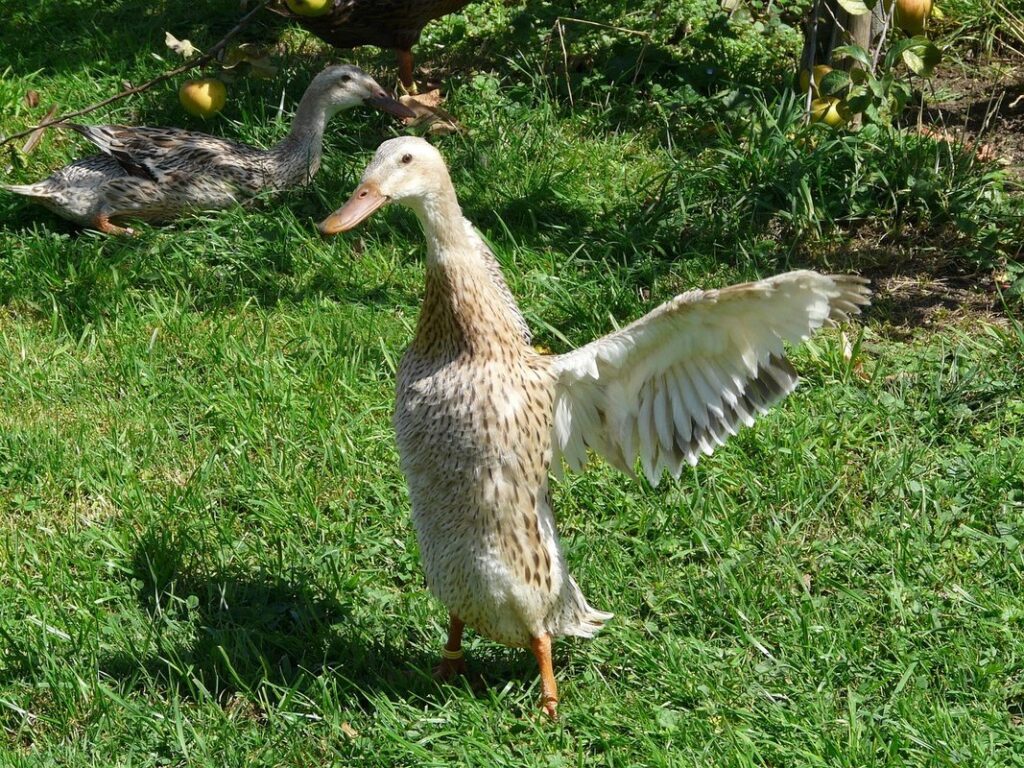
When it comes to Indian running ducks’ physical characteristics, their body type and plumage are truly one-of-a-kind. These waterfowl are known for their unique blend of white, black, and grey feathers, which can vary depending on the individual bird’s lineage. The combination of colors gives them a striking appearance that sets them apart from other duck breeds.
Their muscular build and sturdy legs enable them to move with remarkable speed and agility, making them well-suited for their namesake – running. However, this impressive physical prowess does come with its own set of health considerations. For instance, Indian running ducks are prone to overexertion if they’re pushed too hard, so it’s essential to provide them with adequate rest periods and a balanced diet.
To maintain the health and well-being of your Indian running duck, ensure their enclosure is spacious enough for exercise and has adequate shelter from harsh weather conditions. Regular check-ups with a veterinarian can also help identify any potential health issues related to their body type or plumage.
Common Health Issues
As you care for your Indian running ducks, it’s essential to be aware of the common health issues they may face. These unique waterfowl can be prone to various diseases and parasites, especially in different climates. Respiratory problems such as avian cholera and bronchitis are common among Indian running ducks, particularly during colder months or in areas with high humidity.
Internal parasites like Giardia and Histomoniasis can also affect these birds, causing diarrhea, weight loss, and lethargy. External parasites like mites, lice, and fleas can lead to discomfort, skin irritation, and feather damage. Regular health checks, proper nutrition, and a clean living environment are crucial in preventing these issues.
To keep your Indian running ducks healthy, make sure their enclosure is well-ventilated, dry, and free of debris. Provide them with fresh water and nutritious feed at all times. Regularly inspect their droppings for signs of internal parasites and treat any infestations promptly. Consult a veterinarian experienced in caring for waterfowl to get the best advice on maintaining your Indian running ducks’ health.
Care and Management
To ensure the health and happiness of your Indian running ducks, proper care and management are essential. We’ll cover feeding, housing, and health considerations in this crucial part of their care.
Housing Requirements
When it comes to housing Indian running ducks, you’ll want to create an enclosure that mimics their natural habitat as closely as possible. These birds are native to India and are well adapted to living in warm, humid climates with plenty of vegetation.
In terms of space, a good rule of thumb is to provide at least 2-3 square feet per bird inside the coop, and 10-15 square feet per bird in the outdoor run. This will give them enough room to move around and exercise. The enclosure should also be well ventilated to prevent moisture buildup and ammonia from their droppings from accumulating.
You’ll want to provide shelter for your Indian running ducks from extreme weather conditions like heavy rain or direct sunlight. A simple lean-to style coop with a sloping roof will work well, and can be constructed using local materials like bamboo or wood. Don’t forget to add nesting boxes to the coop, as these birds are prolific layers.
Make sure to incorporate some natural elements into their enclosure, such as plants, rocks, and branches, to give them something to forage on and scratch at. This will help keep them entertained and stimulated.
Diet and Nutrition
When it comes to providing the best possible care for your Indian running ducks, their diet and nutrition play a crucial role. These birds are omnivores, which means they require a balanced mix of grains, vegetables, fruits, and proteins in their diet.
A good starting point is to provide them with high-quality duck pellets as the main staple of their diet. However, it’s essential to supplement this with fresh vegetables such as leafy greens like kale and spinach, carrots, and sweet potatoes. Fruits like berries, apples, and bananas can also be given in moderation. In terms of grains, oats and barley are excellent options.
To ensure your Indian running ducks receive essential nutrients, consider the following tips: provide a calcium-rich diet to support strong eggshell production, offer treats like mealworms or crickets for added protein, and keep their water clean and fresh at all times. You can also create a DIY duck treat mix using rolled oats, sunflower seeds, and chopped fruits and vegetables. By paying attention to your Indian running ducks’ dietary needs, you’ll be well on your way to raising happy and healthy birds.
Uses and Benefits
One of the most appealing aspects of Indian Running Ducks is their multi-functional nature, making them a valuable addition to any backyard or farm. Let’s explore some practical uses and benefits you can enjoy from keeping these birds.
Meat Production
When it comes to raising Indian running ducks for meat production, you’ll be pleased to know that their meat is considered a delicacy in many cultures. One of the primary benefits of raising these birds for meat is their rich flavor profile. The taste of Indian running duck meat is often described as tender and juicy, with a subtle sweetness that’s hard to find in other types of poultry.
In terms of nutritional value, Indian running duck meat is an excellent source of protein, low in saturated fats, and high in essential vitamins and minerals like iron, zinc, and B12. The meat is also relatively lean, making it a popular choice for health-conscious consumers.
If you’re considering raising Indian running ducks for meat production, it’s essential to note that they require less space and care compared to other types of poultry. They are also known to be hardy and adaptable, making them an ideal choice for small-scale farmers or backyard enthusiasts. With proper management and care, you can enjoy a bountiful harvest of delicious and nutritious Indian running duck meat.
Egg Production
Indian running ducks are not only valued for their unique appearance and energetic behavior but also for their impressive egg-laying capabilities. One of the most significant advantages of keeping Indian running ducks as egg layers is their exceptionally high fertility rate. Studies have shown that Indian running duck eggs can exhibit a fertility rate of up to 90%, making them an excellent choice for backyard farmers or small-scale commercial producers.
Their adaptability to various environments is another key benefit. Unlike some other waterfowl breeds, Indian running ducks are relatively easy to care for and can thrive in a range of settings, from backyards with small ponds to larger farms with more extensive water features. This flexibility makes them an attractive option for those looking to start or expand their own egg-laying operations.
To maximize the egg-laying potential of your Indian running ducks, it’s essential to provide them with a balanced diet and ensure they have access to clean water and suitable living quarters. By doing so, you can expect a steady supply of high-quality eggs from these remarkable birds.
Breeding and Genetics
Understanding the breeding and genetics of Indian Running Ducks is crucial for enthusiasts looking to raise healthy, high-quality birds. Let’s dive into the basics of breeding these unique waterfowl.
Selective Breeding
When it comes to breeding Indian running ducks, selective breeding is an essential technique to improve their productivity and overall health. In simple terms, selective breeding involves choosing parents with desirable traits and then breeding them to pass on these characteristics to their offspring.
The goal of selective breeding is to concentrate the best qualities in a breed over several generations, making them more efficient, resilient, and adaptable to specific environments. By focusing on certain traits such as egg-laying capacity, growth rate, feather quality, or temperament, you can significantly enhance your Indian running duck’s performance.
To put this into practice, start by evaluating your birds’ strengths and weaknesses. Identify the top-performing individuals in terms of productivity, health, and behavior. Then, carefully select breeding pairs that combine the best traits from each group. For instance, if one bird lays large eggs consistently, breed it with a male known for its robust growth rate. By making informed choices about your birds’ genetic makeup, you can accelerate the development of superior Indian running ducks that thrive in various settings.
Genetic Diversity
Maintaining genetic diversity is crucial for the long-term sustainability of Indian running duck populations. This may seem like a complex topic, but put simply, it means having a diverse gene pool within a population. Think of it like planting seeds from different varieties of a crop – this ensures that even if one variety fails due to disease or environmental factors, there will be other options to fall back on.
In nature, genetic diversity is achieved through the exchange of individuals between populations. However, in domestic settings, this can be challenging to replicate. One way to ensure genetic diversity is by introducing new bloodlines into your flock every 10-20 years. This means purchasing birds from reputable breeders or attending duck shows where you can meet other enthusiasts and discuss potential breeding opportunities.
Another strategy is to maintain a large enough population size so that there’s enough genetic variation within the group. Aim for at least 100 individuals, but ideally more, as this increases the chances of having diverse genes within your flock.
Conclusion
In conclusion, Indian running ducks are an intriguing and unique breed that offer a refreshing change from traditional waterfowl. If you’re considering adding these charming birds to your backyard or farm, remember to research local regulations and ensure they’re allowed in your area. Providing a suitable habitat with adequate space, shelter, and nutrition is crucial for their health and well-being. With proper care and attention, Indian running ducks can thrive and become delightful additions to any waterfowl collection.
As you’ve learned throughout this guide, these remarkable birds have a lot to offer, from their distinctive appearance to their gentle disposition. By understanding their needs and characteristics, you’ll be better equipped to provide the best possible life for your Indian running ducks. With patience, dedication, and proper care, you can enjoy the many benefits of owning these extraordinary waterfowl.
Frequently Asked Questions
How do I introduce Indian running ducks to my existing backyard flock?
When introducing Indian running ducks to your existing flock, it’s essential to consider their energetic nature and potential dominance over smaller breeds. Start by isolating the new birds for a few days to allow them to adjust to their new surroundings before integrating them with the rest of the flock. Monitor the behavior and health of both groups closely during this transition period.
Can I keep Indian running ducks in small spaces, like balconies or courtyards?
Yes, Indian running ducks are relatively adaptable to confined spaces and can thrive in smaller areas if provided with adequate shelter and exercise opportunities. However, ensure that their enclosure offers enough space for them to move around comfortably and allows for proper ventilation.
How often should I collect eggs from my Indian running duck flock?
Indian running ducks are prolific egg layers, producing an average of 100-120 eggs per year. Collect eggs daily to maintain a clean and healthy environment for both the birds and your family. Consider using a nesting box or designated egg collection area to make the process more efficient.
What health issues should I be aware of in my Indian running duck flock?
Indian running ducks are generally hardy birds, but they can be susceptible to certain health issues like respiratory problems and mites. Regularly inspect their living conditions, provide a balanced diet, and keep an eye out for any signs of illness or stress.
Can I breed Indian running ducks on my own, or do I need specialized expertise?
While it’s possible to breed Indian running ducks with some experience and knowledge, it’s recommended that beginners seek guidance from experts in the field. This will help ensure that you’re selecting for desirable traits and maintaining a healthy breeding program.