
When it comes to buying fresh eggs, you might wonder: how can I be sure they’re good? It’s easy to assume that all eggs are created equal, but unfortunately, that’s not always the case. The quality of an egg can greatly impact its taste, texture, and even safety for consumption. From the appearance of the shell to handling practices, there are several factors that affect egg quality.
In this article, we’ll explore the ins and outs of identifying good and bad eggs. We’ll cover everything from inspecting shells and yolks to understanding how production methods impact egg quality. By the end of this guide, you’ll be equipped with the knowledge to make informed choices at the grocery store or farmer’s market. Whether you’re a seasoned cook or just starting out, learning how to identify good eggs can save you money and ensure your meals are consistently delicious and safe to eat.
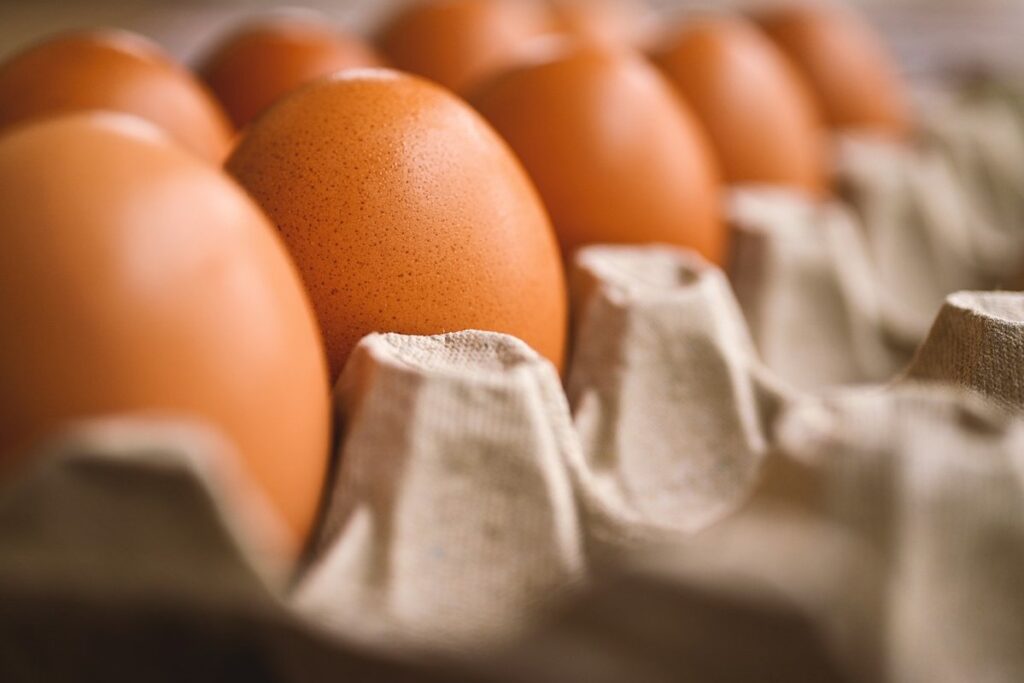
Understanding Egg Quality
When it comes to cracking open a fresh egg, you want to know that what’s inside is safe to eat. Let’s dive into the key factors that determine an egg’s quality and freshness.
Factors Affecting Egg Quality
When it comes to determining the quality of chicken eggs, several key factors come into play. One crucial aspect is the breed of the hen itself. Certain breeds, such as Leghorns and Orpingtons, are known for producing high-quality eggs with strong shells and rich flavor profiles. On the other hand, some breeds may produce eggs that are more prone to cracking or have a less desirable taste.
The nutrition and environmental conditions under which the hens live also significantly impact egg quality. For instance, access to fresh water, adequate space, and a balanced diet can greatly enhance the nutritional content and appearance of the eggs. Hens fed with omega-3 rich feed may produce eggs with higher levels of these essential fatty acids.
Additionally, exposure to environmental stressors such as disease, heat stress, or poor sanitation can compromise egg quality. For example, eggs produced by hens exposed to salmonella bacteria may not only pose a health risk but also have a weakened shell and altered nutritional profile. By understanding the factors that influence egg quality, you can make more informed decisions when selecting eggs for your table.
Recognizing Poor Egg Quality Indicators
When inspecting chicken eggs, there are several common signs of poor egg quality that you should look out for. Cracked shells, for instance, can be a major indicator of compromised egg quality. If the shell is cracked, it may allow bacteria to enter the egg and contaminate its contents.
Dirty or stained eggs can also be a sign of poor handling or unsanitary conditions. If an egg has visible dirt, stains, or debris on its surface, it’s best to err on the side of caution and discard it. Unusual odors, such as a strong ammonia smell, are another red flag for poor egg quality.
Visible blood spots can also indicate internal damage to the egg, making it unsuitable for consumption. It’s essential to remember that these signs don’t necessarily mean the egg is spoiled, but rather that its integrity has been compromised.
If you notice any of these indicators, it’s best to discard the egg and inspect other eggs in the same batch more closely. Remember, when it comes to egg quality, better safe than sorry is always the best approach.
Visually Inspecting Eggs
When it comes to checking egg quality, visually inspecting them is a crucial step that can’t be skipped. Let’s take a closer look at what to check for in this critical process.
Checking for Cracks and Breakage
When visually inspecting eggs, it’s essential to carefully check for cracks or breakage, even if they’re minor. Start by gently tilting the egg from side to side and back to front, allowing any potential weaknesses to reveal themselves. If you notice a slight give or wobble, it may indicate a small crack.
To detect even minor imperfections, hold the egg up against a light source. This simple technique can help illuminate hairline cracks that might not be visible in normal lighting conditions. Look for any tiny gaps or irregularities along the egg’s surface, as these can often signal breakage.
When examining the egg, pay attention to its overall shape and symmetry. A slightly misshapen or lopsided egg could indicate internal damage or weakness. Gently roll the egg between your hands, feeling for any areas of give or unevenness that might suggest a crack or breakage.
Remember, even minor cracks can compromise an egg’s quality and safety, so it’s crucial to catch them early on. If you’re still unsure about an egg’s integrity after visual inspection, consider submerging it in water – if the egg sinks to the bottom of the container without cracking open, it’s likely safe to eat.
Evaluating Shell Color and Texture
When evaluating egg quality, the color and texture of the shell are often overlooked, but they can be significant indicators. The color of an eggshell is primarily determined by the breed of chicken that laid it. While some breeds produce white eggs, others produce brown or even blue eggs.
However, research suggests that darker eggshells may be linked to poorer nutrition in the mother hen. This is because certain nutrients like calcium and protein are more readily available in foods that promote lighter shell pigmentation. For example, a study found that hens fed a diet rich in omega-3 fatty acids produced eggs with lighter shells.
When inspecting the texture of an eggshell, look for any visible cracks or weak spots. A good eggshell should be smooth and even, with no signs of damage. If you notice any imperfections, it’s best to err on the side of caution and discard the egg.
Egg Handling and Storage Practices
When it comes to egg handling, proper storage is crucial for extending shelf life and maintaining quality. Here’s how to handle and store chicken eggs safely and effectively.
Proper Cooling and Storing Eggs
To ensure that your eggs stay fresh for as long as possible, proper cooling and storing is crucial. Immediately after collection, let eggs cool down to room temperature to prevent moisture from building up inside the egg. This can cause condensation to form on the shell, leading to spoilage.
When storing eggs, keep them away from direct sunlight, as it can cause the egg whites to thicken and become cloudy. Instead, store them in a single layer in their original carton or a covered container. Make sure the storage area is well-ventilated to prevent moisture buildup.
It’s also essential to maintain a consistent refrigerator temperature between 40°F (4°C) and 45°F (7°C). This temperature range slows down bacterial growth, keeping eggs fresh for up to five weeks. Keep eggs in their original carton or a covered container on the middle or top shelf of the refrigerator, away from strong-smelling foods that can transfer odors.
By following these simple guidelines, you’ll be able to keep your eggs safe and fresh for a longer period.
Minimizing Breakage during Transportation
When transporting eggs from the farm or supplier, minimizing breakage is crucial to maintaining their quality and ensuring customer satisfaction. To achieve this, it’s essential to handle eggs gently and with care. Begin by selecting a sturdy container with adequate cushioning, such as a plastic egg crate or a box lined with paper or foam inserts. Avoid using thin or flimsy containers that may not provide sufficient support for the eggs.
When loading the eggs into the container, place them pointed end down to prevent any potential damage from the impact of other items. Make sure the eggs are snug but not overcrowded, allowing for some movement to prevent pressure on individual eggs. Avoid stacking eggs on top of each other or placing heavy objects on top of the container. During transportation, keep the container upright and away from extreme temperatures or vibrations that may cause damage.
By following these simple guidelines, you can significantly reduce breakage during transportation and ensure the quality of your eggs is maintained throughout the supply chain.
The Role of Egg Washing and Cleaning
When it comes to inspecting eggs, washing and cleaning them is a crucial step that can make all the difference in identifying good and bad eggs. In this section, we’ll explore the importance of egg washing and its impact on quality control.
Sanitizing Eggs for Human Consumption
Washing eggs is an essential step in maintaining their quality and ensuring they are safe for human consumption. However, not all washing methods are created equal, and some can actually do more harm than good. When it comes to sanitizing eggs, the goal is to remove any dirt, bacteria, or other contaminants that may be present on the surface.
The most effective method of washing eggs is using a mild detergent specifically designed for egg cleaning. This type of detergent is usually pH-balanced and gentle enough not to damage the eggshell. It’s also essential to use cold water, as hot water can cause the eggs to cook on the outside, making them more susceptible to bacterial contamination.
When washing eggs, it’s crucial to avoid using high-pressure sprayers or abrasive scrubbers, which can damage the eggshell and compromise its integrity. Instead, gently swish the eggs in the soapy water, then rinse them thoroughly with clean water. This process should be done under cold running water, making sure the eggs are completely free of any soap residue.
Proper washing techniques can help prevent bacterial contamination, such as Salmonella, which can occur when eggs come into contact with dirty surfaces or other contaminated eggs. By taking the time to properly wash your eggs, you’ll not only ensure their quality but also minimize the risk of foodborne illnesses.
Comparing Different Cleaning Methods
When it comes to cleaning eggs, you have two primary methods: dry cleaning and wet cleaning. Dry cleaning involves gently blowing off loose debris from the eggshell with a soft brush, while wet cleaning uses water and mild soap to remove dirt and bacteria.
Dry cleaning is often preferred for fresh eggs, as excessive moisture can lead to bacterial growth. However, this method may not be effective in removing stubborn stains or dirt buildup. On the other hand, wet cleaning can be more thorough but requires caution to avoid cracking the eggshell. It’s essential to rinse the eggs thoroughly and dry them immediately after washing.
Some studies suggest that wet cleaning can reduce the risk of Salmonella contamination by up to 75%. However, it’s crucial to note that improper washing techniques can actually increase the risk of contamination. When choosing a cleaning method, consider factors like egg age, type of soil or stain, and desired level of cleanliness. Always prioritize gentle handling and thorough drying to ensure clean and safe eggs.
Identifying Bad Eggs through Smell and Taste
When inspecting eggs, it’s essential to know how to identify potential problems by paying attention to their smell and taste. A whiff of unpleasant odor can indicate spoiled eggs.
Recognizing Unusual Odors or Flavors
When inspecting eggs, it’s essential to pay attention to unusual odors or flavors that may indicate poor quality. One common indicator of a bad egg is an ammonia smell. This can be particularly noticeable if the egg is cracked open and you notice a strong, pungent odor reminiscent of cleaning products. Sulfurous odors are another red flag – they often have a garlic-like or rotten egg smell.
If you encounter either of these odors, it’s best to err on the side of caution and discard the egg. Ammonia and sulfurous smells can indicate bacterial contamination, which may not be visible to the naked eye but can still pose health risks if consumed. If you’re unsure whether an egg is fresh or spoiled, gently rotate it between your hands to check for any unusual weight or balance issues – this can sometimes reveal hidden cracks or internal damage.
Remember, when in doubt, it’s always better to throw out a questionable egg and choose a fresher one instead.
Conducting Simple Egg Taste Tests
When conducting simple egg taste tests, it’s essential to focus on several key aspects. Start by cracking the egg into a cup or bowl, making sure not to get any shell fragments into the liquid. Give the egg a gentle stir and inspect its texture. A fresh egg will typically have a clear, gel-like appearance. On the other hand, bad eggs may exhibit an off-white or cloudy consistency.
Next, observe the egg’s color. Fresh eggs should have a deep yellow or orange yolk. However, if the yolk appears pale, watery, or has a greenish tint, it may be old or spoiled. Now, take a small amount of the egg and gently sniff its aroma. A fresh egg will typically have a neutral or slightly sweet smell. Bad eggs often give off a strong, sulfurous odor.
To further confirm your findings, perform a simple float test. Gently place the egg into a bowl of cold water. Fresh eggs will sink to the bottom, while bad eggs will float due to the gas buildup in their cells.
The Importance of Label Claims and Certification
When it comes to choosing fresh eggs, checking label claims and certifications can be a crucial step in ensuring you’re getting high-quality eggs. Look for third-party certifications that guarantee the eggs meet certain standards.
Understanding Label Claims and Certifications
When it comes to choosing good eggs, label claims and certifications can be overwhelming. But understanding what these labels mean is crucial for making informed decisions about the quality of your eggs.
Label claims like “free-range” and “organic” imply certain standards for how hens are raised and treated. Free-range hens, for example, have access to outdoor spaces where they can roam and engage in natural behaviors. Organic farms, on the other hand, exclude synthetic pesticides, herbicides, and fertilizers from their production processes.
The USDA Organic certification is a gold standard in this industry, ensuring that egg producers adhere to strict guidelines around animal welfare, environmental sustainability, and food safety. When you see the USDA Organic seal, you can trust that your eggs have been produced without compromise on these key factors.
As consumers become more aware of the importance of label claims and certifications, these standards are becoming increasingly important in building consumer trust. When shopping for eggs, look for labels that align with your values, and don’t be afraid to ask questions about production practices if you’re unsure.
Separating Fact from Marketing Hype
When scanning label claims and certifications on chicken eggs, it’s essential to separate fact from marketing hype. Many producers use buzzwords like “free-range” or “organic” to make their products sound more appealing, but these terms don’t always guarantee better quality.
For instance, the US Department of Agriculture (USDA) allows farms with as few as 1,000 birds to be labeled “free-range,” even if those birds have limited access to the outdoors. Similarly, the term “organic” simply means that no synthetic pesticides or fertilizers were used in egg production, but it doesn’t necessarily imply better living conditions for the hens.
To navigate these label claims effectively, look for certifications from third-party organizations like Certified Humane or American Humane Association. These groups have strict standards for animal welfare and can provide a more accurate picture of how eggs are produced. When comparing different labels, also consider factors like nutritional content, egg size, and price point to get a well-rounded understanding of what each brand offers. By doing so, you’ll be able to make more informed choices about the eggs you buy.
Frequently Asked Questions
What’s the best way to store eggs after purchasing them?
Proper storage can significantly impact egg quality and longevity. Store eggs in their original carton, pointy end down, in the coldest part of your refrigerator at a consistent temperature below 40°F (4°C). Avoid storing eggs near strong-smelling foods, as eggs can absorb odors easily.
Can I use a homemade egg washing method instead of commercial egg wash?
No. Commercial egg washing methods are designed to sanitize and clean eggs for human consumption. Homemade methods may not be effective in removing bacteria or other contaminants, which can compromise egg safety. Stick with commercially washed or sanitized eggs to ensure the highest quality.
How do I know if an egg has gone bad due to improper handling?
If you suspect an egg has been mishandled, inspect it carefully for signs of breakage or damage. Look for visible cracks, stains, or unusual odors. If in doubt, always err on the side of caution and discard the egg.
What’s the difference between organic and non-organic eggs when it comes to quality?
Organic eggs come from hens raised without antibiotics or hormones, but this doesn’t necessarily mean they’re better in terms of taste, texture, or freshness. Non-organic eggs can still be high-quality if produced by reputable farms following safe handling practices.
Can I freeze eggs for long-term storage, and how do I do it safely?
Yes, you can freeze eggs to extend their shelf life. Beat eggs thoroughly and divide them among airtight containers or freezer bags. Label the containers with the date and contents, then store in the freezer at 0°F (-18°C) or below. Frozen eggs are best used for baking and cooking, not for frying or poaching.