
Are you ready to expand your backyard chicken flock? Integrating brooder chicks into an existing flock can be a thrilling experience, but it requires careful planning to ensure a smooth transition for both the new additions and the established birds. If not done correctly, introducing young chickens to a larger group can lead to stress, disease transmission, and even fatalities.
In this article, we’ll walk you through a step-by-step guide on how to safely integrate brooder chicks into your existing flock. We’ll cover essential topics like quarantining, gradual introduction methods, nutrition considerations, and post-integration monitoring to help minimize the risk of disease and ensure a harmonious coexistence between old and young birds. Whether you’re a seasoned chicken keeper or just starting out, this article will provide you with valuable insights on how to successfully integrate brooder chicks into your flock.
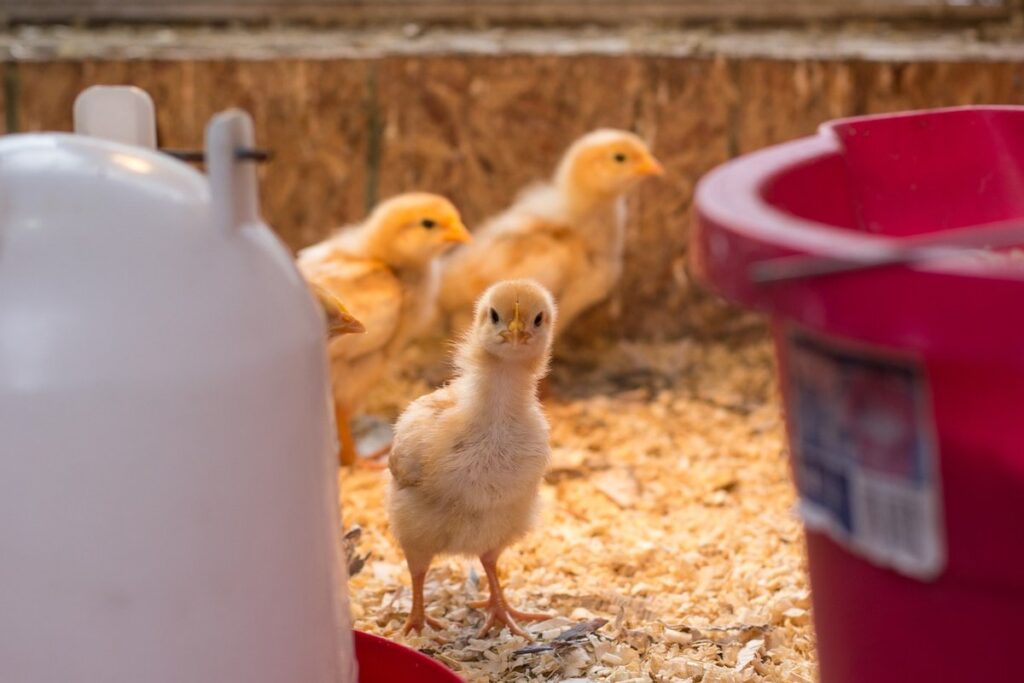
Preparing Your Flock and Brooder
Before introducing brooder chicks into your flock, it’s essential to prepare both the new additions and the existing birds for a harmonious integration. This includes acclimating the chicks to adult chickens’ presence and environments.
Assessing Your Current Flock Dynamics
Before introducing new brooder chicks to your existing flock, it’s essential to assess their current dynamics. Understanding the social hierarchy, temperament, and health of your established birds will help you make informed decisions about integrating the newcomers.
Take note of how your flock interacts with each other, including any dominant or submissive behaviors. For instance, do some hens consistently peck at others, while others seem to avoid confrontation? Identifying these dynamics can prevent potential conflicts when introducing new chicks.
Health-wise, consider the vaccination status and health records of your existing birds. Are there any chronic issues or underlying conditions that may impact their behavior around the new additions?
Conduct a thorough observation period to assess your flock’s temperament. Do they seem stressed, anxious, or fearful in certain situations? This information will help you prepare for potential challenges when integrating the brooder chicks.
In your mind, consider how these dynamics might influence the introduction of new birds, and develop strategies to mitigate any negative impacts.
Setting Up a Quarantine Area for New Chicks
Quarantining new chicks is an essential step when integrating them into your flock. It’s crucial to prevent disease transmission and protect your existing birds from potential health risks. When introducing new chicks, it’s easy for diseases like Marek’s or respiratory infections to spread through direct contact or contaminated feed and water.
To set up a quarantine area, designate a separate section of your property with adequate ventilation, preferably in an isolated location away from your main flock. This will minimize the risk of disease transmission. Ensure the quarantine area is at least 10 feet away from any neighboring birds, including those on adjacent properties.
Inside the quarantine area, provide a clean and comfortable environment for the new chicks. This includes fresh water, feeders, and bedding material. Keep the area well-ventilated to prevent the buildup of ammonia from droppings. A minimum space of 2 square feet per bird is recommended to prevent overcrowding and stress on the birds.
Regularly monitor the health and behavior of the quarantine birds, taking note of any signs of illness or unusual behavior.
Acclimating Brooder Chicks to the Main Flock
Now that your brooder chicks have grown and are ready for the main flock, it’s time to introduce them to their new home. This process is crucial for a smooth transition.
Gradual Introduction Methods for Smooth Integration
When introducing brooder chicks to the main flock, it’s essential to adopt a gradual and controlled approach. This helps minimize stress on both parties and reduces the risk of disease transmission. One effective method is the “split-integration” technique, where you gradually introduce the birds to each other over time.
Start by keeping the brooder chicks in a separate enclosure adjacent to the main flock for 3-5 days. During this period, allow them to get accustomed to the sights, sounds, and smells of the main flock while maintaining separation. Once they seem comfortable with their new surroundings, begin supervised interactions between the two groups under close observation.
Monitor body language closely; if you notice signs of stress or aggression, intervene promptly by separating the birds again. As a general rule, introduce 2-3 chicks to the main flock at a time to prevent overwhelming them. This gradual introduction process can take up to 7-10 days, depending on the size and temperament of your flock.
When introducing new birds, make sure to maintain a ratio of 1:5 or higher (one brooder chick per five adult hens) to avoid competition for resources.
Monitoring Behavior and Health During the Transition Period
Monitoring behavior and health during this transition period is crucial to ensure a smooth integration of the brooder chicks into the main flock. Observe both the new chicks and existing flock members closely for signs of stress, aggression, or illness.
When introducing the brooder chicks, monitor their interactions with the main flock, watching out for any aggressive behavior such as pecking, chasing, or bullying. On the other hand, watch for signs of stress in the existing flock members, including increased vocalization, restlessness, or decreased appetite.
Some key indicators to look for during this transition phase include changes in droppings, lethargy, and labored breathing. Be on the lookout for any chicks that appear isolated, showing signs of fear or intimidation by the larger birds. If you notice any of these signs, intervene promptly to prevent conflicts from escalating into more serious issues.
Regular health checks are also essential during this period. Check the chicks’ beaks, legs, and wings for injuries or damage, and ensure they have access to clean water and food at all times. By staying vigilant and proactive, you can minimize the risks associated with integrating brooder chicks into an existing flock.
Nutrition and Health Considerations
When introducing brooder chicks into your flock, it’s crucial to consider their specific nutritional needs and potential health risks that can arise from sudden integration. Proper planning is key to ensuring a smooth transition.
Ensuring a Smooth Transition in Diet
When introducing brooder chicks to the main flock’s feed, it’s essential to ensure a smooth transition and prevent digestive upset. Start by gradually mixing the chicks’ starter feed with the adult flock’s feed over a period of 7-10 days. This gradual introduction allows the chicks to adjust to the new feed while minimizing the risk of digestive issues.
Monitor the chicks closely during this transition, watching for signs of discomfort such as diarrhea or lethargy. If you notice any adverse reactions, slow down the transition process and consult with a veterinarian for guidance. A general rule of thumb is to maintain a ratio of 25% starter feed to 75% adult flock feed for the first few days, gradually increasing the proportion of adult flock feed.
By taking this gradual approach, you can help prevent digestive upset and ensure the brooder chicks are well-adjusted to their new surroundings. This careful planning will also help them thrive in their new environment, growing strong and healthy alongside the rest of the flock.
Boosting Immune Systems through Nutritional Supplements
When introducing new brooder chicks to an existing flock, it’s essential to consider their nutritional needs during this transition period. A robust immune system is crucial for the health and well-being of both the new and existing birds.
Research suggests that certain nutritional supplements can support immune function in poultry. Vitamin E, for example, plays a vital role in maintaining the integrity of cell membranes and has been shown to enhance immune response in chickens. Include sources rich in vitamin E such as leafy greens like kale and spinach in your flock’s diet.
Other key nutrients include omega-3 fatty acids, which have anti-inflammatory properties that can help alleviate stress on the birds’ immune systems. Probiotics are also beneficial in maintaining a balanced gut microbiome, supporting healthy digestion and immune function.
When selecting supplements, ensure they are specifically formulated for poultry and adhere to regulatory guidelines. Start with small doses and monitor your flock’s response before making adjustments. A well-planned nutritional strategy will help mitigate stress associated with introducing new birds and promote overall health in the flock.
Housing and Environmental Considerations
As you prepare to integrate brooder chicks into your flock, it’s essential to consider their housing needs and ensure a healthy environment that minimizes stress and disease risk. Let’s explore some crucial factors to keep in mind.
Adjusting Flock Density and Space Requirements
When introducing new brooder chicks to an existing flock, adjusting flock density and space requirements is crucial for maintaining the health and well-being of both the young and mature birds. The sudden influx of new birds can lead to overcrowding, which may increase stress levels, spread diseases, and negatively impact growth rates.
To determine if your flock needs a space adjustment, consider calculating the optimal space per bird. A general rule of thumb is to provide at least 4-5 square feet (0.37-0.46 square meters) per bird in a laying hen setup or 2-3 square feet (0.19-0.28 square meters) for meat birds. For brooder chicks, start with around 1-2 square feet (0.09-0.19 square meters) and adjust as they grow.
Be prepared to make adjustments based on your flock’s specific needs. For instance, if you have a large breed or expect high growth rates, you may need more space per bird. Conversely, smaller breeds can thrive in smaller spaces with proper management. Keep a close eye on your birds’ behavior, health, and growth, and be willing to make adjustments as needed to ensure optimal living conditions for all birds.
Biosecurity Measures to Prevent Disease Outbreaks
Maintaining a clean and disinfected coop environment is crucial during the integration phase to prevent disease transmission. This is especially important when introducing brooder chicks into an existing flock, as they can be more susceptible to diseases due to their underdeveloped immune systems.
To ensure biosecurity measures are in place, always follow strict disinfection protocols. Start by thoroughly cleaning and disinfecteding all surfaces, including perches, feeders, waterers, and nesting boxes. Use a broad-spectrum disinfectant that’s specifically labeled for use on poultry environments, and follow the manufacturer’s instructions for application and drying times.
Additionally, keep the coop well-ventilated to reduce ammonia levels and prevent respiratory issues. Also, ensure all incoming birds are properly isolated for at least 14 days before integrating them into the main flock. This allows you to monitor their health status and take necessary precautions if they show any signs of illness.
Post-Integration Monitoring and Adjustments
Now that you’ve successfully integrated your brooder chicks into the flock, it’s time to monitor their progress and make any necessary adjustments to ensure a smooth transition. Regular checks will help prevent stress and health issues.
Tracking Flock Dynamics and Making Adjustments as Needed
Monitoring flock dynamics closely after integrating brooder chicks is crucial for ensuring a smooth transition and preventing potential problems. As the new birds adjust to their surroundings, you may need to make adjustments to feeding schedules, space requirements, or other factors to maintain harmony within the flock.
Keep an eye out for signs of stress or competition for resources, such as pecking at each other’s feathers or dominant birds taking over prime feeding spots. Adjust feeding times and locations accordingly to prevent these behaviors from escalating into more serious issues. For instance, if you notice that older hens are getting priority access to the feeder, consider setting up multiple feeding stations or using automated feeders to distribute resources evenly.
Regularly inspect your flock’s living space to ensure it remains adequate for all birds. As the brooder chicks grow and mature, they’ll require more room to roam and exercise. Be prepared to add more square footage or adjust the coop layout as needed to prevent overcrowding and stress-related health issues.
Addressing Potential Issues and Conflicts
As you introduce brooder chicks to your existing flock, it’s essential to be prepared for potential issues that may arise. One common problem is feather pecking, where hens target the downy feathers of younger birds. To prevent this, provide a safe and enriching environment by ensuring there are adequate nesting boxes, perches, and scratching posts for all birds.
Another issue is aggression from established hens towards new chicks. To mitigate this, introduce chicks gradually, allowing them to acclimate to their new surroundings before being exposed to the rest of the flock. You can also try separating the chicks in a separate coop or run until they are large enough to defend themselves. Be sure to monitor your flock’s behavior closely and intervene if you notice any signs of stress or aggression.
Regular monitoring and adjustments will help prevent conflicts and ensure a harmonious flock dynamic.
Frequently Asked Questions
Can I integrate brooder chicks with adult chickens that have different breeds or temperaments?
When introducing new chicks to a flock with diverse breeds or temperaments, it’s essential to proceed slowly and observe the birds’ behavior closely. Start by keeping the brooder chicks in a separate area, allowing them to become familiar with each other’s presence before gradually introducing them to the main flock under close supervision.
How long does it take for new chickens to fully adjust to their new environment?
The adjustment period can vary depending on several factors, including the age and temperament of the chickens. Generally, it may take 2-4 weeks for new birds to settle into their new surroundings and begin to interact harmoniously with the flock.
What are some common signs that a bird is struggling during the integration process?
Keep a close eye out for changes in appetite, behavior, or overall health. Signs of stress can include feather plucking, excessive noise-making, or withdrawal from social interactions. If you notice any unusual behaviors or symptoms, consult with a veterinarian to rule out potential health issues.
How often should I monitor the health and behavior of my flock during this transition period?
Regular monitoring is crucial to identify any potential issues early on. Schedule daily observations to ensure all birds are eating, drinking, and interacting normally. Also, keep an eye on temperature fluctuations and humidity levels in your coop to prevent heat stress or respiratory problems.
Can I integrate new chickens with a flock that has existing health conditions, such as chronic respiratory issues?
Integrating new chicks into a flock with pre-existing health concerns requires careful consideration. Consult with a veterinarian before making any decisions to ensure you’re taking the necessary precautions to protect both your established birds and the newcomers from disease transmission.