
As an orchard owner, you’re constantly searching for ways to boost productivity while minimizing costs. One often-overlooked solution is incorporating chickens into your orchard management system. Not only can chickens help reduce pest pressure by snacking on pesky insects and slugs, but they also contribute to soil health through their natural fertilizer cycles. By learning how to design chicken-friendly enclosures and manage nutrient cycles effectively, you can create a thriving ecosystem that benefits both your flock and your fruit trees. In this article, we’ll explore the best practices for integrating chickens into your orchard management plan, from selecting the right breeds to maintaining a healthy balance between your chickens’ needs and your orchard’s productivity.
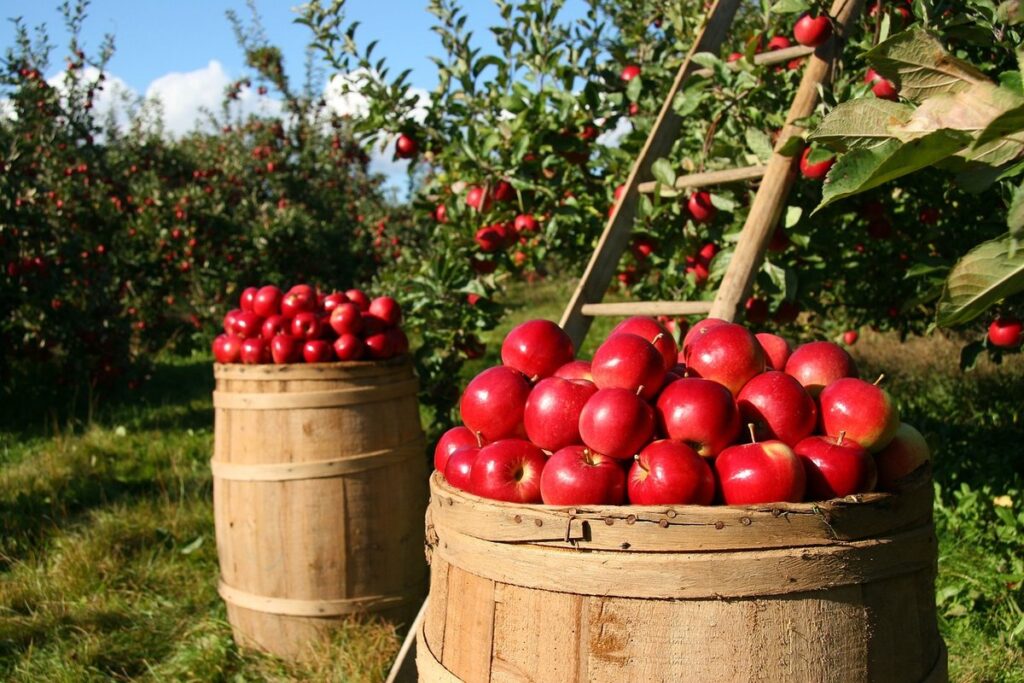
Benefits of Raising Chickens in Orchards
Raising chickens in orchards can bring numerous benefits, from improved soil health to increased biodiversity and reduced pests, all while enhancing your overall farm ecosystem.
Reduced Pest Pressure
One of the most significant benefits of raising chickens in orchards is reduced pest pressure. Chickens are natural foragers and can help control pests that damage crops, such as rodents, insects, and slugs. By integrating chickens into your orchard management strategy, you can reduce the need for chemical pesticides and create a more sustainable environment.
Rodents, in particular, can cause significant damage to fruit trees by gnawing on branches and eating buds. Chickens are effective at controlling rodent populations, as they will actively seek out and eat rodents they come across. Insects like aphids, whiteflies, and codling moths can also be controlled through chicken foraging.
To implement IPM strategies in your orchard, consider the following: designate specific areas where chickens can forage, provide a consistent food source to keep them healthy and active, and monitor their impact on pest populations. By doing so, you’ll not only reduce pest pressure but also create a more balanced ecosystem within your orchard. This integrated approach will lead to healthier crops, reduced crop loss, and increased overall orchard productivity.
Nutrient Cycling and Soil Health
When it comes to raising chickens in orchards, one of the most significant benefits is the enrichment of soil quality through nutrient cycling. As chickens forage and scratch, their manure acts as a natural fertilizer, replenishing the soil with essential nutrients like nitrogen, phosphorus, and potassium. This process promotes beneficial microorganisms in the soil, which in turn support plant growth and development.
As these microbes break down organic matter, they release micronutrients that are often lacking in commercial fertilizers. For example, chicken manure is rich in calcium, magnesium, and sulfur – all essential for fruit tree health. By incorporating chickens into your orchard management strategy, you can reduce the need for synthetic fertilizers and create a more sustainable soil ecosystem.
To maximize the benefits of nutrient cycling, be sure to spread out chicken droppings evenly throughout your orchard, allowing them to break down naturally over time.
Chicken Breeds Suitable for Orchard Management
If you’re looking to introduce chickens into your orchard, it’s essential to choose breeds that are well-suited for managing pests and providing a bounty of eggs. Let’s explore some top chicken breeds perfect for orchard management.
Heat-Tolerant Breeds
When managing an orchard with high temperatures, it’s essential to choose chicken breeds that can withstand the heat. Some chicken breeds are naturally more tolerant of warm climates than others. If you’re looking for heat-tolerant breeds suitable for your orchard, consider these top picks:
The Brahma breed is known for its exceptional heat tolerance and can thrive in temperatures up to 100°F (38°C). Their large size allows them to cool themselves efficiently, making them an ideal choice for hot climates. Another popular option is the Marans breed, which originated from a warm climate and has developed a natural resistance to high temperatures.
When selecting heat-tolerant breeds, also consider their feather density and color. Darker feathers tend to absorb less heat, keeping your chickens cooler. Look for breeds with this trait, such as the Australorp or the Plymouth Rock. By choosing the right breed for your orchard’s climate, you can ensure that your chicken flock remains healthy and productive even in extreme temperatures.
Foraging Ability and Noise Level
When choosing chicken breeds for an orchard setting, it’s essential to consider their foraging ability and noise level. Chickens that are adept at foraging can help maintain a balanced ecosystem by reducing pests and weeds, which can harm trees and other plants. For example, the Australorp breed is known for its exceptional foraging skills, making them an excellent choice for orchard management.
On the other hand, some chicken breeds are notorious for their loud noise levels, which can be a significant concern in a peaceful orchard setting. The Leghorn breed, for instance, is known to be quite vocal, so if you live near neighbors or want to maintain a serene environment, it’s best to opt for quieter breeds like the Silkie.
When evaluating chicken breeds, consider how their foraging ability and noise level will impact your orchard management goals. If you’re looking to minimize pests and weeds, choose breeds with strong foraging instincts. If, however, noise is a concern, select breeds that are known to be quieter. By selecting the right breed for your needs, you can create a harmonious balance between your chickens and orchard ecosystem.
Integrating Chickens into Orchard Design
When designing your orchard, incorporating chickens can not only provide a natural pest control method but also offer a unique opportunity for integrated management. Let’s explore how to integrate chickens effectively.
Perimeter Fencing and Enclosures
When designing an orchard that incorporates chickens, it’s essential to consider their enclosures and ensure they provide a safe environment for these birds. The goal is to create a secure perimeter fence that allows chickens to roam freely while protecting them from predators.
A good starting point is to assess your orchard’s topography and climate. Consider the terrain’s slope, elevation, and any nearby water sources that may attract wildlife. Think about the types of predators present in your area, such as foxes, coyotes, or hawks, and design your enclosure accordingly.
For a secure perimeter fence, consider using materials like chicken wire, hardware cloth, or electric fencing. The key is to choose a material that’s at least 3 feet high and has openings no larger than 1 inch in diameter. When building the enclosure, make sure to bury the fencing material 12 inches underground to prevent digging predators from escaping.
To allow chickens to roam freely within their enclosure, incorporate gates and walkways that connect different areas of the orchard. This will also make it easier for you to manage their access and supervise them during harvest season. By investing time in designing a secure, predator-proof enclosure, you’ll be able to enjoy a harmonious relationship between your chickens and orchard trees.
Access Points and Feeding Systems
When integrating chickens into your orchard design, it’s essential to consider efficient access points and automated feeding systems. Not only do these features minimize labor, but they also reduce waste and create a more enjoyable experience for both you and your flock.
A well-designed access point allows chickens to move freely between the orchard and their coop, while also providing easy access for you to collect eggs and perform maintenance tasks. Consider incorporating a covered walkway or bridge that connects the orchard to the coop, protecting your birds from harsh weather conditions. You can also install automatic doors that open and close at set times, ensuring your chickens have fresh air and sunlight during the day.
Automated feeding systems can be especially beneficial in large orchards or those with multiple chicken populations. These systems use sensors and programming to dispense feed at set intervals, eliminating overfeeding and waste. Some popular options include gravity-fed troughs and automated feeder panels that adjust to meet the changing needs of your flock. By investing in efficient access points and feeding systems, you’ll be able to streamline your orchard management tasks and create a healthier, more productive environment for both your chickens and fruit trees.
Chicken-Orchard Ecosystem Interactions
As you bring chickens into your orchard, it’s essential to understand how these birds interact with the ecosystem and how their presence can impact beneficial insects, pollinators, and pests. This relationship is crucial for a balanced and thriving orchard.
Predation Control through Chickens
Chickens can play a significant role in controlling orchard pests, particularly slugs and snails. These pests are notorious for their ability to cause extensive damage to plants, with one slug capable of consuming up to 50 times its body weight in vegetation each day. Chickens, being natural predators, can help mitigate this issue through their foraging activities.
To utilize chickens as a predation control method, it’s essential to introduce them into the orchard during peak pest seasons. This strategy allows chickens to target and eliminate pests before they cause significant damage to plants. To encourage hunting behavior, provide chickens with sufficient food, water, and shelter within the orchard.
When incorporating chickens into your orchard management plan, consider introducing at least one rooster for every 10 hens. Roosters will help to stimulate chicken activity and increase the likelihood of successful predation control. By strategically integrating chickens into your orchard ecosystem, you can reduce pest populations and create a more balanced environment for both plants and animals to thrive in.
Nutrient Cycles and Orchard Productivity
When chickens are integrated into orchard management, their presence can have a profound impact on soil fertility. This is primarily due to the nutrient-rich manure they produce. Chicken droppings are an excellent source of nitrogen, phosphorus, and potassium – essential nutrients for plant growth.
As chicken manure breaks down in the soil, it acts as a natural fertilizer, promoting healthy microbial activity and encouraging beneficial bacteria to thrive. This, in turn, leads to increased soil fertility and a more balanced ecosystem. Orchard productivity can see significant gains with this boost, resulting in healthier trees, improved yields, and better fruit quality.
One way to maximize these benefits is by incorporating chicken manure into your orchard’s compost pile. Mixing it with other organic materials will create a nutrient-dense compost that can be applied directly to the soil or used as a mulch. This not only reduces waste but also allows you to harness the full potential of your chickens’ contributions to the ecosystem.
To get started, consider setting aside a designated area for chicken manure collection and composting. Regularly turning the pile will help speed up decomposition and ensure the nutrients are evenly distributed. With proper management, your orchard can reap the rewards of this integrated approach, creating a thriving, self-sustaining ecosystem that benefits both trees and chickens alike.
Challenges and Considerations for Implementing Chicken-Orchard Systems
Implementing a chicken-orchard system requires careful consideration of several challenges, from managing pest populations to addressing potential health risks. We’ll explore these complexities in detail below.
Disease Transmission and Biosecurity
When integrating chickens into your orchard management, it’s essential to consider the potential risks of disease transmission between birds and other animals. Chickens can carry diseases such as avian influenza, Newcastle disease, and salmonella, which can be transmitted to other birds, livestock, and even humans.
To mitigate these risks, maintain a robust biosecurity protocol in your orchard. Start by establishing clear boundaries between the chicken enclosure and the rest of the orchard. Ensure that all feeders, water sources, and equipment are properly sanitized and stored when not in use.
Regularly monitor the health of your chickens and take swift action if you notice any signs of illness. Implement good hygiene practices such as washing hands before handling birds or equipment and changing shoes to prevent the spread of disease.
Keep a clean and well-maintained chicken coop, removing soiled bedding material regularly and disposing of it properly. Consider implementing a flock management plan that includes regular health checks, vaccinations (if necessary), and parasite control measures. By prioritizing biosecurity and maintaining good hygiene practices, you can minimize the risks associated with integrating chickens into your orchard management system.
Labor Requirements and Cost-Benefit Analysis
When incorporating chickens into orchard management, it’s essential to consider the labor requirements and potential cost savings. One of the primary concerns is the added workload that comes with managing a flock. This can include daily feeding, watering, and monitoring of the chickens’ health. However, by integrating chickens into the existing orchard routine, some tasks can be combined or repurposed.
For example, using chicken manure as fertilizer can eliminate the need for separate composting processes. Additionally, chickens can help control pests like slugs and snails that target fruit trees. By implementing a chicken-orchard system, farmers may save on external pest management services. It’s also worth noting that some orchards have reported a 20-30% reduction in labor costs due to the increased efficiency of having a multi-species farm.
To maximize cost savings, it’s crucial to plan and manage the chicken-orchard system carefully, taking into account factors like flock size, feed intake, and waste management. By doing so, farmers can optimize their resources and enjoy the benefits of integrated orchard management.
Best Practices for Monitoring and Maintaining Chicken-Orchard Systems
To get the most out of your chicken-orchard system, it’s essential to monitor and maintain a few key aspects that will ensure their health and productivity. This includes regular checks on coop conditions, feed quality, and pest management practices.
Health Checks and Vaccination Programs
Regular health checks are essential to maintain chicken health and prevent diseases that can affect not only the birds but also other animals and humans in close proximity. This is particularly crucial when integrating chickens into an orchard setting, where multiple species coexist in a shared environment.
A well-planned vaccination program should be part of your overall management strategy. Consult with local veterinarians or poultry experts to determine which vaccinations are necessary for the specific breeds you’re working with and the climate you operate in. Typically, vaccines protect against avian influenza, Newcastle disease, and fowl pox, among others.
Parasite control measures must also be implemented to prevent internal and external parasites from affecting chicken health. For example, mites, lice, and fleas are common external parasites that can weaken birds and compromise overall health. Regular cleaning of enclosures, removing soiled bedding, and treating affected areas with appropriate chemicals are all part of effective parasite control.
Internal parasites such as worms pose another significant threat to chickens in orchard settings. Worms can be spread through the soil or contaminated feed, so practices like crop rotation and proper waste management become crucial for maintaining a healthy ecosystem. In addition to these measures, incorporate regular deworming treatments into your chicken health routine, taking care to rotate between different classes of anthelmintics to avoid developing resistance.
Effective parasite control also involves providing a clean living environment by regularly cleaning feeding troughs, waterers, and nesting boxes.
Frequently Asked Questions
What’s the ideal space required for integrating chickens into an orchard?
The ideal space will depend on factors like chicken breed, foraging ability, and your specific orchard management needs. As a general rule of thumb, consider at least 2-4 square feet per chicken inside their coop or enclosure, with some extra room for exercise and movement. You’ll also want to ensure sufficient space between enclosures for easy maintenance and predator control.
How can I ensure my chickens don’t over-forage on my orchard crops?
To prevent over-foraging, implement a system where your chickens have dedicated foraging areas, such as mulched paths or designated foraging zones. This will help redirect their attention away from valuable crops. You can also rotate the location of these areas seasonally to maintain biodiversity and prevent overuse.
Can I integrate chickens with other livestock in my orchard?
Yes, integrating chickens with other livestock like cows, goats, or pigs can create a thriving ecosystem. However, it’s essential to research compatibility issues beforehand and ensure each species’ needs are met without compromising the health of your orchard crops or animals. Proper planning will help you achieve a balanced and harmonious multi-species system.
How do I monitor nutrient cycles in my chicken-orchard ecosystem?
Monitor nutrient cycles by tracking key indicators like soil pH, fertility levels, and overall plant growth. Regularly inspect your orchard’s health and adjust your management strategies as needed to maintain optimal conditions for both your chickens and crops. You can also consider consulting with a local expert or conducting further research on specific nutrient cycling techniques.
Are there any breed-specific considerations when selecting chickens for orchard integration?
Yes, some chicken breeds are better suited to orchard life than others due to their temperament, noise level, or heat tolerance. Research breeds like Leghorns or Cornish Cross, which tend to do well in orchard environments. However, remember that individual personalities can vary within a breed, so consider factors like hardiness and foraging ability when selecting the right chickens for your specific ecosystem needs.