
Adding a rooster to your backyard flock can be a thrilling experience, but it requires careful planning. If you’re considering introducing a rooster to your existing hens, you’ll want to understand their behavior and how they interact with each other. Not all breeds are suitable for backyard flocks, so choosing the right one is crucial.
In this article, we’ll guide you through the process of integrating roosters into your flock safely and successfully. We’ll cover essential topics such as understanding rooster behavior, selecting a breed that’s right for you, and creating an environment where all birds can thrive together. By the end of our expert guide, you’ll be well-equipped to introduce a rooster to your backyard flock with confidence.
Understanding the Basics of Rooster Behavior
When it comes to roosters, understanding their behavior is key to successfully integrating them into your backyard flock. This includes recognizing normal and abnormal behaviors.
Characteristics of a Healthy Rooster
A healthy rooster is essential for maintaining a balanced and thriving backyard flock. When selecting a rooster for integration into your flock, look for certain characteristics that indicate good health and temperament.
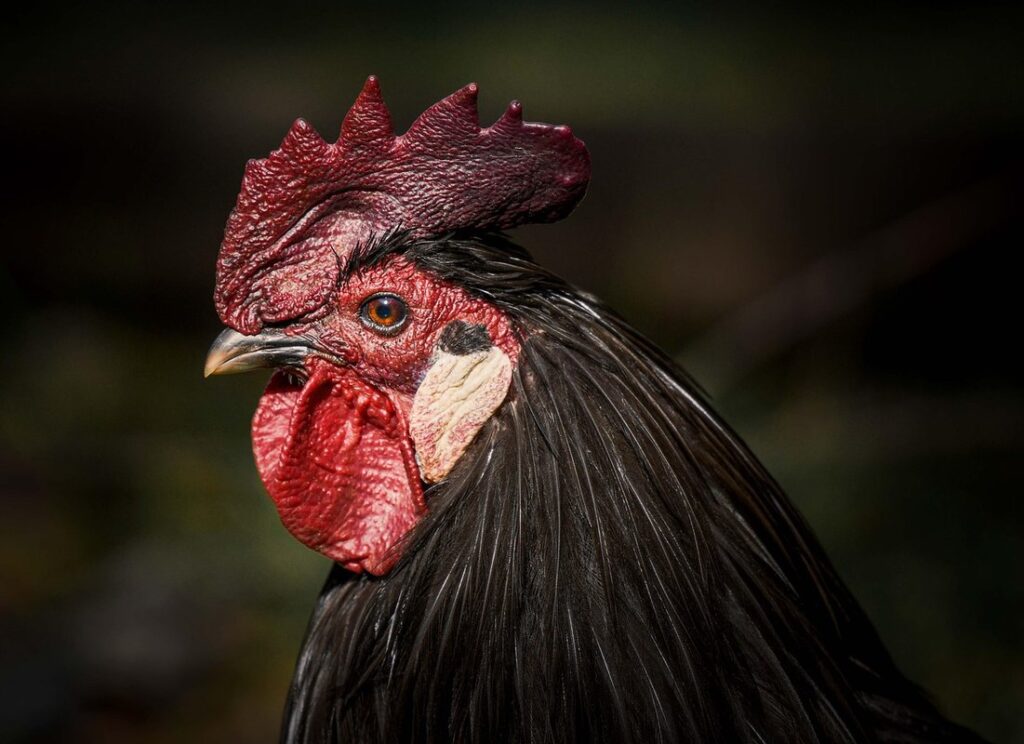
Physically, a healthy rooster should have a shiny, well-maintained plumage with no signs of molting or excessive feather loss. His comb should be vibrant red, indicating good circulation and overall health. A rooster’s weight and muscle tone are also important indicators; he should appear robust but not obese.
In terms of temperament, a healthy rooster is confident and assertive without being aggressive. He should be curious and active, engaging with his surroundings and interacting with the hens in a calm and respectful manner. Avoid roosters that appear fearful or skittish, as this can indicate underlying health issues or poor breeding.
When integrating a new rooster into your flock, it’s essential to monitor his behavior closely, especially during the initial introduction period. Observe how he interacts with the hens, watch for signs of stress or aggression, and be prepared to intervene if necessary.
Recognizing Aggressive Rooster Behavior
As you integrate roosters into your backyard flock, it’s essential to recognize signs of aggressive behavior. Roosters can be fiercely protective of their territory and hens, which is natural but needs to be managed. Dominance displays are one common sign of aggression – look for behaviors like strutting, crowing loudly, or making direct eye contact with other birds. If your rooster is exhibiting these traits towards a particular hen, it may indicate he’s claiming her as his own.
Territorial behavior can also be a sign of aggression in roosters. Keep an eye out for birds that are defending specific areas of the coop or run. For example, if you notice a rooster charging at anyone who approaches the nesting box, it’s likely he’s staking claim to that area.
Another warning sign is feather pecking – when a bird starts picking at another bird’s feathers aggressively. This behavior can be caused by boredom, lack of forage, or even stress related to being integrated into a new flock. If you notice your rooster exhibiting any of these behaviors, it’s time to intervene and address the issue before things escalate.
Creating a Safe Environment for Roosters
When it comes to creating a safe environment for roosters, understanding their unique needs and requirements is crucial. Roosters are social animals that thrive on interaction, so providing them with adequate space and opportunities for socialization is essential.
Firstly, ensure you have sufficient space allocated for your rooster in the backyard flock. A general rule of thumb is to provide at least 8-10 square feet of floor space per rooster, taking into account any additional birds they’ll be living with. Additionally, consider a secure and enclosed area where they can roam freely without posing a threat to surrounding property or wildlife.
Socialization plays a significant role in reducing aggression and stress levels in roosters. Introduce them gradually to other birds, starting from day-old chicks, and supervise their interactions closely. This will help your rooster establish dominance hierarchies peacefully and reduce the likelihood of conflicts.
Proper handling is also vital for building trust between you and your rooster. Start by letting them become familiar with your presence through visual contact, then gradually introduce gentle handling practices, such as offering treats or gently stroking their feathers.
Regularly inspect your rooster’s living environment to identify potential stressors, such as predators, loud noises, or inadequate shelter. By addressing these concerns promptly and implementing practical solutions, you can create a safe haven for your rooster to thrive in the backyard flock.
Choosing the Right Breed of Rooster
When it comes to selecting a rooster, you’ll want to consider breeds that are well-suited to your climate and lifestyle. Some popular breeds for backyard flocks include Silkie, Brahma, and Cochin roosters.
Factors to Consider When Selecting a Rooster Breed
When selecting a rooster breed for your backyard flock, there are several key factors to consider. One of the most important is size – if you have small hens, you’ll want a smaller rooster that won’t intimidate them or be too hard to manage. Look for breeds like the Silkie or Polish, which are known for their gentle nature and compact size.
Temperament is also crucial when choosing a rooster breed. A friendly and docile rooster will make your flock’s life easier and reduce stress levels. Consider breeds like the Brahma or Orpington, which are renowned for their calm and even-tempered personalities.
Another consideration is egg-laying ability – while not essential, some breeds like Leghorns or Rhode Island Reds can lay up to 200 eggs per year. If you’re looking for a breed that can provide both eggs and companionship, these might be a good fit.
Finally, think about your climate – if you live in an area with extreme temperatures, choose a breed that’s adapted to those conditions. For example, the hardy Australorp thrives in hot climates, while the fluffy Ameraucana excels in colder ones.
Popular Breeds for Small Backyard Flocks
When selecting a rooster for a small backyard flock, it’s essential to choose breeds that are well-suited for the space and climate. Here are some popular breeds that thrive in smaller settings.
The Leghorn is a lightweight breed known for its high egg production and quiet nature, making them an ideal choice for small flocks. They require less space and food compared to other breeds, but still maintain their robust constitution.
Another popular option is the Cochin rooster, valued for its gentle and docile temperament. Cochins are relatively low-maintenance birds that can adapt to smaller enclosures with ease. However, they do have a higher feed requirement due to their size and growth rate.
For more exotic options, consider the Silkie or the Polish rooster. Both breeds are prized for their unique appearance and friendly personalities. Silkies require regular grooming due to their fluffy plumage, but their calm demeanor makes them an excellent choice for beginners.
Ultimately, it’s crucial to research and understand a breed’s specific needs before making a final decision. By choosing the right breed, you can ensure a harmonious coexistence between your rooster and other flock members in your backyard setting.
Considerations for Roosters in Urban Areas
If you’re planning to keep roosters in an urban area, it’s essential to consider local regulations and zoning laws. Start by checking with your city or municipality to see if there are specific ordinances regarding backyard chickens, including roosters. Many cities have noise restrictions that may prohibit loud crowing, so understanding these rules is crucial.
Another consideration for urban rooster keepers is noise levels in general. Roosters can be quite vocal, especially at dawn and dusk when they’re most active. If you live in a densely populated area or have close neighbors, it’s essential to select a breed that is known to be quieter than others. For example, the Silkie or Cochin rooster breeds are often considered more subdued in their crowing.
It’s also crucial to consider potential conflicts with your neighbors. Talk to them before bringing home a rooster and explain how you plan to manage noise levels. Establishing open communication can help prevent issues down the line.
Integrating Roosters into an Existing Flock
When integrating a rooster into your existing flock, one of the biggest concerns is how the new addition will be received by the hens. This section tackles common challenges and offers practical advice for a smooth transition.
Introducing a New Rooster to the Flock
When introducing a new rooster to an existing flock, it’s essential to do so gradually and carefully to avoid conflict. Start by keeping the new rooster isolated from the rest of the flock for a few days to allow him to settle in and reduce stress.
Once you’ve introduced him to his new environment, bring the two groups together under close supervision. Begin with visual introductions, allowing them to see each other through a fence or screen while feeding treats on opposite sides. Gradually increase face-to-face interactions over time, starting with short sessions and monitoring their behavior for signs of aggression.
To minimize conflict, choose a calm and gentle rooster that is well-suited to your existing flock’s dynamics. Avoid introducing multiple new roosters at once, as this can lead to increased competition and fighting. Also, be aware of any existing pecking orders within the flock and make adjustments accordingly to prevent the new rooster from disrupting established hierarchies.
With patience and careful planning, you can successfully integrate a new rooster into your backyard flock without causing unnecessary stress or conflict.
Managing Multiple Roosters in One Flock
Managing multiple roosters in one flock can be challenging, but with the right strategies, you can maintain social harmony and reduce aggression. The key is to understand the pecking order and establish a clear hierarchy within the flock.
When introducing multiple roosters to an existing flock, it’s essential to observe their behavior closely for signs of stress or aggression. Watch for feathers being puffed out, loud crowing, or direct attacks on other birds. If you notice any of these behaviors, separate the new rooster(s) from the rest of the flock and reintroduce them gradually under close supervision.
To maintain social harmony, provide a large enough enclosure to accommodate all the birds comfortably, with plenty of perches, nesting boxes, and feeding areas. Ensure that each bird has its own space and resources to reduce competition and stress. Consider creating separate areas for individual roosters or groups of roosters to establish their own social dynamics.
By following these tips and being attentive to your flock’s behavior, you can successfully integrate multiple roosters into an existing flock and maintain a harmonious and healthy environment for all your birds.
The Role of Hens in Conflict Resolution
When integrating roosters into an existing flock, it’s essential to consider the role of hens in conflict resolution. While it may seem counterintuitive, hens can play a significant part in mediating disputes between roosters and promoting peaceful coexistence within the flock.
In the wild, hens often serve as a buffer between rival roosters, helping to diffuse tension and prevent fights. You can encourage this behavior in your backyard flock by providing enough space and resources for all birds. A crowded or competitive environment can exacerbate tensions between roosters, so make sure each bird has its own territory and access to food, water, and perches.
Another way to foster positive relationships among females is to ensure they’re well-fed and healthy. Happy hens are less likely to engage in pecking order disputes, which can trigger aggressive behavior from the rooster. By maintaining a balanced diet and providing regular health checks, you’ll create an environment where hens feel secure and confident, reducing the likelihood of conflict with their male counterparts.
Rooster Health and Maintenance
Maintaining a healthy rooster is crucial for your backyard flock’s overall well-being, so let’s dive into essential tips on health checks, vaccinations, and parasite control.
Vaccination and Disease Prevention Strategies
When it comes to maintaining a healthy backyard flock with roosters, disease prevention is crucial. Common diseases affecting poultry include Marek’s disease, Newcastle disease, and avian influenza. These illnesses can be transmitted through contact with infected birds, contaminated feed or water, or even from wild animals that carry the pathogens.
To protect your flock, it’s essential to implement a vaccination strategy for roosters. Consult with a veterinarian to determine which vaccines are necessary for your region and climate. Typically, vaccinations against Marek’s disease and Newcastle disease are recommended. In addition to vaccinations, take preventative measures such as providing clean water and feed, maintaining good hygiene practices, and ensuring proper ventilation in the coop.
Some key tips for rooster vaccination include:
- Keeping records of vaccine administration
- Monitoring your flock regularly for signs of illness
- Isolating new birds before introducing them to the main flock
By following these steps and staying proactive about disease prevention, you can keep your backyard flock healthy and thriving with their roosters. Regular check-ups with a veterinarian will also help identify any potential health issues early on, allowing for prompt treatment and minimizing the risk of disease transmission.
Dietary Requirements for Roosters
When it comes to keeping roosters healthy and happy in your backyard flock, their diet is one of the most critical factors. Unlike hens, roosters have different nutritional requirements that need to be met to prevent health issues.
Roosters require a balanced diet rich in protein, vitamins, and minerals to support their high metabolism and energy levels. A good starting point is to offer a commercial game bird feed or a layer feed with a calcium supplement specifically formulated for roosters. This type of feed typically contains around 16-18% protein, which meets the rooster’s daily protein needs.
In addition to a balanced feed, you can also provide your roosters with treats like fresh fruits and vegetables, such as apples, carrots, and leafy greens. However, these should be given in moderation due to their high sugar content.
To avoid potential health issues related to nutrition, it’s essential to maintain a consistent feeding schedule for your roosters. Feed them twice a day, once in the morning and once in the evening, making sure they always have access to fresh water. Avoid overfeeding, as this can lead to obesity and related health problems.
A general rule of thumb is to provide 1/4 pound of feed per bird per day for roosters under 12 weeks old. For adult roosters, you can start with 1/2 pound of feed per bird per day. Adjust the amount based on individual needs, taking into account factors like age, size, and activity level.
By following these guidelines and providing a balanced diet, you’ll be able to keep your rooster healthy, happy, and thriving within your backyard flock.
Safety Considerations for Homeowners
When bringing roosters into your backyard flock, it’s essential to consider their impact on neighboring properties and take steps to minimize potential conflicts. We’ll cover key safety considerations for homeowners in this next section.
Noise Regulations and Zoning Laws
When introducing roosters to your backyard flock, it’s essential to consider noise regulations and zoning laws that may affect your ability to keep them. These laws can vary significantly depending on where you live, so familiarize yourself with local ordinances before bringing a rooster home.
In the United States alone, over 90% of cities have noise regulations that dictate acceptable decibel levels. For example, if you live in a residential area with a homeowners’ association (HOA), they may have specific rules governing loud noises, including those made by animals. In such cases, it’s crucial to obtain permission from the HOA before acquiring a rooster.
Similarly, zoning laws can also impact your ability to keep roosters. Some areas are designated as agricultural or rural zones, where keeping chickens and roosters is allowed, while others may be strictly residential with noise restrictions in place. Research your local zoning laws to ensure you comply with them.
If you’re unsure about the specific regulations in your area, consider contacting your local government office or speaking with a livestock expert who’s familiar with local ordinances. This will help you make an informed decision and avoid potential issues down the line.
Liability and Insurance Concerns
As you consider integrating roosters into your backyard flock, it’s essential to think about liability and insurance concerns. While many homeowners enjoy raising chickens for eggs and entertainment, there are potential risks involved, particularly if your rooster escapes or causes harm to others.
Liability insurance is crucial for backyard poultry farmers, as it protects you in case someone is injured by a loose rooster or if your birds transmit disease to neighboring properties. When selecting an insurance policy, look for coverage options that include liability and property damage. Some insurers may require you to take certain precautions, such as fencing your coop securely or keeping a close eye on your birds.
Even with insurance, it’s crucial to be aware of potential liabilities associated with roosters. They can become aggressive if not properly socialized or managed, leading to injuries or property damage. Consider the breed and temperament of your rooster, and take steps to ensure they are well-cared for and safely contained. By being proactive about liability and insurance concerns, you can enjoy raising roosters while minimizing risks.
Conclusion: Making Rooster Integration a Success
Now that you’ve successfully integrated your roosters into your backyard flock, it’s time to reflect on what worked and how to make future integrations even smoother. Let’s review key takeaways from this process.
Key Takeaways from Integrating Roosters
If you’ve made it through this comprehensive guide on integrating roosters into your backyard flock, you now have a solid understanding of the key considerations and best practices for successful integration. Let’s recap some of the most important takeaways to ensure a smooth transition.
Firstly, it’s essential to start with a solid plan, considering factors such as breed compatibility, temperament, and individual personalities. This will help you choose roosters that are well-suited to your existing flock and create a harmonious environment. As discussed earlier, introducing new birds to the flock gradually is crucial, allowing them to become familiar with each other’s presence, sounds, and scents.
Proper introductions can make all the difference in establishing a peaceful coexistence among your birds. By following our recommended step-by-step introduction plan, you’ll be able to monitor their behavior and adjust accordingly to prevent conflicts or territorial disputes.
Another key takeaway is the importance of providing adequate space for your roosters, including suitable habitats and enrichment activities to meet their unique needs. This not only enhances their well-being but also promotes a balanced flock dynamic.
Ultimately, patience and flexibility are key to successful rooster integration. Be prepared to adjust your approach as needed and be willing to make changes if conflicts arise or if individual personalities don’t mesh as expected. By embracing this mindset and following the advice outlined in this guide, you’ll be well-equipped to create a harmonious backyard flock that thrives with the presence of your integrated roosters.
In conclusion, integrating roosters into your existing flock requires careful planning, attention to detail, and a willingness to adapt as needed. By incorporating these key takeaways into your approach, you’ll set yourself up for success and enjoy a healthy, thriving backyard flock that brings joy and companionship to your life.
Frequently Asked Questions
What’s the best way to introduce a new rooster to my existing flock, especially if I have multiple hens?
When introducing a new rooster, it’s essential to monitor the behavior of both the old and new birds closely. Start by keeping them separate for a few days, then gradually introduce them under close supervision. Watch for signs of aggression or stress, such as loud crowing, aggressive posturing, or attacks on other birds. If you notice any of these behaviors, intervene promptly to prevent conflict.
How can I tell if my rooster is too dominant and causing problems in the flock?
A dominant rooster may exhibit aggressive behavior towards hens, other roosters, or even predators. Watch for signs such as excessive crowing, feather plucking, or physical attacks on other birds. If you notice any of these behaviors, consider separating the rooster from the rest of the flock to prevent harm.
What’s the ideal size and layout for my backyard coop to accommodate a rooster?
The ideal coop size depends on several factors, including the number of birds, breed, and available space. As a general rule, provide at least 2-4 square feet per bird inside the coop, with additional space for exercise and movement outside. Consider a layout that allows for easy cleaning, ventilation, and predator protection.
How often should I interact with my rooster to build trust and strengthen our bond?
Interacting regularly with your rooster can help establish trust and strengthen your bond. Spend time with him daily, handling him gently and speaking calmly to him. This will also help you recognize any signs of stress or discomfort. Remember to respect his personal space and boundaries.
What are some common health issues I should watch out for in my rooster, especially if he’s not vaccinated?
Common health issues in roosters include respiratory problems, parasites, and reproductive issues. If your rooster isn’t vaccinated, monitor him closely for signs of illness or stress, such as lethargy, loss of appetite, or changes in behavior. Consult with a veterinarian experienced in poultry care to ensure your rooster receives proper vaccinations and preventative care.