
When you hear the words “rooster” and “chicken,” do you wonder if they’re one and the same? Or are they distinct creatures with their own identities? The answer might surprise you. While many people assume a rooster is simply a male chicken, the truth is more complex. In fact, biologists, historians, and even culture enthusiasts have debated this topic for centuries. So, what’s the deal? Is a rooster indeed a type of chicken, or are they separate entities altogether? Let’s dig into the fascinating world of poultry classification, exploring the biology, history, and cultural significance surrounding these beloved birds. In this article, we’ll break down the facts and myths to uncover the truth about roosters and their place in the avian kingdom.
The Origin of the Question
To get to the bottom of whether a rooster is indeed a chicken, let’s explore where this confusion first began, tracing its roots back through history.
Defining Terms: Chickens and Roosters
In everyday language, it’s common for people to use the terms “chicken” and “rooster” interchangeably. However, when we delve deeper into their definitions, some interesting differences emerge.
A chicken is a domesticated bird that belongs to the family Phasianidae, which includes over 300 breeds worldwide. Chickens are characterized by their compact bodies, short legs, and soft feathers. They’re also known for their ability to produce eggs, with an average laying hen producing around 280-300 eggs per year.
A rooster, on the other hand, is a male chicken that’s specifically bred for its distinctive crowing abilities and striking plumage. While all roosters are technically chickens, not all chickens are roosters – female birds are called hens, and they don’t possess the characteristic crowing ability of their male counterparts.
To illustrate this point, consider a typical farm setting: you might see dozens of hens scratching around in the yard, while one or two majestic roosters strut around, proudly displaying their vibrant feathers. Understanding these distinctions can help clarify the answer to our original question: is a rooster a chicken?
Historical Context: How the Term “Rooster” Emerged
The term “rooster” has been used for centuries to refer to male chickens. Its origins date back to ancient Rome and Greece, where roosters were considered sacred animals. The Latin word “galus,” meaning rooster, was later adopted into Middle English as “galle,” which eventually evolved into “rooster.” In some cultures, such as in the United States, roosters are referred to as “cockerels” or simply “cocks.”
Different languages have their own unique terms for male chickens. For example, in French, it’s called “coq,” while in Spanish, it’s “gallo.” This variation highlights how cultural and linguistic influences shape the way we refer to roosters.
In modern times, the term “rooster” has become widely accepted globally. The use of “rooster” versus other terms like “cock” or “cockerel” often depends on regional dialects and personal preference. When communicating with others, using the correct term can be a matter of understanding and respect for cultural nuances.
The evolution of the term “rooster” reflects our changing relationship with chickens over time. As we explore the question of whether a rooster is indeed a chicken, it’s essential to appreciate the rich history behind this term.
Biological Perspective
When it comes down to biology, let’s take a closer look at what makes a rooster different from his female counterparts and why he’s still considered part of the chicken family.
Sex and Reproduction in Chickens
When it comes to chickens, understanding their reproductive system is essential for anyone interested in raising these birds. From a biological perspective, sex differences between hens and roosters are significant, particularly when it comes to egg-laying and fertility.
Hens, being females, have the ability to lay eggs. This process begins with the hen’s ovaries producing yolks, which then travel through her oviducts before being laid into an eggshell. The number of eggs a hen lays per day can vary depending on factors such as breed, age, and nutrition. A healthy hen can lay around 280-300 eggs in a year.
On the other hand, roosters, or males, have no role in laying eggs but play a crucial part in fertility. They are responsible for fertilizing the eggs laid by hens, allowing them to hatch into chicks. Roosters also engage in courtship behaviors with hens, which helps stimulate egg-laying and increases the chances of successful fertilization.
While it may seem straightforward that roosters don’t lay eggs, some breeds can produce small or soft-shelled eggs due to hormonal imbalances. However, this is extremely rare and not a characteristic typically associated with roosters. In conclusion, understanding the reproductive systems of hens and roosters highlights their distinct roles in chicken reproduction.
Chicken Anatomy: Physical Characteristics
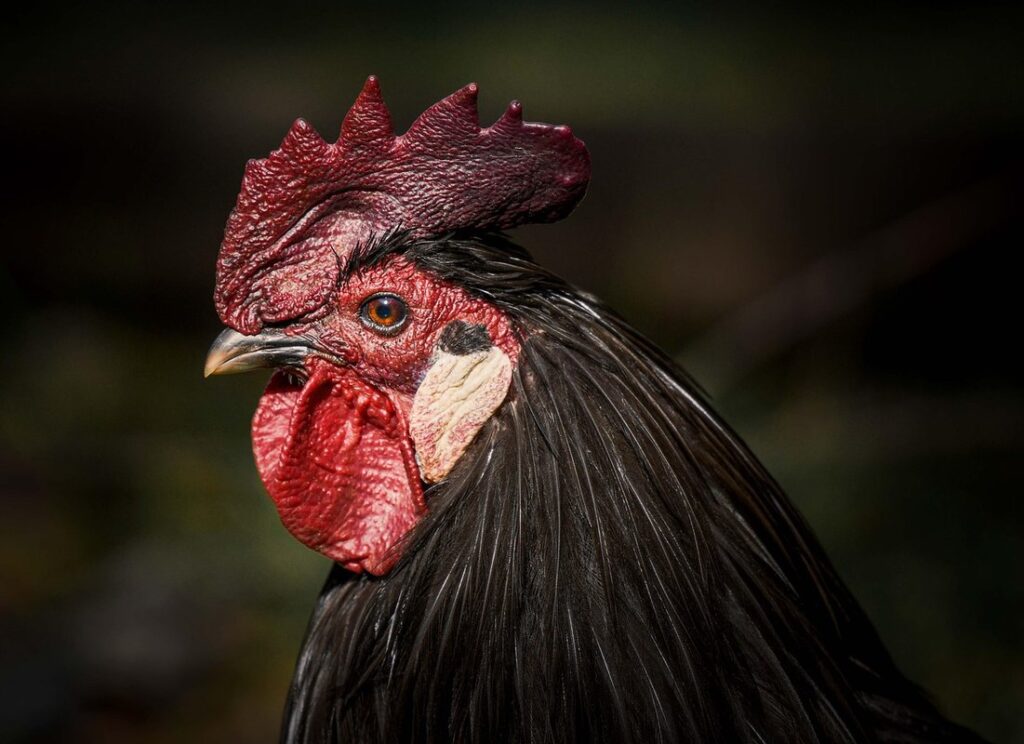
When it comes to physical characteristics, one of the most noticeable differences between male and female chickens is the comb size. A rooster’s comb can grow up to 1-2 inches long, whereas a hen’s comb tends to be smaller and more rounded. This difference in comb size is not just aesthetically pleasing; it also serves an important purpose. The larger comb of a rooster helps to dissipate heat generated by the bird’s metabolism, keeping him cool in hot weather.
Other external features that distinguish male chickens from females include beak shape and plumage color. Roosters tend to have longer, thicker beaks than hens, which are better suited for pecking at grain and other food sources. In terms of plumage color, roosters often sport vibrant, iridescent feathers, particularly on their necks and tails, while hens tend to have more subdued coloring.
If you’re trying to determine whether a chicken is a rooster or hen based on physical characteristics alone, keep in mind that some breeds can exhibit variations. For example, some roosters may have smaller combs or less vibrant plumage than others. The best way to tell for sure is by observing the bird’s behavior and listening for its distinctive crowing sound – a trait that is unique to males.
Domestication and Breeding Practices
When it comes to roosters, many people assume they’re simply a type of chicken, but their origins and breeding practices are actually quite distinct from those of hens. Let’s explore how domestication has shaped these differences.
The Impact of Selective Breeding on Roosters
Selective breeding has played a significant role in shaping the diversity of rooster breeds. By emphasizing desirable traits and suppressing unwanted ones, breeders have created an astonishing range of characteristics that set different breeds apart.
Over time, breeders have prioritized various traits such as size, plumage color, comb type, and temperament. For instance, some breeds like the Sultan and Malay have been bred for their small size, making them suitable for backyard flocks or exhibition shows. In contrast, larger breeds like the Brahma and Cochin have been developed for their impressive stature.
As a result of selective breeding, roosters now exhibit an incredible array of characteristics that distinguish them from each other. From the striking silhouettes of game birds to the flamboyant plumage of ornamental breeds, there’s no denying the impact of breeding on the modern rooster. By recognizing these differences, backyard flock owners can choose a breed that suits their lifestyle and needs, ensuring a harmonious coexistence between humans and birds.
Selective breeding has also led to some surprising consequences, such as changes in behavior or egg production. For example, some breeds have been bred for their docile nature, making them suitable for families with children. Others have been developed for their high fertility rates, allowing breeders to raise more chicks. By understanding these variations, owners can make informed decisions about the type of rooster they bring home and ensure a happy and healthy bird.
Raising Roosters: Care and Management
Raising roosters can be a wonderful experience for backyard chicken keepers, but it requires specific attention to their unique needs. First and foremost, when it comes to diet, roosters have higher protein requirements than hens due to their high energy levels. A balanced feed that includes a mix of grains, proteins, and vitamins will help support their growth and overall health.
In terms of housing, roosters need more space than hens to move around, exercise, and engage in natural behaviors like dust bathing and foraging. A recommended minimum square footage per bird is essential to ensure the rooster has ample room to roam without feeling cramped or aggressive towards other flock members.
Socialization is also crucial when raising a rooster. Introduce him gradually to other birds, starting with calm and gentle hens. With patience and proper introduction, he’ll learn to respect personal space and establish a harmonious pecking order within the flock. Remember that every rooster has its unique personality, so be prepared for individual quirks and characteristics to emerge as they mature.
Cultural Significance of Roosters
Let’s explore the rich cultural significance of roosters, from symbolic meanings in various faiths to their starring roles in ancient mythology and folklore.
Symbolism and Representation in Different Cultures
The symbolism and representation of roosters vary greatly across cultures, reflecting their importance as symbols of power, fertility, and vigilance. In many Asian cultures, the rooster is a revered animal, representing good luck and prosperity. For example, during Chinese New Year, the Rooster is one of the twelve animals in the zodiac cycle, symbolizing pride and determination.
In some African cultures, the rooster’s loud crowing is believed to ward off evil spirits, while in ancient Greece, the rooster was associated with the god Ares, representing war and bloodlust. In Christianity, the rooster has a more symbolic role, reminding Peter of his betrayal of Jesus before his crucifixion.
In advertising and branding, the rooster’s bold and confident image is often used to convey energy, vitality, and strength. Companies like Frito-Lay and Coors use roosters as mascots or logos to evoke these qualities in their products. In art and literature, the rooster has been depicted in various forms, from the majestic creature on a medieval tapestry to the powerful symbol of masculinity in a James Joyce novel.
In your own cultural exploration, you can find inspiration in how different communities have used the rooster as a representation of their values and traditions. Whether it’s a colorful statue or a logo for a product, understanding the symbolism behind these images can deepen our appreciation for this iconic bird.
The Role of Roosters in Agriculture and Tradition
Roosters have been an integral part of agriculture and tradition for centuries. In many rural communities, they serve as a vital asset to farms and small-scale agricultural operations. Their primary role is to fertilize eggs laid by hens, ensuring the continuation of the flock’s lineage. Additionally, roosters play a crucial part in managing hen behavior, helping to maintain social order within the coop.
In some cultures, roosters are also considered sacred animals, featured prominently in traditional ceremonies and festivals. For example, in Japan, the Kohaku no Ichi festival celebrates the beauty of roosters through elaborate displays and competitions. Similarly, in India, the Basant Panchami festival honors the arrival of spring by worshipping roosters as symbols of fertility.
As a chicken owner, you can appreciate the practical benefits of keeping a rooster on your farm or homestead. Not only do they help control hen populations, but their loud calls also serve as an early warning system for predators and potential threats to your flock. If you’re considering introducing a rooster to your backyard or rural property, make sure to choose a breed known for its docile nature and manageable size to ensure a harmonious coexistence with both humans and hens.
Conclusion: Clarifying the Relationship Between Roosters and Chickens
In conclusion, it’s essential to understand that while roosters are indeed birds and part of the same species as chickens, they serve a distinct purpose on the farm or in your backyard. A rooster is primarily responsible for fertilizing eggs laid by hens, making him a crucial component of egg production. Don’t get confused – just because you have both male and female birds, it doesn’t mean you have multiple species on hand.
To clarify the relationship between roosters and chickens, consider this: if you only have one bird and it’s a male, then yes, that’s technically a chicken! However, as soon as another male bird is introduced, they can no longer be considered the same, and are more accurately referred to as separate birds.
Frequently Asked Questions
What’s the best way to identify a rooster in my backyard or farm?
When trying to determine whether you have a rooster or not, look for distinct physical characteristics such as a bright comb on top of its head and long, pointed tail feathers. Males typically display more vibrant plumage than females. Additionally, listen for distinctive sounds; roosters are known for their loud crowing.
Can I still raise chickens if my local regulations prohibit roosters?
Yes. Many municipalities have laws governing the keeping of roosters due to noise concerns or other reasons. However, this doesn’t necessarily mean you can’t keep hens (female chickens) in your backyard or on your farm. Research your local ordinances and consider alternative breeds that are suitable for egg-laying without being too loud.
How does selective breeding affect the behavior and characteristics of roosters?
Selective breeding has significantly impacted the development of modern chicken breeds, including those with unique temperaments or physical traits. Some selective breeding programs aim to enhance desirable traits in roosters, such as larger size, more vibrant plumage, or improved fertility.
What’s the key difference between a bantam and a standard rooster?
Bantams are miniature versions of chickens, including roosters, bred for their smaller size. They’re often kept by hobbyists due to their attractive appearance and relatively low maintenance requirements compared to larger breeds. Key differences between bantams and standard roosters include size (bantams weigh 1-2 pounds less), egg-laying capacity, and lifespan.
Can I keep a rooster if I live in an apartment or have limited space?
No. Due to their loud crowing, which can disturb neighbors, cities often prohibit keeping roosters in residential areas with shared walls or close proximity to apartments. If you live in such conditions, it’s generally recommended to opt for female chickens as pets, ensuring a more peaceful coexistence with your community.