
Feeding bread to ducks might seem like a harmless way to enjoy time by the water, but the reality is far from it. Many of us have been guilty of tossing a few crusts into the pond, thinking we’re doing a good deed for these feathered friends. But did you know that this practice can lead to some serious problems? Malnutrition, obesity, and even water pollution are just a few of the consequences of feeding bread to ducks. As it turns out, their diet should consist of nutrient-rich foods like aquatic plants and insects, not carbs like bread.
In this article, we’ll explore why feeding bread to ducks is bad news for both the birds and our environment. We’ll discuss the impact on local ecosystems and offer some healthier alternatives for interacting with these beautiful creatures. By the end of it, you’ll know exactly what to do (and what not to do) when visiting your favorite duck pond.
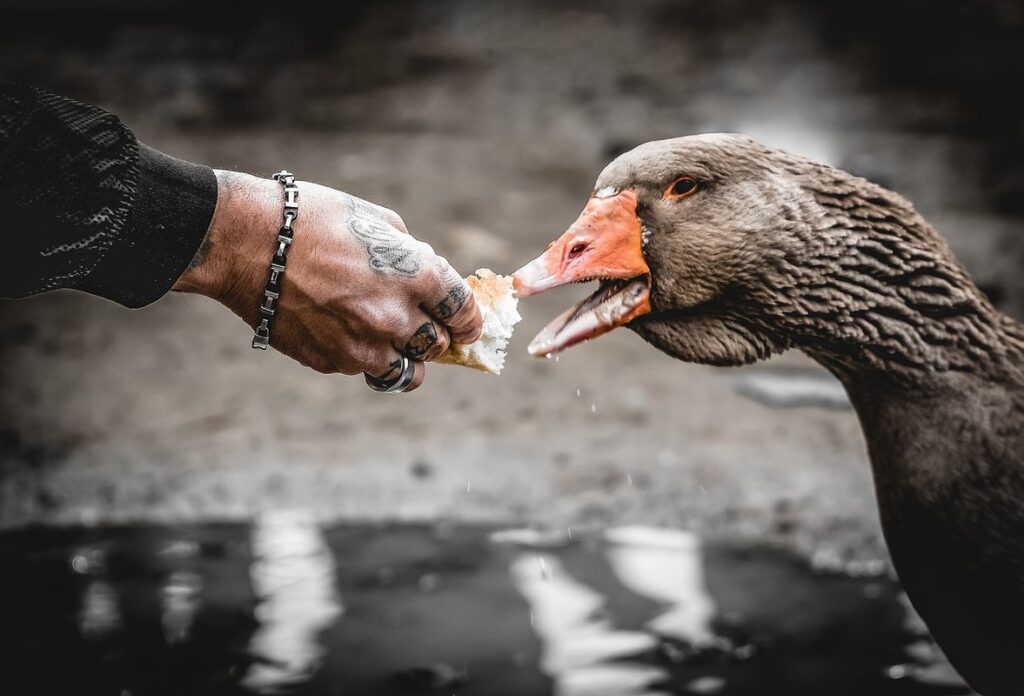
The Dangers of Feeding Bread to Wild Waterfowl
Feeding bread to wild waterfowl may seem harmless, but it can actually have severe consequences on their health and the ecosystem. Let’s explore some of the most significant dangers of this common habit.
Why Bread is a Poor Food Source for Ducks
When we feed bread to ducks, we’re not providing them with the nutrients they need to thrive. Bread is essentially empty calories, lacking essential vitamins and minerals that are crucial for duck health. For instance, bread has very little protein, which is vital for muscle growth and repair in ducks.
A deficiency in protein can lead to a range of problems, from weight loss to impaired immune function. Additionally, bread is also low in calcium, an essential mineral for strong bone development in ducks. Malnutrition caused by a diet consisting mainly of bread can lead to weak bones, making them more susceptible to fractures and breaks.
If you’re feeding bread to ducks, it’s likely doing more harm than good. Instead, try supplementing their natural food sources with healthy alternatives like leafy greens or seeds. These provide essential nutrients that promote overall health and well-being in ducks. When out on a walk near a pond, consider bringing some sunflower seeds or pumpkin seeds as a healthier option for the ducks to enjoy.
Impact on Duck Health: Obesity, Digestive Issues, and More
Feeding bread to ducks may seem harmless, but it can have severe consequences on their physical health. One of the most significant issues is obesity. Ducks are not designed to consume large amounts of carbohydrates like bread, which can lead to weight gain and related problems such as joint pain and decreased mobility. In fact, a study by the National Wildlife Federation found that many waterfowl fed bread become obese, which can shorten their lifespan.
In addition to obesity, feeding bread to ducks also increases their risk of digestive problems. The high carbohydrate content in bread can cause an imbalance in their gut bacteria, leading to diarrhea, constipation, and other gastrointestinal issues. According to the Humane Society, many waterfowl that eat bread regularly suffer from malnutrition and related health problems.
Furthermore, feeding bread to ducks also makes them more susceptible to diseases. When they consume human food, they can develop a dependency on it, which can lead to a weakened immune system and increased risk of contracting illnesses.
The Effects of Overfeeding on Local Ecosystems
When you feed bread to ducks, it can have far-reaching consequences for local ecosystems, from water pollution to habitat disruption. Let’s examine the impact in more detail.
How Excess Bread Affects Water Quality
When you feed bread to ducks, it’s easy to forget that this seemingly harmless act can have far-reaching consequences for local waterways. One of the most significant concerns is the impact on aquatic ecosystems due to excess nutrients from bread consumption.
Bread is high in carbohydrates and low in nutritional value, making it an ideal food source for microorganisms like algae. When ducks consume bread, they excrete excess nutrients into the water, which can lead to an overgrowth of algae. This phenomenon is known as eutrophication, where excessive nutrient input causes a surge in plant growth, depleting oxygen levels and harming aquatic life.
The effects of eutrophication are particularly pronounced in small ponds and lakes, where water exchange rates are low. Excess nutrients can accumulate rapidly, causing toxic algal blooms that harm fish and other aquatic organisms. For example, in the UK’s famous Lake Windermere, a severe algal bloom in 2009 led to a decline in fish populations and affected local wildlife.
To mitigate these effects, it’s essential to adopt responsible feeding practices when interacting with ducks. This includes choosing duck-friendly foods like oats or barley instead of bread.
The Role of Feeding Bread in Disrupting Natural Food Chains
When we feed bread to ducks, we may think we’re doing them a favor, but in reality, we’re disrupting the natural balance of their food chain. This can have far-reaching consequences for other wildlife in the area. For example, if ducks become too reliant on humans for food, they’ll start to ignore their natural foraging habits and instead wait for us to hand out snacks.
As a result, their usual diet of aquatic plants, insects, and small crustaceans gives way to a bland and high-carb diet that’s detrimental to their health. This can lead to malnutrition, as well as an increased risk of obesity, heart disease, and other problems. But it’s not just the ducks that suffer – by altering their food chain, we also affect the populations of animals that rely on them for food.
For instance, birds of prey like herons and egrets may see a decline in their duck population, leading to reduced hunting opportunities and altered migration patterns. Even the local water quality can be impacted, as excess nutrients from bread can lead to algal blooms and deplete oxygen levels in the water.
Alternatives to Feeding Bread: Healthy Snacks for Ducks
If you’re looking for ways to please your feathered friends without spoiling them, consider these healthier snack options that are perfect for ducks.
These alternatives provide essential nutrients and won’t contribute to the problems associated with feeding bread.
Choosing the Right Foods to Feed Wild Ducks
When choosing healthy snacks for wild ducks, it’s essential to consider their dietary needs and preferences. Wild ducks are natural grazers and require a balanced diet that includes proteins, complex carbohydrates, and essential nutrients like calcium and vitamins.
Some excellent options include aquatic plants like duckweed, water lilies, and cattails. These plants provide the necessary fiber and nutrients for healthy digestion and can be found in most ponds and lakes. You can also offer duck-friendly fruits like berries, apples, and grapes, but remember to remove seeds and pits to prevent choking hazards.
Additionally, grains like oats, barley, and quinoa are excellent alternatives to bread. These whole grains provide sustained energy and essential nutrients, making them perfect for wild ducks. When selecting alternative foods, make sure they’re fresh, free from pesticides, and not moldy or spoiled. Remember, a varied diet is key to maintaining the health and well-being of your feathered friends.
Creating a Balanced Diet for Domesticated Ducks
When it comes to domesticated ducks, providing them with a balanced diet is crucial for their overall health and well-being. A well-rounded diet should include a mix of protein, carbohydrates, and fiber-rich foods to ensure they get all the necessary nutrients.
A good starting point is to provide your duck with a high-quality commercial duck feed as its main staple. This will ensure it meets all their nutritional needs. However, supplementing this feed with fresh fruits, vegetables, and whole grains can add variety to their diet and encourage natural foraging behavior.
Some excellent options include leafy greens like kale or spinach, carrots, apples, and oats. Avoid giving them foods high in sugar or fat, such as bread or chips, as these can lead to obesity and other health problems. A general rule of thumb is to introduce new foods gradually to prevent digestive upset.
It’s also essential to provide your duck with access to clean water at all times and a calcium-rich source, like crushed eggshells or oyster shells, to support strong bone growth. By following these guidelines, you can create a healthy and balanced diet for your domesticated ducks that will keep them happy and thriving.
Understanding Duck Behavior: Why They Flock to Bread
If you’re wondering why ducks seem so drawn to bread, it’s actually a complex behavior tied to their natural instincts and habits. Let’s dive into what drives them to flock to this human favorite.
The Attraction of Bread to Wild Waterfowl
Wild waterfowl have an uncanny affinity for bread, and it’s not just because they’re famished after a long flight. The reasons behind their attraction to bread are rooted in habituation and associative learning.
Habituation occurs when ducks repeatedly encounter humans offering bread as food, associating the act of feeding with the presence of people. Over time, they become accustomed to this stimulus, leading them to flock towards areas where they’re likely to receive bread. It’s a classic example of operant conditioning – the ducks learn that their presence near humans increases the chances of getting fed.
This habituation also has a profound impact on the ducks’ natural foraging behavior. By relying on humans for food, they begin to neglect their instinctual urge to search for and eat aquatic plants, seeds, and insects – their natural diet. This disruption in their feeding patterns can have long-term consequences for their health and well-being.
It’s essential to recognize that bread is not a suitable substitute for the ducks’ nutritional needs. In fact, it can be detrimental to their health if consumed excessively.
Managing Human-Duck Interactions in Parks and Other Public Spaces
When interacting with ducks in parks and other public spaces, it’s essential to establish clear boundaries to maintain a safe and respectful environment for both humans and ducks. One key aspect of managing human-duck interactions is educating visitors about the risks associated with feeding bread to ducks.
By avoiding direct contact and keeping a safe distance, you can prevent aggressive behavior from developing in ducks. It’s also crucial to supervise children when they’re interacting with ducks, teaching them how to appreciate these waterfowl without encouraging unwanted behaviors.
If you encounter an aggressive duck, remain calm and slowly back away while maintaining eye contact. If the situation escalates, alert park staff or local authorities for assistance. By adopting responsible behavior around public waterways, we can promote a positive coexistence between humans and ducks, reducing the likelihood of conflicts arising from bread feeding habits.
Local Regulations and Best Practices for Feeding Ducks
Before you head out to feed those quacking friends, it’s essential to know what local rules say about duck feeding. Check your area’s regulations to ensure a safe and enjoyable experience for both you and the ducks.
Laws and Regulations Governing Duck Feeding
When feeding ducks, it’s essential to be aware of local laws and regulations governing duck feeding. In some areas, feeding bread to ducks is strictly prohibited, while in others, there may be restrictions on the types of food that can be given. For instance, in many national parks and wildlife refuges in the US, feeding bread to ducks is prohibited due to its negative impact on their health.
In the UK, some local authorities have banned feeding bread to ducks altogether, citing concerns about water pollution and the spread of disease. In Australia, feeding bread to ducks can lead to hefty fines, as it’s considered a form of littering and contributes to the degradation of waterways.
Before you head out to feed the ducks, check with your local authorities or park rangers to see if there are any restrictions in place. You can also visit their websites or social media pages for up-to-date information on duck-feeding regulations in your area. By being mindful of these laws and regulations, you can help protect the health and well-being of these beautiful birds while still enjoying quality time with them.
Guidelines for Responsible Duck Feeding: Do’s and Don’ts
When interacting with ducks in public spaces, feeding them responsibly is essential for maintaining their health and well-being. Here are some guidelines to follow:
Before approaching the pond, familiarize yourself with local regulations regarding duck feeding. Some parks may prohibit bread entirely, while others might have designated areas where it’s allowed. Always check with park rangers or posted signs before proceeding.
In general, it’s recommended to avoid feeding ducks bread altogether due to its low nutritional value and potential harm when consumed in large quantities. Instead, opt for duck-friendly alternatives such as leafy greens like lettuce, spinach, or kale, fruits like berries or sliced apples, and even oats or other whole grain cereals.
When choosing what to feed the ducks, consider their dietary needs: they require a balanced mix of protein, fiber, and vitamins. Bread lacks these essential nutrients and can lead to malnutrition and digestive issues in the long run.
If you’re not sure what type of food is best for the ducks or if bread is permitted in your area, it’s always better to err on the side of caution and choose an alternative option or consult with a wildlife expert. By doing so, you’ll be contributing to the health and well-being of these beautiful creatures.
The Role of Education in Reducing Bread Feeding to Ducks
Education plays a crucial role in teaching people not to feed bread to ducks, which is essential for their health and well-being. By learning about this issue, we can all become responsible duck caretakers.
Promoting Awareness through Educational Campaigns
Educating the public about the risks associated with feeding bread to ducks is crucial in promoting their well-being. By raising awareness, we can reduce the negative impact of this common practice on duck populations and ecosystems. This can be achieved through various channels, including social media campaigns, educational programs for schools, and community outreach initiatives.
One effective way to promote awareness is by leveraging social media platforms, which have a vast reach and influence. For instance, organizations like the RSPCA (Royal Society for the Prevention of Cruelty to Animals) use social media to share engaging content and raise awareness about the dangers of feeding bread to ducks. Similarly, schools can incorporate educational programs that teach children about the importance of not feeding bread to ducks and the impact it has on their health.
Collaborating with local authorities and community groups is also essential in promoting awareness. This can be done through joint initiatives such as park clean-up events or workshops where people can learn about sustainable ways to feed wildlife, other than bread. By working together, we can create a ripple effect that encourages individuals to make informed choices about their interactions with ducks and other wildlife.
Collaborating with Local Authorities to Implement Change
Collaborating with local authorities is crucial when working to reduce bread feeding to ducks. By partnering with them, you can leverage their resources and expertise to create lasting change. A great example of this is the “Wildfowl and Wetlands Trust” initiative in the UK, which saw a significant reduction in bread feeding at popular duck hotspots.
To start your own partnership, begin by reaching out to local parks rangers or wildlife managers. They can provide valuable insights into the best ways to educate visitors about responsible duck feeding practices. Together, you can develop and implement effective communication strategies, such as signage and brochures, to spread awareness.
Additionally, consider hosting community events or workshops to engage locals in the conversation. This not only helps raise awareness but also encourages people to take ownership of the issue. By working collaboratively with local authorities, you’ll be better equipped to address bread feeding head-on and create a more sustainable environment for both humans and ducks alike.
Local businesses can also play a vital role in your efforts. Consider approaching pet stores or outdoor gear shops about hosting educational displays or offering resources on responsible duck feeding practices.
Frequently Asked Questions: Debunking Common Misconceptions
You’ve probably heard that feeding bread to ducks is bad for them, but what exactly does that mean? Let’s address some common misconceptions about duck-friendly snacks.
Addressing Concerns about Starving Ducks without Bread
Feeding bread to ducks has been a long-standing practice that many people enjoy, but it’s also sparked debates about its impact on these waterfowl. One of the most common concerns is that ducks will starve if they’re not fed bread. This notion seems logical, as birds are naturally attracted to food sources. However, it’s essential to understand that ducks have a unique digestive system designed for their specific diet.
In reality, ducks obtain most of their nutrition from aquatic plants and insects in the wild. They’re omnivores, which means they eat both plant and animal matter. While bread might seem like an easy option, it’s not a suitable replacement for their natural food sources. In fact, feeding bread to ducks can lead to malnutrition and other health issues.
For instance, bread lacks essential nutrients that ducks require to thrive. A study published in the Journal of Wildlife Management found that wild waterfowl fed on bread had lower body mass indexes (BMIs) compared to those with access to natural food sources. The researchers attributed this disparity to the nutritional imbalance caused by relying on bread as a primary food source.
When bread is provided, ducks may overconsume it, which can lead to obesity and other health problems. Furthermore, feeding bread to ducks can also disrupt their natural behavior and ecosystem balance. By supplementing their diet with bread, we inadvertently create dependencies that can have far-reaching consequences for the entire ecosystem.
So, what’s a better way to engage with ducks? Instead of offering bread, you can try providing them with more nutritious options like lettuce, spinach, or even duck pellets specifically formulated for waterfowl. These alternatives will help promote healthy feeding habits and minimize harm to these amazing creatures.
Frequently Asked Questions
Can I still feed ducks if I choose healthy alternatives like aquatic plants and insects?
Yes, it’s great that you’re willing to make a change for the better! Feeding ducks nutrient-rich foods is an excellent way to interact with them. Just remember to choose locally sourced, organic options whenever possible, and avoid overfeeding, which can still harm the environment.
How do I know if the ducks in my area are already experiencing health problems due to bread feeding?
Keep an eye out for signs of malnutrition or obesity, such as thinning feathers or difficulty swimming. You can also talk to local park rangers or wildlife experts who may have observed these issues firsthand. By being aware of the potential problems, you can help spread awareness and promote healthier habits.
What if I’m concerned that not feeding bread will starve the ducks?
No, it won’t! In fact, removing bread from their diet allows them to thrive on their natural food sources, which are rich in nutrients. You’re actually helping them by stopping the practice of overfeeding with empty calories. This way, you can enjoy watching them forage for food and engage in their natural behaviors.
Can I feed ducks in my backyard if I have a small pond or water feature?
While it’s tempting to feed them at home, it’s essential to understand that domesticated ducks require a balanced diet specifically formulated for their nutritional needs. Feeding wild ducks from your backyard can still disrupt the local ecosystem and attract other wildlife that might not be welcome. Consider creating a duck-friendly habitat with native plants and a safe source of water instead.
How do I report bread feeding in public spaces if I witness it happening?
Report the incident to local park rangers or contact your city’s animal control department. They can help educate the individual about the harm caused by bread feeding and provide guidance on responsible duck interaction. By speaking up, you’re contributing to a safer environment for both humans and wildlife.