
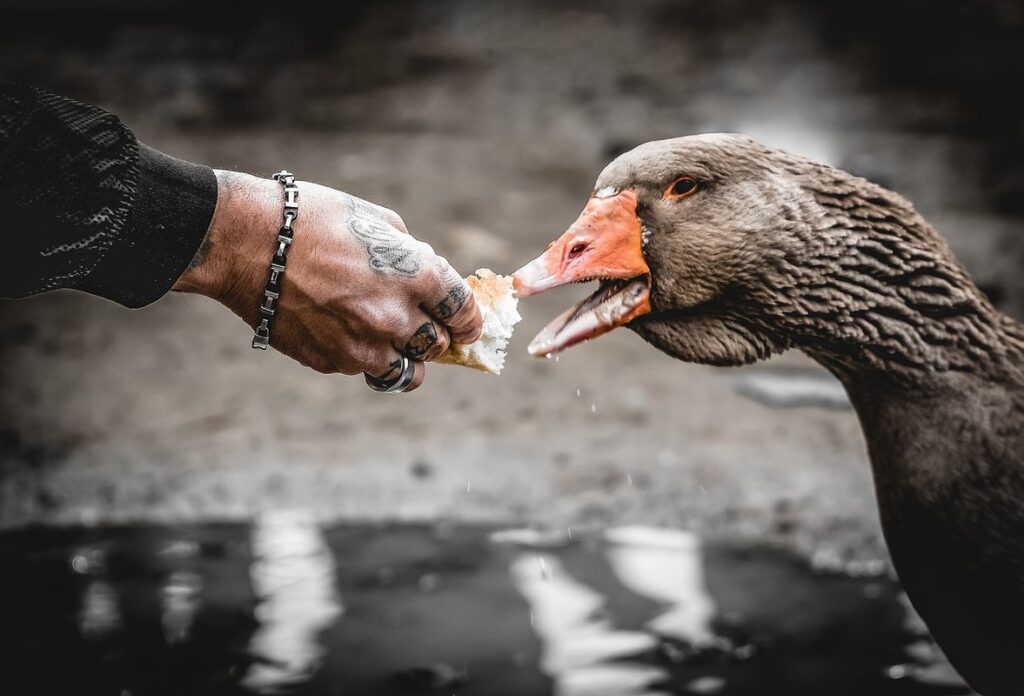
When we visit our local parks or lakes, it’s common to see people feeding bread to ducks. But have you ever stopped to think if bread is actually good for these feathered friends? Unfortunately, the answer is no – bread can be detrimental to a duck’s health. It lacks essential nutrients and can even cause digestive problems, leading to malnutrition and other issues. As a responsible duck owner or caregiver, it’s crucial to understand what foods are safe and beneficial for our quacking companions. In this article, we’ll explore the risks of feeding bread to ducks, the importance of proper nutrition, and provide you with healthy alternatives to ensure your ducks receive the nutrients they need to thrive.
Understanding Duck Nutrition
When it comes to giving ducks a treat, understanding what they truly need is key. In this section, we’ll break down the essential components of duck nutrition so you can make informed feeding decisions.
The Importance of a Balanced Diet
When it comes to keeping your feathered friends happy and healthy, their diet is top priority. A balanced diet for ducks should include a mix of proteins, carbohydrates, and essential vitamins and minerals. Think of it like a recipe: you need the right ingredients in the right proportions to make a delicious meal that meets all your nutritional needs.
In the wild, ducks eat aquatic plants, insects, small fish, and other tiny crustaceans. They also peck at grains and seeds they find on land. So what’s missing from bread that makes it an unsuitable substitute? Proteins like those found in insects and fish are essential for building strong muscles and organs. Carbohydrates provide energy, but ducks need a balanced mix of complex carbs from plants to keep their digestive system happy.
When feeding your ducks, aim for 50% protein-rich foods (like mealworms or commercial duck feed), 20-30% grains (including oats, barley, and wheat), and 10-20% vegetables (such as leafy greens like kale or spinach). You can supplement with fruits, but limit the amount to avoid overloading on sugar. This balanced approach will keep your ducks happy, healthy, and thriving!
Identifying Common Nutritional Deficiencies in Ducks
When it comes to feeding ducks, many of us are unaware that bread can actually do more harm than good. One reason is that it can mask common nutritional deficiencies in these waterfowl. Let’s take a closer look at some of the most prevalent deficiencies found in ducks.
Protein deficiency is one of the most significant issues. Ducks require a diet rich in protein to maintain their feathers, muscle mass, and overall health. However, bread lacks essential amino acids that are vital for duck nutrition. As a result, feeding bread to ducks can lead to protein malnutrition, causing weight loss, weakened immune systems, and poor feather condition.
Vitamin A insufficiency is another common problem in ducks. This vitamin is crucial for maintaining healthy skin, eyes, and mucous membranes. Bread does not provide adequate amounts of vitamin A, making it a contributing factor to related health issues such as impaired vision, susceptibility to disease, and reproductive problems.
Feeding bread to ducks can exacerbate these deficiencies, leading to serious health complications. To ensure your feathered friends receive the nutrients they need, consider offering them a balanced diet that includes duck pellets or grains like oats and barley. You can also supplement their diet with fruits and vegetables rich in protein and essential vitamins.
Why Bread is Not Suitable for Ducks
Feeding bread to ducks may seem harmless, but it can actually be detrimental to their health. Let’s dive into why bread isn’t a suitable food choice for our feathered friends.
The High Carbohydrate Content of Bread
When you look at the ingredients list of most bread types, it’s no surprise that they are high in carbohydrates. A standard loaf can contain up to 40-50 grams of carbs per serving. While this might not be a concern for humans who need carbohydrates as energy sources, ducks have different nutritional requirements.
Ducks require a balanced diet rich in protein and fiber to maintain their health. Bread is low in these essential nutrients, making it an unhealthy choice for them. A diet rich in carbs can lead to obesity, insulin resistance, and other health issues in ducks. In fact, studies have shown that feeding bread to ducks can increase the risk of liver disease and certain types of cancer.
To keep your feathered friends healthy, stick to a balanced duck feed or provide them with nutrient-rich foods like fruits and vegetables. If you’re looking for an alternative to commercial duck food, consider preparing a homemade mix using oats, barley, and other grains. However, always ensure that these ingredients are fresh and free from mold to avoid any health issues.
Lacking Essential Nutrients
Bread is often perceived as a quick and easy snack for ducks, but it falls short when it comes to providing essential nutrients. Unlike vegetables, fruits, and grains that are rich in vitamins, minerals, and fiber, bread lacks these vital components.
One of the primary concerns with feeding bread to ducks is its low protein content. Protein is crucial for maintaining healthy feathers, beaks, and muscles in waterfowl. Compared to whole grains like oats or barley, which contain about 10-12% protein, white bread typically contains only 2-3% protein. This nutritional imbalance can lead to malnutrition and other health problems in ducks.
Additionally, bread is often stripped of fiber and essential vitamins during processing, making it an incomplete food source for waterfowl. In the wild, ducks would naturally forage for a diverse range of plants, insects, and small aquatic animals that provide them with the necessary nutrients for optimal health. By offering bread as a substitute, we’re depriving our feathered friends of the balanced diet they need to thrive.
The Risks of Feeding Bread to Ducks
Feeding bread to ducks may seem harmless, but it can actually pose several risks to their health and wellbeing. Let’s take a closer look at these potential dangers.
Choking and Intestinal Blockages
Feeding bread to ducks can lead to serious health issues, including choking and intestinal blockages. When whole bread loaves are thrown into a pond, they can become lodged in the duck’s esophagus or stomach, causing respiratory distress and even death. This is especially true for young or inexperienced ducks who may not be able to break down large pieces of food.
To make matters worse, if the bread is not broken down into smaller pieces before feeding, it can accumulate in the duck’s intestines and cause a blockage. Imagine trying to swallow a handful of spaghetti – it’s difficult, right? Now imagine what happens when a duck tries to eat a big chunk of bread that doesn’t break down easily.
A well-meaning person might think they’re helping by feeding ducks, but in reality, they could be putting their lives at risk. To avoid this problem altogether, it’s best to feed ducks high-quality duck pellets or other nutrient-rich foods that are specifically formulated for their dietary needs.
Attracting Pests and Predators
When you feed bread to ducks, you’re not only contributing to their over-reliance on humans for food, but also creating a haven for pests and predators that can harm your duck flock. Rodents, raccoons, and other wildlife are naturally drawn to the smell and taste of bread, which can lead them to congregate near your pond or water feature.
These unwanted visitors may seem harmless at first, but they can cause significant damage to your property and put your ducks in danger. For example, rats and mice can contaminate food and water sources with their droppings, while raccoons can steal eggs from nesting boxes and even attack adult ducks if they feel threatened.
To avoid attracting these pests, it’s essential to refrain from feeding bread to ducks altogether. If you’re concerned about your duck flock’s diet, consider providing them with a balanced feed specifically formulated for waterfowl. This will not only keep your ducks healthy but also discourage unwanted visitors that are attracted to bread. By making this simple switch, you’ll be protecting both your ducks and your property from potential harm.
Healthy Alternatives to Bread
If you’re looking for ways to feed your feathered friends without relying on bread, here are some healthy alternatives that ducks will love. Let’s explore some tasty options!
Offering a Diverse Range of Foods
When it comes to feeding ducks, offering a diverse range of foods is essential for their overall health and well-being. While bread might be a convenient option, it’s far from the best choice for these feathered friends. A varied diet that includes vegetables, fruits, grains, and proteins provides ducks with the necessary nutrients they need to thrive.
Start by introducing leafy greens like kale, spinach, and collard greens, which are rich in vitamins and minerals. Carrots and sweet potatoes make great additions, offering a boost of vitamin A and fiber. Fruits such as berries, apples, and bananas provide essential vitamins and antioxidants. You can also offer whole grains like oats, barley, or quinoa for a satisfying crunch.
Don’t forget to include protein sources like cooked chicken, turkey, or even hard-boiled eggs. A mix of these foods will keep your feathered visitors happy and healthy. For example, you could create a “duck buffet” with a variety of foods arranged in different stations. This way, ducks can pick and choose what they like, mimicking their natural foraging behavior. Remember to always prioritize fresh, clean water and avoid overcrowding the feeding area to prevent stress and disease transmission.
Safe Options for Duck Treats
When it comes to providing treats for ducks, it’s essential to choose options that are not only safe but also nutritious. Bread, as we discussed earlier, is a poor choice due to its lack of nutritional value and potential harm when fed excessively. So, what can you give to your feathered friends instead?
Some excellent alternatives include leafy greens like kale, spinach, and collard greens. These superfoods are rich in vitamins A, C, and K, as well as minerals like calcium and iron. Simply chop them up into bite-sized pieces and serve them fresh or frozen. You can also try offering fruits such as berries, melons, and apples, which provide essential vitamins and antioxidants.
Other healthy options include carrots, sweet potatoes, and squash. These starchy vegetables are rich in fiber and vitamins A and C. When preparing treats for your ducks, be sure to chop them into manageable pieces to prevent choking hazards. Also, remember to introduce new foods gradually to ensure your ducks can tolerate them. By choosing nutrient-rich treats, you’ll be promoting a healthy and happy flock!
Case Studies: Ducks on Bread Diets
Let’s dive into real-life examples of ducks thriving – and struggling – on bread diets, highlighting what we can learn from their experiences.
The Consequences of Long-Term Bread Feeding
Feeding ducks bread over an extended period can lead to severe health consequences. Case studies have shown that long-term consumption of a bread-based diet can result in malnutrition, obesity, and even organ failure in ducks.
In one notable case study, a group of ducks was fed a bread-only diet for several months. The results showed that the ducks developed liver damage, kidney disease, and anemia due to the lack of essential nutrients in their diet. This highlights the importance of providing ducks with a balanced and nutritious food source.
Another concern is the risk of duck populations becoming reliant on humans for food, leading to aggressive behavior towards people. In areas where bread is regularly fed to ducks, they can lose their natural fear of humans and become dependent on handouts, causing problems for both humans and animals.
To avoid these consequences, it’s essential to introduce alternative foods, such as leafy greens, fruits, and commercial duck pellets, into a duck’s diet. This will ensure that ducks receive the nutrients they need while also promoting healthy habits in local waterfowl populations.
Reversing the Effects of Bread-Based Diets
Transitioning your ducks from a bread-based diet to a healthier option requires patience and a gradual approach. It’s essential to understand that ducks have specific nutritional needs, and a diet rich in bread can lead to malnutrition and health issues.
To start, assess the current diet of your ducks and identify areas for improvement. For instance, if they’re consuming large quantities of bread daily, it’s likely that their nutrient intake is imbalanced. Begin by introducing small amounts of fruits and vegetables into their diet, such as leafy greens like kale or spinach, to provide essential vitamins and minerals.
Gradually increase the proportion of healthy foods in their diet over a period of weeks or months. You can also offer whole grains like oats or barley to supplement their bread intake. Consider consulting with a veterinarian for specific guidance on creating a balanced diet tailored to your ducks’ needs.
Monitor their health and adjust their diet accordingly. Ensure access to clean water at all times, as dehydration is a common issue in ducks fed high-carbohydrate diets.
How to Transition Your Flock to a Healthy Diet
If you’ve decided to make the switch, we’ll walk you through how to transition your flock to a healthy diet that’s free from bread and filled with nutritious foods they love. This process is easier than you think!
Assessing the Current Dietary Needs
Before making any changes to your duck flock’s diet, it’s essential to assess their current nutritional needs. Start by observing your ducks’ behavior and overall health. Are they energetic, producing well, and maintaining a healthy weight? Or do you notice signs of malnutrition, such as pale combs, lethargy, or excessive pecking?
To get a better understanding of your flock’s dietary requirements, consider their life stage, breed, and climate. Growing ducks, for example, need more protein than laying hens. Similarly, birds living in cold climates may require more energy to stay warm.
Take stock of what you’re currently feeding them. Is it a commercial duck feed or a homemade mixture? Be aware that bread is not only nutritionally lacking but also can cause digestive issues and lead to addiction. Evaluate the nutrient profile of your current diet and compare it to the ducks’ nutritional needs, which include protein (15-20%), fat (2-4%), and fiber (10-15%).
Consult with a veterinarian or poultry expert to determine the best course of action for your flock’s dietary needs. This may involve creating a customized feeding plan that incorporates high-quality commercial feed, grains, and supplements tailored to their specific requirements.
Creating a Customized Feeding Plan
Creating a customized feeding plan is essential to ensure that your duck flock receives a balanced diet. To start, assess the nutritional needs of your ducks based on their age, breed, and activity level. Consider factors such as protein, calcium, and vitamin D requirements.
Calculate the total daily energy needs of your flock by estimating their individual weights and multiplying by the number of hours spent foraging or exercising. For example, if you have a group of 10 ducks, each weighing approximately 5 pounds, with an activity level of moderate to high, they would require around 1-2% of their body weight in energy per day.
Next, identify your flock’s dietary preferences and restrictions by observing which foods they prefer to eat. Consider using a combination of commercial duck feed, fruits, vegetables, and grains, while avoiding bread as it lacks nutritional value and can cause digestive issues. You can also consult with a veterinarian or poultry expert to determine the best feeding schedule and plan for your flock’s specific needs.
Frequently Asked Questions (FAQs)
We’ve had many readers ask similar questions about bread and ducks, so we’re addressing some of the most common concerns here. Below, you’ll find answers to your frequently asked questions.
What are the Short-Term Effects of Bread Consumption?
Consuming bread can have several short-term effects on ducks. In the immediate aftermath of eating bread, ducks may experience gastrointestinal issues such as bloating and discomfort due to the high carbohydrate content. This is because ducks are not adapted to digest human food like bread efficiently, which can lead to an imbalance in their gut bacteria.
Feeding bread to ducks regularly can also cause a sudden spike in blood sugar levels. While this might provide temporary energy for the duck, it can have negative consequences if continued over time. It’s essential to monitor your feathered friends’ behavior and health closely after offering them bread.
If you still want to provide treats for the ducks, consider healthier alternatives like fruits or vegetables that are rich in fiber and nutrients but low in carbohydrates. For example, offering sliced apples or chopped kale can help meet their nutritional needs while minimizing potential harm.
How Can I Provide the Best Nutrition for My Ducks?
When it comes to providing the best nutrition for your ducks, it’s essential to remember that bread is not an ideal food source. While it might be tempting to feed them a constant supply of bread, this can lead to digestive issues and nutrient deficiencies.
Instead, focus on offering a balanced diet rich in protein, calcium, and vitamins. A good starting point is to provide a mix of grains such as oats, barley, and wheat, alongside fruits and vegetables like apples, carrots, and leafy greens. Consider adding mealworms or crickets for an extra protein boost.
For a more comprehensive approach, you can also create a homemade feed blend using the following ingredients: 50% oats, 20% barley, 15% wheat, 5% alfalfa meal, and 10% mixed vegetables (such as chopped carrots, apples, and spinach). Be sure to supplement with grit or oyster shells to ensure adequate calcium intake.
Remember, a varied diet is key to keeping your ducks healthy and happy. Avoid relying on bread as the primary food source, and explore other options to provide optimal nutrition for your feathered friends.
Frequently Asked Questions
Can I still feed bread to my ducks if it’s just an occasional treat?
No, even occasional treats of bread can be detrimental to a duck’s health. It’s essential to prioritize their nutritional needs and stick to balanced diets that include essential nutrients and vitamins.
How do I transition my flock from a bread-based diet to a healthy one?
Transitioning your flock gradually is crucial to prevent digestive problems. Start by introducing small amounts of new foods, such as leafy greens or fruits, alongside their regular diet. Gradually increase the proportion of these new foods over time while phasing out bread and other high-carbohydrate treats.
What are some signs that my ducks are experiencing nutritional deficiencies due to a bread-based diet?
Common signs include lethargy, weight loss, feather plucking, and poor egg production. Regularly monitor your flock’s health and behavior to catch any potential issues early on. Consult with a veterinarian or experienced duck breeder for guidance.
Can I still use bread as a quick way to attract ducks to an area, but then feed them healthier options?
Yes, you can continue using bread as a temporary attractant, but be aware that feeding bread regularly can lead to dependency and unhealthy eating habits. Instead, consider providing a balanced mix of healthy foods that meet their nutritional needs.
How often should I monitor my duck’s diet and adjust it accordingly?
Regularly assess your flock’s dietary needs every 1-2 months, taking into account factors like age, breed, and environmental conditions. Consult with experts or conduct research to ensure you’re providing the best possible nutrition for your ducks.