
Feeding bread to ducks might seem like a harmless activity, but it can have some serious consequences for these beloved waterfowl. As we often gather at parks and lakes to enjoy watching them swim and play, it’s easy to get carried away with offering treats. However, the truth is that feeding bread to ducks can harm their health, alter their behavior, and even disrupt the delicate balance of local ecosystems.
In this article, we’ll explore the hidden dangers of feeding bread to ducks and why responsible feeding practices are crucial in preserving natural habitats. We’ll delve into the reasons why bread is not a suitable food source for these birds and discuss some healthier alternatives that can be just as fun for both you and your feathered friends. By learning more about this important topic, you can help protect our waterfowl populations and maintain the beauty of nature.
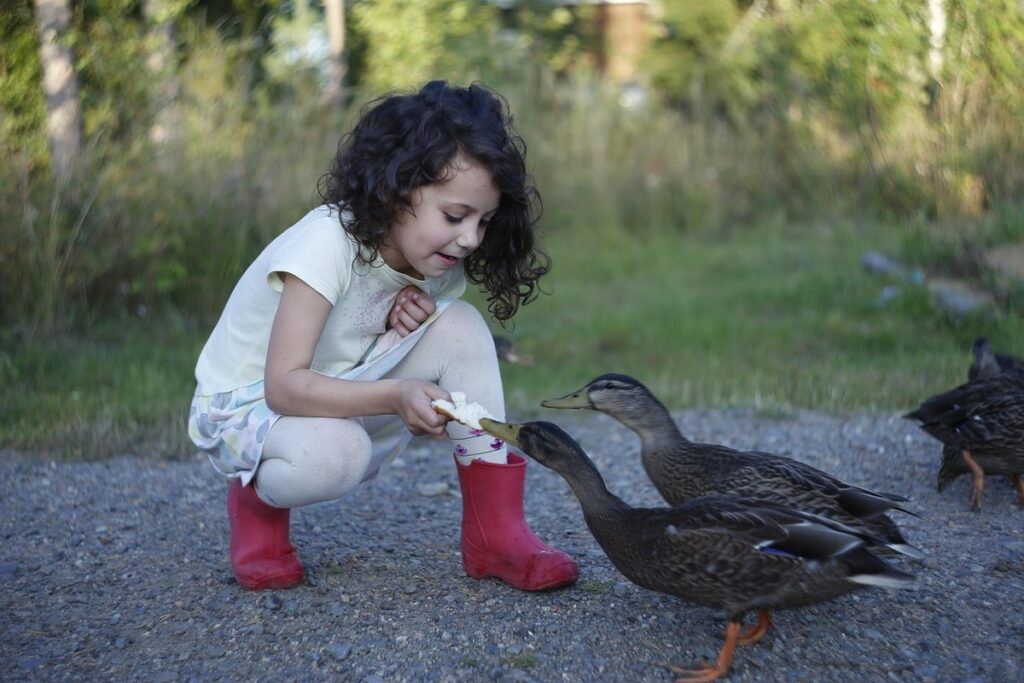
The Risks of Feeding Bread to Ducks
Feeding bread to ducks may seem harmless, but it can actually have serious consequences for their health and well-being. Let’s take a closer look at these risks together.
Short-Term Effects: Overfeeding and Weight Gain
Feeding bread to ducks may seem harmless, but it can lead to serious health issues. One of the most significant concerns is overfeeding and subsequent weight gain. When ducks eat too much bread, they consume a large amount of calories without getting the nutrients their bodies need.
As a result, ducks can become obese, which increases their risk for various health problems, including respiratory issues, joint pain, and reduced immune function. This can also lead to decreased mobility and reduced egg production in female ducks.
In the wild, ducks naturally regulate their food intake by eating what they need when they’re hungry. However, when bread is freely available, this natural balance is disrupted. It’s estimated that feeding bread to ducks can increase their body weight by up to 25% within a short period.
To put this into perspective, imagine if you ate an extra meal or snack every day – you’d likely gain weight quickly. The same principle applies to ducks when they’re overfed with bread. By limiting or avoiding bread altogether, we can help keep our feathered friends healthy and thriving.
Long-Term Consequences: Malnutrition and Starvation
Feeding bread to ducks may seem harmless, but the long-term consequences can be severe. Malnutrition is a significant concern when ducks are fed bread as their primary food source. Bread lacks essential nutrients like protein, vitamins, and minerals that ducks need to thrive. A diet rich in carbohydrates but deficient in other nutrients can lead to malnutrition.
Starvation is another potential outcome of feeding bread to ducks. When ducks rely on bread for sustenance, they’re more likely to suffer from hunger and malnutrition. This can be particularly true during the winter months or when natural food sources are scarce.
Ducks that consistently eat bread may also experience weight loss, lethargy, and weakened immune systems. In extreme cases, malnutrition can lead to organ damage, reproductive issues, and even death.
To avoid these risks, consider alternative foods for your feathered friends. Fresh vegetables, fruits, and commercial duck feed provide the necessary nutrients for optimal health. If you’re unsure about what to feed your ducks, consult with local wildlife experts or a veterinarian for guidance on creating a balanced diet that keeps them healthy and thriving.
The Impact on Duck Health
When you feed bread to ducks, it can have some alarming effects on their health, including digestive issues and malnutrition. Let’s take a closer look at what happens when they eat this unsuitable food.
Gastrointestinal Issues: Intestinal Blockages and Obstructions
Feeding bread to ducks may seem harmless, but it can lead to serious gastrointestinal issues, including intestinal blockages and obstructions. When ducks eat bread, it doesn’t break down easily in their digestive system, making it difficult for them to pass through the intestines. This can cause a buildup of undigested bread, which can lead to painful blockages or even complete obstruction of the intestine.
Imagine a pipe getting clogged with hair; that’s essentially what happens when ducks eat too much bread. The blockage can cut off blood supply to vital organs and tissues, leading to severe pain, lethargy, and potentially life-threatening consequences. Some duck owners have reported seeing their pet ducks unable to move or pass stools after eating large amounts of bread.
To prevent this from happening, it’s crucial to limit or avoid feeding bread altogether. Instead, offer nutrient-rich foods like leafy greens, fruits, and commercial duck pellets that are specifically formulated for their nutritional needs. Remember, a balanced diet is key to maintaining your ducks’ overall health and well-being.
Nutritional Deficiencies: Lack of Essential Vitamins and Minerals
Feeding bread to ducks may seem harmless, but it can lead to nutritional deficiencies that compromise their health. Ducks require a balanced diet rich in essential vitamins and minerals to maintain their physical condition. However, bread lacks these vital nutrients, causing an imbalance in their diet.
A lack of vitamin A can cause vision problems, impaired immune function, and skin issues. Vitamin B deficiency can lead to weakness, fatigue, and neurological disorders. Iron deficiency, on the other hand, can result in anemia, making ducks more susceptible to diseases.
Furthermore, bread does not provide adequate amounts of calcium, which is crucial for maintaining strong bones and eggshell production. A diet lacking essential minerals like potassium, magnesium, and phosphorus can also lead to muscle weakness, heart problems, and kidney damage.
In addition to nutritional deficiencies, feeding bread to ducks can also cause an over-reliance on this starchy food source, leading to digestive issues and malnutrition. It’s recommended that duck owners provide their feathered friends with a balanced diet that includes nutrient-rich foods like pellets, vegetables, and fruits. This will help ensure they receive the essential vitamins and minerals necessary for optimal health.
The Role of Bread in Duck Behavior
Feeding bread to ducks may seem harmless, but have you ever wondered why these birds go wild for it? In reality, their love affair with bread can have serious consequences on their health.
Associating Humans with Food: Negative Consequences on Wild Duck Behavior
When humans feed bread to ducks, they inadvertently create a complex situation that can have far-reaching consequences on the birds’ behavior. One of the primary issues is that ducks start associating humans with food sources. This may seem harmless at first, but it can lead to problems such as:
* Aggressive behavior: Ducks become accustomed to being fed by humans and can become aggressive when they don’t receive food from people.
* Loss of natural foraging skills: By relying on handouts, ducks forget how to find their own food in the wild, making them dependent on human charity.
* Habituation to urban environments: When ducks associate humans with food, they often stay longer in urban areas, disrupting their natural migration patterns and potentially harming themselves or others.
As a result of this association, ducks may begin to expect food from humans at all times, leading to conflicts between people and animals. This can be seen in parks and lakes where bread-feeding is common, with ducks becoming bold and demanding. To avoid these issues, it’s essential to stop feeding bread to ducks altogether. By not providing them with human-sourced food, we allow them to maintain their natural foraging behaviors and respect the environment they inhabit.
Encouraging Aggressive Behavior: Human-Duck Conflict
When you feed bread to ducks, you may inadvertently encourage aggressive behavior as they compete for this easily accessible food source. This phenomenon is particularly evident during peak feeding hours at popular waterways and parks.
Ducks are social creatures that often live in flocks, but when they’re competing for bread, their natural hierarchy can quickly break down. Dominant birds will aggressively assert themselves to get to the easiest food sources, while weaker ducks may be forced to the periphery or even bullied out of the area altogether.
If you regularly feed bread to ducks at your local park, you might have noticed this aggressive behavior firsthand. You might see ducks chasing each other, hissing, and nipping at one another’s feathers in pursuit of a free meal. In extreme cases, these conflicts can lead to physical injury or even death for some birds.
To mitigate this issue, try switching to alternative duck food sources like lettuce, kale, or berries, which not only promote healthier eating habits but also reduce aggressive competition among ducks.
The Importance of Feeding Ducks Properly
When feeding ducks, it’s crucial to provide them with a balanced diet that meets their nutritional needs. We’ll explore what foods are safe and beneficial for our feathered friends in this section.
Nutritional Needs: Essential Vitamins and Minerals in Duck Feed
When it comes to duck nutrition, providing the right balance of essential vitamins and minerals is crucial. A diet lacking these vital components can lead to a range of health issues, from weakened immune systems to impaired growth and development.
Some key vitamins ducks require include vitamin A, which supports healthy skin and eye function, as well as vitamin D, which helps regulate calcium levels for strong bones. Vitamin E acts as an antioxidant, protecting cells from damage caused by free radicals. Other essential nutrients include iron, which carries oxygen in the blood, and copper, which plays a role in connective tissue health.
In commercial duck feed, these vitamins and minerals are often combined with other nutrients like protein, carbohydrates, and fiber to provide a well-rounded diet. However, bread lacks these vital components, making it an inadequate substitute for proper nutrition. If you’re concerned about providing your feathered friends with the right food, consider consulting with a local pet store or avian expert for recommendations on high-quality duck feed that meets their nutritional needs.
Alternative Food Sources: What to Offer Instead of Bread
If you’re looking for alternatives to bread, there are plenty of options that will keep your feathered friends happy and healthy. Consider offering fruits like berries, sliced apples, or grapes. However, be mindful of the seeds, pits, and stones that can cause choking hazards.
Leafy greens such as kale, spinach, and collard greens are excellent choices for ducks. You can also try giving them chopped carrots, sweet potatoes, or squash. Fresh vegetables like bell peppers and cucumbers make great additions to their diet as well.
Grains like oats, barley, and wheat can be offered in moderation. Just ensure they’re free from mold and pesticides. Corn on the cob is another option, but remove any remaining husks and silk to avoid digestive issues.
Some other alternatives include cooked pasta, rice, or quinoa. However, it’s essential to introduce new foods gradually to prevent overfeeding or digestive upset. Consult with local wildlife experts or a veterinarian for guidance on creating a balanced diet tailored to your ducks’ needs.
Feeding Ducks in Different Environments
When feeding ducks, it’s essential to consider the environment where they live. We’ll explore how to safely feed ducks in different settings, from parks and lakes to backyards and wildlife refuges.
Urban Parks and Ponds: Managing Duck Populations
Managing duck populations in urban parks and ponds can be a complex challenge. As bread feeding can attract large numbers of ducks to these areas, it’s essential to consider the impact on local ecosystems. Overcrowding can lead to reduced water quality, increased competition for resources, and increased aggression towards humans.
In many cities, urban parks and ponds have become makeshift duck sanctuaries due to bread feeding. However, this has also led to human-duck conflict. To minimize these issues, park managers often employ strategies such as installing bird-repellent balloons or netting around pond areas. Some parks also offer alternative food sources, like designated duck feeders filled with healthy grains and vegetables.
Visitors can play a crucial role in supporting these efforts by avoiding bread feeding altogether and encouraging others to do the same. By refraining from feeding ducks, we can help maintain a healthier balance between human and avian populations in urban parks and ponds.
Wildlife Reserves and Conservation Areas: Preserving Natural Habitats
When visiting wildlife reserves and conservation areas, you’re not only there to feed the ducks but also to support their preservation. These natural habitats are crucial for the survival of various species, including waterfowl like ducks. Feeding them bread might seem harmless, but it can have a significant impact on these ecosystems.
Bread has little to no nutritional value for ducks and can lead to malnutrition, obesity, and other health issues. Moreover, when ducks become dependent on human food, they stop searching for their natural food sources, which can disrupt the balance of the ecosystem. This, in turn, affects the overall biodiversity of the area.
When visiting wildlife reserves or conservation areas with duck populations, stick to feeding them bread-free alternatives like leafy greens, vegetables, and fruits. Not only will this provide the ducks with a balanced diet, but it’ll also reduce your carbon footprint. For instance, some parks and nature reserves now offer designated “ducks’ cafes” with nutritious food options for these birds.
If you’re planning to visit such areas, familiarize yourself with their feeding policies beforehand. By making informed choices about what to feed the ducks and where, we can all contribute to preserving natural habitats for future generations.
Best Practices for Feeding Ducks
When feeding ducks, it’s essential to adopt habits that prioritize their health and well-being. This section will guide you through simple yet effective best practices for caring for our feathered friends.
Local Regulations: Understanding Feeding Restrictions
When feeding ducks, it’s essential to understand and adhere to local regulations regarding duck feeding. Feeding restrictions can vary significantly from one area to another, even within the same city or town. Before you start feeding bread to ducks, make sure to check with your local authorities about any specific rules or guidelines in place.
In some areas, for instance, it’s forbidden to feed bread to ducks due to concerns over their health and well-being. In other places, there might be restrictions on the types of food that can be fed to ducks, or even a ban on feeding altogether. Familiarize yourself with your local regulations by visiting your city’s website or contacting the relevant authorities directly.
For example, in London, the Royal Parks Agency has explicitly banned bread as duck feed due to its health implications. Similarly, in New York City, the Department of Parks and Recreation advises against feeding ducks bread, recommending instead healthy alternatives like lettuce and vegetables. By understanding and respecting local regulations, you can help ensure a safe and enjoyable experience for both yourself and the ducks.
Responsible Feeding: Tips for Minimizing Negative Consequences
When feeding ducks, it’s essential to consider not only their dietary needs but also the potential consequences of overfeeding. Overreliance on bread can lead to malnutrition and health issues in ducks. To minimize negative consequences, focus on providing a balanced diet that meets their nutritional requirements.
Instead of relying solely on bread, offer healthy alternatives such as leafy greens like kale or spinach, fruits like berries or sliced apples, and aquatic plants like duckweed. You can also supplement with commercial duck food that’s specifically formulated to meet their nutritional needs. When feeding, do so in moderation – a small amount each day is better than overfeeding.
To avoid creating dependent birds, resist the temptation to feed them every time you visit a park or pond. It’s better to introduce healthy treats sporadically to keep things interesting and prevent habituation. Be mindful of local regulations regarding duck feeding and respect any rules in place to protect both humans and ducks alike. By adopting responsible feeding practices, you can help promote the well-being and safety of these beautiful birds.
Frequently Asked Questions
Can I still feed bread to ducks if they seem to enjoy it?
While ducks might appear to like eating bread, it’s crucial to remember that their diet should consist of nutrient-rich foods rather than high-calorie treats. Feeding them bread regularly can lead to malnutrition and other health issues. Instead, opt for healthier alternatives like leafy greens, fruits, or specially formulated duck feed.
How often should I visit a park or pond to minimize the impact on local duck populations?
Over-visiting a popular spot can disrupt the natural balance of the ecosystem. Limit your visits to essential times, such as during peak duck-watching seasons. This approach will help prevent overfeeding and reduce human-duck conflicts.
What if I’m visiting an urban park or pond with limited access to healthier food sources? How can I still contribute positively?
In areas where healthy options might be scarce, consider packing your own nutrient-rich snacks or exploring local resources that offer duck-friendly foods. You can also look for designated feeding areas and follow guidelines provided by local authorities.
Can I feed ducks in a wildlife reserve or conservation area, even if there are no specific signs prohibiting it?
No, it’s essential to respect the rules and regulations of these protected areas. Feeding ducks in such environments can have severe consequences on their natural behavior, habitat balance, and overall well-being. Always follow posted guidelines and recommendations from park rangers or local experts.
How do I know if a duck is malnourished or suffering from nutritional deficiencies due to bread consumption?
Monitor the birds’ behavior, plumage condition, and overall health. Look for signs like lethargy, weight loss, or changes in feather coloration. If you suspect a duck is struggling with nutrition-related issues, contact local wildlife experts or park rangers for guidance on how to provide proper care.