
Feeding bread to ducks has become a popular activity for many visitors to parks and lakes, but have you ever stopped to think about whether this is actually good for them? Unfortunately, feeding bread to ducks can be detrimental to their health and the environment. When we feed them bread, it can lead to a range of problems, from obesity and malnutrition to water pollution and harm to local wildlife. In this article, we’ll take a closer look at why feeding bread to ducks is bad for them and explore some more sustainable alternatives that you can try instead.
We’ll also discuss the importance of creating a responsible duck-feeding culture and provide some tips on how you can make a positive impact. Whether you’re a frequent park-goer or just love seeing these beautiful birds, this article will help you understand why it’s time to rethink your approach to feeding ducks bread.
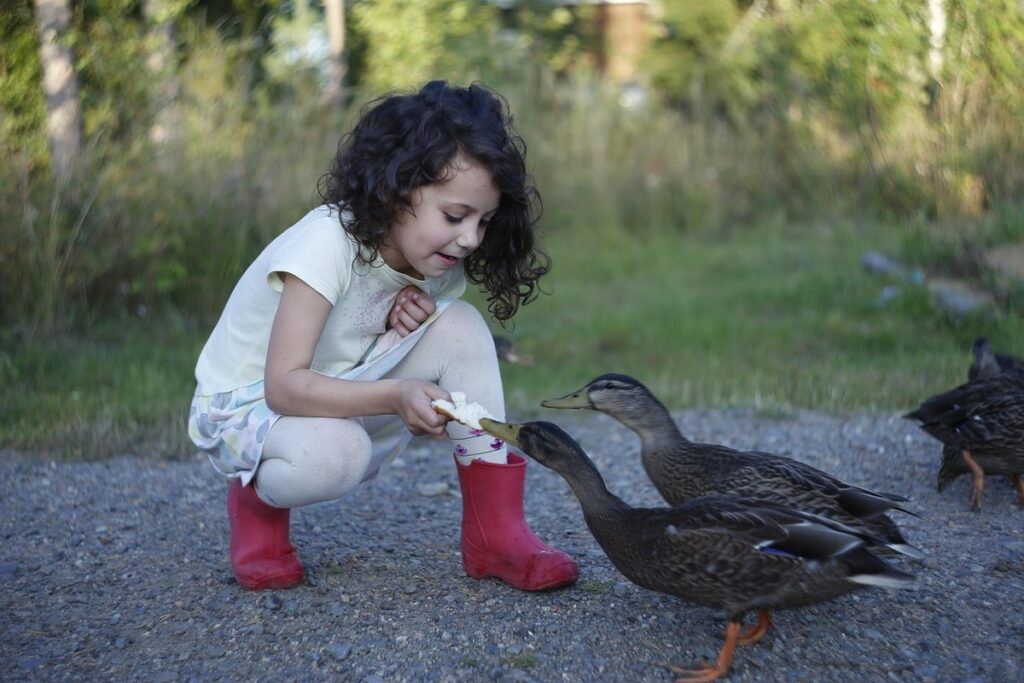
The Dangers of Feeding Bread to Ducks: A Brief History
Feeding bread to ducks has been a long-standing practice, but its origins and impact are often overlooked. Let’s take a brief look at how this tradition began.
The Origins of Duck Feeding in Parks and Gardens
Feeding bread to ducks has become a ubiquitous practice in public parks and gardens around the world. But have you ever wondered where this tradition originated? The history of duck feeding is rooted in the 19th century, when European aristocrats would feed bread to the birds as a form of entertainment.
As the Victorian era gave way to the Industrial Revolution, cities expanded and public spaces like parks and gardens became popular destinations for recreation. People began to visit these areas to escape the confines of urban life and connect with nature. Feeding ducks was seen as a harmless and enjoyable activity, allowing people to interact with wildlife in a seemingly safe and controlled environment.
In many countries, including the UK, Australia, and the US, duck feeding became a staple of public park etiquette. However, this practice has had unintended consequences on the health and well-being of our feathered friends, as we’ll explore later in this article. For now, it’s essential to acknowledge that feeding bread to ducks is a deeply ingrained tradition, but one that requires reevaluation given the potential harm it causes.
The Rise of Concerns About Feeding Bread to Ducks
Concerns about feeding bread to ducks began to emerge as scientists and conservationists started noticing the negative impacts on these birds’ health and ecosystems. One key factor was the discovery of high levels of aflatoxin, a toxic substance produced by mold that grows on stale bread, in duck droppings and water sources.
As people became more aware of this issue, they began to question the long-term effects of feeding ducks bread regularly. With so many other food options available, why were bread enthusiasts persisting with a practice that could potentially harm these beloved creatures?
The turning point came when environmentalists started highlighting the detrimental effects of bread on aquatic ecosystems. The overfeeding and subsequent decomposition led to increased algae growth, decreased oxygen levels, and even changes in water pH. It’s estimated that up to 10% of the UK’s rivers suffer from significant algal blooms, partly caused by excessive bread consumption.
To make a positive change, start offering ducks healthier alternatives like leafy greens, fruits, or commercially available duck food. Not only will this benefit their health but also contribute to preserving ecosystems and maintaining water quality.
Why Feeding Bread to Ducks is Bad for Their Health
When it comes to feeding ducks, bread might seem like a harmless treat, but the reality is that it can cause more harm than good to these lovely birds’ health. Let’s take a closer look at why this is the case.
The Nutritional Consequences of a Bread-Heavy Diet
When you feed bread to ducks, it can lead to a host of nutritional problems. For one, bread is relatively low in nutrients compared to the natural foods ducks would normally eat, like aquatic plants and insects. This means that if ducks rely on bread as their primary source of nutrition, they may not be getting all the vitamins and minerals they need.
A diet heavy in bread can also lead to obesity in ducks. Bread is high in empty calories, which provide no nutritional value but contribute to weight gain. Ducks that are fed a lot of bread tend to become overweight or obese, which can increase their risk for a range of health problems.
In addition to malnutrition and obesity, feeding bread to ducks can also lead to related health issues like digestive problems and heart disease. When ducks eat a diet high in carbohydrates but low in fiber, it can cause their digestive systems to work overtime. This can lead to issues with constipation or diarrhea, as well as more serious problems like organ damage.
To avoid these problems, consider what natural foods you can give to ducks instead of bread. You might be surprised at the variety of tasty and nutritious options available! Berries, leafy greens, and sliced fruits are all great choices that will provide your feathered friends with a balanced diet.
The Risk of Choking and Intestinal Blockages
Feeding bread to ducks may seem like a harmless act of kindness, but it can have serious physical risks for these waterfowl. One of the most significant concerns is the risk of choking hazards. When ducks eat large pieces of bread, they can easily become lodged in their esophagus or airway, leading to asphyxiation. This can happen quickly and quietly, with no warning signs until it’s too late.
Intestinal blockages are another potential consequence of feeding bread to ducks. The high carbohydrate content in bread can expand in a duck’s stomach, causing an intestinal blockage that can be fatal if not treated promptly. In fact, according to the RSPCA (Royal Society for the Prevention of Cruelty to Animals), bread is one of the leading causes of internal obstructions in ducks.
To avoid these risks, it’s essential to provide ducks with a balanced and nutritious diet. If you want to feed them treats, consider offering vegetables like lettuce, spinach, or kale instead of bread. These healthy alternatives will not only satisfy their cravings but also contribute to their overall well-being.
The Impact on Ecosystems: How Bread Feeding Affects Local Wildlife
Feeding bread to ducks may seem harmless, but it can have severe consequences for local wildlife and ecosystems. In this section, we’ll explore how bread feeding affects the delicate balance of your community’s ecosystem.
The Effects on Water Quality and Aquatic Life
When you throw bread into a pond or lake to feed the ducks, it may seem harmless, but in reality, it can have severe consequences for water quality and aquatic life. Excess bread in waterways leads to pollution, as it breaks down slowly and contributes to the growth of algae and bacteria. This can deplete oxygen levels in the water, making it difficult for fish and other aquatic animals to survive.
Moreover, excess nutrients from rotting bread can stimulate an overgrowth of aquatic plants, leading to a phenomenon known as eutrophication. This can cause waterways to become choked with vegetation, making it hard for light to penetrate and photosynthesis to occur. As a result, the delicate balance of the ecosystem is disrupted, and many species of plants and animals that call these areas home are negatively impacted.
To put it into perspective, consider this: a single loaf of bread can produce up to 2 pounds of carbon dioxide when decomposed in water. This may not seem like a lot, but when multiplied by the number of people feeding ducks daily, the cumulative effect is significant.
The Role of Bread in Disrupting Native Food Chains
Feeding bread to ducks may seem like a harmless act of kindness, but it can have far-reaching consequences for native species. When we feed bread to ducks, we’re essentially introducing a foreign food source into their ecosystem, altering the natural balance of their food chain.
This disruption can lead to an over-reliance on humans for sustenance, causing native species like fish, frogs, and other aquatic animals to struggle for survival. For example, in some areas, ducks have become so accustomed to bread that they’re now ignoring their natural food sources, leading to malnutrition and weakened immune systems.
Moreover, the excess bread often ends up rotting in waterways, creating a perfect breeding ground for algae blooms, which can deplete oxygen levels and harm aquatic life. To make a positive impact on local wildlife, consider opting for alternative duck-friendly foods like leafy greens or wild seeds instead of bread. By doing so, we can help restore the natural balance of their food chain and promote a healthier ecosystem.
Alternatives to Feeding Bread: What to Feed Ducks Instead
While it may be tempting to feed bread to ducks, there are plenty of healthier alternatives that you can offer as a treat. We’ll explore some delicious options in this section.
Healthy Treats for Ducks: Choosing the Right Options
When it comes to feeding ducks, bread is often the go-to choice, but as we’ve established, it’s not the best option for our feathered friends. So, what can you feed them instead? Fortunately, there are plenty of healthy and nutritious alternatives that are perfect for duck feeding in public spaces.
Fresh fruits like berries, apples, and grapes are a great option. You can also try leafy greens like kale, spinach, and lettuce. These will not only provide essential vitamins and minerals but also keep your ducks’ beaks trimmed. Another great choice is sliced carrots or sweet potatoes – these are easily digestible and packed with fiber.
Remember to always wash any fruits or vegetables before offering them to the ducks to prevent bacterial contamination. It’s also a good idea to stick to whole foods rather than processed ones, like dried fruit or vegetable strips, which can be high in added sugars.
Some other treats you can try include cooked rice, oats, and even sunflower seeds – just be sure to offer these in moderation as they’re high in calories.
Creating a Balanced Ecosystem Through Sustainable Duck Feeding Practices
When it comes to feeding ducks, many of us assume that bread is the best option. However, this approach can have unintended consequences on local ecosystems. Adopting sustainable duck-feeding practices not only benefits these feathered friends but also promotes biodiversity and supports our environment.
By choosing alternatives to bread, we can create a balanced ecosystem where different species coexist harmoniously. For instance, offering leafy greens like kale or spinach provides ducks with essential nutrients while encouraging them to forage for more varied foods. This shift in diet can help restore natural feeding habits and reduce dependence on human-provided food.
Incorporating native aquatic plants into your feeding routine is another effective way to promote biodiversity. These plants, such as water lilies or cattails, provide habitat and shelter for other wildlife like fish and insects. By creating a balanced ecosystem, we can support the local food chain and encourage a more diverse range of species in our parks and waterways.
To implement sustainable duck-feeding practices, start by researching what types of plants are native to your area and which ones will thrive in your local environment. Then, incorporate these plants into your feeding routine and observe the positive changes that unfold.
Debunking Common Myths About Feeding Bread to Ducks
Many people believe that feeding ducks bread is harmless, but unfortunately, it can lead to a range of problems for our feathered friends and their habitats. Let’s explore some common myths surrounding this practice.
Separating Fact from Fiction: Addressing Misconceptions
When it comes to feeding bread to ducks, several misconceptions have been perpetuated over time. One common myth is that bread provides essential nutrients for ducklings. However, this couldn’t be further from the truth. According to a study by the University of California, Davis, bread lacks the nutrients and fiber necessary for healthy growth in waterfowl.
Another misconception is that feeding ducks bread helps maintain their natural food sources. In reality, an overreliance on human-provided bread can lead to a decline in their ability to forage naturally. A study by the Royal Society for the Protection of Birds found that bread-fed ducks have lower diversity and quantity of natural food items in their digestive systems.
It’s essential to separate fact from fiction when it comes to feeding bread to ducks. By understanding the negative impacts on duck health and ecosystems, you can make informed choices about what to feed these lovable creatures. Consider providing alternative foods like leafy greens or aquatic plants, which not only support their nutritional needs but also promote a balanced ecosystem.
The Role of Education and Awareness in Changing Feeding Habits
Education and awareness are key components in shifting public attitudes towards more sustainable feeding practices when it comes to our feathered friends. By implementing targeted campaigns, we can effectively communicate the negative impacts of feeding bread to ducks and encourage visitors to opt for healthier alternatives.
For instance, many parks and wildlife areas have successfully implemented signs and educational materials that highlight the consequences of bread consumption on duck populations. These efforts not only raise awareness but also promote a sense of responsibility among park-goers.
You can play a vital role in spreading this awareness too! When visiting your local park or waterway, consider carrying a bag of sustainable feeding options such as lettuce leaves, spinach, or oats. Not only will you be making a positive impact on the environment, but you’ll also be teaching others through your actions.
Some parks have even integrated interactive educational programs for children to learn about responsible feeding practices. These hands-on experiences help shape young minds and foster an appreciation for wildlife conservation from an early age. By working together, we can create a ripple effect of sustainable change that benefits both our duck friends and the environment as a whole.
Implementing Change: How to Make a Difference in Your Community
Now that you’re aware of the potential harm caused by feeding bread to ducks, let’s dive into practical steps for making a positive impact on your community. We’ll explore ways to create lasting change.
Collaborating with Local Authorities and Conservation Groups
When it comes to creating change in your community, collaborating with local authorities and conservation groups is a crucial step. To advocate for policy changes or promote sustainable feeding practices, start by reaching out to your local parks department or wildlife management organization. Explain the concerns you have about feeding ducks bread and ask how you can help.
You might be surprised at how receptive they are to community feedback. Some cities have already implemented “no-feeding” signs or provided alternative food sources for ducks. By working together, you can amplify your message and encourage others to join in.
Consider joining a local conservation group or volunteering with an organization that shares your passion for wildlife conservation. These groups often have existing relationships with government agencies and can provide valuable guidance on how to effect change. Together, you can create a stronger voice for sustainable feeding practices and make a real difference in your community’s relationship with its wildlife.
Creating a Culture of Responsible Duck Feeding Through Community Engagement
Creating a culture of responsible duck feeding requires more than just educating individuals about the negative impacts of bread on our feathered friends. It demands an intentional effort to engage with and educate the community at large. This can be achieved through various outreach programs, public education initiatives, and community-driven projects.
One effective way to encourage responsible duck feeding is by partnering with local schools and community centers to develop educational materials and workshops that promote sustainable feeding practices. For instance, you could create a “Duck-Friendly” brochure or poster that highlights alternative foods like leafy greens and fruits, which are not only nutritious for ducks but also environmentally friendly.
Another approach is to collaborate with local business owners to display signage in public areas where people tend to feed the ducks, gently reminding visitors of the importance of not feeding bread. This can be a powerful way to shift community behavior over time.
By working together and engaging with our communities, we can create a ripple effect that promotes responsible duck feeding practices and protects the health of these magnificent creatures for generations to come.
Frequently Asked Questions
How can I introduce alternative foods to duck feeding areas in my community?
Introducing alternative foods is a crucial step towards creating a responsible duck-feeding culture. Start by engaging with local authorities, conservation groups, and park administrators to discuss the idea of providing healthy options for ducks. You can propose installing bird-friendly feeders or offering native plant seeds that attract beneficial insects. This approach will encourage visitors to adopt sustainable practices while enjoying their interactions with wildlife.
Can I still feed bread to ducks if I’m trying to phase it out in my community?
While it’s better to completely stop feeding bread, you can start by reducing the frequency and amount of bread being fed. Gradually introduce alternative foods, and educate visitors about the negative impacts of bread on duck health and ecosystems. This phased approach will help minimize disruptions while promoting positive change.
What if some people resist the idea of stopping bread feeding or prefer to feed their own ducks?
Resistors may need education and awareness about the consequences of bread feeding. Share credible sources, such as scientific studies or expert opinions, to support your claims. Encourage visitors to participate in decision-making processes by organizing community events, surveys, or feedback sessions. By involving stakeholders and promoting a sense of ownership, you can build consensus around responsible duck-feeding practices.
How can I ensure that my alternative feeding plan doesn’t create other problems, like over-reliance on human food?
Design your alternative feeding plan to promote self-sufficiency in ducks, rather than relying on humans for sustenance. Incorporate native plants and seeds that attract beneficial insects, which will help maintain a balanced ecosystem. Monitor the impact of your plan and make adjustments as needed to prevent unintended consequences.
Can I involve local schools or educational institutions in promoting responsible duck-feeding practices?
Partnering with schools is an excellent way to educate future generations about environmental stewardship and responsible wildlife management. Develop interactive programs, workshops, or curricula that incorporate lessons on sustainable feeding practices, ecosystem balance, and the impact of human actions on wildlife. This collaborative approach will not only raise awareness but also empower students to become advocates for conservation in their communities.