
If you’re considering adding some extra comfort to your backyard flock’s living space, you might be wondering about using sand in their chicken run. This idea has been gaining traction among chicken keepers who are looking for ways to reduce stress on their birds’ joints and make their coop a happier place. However, like many things in life, there are pros and cons to consider when it comes to introducing sand into your chickens’ lives. On one hand, sand can provide a soft surface for them to walk on, which is especially beneficial for older or overweight hens who might struggle with hard surfaces. But on the other hand, using sand in a chicken run also introduces its own set of challenges and potential health risks that you’ll want to be aware of. In this article, we’ll weigh up the advantages and disadvantages of using sand in your chicken run so you can make an informed decision for your flock.
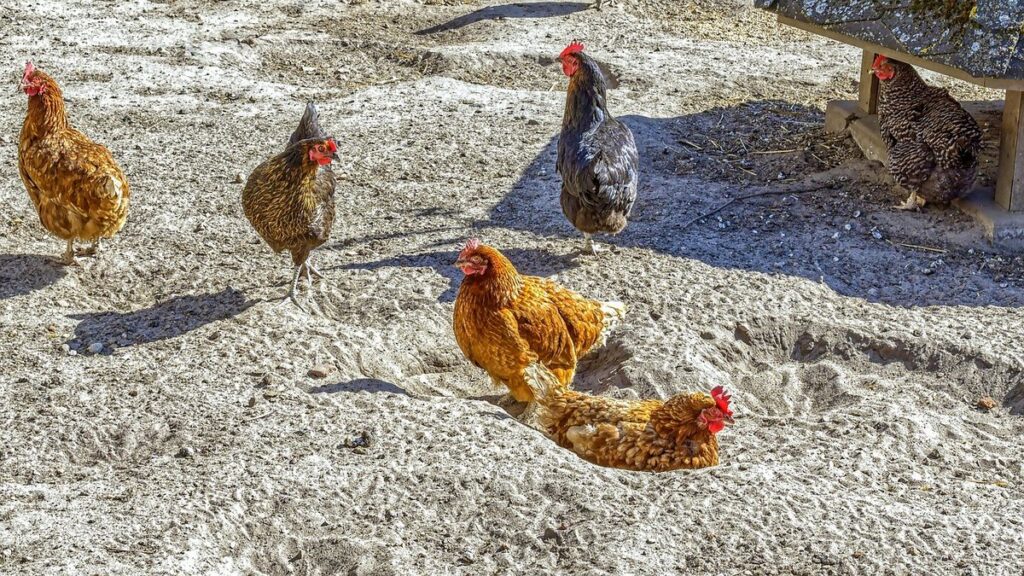
Benefits and Drawbacks of Adding Sand to a Chicken Run
Now that we’ve discussed the benefits of using sand in your chicken run, let’s weigh up the advantages and disadvantages of incorporating it into their outdoor space.
Advantages of Using Sand in Chicken Runs
When you’re considering adding sand to your chicken run, it’s essential to weigh the benefits against any potential drawbacks. One of the most significant advantages of using sand is its ability to reduce stress on your chickens’ joints. Laying hens, in particular, can be prone to joint issues due to their weight and mobility. Sand provides a comfortable surface for them to walk and scratch, which can help alleviate some of this strain.
Another benefit of using sand is improved traction. Without it, chicken runs can become slick with water or manure, leading to accidents and injuries. Sand helps prevent slipping and falling by providing a non-slip surface, giving your chickens more confidence when moving around.
Lastly, sand makes cleaning the run much easier. It allows waste to flow freely, reducing the amount of time you’ll spend scooping out droppings and other debris. This can be especially beneficial for larger flocks or if you’re short on time. Regularly adding new sand and removing old will keep your chicken’s environment clean and hygienic.
Disadvantages of Using Sand in Chicken Runs
When considering adding sand to your chicken run, it’s essential to weigh the potential benefits against the drawbacks. One significant disadvantage of using sand is its increased cost compared to other materials like gravel or wood shavings. The initial investment may be higher, and ongoing maintenance costs can add up over time.
Moreover, sand can pose health risks to your chickens due to silica dust. When sand is disturbed, it releases fine particles into the air, which can cause respiratory problems in birds. This is particularly concerning for chickens that spend most of their day foraging on the ground.
Moisture control is another challenge associated with using sand in chicken runs. Sand can become waterlogged when exposed to heavy rainfall or high humidity, leading to muddy conditions that are difficult to clean and maintain. To mitigate this issue, you’ll need to ensure proper drainage and consider incorporating a layer of permeable material underneath the sand. Regularly monitoring moisture levels and adjusting your setup accordingly will also help prevent this problem.
Types of Sand Suitable for Chicken Runs
When it comes to choosing the right sand for your chicken run, you’ll want to consider a few different types that can help provide comfort and cleanliness for your birds. Here are some options worth exploring further.
Natural vs. Engineered Sand Options
When it comes to choosing sand for your chicken run, you’re likely considering two main options: natural sand and engineered sand. River sand, a type of natural sand, is a popular choice due to its abundance and affordability. However, it may not be the best option for every chicken keeper.
One key difference between natural and engineered sand lies in their particle size and texture. Natural sand often contains larger particles that can be uncomfortable for chickens to walk on and even cause injuries. Engineered sand options, such as play sand, are specifically designed with smaller particles and a finer texture that’s gentler on chickens’ feet.
Play sand, in particular, is a popular choice among chicken keepers due to its ease of use and low maintenance requirements. It also provides good drainage, which can help prevent mud from forming and reduce the risk of disease transmission. However, some may find it too fine, leading to clouding of the water if used near pools or water sources.
Characteristics to Look for in High-Quality Sand
When selecting sand for your chicken run, it’s essential to look for high-quality sand that meets the specific needs of your flock. To ensure you’re getting the best sand possible, consider the following characteristics:
Particle size is a crucial factor to consider when choosing sand. A fine-grained sand with particles smaller than 1mm is ideal for reducing dust and preventing respiratory issues in chickens. On the other hand, coarse-grained sand can be too abrasive and may cause discomfort for your birds.
Texture also plays a significant role in determining the quality of sand. Avoid sand that’s too smooth or too rough, as it may not provide enough traction for your chickens to comfortably walk on. Look for sand with a moderate texture that’s gentle on their feet.
Chemical composition is another critical attribute to consider. Opt for sand that’s free from additives and chemicals that can harm your chickens. Some sand products may contain silica or other hazardous materials, so make sure to read the label carefully before making a purchase.
Design Considerations for Sand-Filled Chicken Runs
When designing a sand-filled chicken run, there are several factors to consider, including drainage, accessibility, and providing adequate space for your chickens to roam. Proper planning is essential for creating a safe and happy environment for your flock.
Layer Depth and Drainage Systems
When designing a sand-filled chicken run, it’s essential to consider the layer depth and drainage systems. These elements play a crucial role in maintaining optimal moisture levels, preventing erosion, and promoting overall health within the run.
The ideal layer depth for a sand-filled chicken run is between 2-4 inches (5-10 cm). This allows for proper drainage while also providing enough space for the chickens to comfortably walk on the surface. However, it’s crucial not to overfill the run with too much sand, as this can lead to inadequate drainage and create an environment conducive to moisture buildup.
A well-designed drainage system is also vital in maintaining a healthy run. You can incorporate a slight slope into the floor of the run to direct excess water towards a designated drainage area. Installing a French drain or using gravel-lined trenches can also help efficiently remove excess water from the area.
By striking the right balance between layer depth and effective drainage, you’ll be able to maintain optimal moisture levels within your chicken run, ensuring your flock remains healthy and happy.
Incorporating Slopes and Ramps
When designing a sand-filled chicken run, it’s essential to consider incorporating slopes and ramps to prevent water accumulation and ensure easy access to nesting areas. Water can seep into the sand due to various factors like heavy rainfall, improper drainage, or even high humidity levels. If not addressed promptly, this can lead to muddy conditions that are detrimental to your flock’s health.
Slopes and ramps play a crucial role in redirecting water away from the nesting area, thus maintaining cleanliness and preventing bacterial growth. Aim for a slope of about 1:20 to ensure water drains efficiently without causing erosion or soil compaction. Additionally, installing ramps at strategic locations allows chickens to move easily between areas while keeping their feet clean.
Consider positioning ramps near feeders, water troughs, and nesting boxes. This thoughtful design will encourage your birds to forage and nest without getting muddy or dirty. By incorporating these elements thoughtfully, you’ll create a safe, healthy environment that promotes the well-being of your flock.
Health Risks Associated with Sand in Chicken Runs
When introducing sand into your chicken run, it may seem harmless, but there are several health risks associated with using sand that you should be aware of to ensure the well-being of your flock. Let’s explore these potential issues together.
Silica Dust Exposure and Respiratory Issues
When it comes to maintaining a safe and healthy environment for your chickens, there’s more to consider than just providing them with food and water. The sand used in chicken runs can also pose health risks to both humans and birds if not handled properly.
One significant concern is silica dust exposure. Silica is a common mineral found in many types of sand, including play sand and decorative sand. When these sands are disturbed, they release tiny particles into the air that can be easily inhaled. Prolonged exposure to silica dust has been linked to respiratory problems such as silicosis, bronchitis, and lung cancer.
According to the Centers for Disease Control and Prevention (CDC), approximately 2 million American workers are exposed to silica dust on a daily basis, resulting in over 400 deaths annually due to silica-related illnesses. Similarly, chickens can also suffer from silica dust exposure, which may lead to respiratory issues, decreased egg production, and even mortality.
To minimize the risks associated with silica dust exposure, it’s essential to choose sand carefully. Opt for sands that are specifically labeled as “silica-free” or “low-silica.” Regularly cleaning and maintaining your chicken run can also help reduce the amount of airborne particles.
Bacterial Growth and Moisture Control
When sand is used in chicken runs, it can significantly impact moisture levels. Sand itself doesn’t hold much water, but when combined with manure and other organic matter, it creates an ideal environment for bacterial growth. Bacteria thrive in damp conditions, multiplying rapidly and releasing spores that can spread disease.
As a result, chickens are more susceptible to illnesses such as coccidiosis, which is caused by protozoal parasites that live in the intestines of birds. These diseases can weaken the immune system, making chickens more vulnerable to other infections. In extreme cases, they can even lead to mortality.
To mitigate this risk, it’s essential to maintain proper moisture control within the chicken run. This involves ensuring adequate drainage and ventilation to prevent excess moisture from accumulating in the sand. Regular cleaning and disinfection of the area are also crucial to eliminating potential bacterial hotspots. By taking these steps, you can reduce the likelihood of bacterial growth and keep your flock healthy.
Maintenance and Upkeep of Sand-Filled Chicken Runs
Regular maintenance is crucial to keep your sand-filled chicken run clean, safe, and healthy for your birds. In this section, we’ll walk you through essential tasks to perform on a regular basis.
Regular Cleaning and Replacement Schedules
Maintaining clean and healthy conditions within the sand-filled chicken run is crucial for the well-being of your birds. A regular cleaning schedule will help prevent the buildup of bacteria, ammonia, and moisture that can lead to respiratory issues and other health problems.
Plan to clean the sand completely every 2-3 months, depending on the size of your flock and the amount of waste generated. This involves removing all the soiled sand, washing it thoroughly, and replacing it with fresh material. For smaller cleaning tasks, aim to rake or turn over the top layer of sand every week or two to remove droppings and uneaten food.
It’s also essential to replace a portion of the sand (about 10-20% every month) to maintain its absorbency and prevent overcompaction. You can use a self-leveling rake to redistribute the sand evenly after replacement. By following this cleaning and replacement schedule, you’ll be able to keep your chicken run clean, healthy, and safe for your birds to thrive in. Regular maintenance will also help extend the lifespan of the sand and reduce the need for costly replacements.
Monitoring for Erosion and Compaction Issues
As you monitor the sand-filled chicken run, it’s essential to keep an eye out for signs of erosion and compaction issues. Erosion can occur when water seeps into the sand, washing away the top layer and creating uneven surfaces that can be hazardous for your chickens. Compaction, on the other hand, happens when the sand becomes too dense due to repeated use or heavy foot traffic.
Regular inspections will help you identify these issues before they become serious problems. Check the run regularly for signs of erosion, such as bare spots, ruts, and puddles. If you notice any of these signs, take action quickly by replenishing the sand in affected areas. To prevent compaction, consider implementing strategies like providing multiple entry and exit points, using a sand with good drainage properties, and minimizing heavy foot traffic during peak usage times.
By monitoring your chicken run regularly and taking prompt action when needed, you can create a safe and stable environment for your birds to roam and play. Remember, it’s always better to be proactive than reactive when it comes to maintaining your chicken run!
Frequently Asked Questions
What types of sand are best suited for my chicken run?
Consider using fine-grained sands, such as play sand or silica-free sand, which provide better traction and are less likely to cause respiratory issues. Avoid using coarse-grained sands that can be uncomfortable for your chickens’ feet.
How often should I replace the sand in my chicken run?
Replace the sand every 6-12 months or when you notice a significant decline in its effectiveness due to compaction or erosion. Regularly inspecting and maintaining your sand-filled chicken run will help prevent these issues.
Can I mix sand with other materials, like straw or wood shavings, for added comfort?
Mixing different materials can be beneficial, but ensure that the combination doesn’t create a moisture trap, which can lead to bacterial growth and health risks. Monitor the area closely and adjust as needed to maintain a clean and healthy environment.
What’s the ideal depth of sand in my chicken run for optimal benefits?
Aim for a layer depth of 2-4 inches (5-10 cm) to provide sufficient comfort for your chickens while minimizing the risk of moisture accumulation. Adjust this depth based on your flock’s size, age, and specific needs.
How can I prevent erosion and compaction issues with sand in my chicken run?
Regularly rake or fluff up the sand to maintain its depth and structure. Consider installing a drainage system and incorporating slopes and ramps to promote water runoff and easy access for your chickens.