
Are you an Isa Brown chicken owner looking to maximize your flock’s egg production? These popular backyard birds are known for their high-quality eggs, but did you know that with proper care and management, they can produce even more? To get the most out of your Isa Browns, it’s essential to understand their unique laying habits and address common issues like nutrition, lighting, and health problems. In this article, we’ll delve into expert tips on how to boost your flock’s potential, covering everything from providing optimal nutrition to creating a stress-free environment that encourages egg-laying. By the end of this post, you’ll be equipped with the knowledge to overcome common challenges and unlock your Isa Browns’ full laying capacity.
What are Isa Brown Chickens?
Let’s dive into what makes Isa Brown chickens so special, and how their unique characteristics affect their egg-laying abilities. We’ll explore their history and breed traits that set them apart from other chicken varieties.
Origin and History of the Breed
The Isa Brown chicken breed has its roots in Europe, specifically in the UK and Ireland. Developed in the 1970s by Hy-Line International, the breed was created to meet the demand for high-quality, disease-resistant egg-laying hens. The name ‘Isa’ is derived from the ‘ISA-Brown’, which stands for ‘Incorporated Society of Animal Production – Brown’.
These chickens were bred to excel in hot climates, making them an ideal choice for farmers worldwide. Their ability to thrive in temperatures above 90°F (32°C) is a significant advantage. With their calm temperament and high egg-laying capacity, it’s no wonder why the Isa Brown breed has become a favorite among backyard chicken keepers and large-scale commercial farms alike.
One of the key characteristics that make Isa Browns well-suited for egg production is their genetic makeup. They have been selectively bred to lay an impressive 300-320 brown eggs per year, making them one of the most prolific laying breeds available today.
Physical Characteristics of Isa Browns
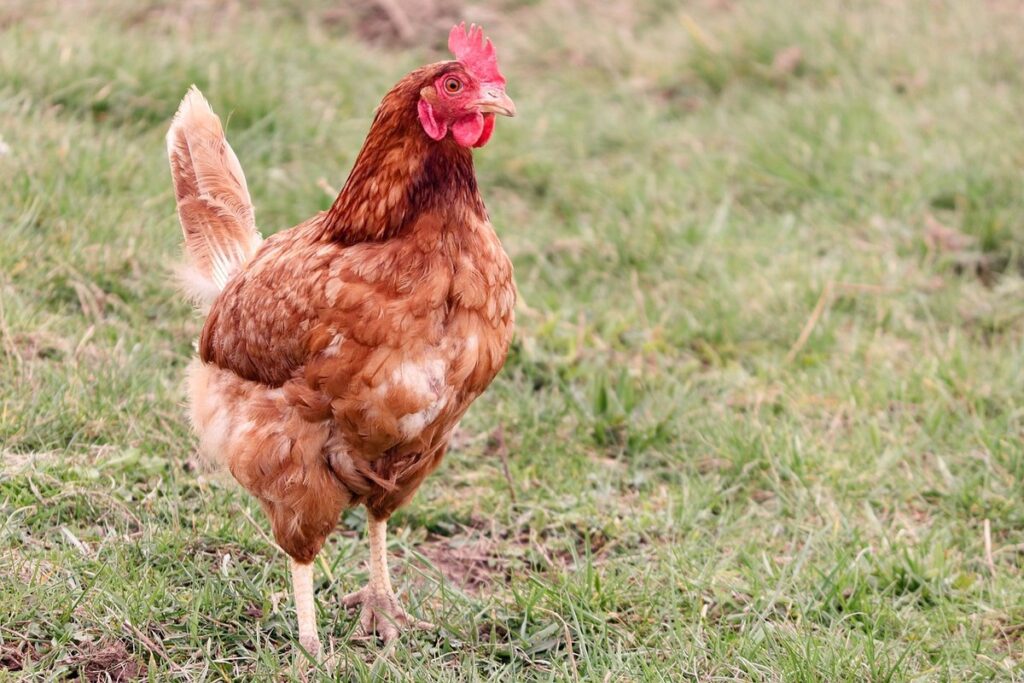
Isa Brown chickens are known for their distinctive physical characteristics, which play a significant role in determining their laying habits. These birds typically grow to be medium-sized, with roosters weighing around 4-5 pounds and hens reaching about 3-4 pounds. Their plumage is a mix of light brown and white feathers, often with a subtle golden sheen, making them visually appealing.
One notable feature of Isa Browns is their beak shape, which is strong and medium-sized. This robust beak helps them forage efficiently, allowing them to peck at seeds and grains with ease. Their legs are sturdy, with yellow or light brown shanks that provide stability and support when walking.
In terms of weight, Isa Brown hens can lay around 300 large eggs per year, making their size a factor in determining egg production. However, it’s essential to note that individual birds may vary depending on factors like nutrition, health, and genetics. To maximize egg production, ensure your Isa Browns have access to adequate feed, fresh water, and regular exercise. A balanced diet with a mix of grains, proteins, and calcium will support their overall health and reproductive capabilities.
Understanding Egg Laying in Isa Brown Chickens
When it comes to egg laying, one of the most crucial factors is understanding how often your Isa Browns will lay and what affects their production. In this section, we’ll break down their typical laying habits and cycles.
Factors Affecting Egg Production
When it comes to maximizing egg production in Isa Brown chickens, understanding the factors that affect their laying habits is crucial. Both internal and external factors can impact a chicken’s ability to produce eggs.
Internal factors include age, nutrition, and health issues. For example, a young or old hen may not lay as many eggs due to hormonal changes. Providing adequate nutrients through a balanced diet is essential for optimal egg production. A layer feed that contains the necessary protein, calcium, and other minerals will support their reproductive system. However, overeating can lead to obesity and reduced egg production.
External factors also play a significant role in egg production. Light exposure is critical, as Isa Browns need around 14 hours of daylight to produce eggs efficiently. Health issues such as respiratory problems or parasites can also impact egg production. Keeping your chickens’ living environment clean and free from disease will help prevent health issues. Regular monitoring and veterinary check-ups will allow you to address any potential problems promptly.
Average Egg Production per Year
Isa Brown chickens are renowned for their impressive egg-laying capabilities. On average, an Isa Brown hen will produce around 300-320 eggs per year. This is significantly higher than other popular laying breeds such as the Leghorn (280-300 eggs/year) and the Hy-Line (260-290 eggs/year). To put this into perspective, consider that a single flock of 10 Isa Browns can provide your family with over 3,000 eggs annually.
While these numbers are impressive, it’s essential to note that egg production peaks between 18 and 24 months of age. After this point, egg laying will gradually decline. Proper nutrition, adequate light, and regular health checks play a significant role in maintaining the optimal level of egg production. To maximize your Isa Browns’ output, ensure they have access to balanced feed supplemented with calcium-rich foods to support strong eggshell development.
By understanding these factors, you can create an environment that supports your Isa Brown hens’ natural tendency to lay eggs prolifically.
Tips for Maximizing Egg Production from Your Isa Brown Chickens
To get the most out of your Isa Browns, it’s essential to provide them with a balanced diet and optimal living conditions that support their natural laying habits. This section shares valuable tips for boosting egg production.
Providing Optimal Nutrition and Hydration
When it comes to maximizing egg production from your Isa Brown chickens, providing optimal nutrition and hydration is crucial. A balanced diet that meets their nutritional needs will not only support their health but also encourage them to lay more eggs.
To begin with, ensure you’re feeding a high-quality layer feed that’s formulated specifically for chickens of this breed. Look for feeds that contain around 16-18% protein, which is ideal for maintaining strong egg production. You can also supplement their diet with fresh fruits and vegetables like leafy greens, carrots, and sweet potatoes to provide essential vitamins and minerals.
Water intake is equally important. Make sure your chickens have access to clean, fresh water at all times. Aim to provide about 1/4 pound of water per bird per day. You can also add a few drops of apple cider vinegar or electrolyte powder to their water to help maintain their hydration levels.
Remember, every extra step you take towards providing optimal nutrition and hydration will pay off in the long run – more eggs! By making these simple adjustments, you’ll be well on your way to maximizing egg production from your Isa Brown chickens.
Ensuring Adequate Light Exposure
Light is one of the most critical factors influencing egg production in Isa Brown chickens. This breed, known for its exceptional laying abilities, responds well to a carefully planned lighting scheme. The right amount and timing of light exposure regulate their circadian rhythms, which in turn stimulate the release of hormones necessary for egg production.
A suitable lighting plan involves providing a balanced mix of natural and artificial light. Aim for 14 hours of daylight exposure per day during peak laying seasons. This can be achieved by installing skylights or larger windows in your coop to allow for more natural light penetration. Supplement with high-quality LED grow lights, which emit a spectrum that promotes healthy growth and development.
Timing is also crucial; ensure the lights are turned on at dawn to simulate a sunrise and off at dusk to mimic a sunset. This helps regulate your flock’s internal clock and maximizes egg production. Keep in mind that light exposure can vary depending on the season and geographical location, so adjust your lighting plan accordingly to optimize results.
Managing Isa Brown Chickens to Minimize Health Issues
When it comes to raising healthy and thriving Isa Browns, understanding how to manage their living conditions is crucial. Proper management can significantly reduce health issues in your flock.
Common Health Problems Affecting Egg Laying
Egg-laying health issues are common concerns for backyard chicken keepers. Molting is one such issue where hens stop laying eggs temporarily to conserve energy and replenish their feathers. This process can last from a few weeks to two months, depending on the hen’s age and nutrition.
Broodiness is another problem that affects some hens. Characterized by excessive nesting behavior, it can lead to reduced egg production or even cause hens to abandon laying altogether. Factors like age, genetics, and environmental conditions contribute to broodiness.
Reproductive problems are also prevalent in Isa Brown chickens. Issues such as ovary failure, egg binding, or reproductive tract infections can significantly impact a hen’s ability to lay eggs. Good nutrition, regular health checks, and maintaining a clean coop environment can help prevent these issues.
Keep an eye out for signs of molting, broodiness, or reproductive problems in your hens. Monitor their behavior, and consult with a veterinarian if you notice any unusual changes. With proper care and attention, you can minimize the risk of health issues affecting your Isa Brown chickens’ egg-laying abilities.
Strategies for Maintaining Flock Health and Reducing Stress
Maintaining a healthy flock is crucial to maximizing egg production and overall well-being of your Isa Brown chickens. To promote overall flock health, it’s essential to implement effective parasite control measures. Regularly inspect your birds for signs of mites, lice, and fleas, and use suitable treatments as needed. You can also take preventative measures by maintaining a clean coop, changing bedding regularly, and ensuring proper ventilation.
Vaccination strategies should also be considered to protect against diseases common to poultry, such as avian influenza and Newcastle disease. Consult with your veterinarian to determine the best vaccination schedule for your flock.
To reduce stress in your chickens, provide an environment that encourages natural behavior. Ensure access to adequate light, exercise, and social interaction. Limit changes to their routine and avoid sudden movements or loud noises near the coop. By implementing these strategies, you can help maintain a healthy and thriving flock, ultimately leading to increased egg production.
Breeding Isa Brown Chickens for Exceptional Egg Production
If you’re serious about raising high-performing Isa Browns, breeding them with egg-laying potential in mind is crucial. This involves selecting birds with impressive reproductive traits.
Selecting the Best Breeding Stock
When it comes to breeding Isa Brown chickens, selecting high-quality breeding stock is crucial for maximizing egg production. Look for birds that consistently exhibit desirable traits such as robust health, strong egg-laying habits, and a gentle temperament. Inspect the parent flock’s overall health, checking for signs of disease or stress. A healthy breeding stock will result in stronger offspring with better immunity.
When evaluating potential breeding stock, consider their egg-laying history. Choose birds that have consistently laid eggs at an optimal rate, typically between 280-300 eggs per year. Also, observe their feather condition and overall appearance, as these traits can be passed down to the next generation. Finally, look for evidence of genetic diversity within the flock to prevent inbreeding and promote healthier offspring.
In addition to physical characteristics, consider temperament when selecting breeding stock. Friendly and docile birds are easier to manage and less prone to stress-related behaviors. By prioritizing these factors, you can increase your chances of producing high-quality Isa Brown chickens with superior egg-laying abilities.
Techniques for Improving Fertility Rates in Your Flock
When it comes to breeding Isa Brown chickens for exceptional egg production, improving fertility rates is crucial. Fertility rates can be influenced by a combination of nutritional supplements, breeding strategies, and environmental considerations.
One key factor is providing optimal nutrition during the breeding period. Ensuring your rooster and hens receive a balanced diet rich in protein, energy, and essential vitamins and minerals will help improve fertility rates. A study found that supplementing with selenium and vitamin E can significantly increase sperm motility and egg fertility. Consider adding these supplements to their feed for a few weeks before breeding.
Environmental considerations are also vital. Provide a clean, dry, and stress-free environment for your birds. Ensure adequate space and ventilation in the coop to prevent overcrowding and heat stress. A healthy and well-rested flock is more likely to breed successfully. Monitor temperature fluctuations and ensure access to fresh water at all times. By paying attention to these factors, you can increase fertility rates and improve overall egg production in your Isa Brown flock.
Troubleshooting Common Issues Related to Isa Brown Chickens’ Egg Laying
If you’re experiencing problems with your Isa Brown’s egg laying, we’ve got you covered. This section tackles common issues and provides practical solutions to get your flock back on track.
Addressing Low Egg Production or Unexplained Drops in Production
If you’ve noticed a drop in egg production from your Isa Brown chickens, it’s essential to identify and address the underlying cause. Poor nutrition is often a culprit, as inadequate feed can lead to decreased laying rates. Ensure that your flock has access to high-quality layer feed rich in calcium, vitamins, and minerals.
Inadequate lighting can also impact egg production. Isa Browns require at least 14 hours of daylight to produce eggs efficiently. Consider investing in supplemental lighting if you live in areas with limited natural light during the winter months. Health problems such as respiratory issues or internal parasites can also affect laying rates.
Keep a close eye on your flock’s overall health and watch for signs of illness, such as labored breathing or changes in droppings. Regularly clean their living area to prevent disease spread. By identifying and addressing these common issues, you can help boost egg production and get back on track with maximizing your Isa Brown chicken’s laying potential.
If you suspect a nutritional imbalance, consider consulting with a poultry expert or conducting a feed analysis to pinpoint the issue. In extreme cases, it may be necessary to change feed brands or supplement their diet with additional nutrients.
Managing Flock Dynamics to Optimize Egg Output
Managing a flock of Isa Brown chickens requires more than just providing food and water. A balanced dynamic is crucial to optimize egg output. When introducing new birds to the flock, it’s essential to do so gradually to prevent stress on both the old and new members. Start by keeping them separate for a few days before integrating them into the main group.
Managing aggression within the flock can be challenging, especially when dominant individuals start to assert their dominance. Keep an eye out for signs of bullying, such as feather pecking or exclusion from food sources. If necessary, separate these birds temporarily to prevent further stress and potential injury.
Regular monitoring is key to maintaining a balanced flock dynamic. Be aware of changes in behavior and body language. For example, if you notice one bird consistently taking dominance over food and water, consider separating them to maintain harmony within the group. By actively managing your flock’s dynamics, you can minimize conflicts and ensure that every bird has equal access to resources. This will ultimately lead to a more efficient egg-laying process.
Conclusion: Maximizing Your Isa Brown Chickens’ Potential for Egg Production
In conclusion, understanding your Isa Brown chickens’ laying habits is crucial for maximizing their potential for egg production. By following the tips outlined in this article, you can create an ideal environment that encourages your hens to lay at their best. This includes providing a balanced diet, ensuring adequate light and space, and monitoring their health regularly. For example, Isa Brown chickens are prolific layers, producing around 300 eggs per year, but this number can be significantly increased with proper care and management. By prioritizing their needs and taking proactive steps to address any issues that may arise, you can enjoy a steady supply of fresh eggs from your backyard flock.
To ensure the longevity and productivity of your Isa Brown chickens, it’s essential to adopt a long-term approach. This means regularly checking for signs of stress or health problems, adjusting their diet as needed, and providing regular breaks to allow them to rest and recharge. By doing so, you can enjoy a bountiful harvest of eggs from your beloved hens for years to come.
Frequently Asked Questions
How Often Should I Collect Eggs from My Isa Brown Flock?
Egg collection should be done daily, ideally at the same time each day to establish a routine for your hens. This will not only prevent breakage but also encourage them to continue laying eggs in the designated nesting box.
Can Isa Browns Be Kept as Backyard Pets, Even If I Don’t Plan on Using Their Eggs?
Yes, Isa Brown chickens can make wonderful pets due to their friendly and docile nature. However, it’s essential to consider providing them with adequate space, nutrition, and proper care to ensure they remain healthy and happy.
What Are Some Common Health Issues Affecting Egg Laying in Isa Browns?
Common health issues affecting egg laying in Isa Browns include molting, respiratory infections, and parasites. Regular check-ups, a balanced diet, and a clean living environment can help prevent these problems and maintain optimal egg production.
How Can I Ensure My Isa Brown Flock Stays Stress-Free and Continues Laying Eggs?
Providing a stress-free environment for your Isa Browns involves maintaining a calm atmosphere, offering adequate space, ensuring access to fresh water and nutritious food, and managing flock dynamics. Regular cleaning of the coop and run can also help reduce stress and prevent health issues.
Can I Use Different Types of Feed or Supplements to Boost Egg Production in My Isa Brown Flock?
Yes, using nutrient-rich feed and supplements can support your hens’ overall health and egg production. However, it’s crucial to consult with a veterinarian or poultry expert to determine the best diet for your flock based on their specific needs and age.