
Japanese beetles are one of the most destructive garden pests out there, but did you know that your yard already has some natural allies fighting back against these pesky insects? From birds and spiders to beneficial insects, there’s a whole ecosystem working together to keep Japanese beetle populations in check. But if you’re tired of relying on harsh chemicals to control infestations, it’s time to learn about the top natural predators of Japanese beetles. In this article, we’ll be diving into the world of Japanese beetle predators and exploring the ways that beneficial insects, animals, and even microorganisms can help control infestations without resorting to toxic pesticides. By learning how to harness the power of these natural predators, you can create a more balanced and sustainable garden ecosystem.
Natural Predators of Japanese Beetles
When it comes to managing Japanese beetle populations, understanding their natural predators is key. Let’s explore some of the beneficial insects that feed on these pesky beetles.
Birds and Their Role in Controlling Japanese Beetle Populations
Birds are one of the most effective natural predators of Japanese beetles, and their role in controlling populations is often underappreciated. Species like blue jays, robins, and mockingbirds are known to feed on adult beetles, particularly those that infest gardens and lawns.
These birds are attracted to the beetles’ sweet-tasting eggs and larvae, as well as the pollen and nectar from flowers they consume while feeding on beetles. A single blue jay can eat up to 20 Japanese beetles in a day, making them a valuable asset in controlling populations. To encourage these birds to visit your garden, consider planting native vegetation that produces berries or seeds, which will serve as a food source for them.
By creating a bird-friendly environment, you can harness the power of these natural predators and reduce the need for pesticides. If you’re interested in attracting more birds to your yard, try installing a birdbath or providing nesting boxes for robins and other species. By doing so, you’ll be supporting the natural balance of your ecosystem and reducing the Japanese beetle population at the same time.
Spiders and Other Arachnids as Japanese Beetle Predators
When it comes to controlling Japanese beetle populations, spiders are often overlooked but play a crucial role. These eight-legged predators are adept at hunting and consuming beetles, serving as a vital component of the ecosystem’s natural balance. Wolf spiders, for instance, are known to feed on Japanese beetles, especially during their larval stage.
Golden orb weavers are another significant predator that preys on Japanese beetles. Their impressive webs serve as traps for unsuspecting beetles, which become entangled and eventually succumb to the spider’s venom. By introducing spiders like these into your garden or yard, you can create a more balanced environment where predators work in tandem with other natural controls to regulate beetle populations.
To incorporate spiders into your Japanese beetle management strategy, consider creating a welcoming habitat for them by providing sheltered areas with an abundance of insects. This will encourage spiders to stay and hunt within your space, helping to reduce the number of beetles. By leveraging these natural predators, you can maintain a healthier ecosystem while reducing reliance on chemical pesticides.
Parasites and Pathogens Affecting Japanese Beetles
Japanese beetles have their fair share of internal enemies, including parasites and pathogens that can weaken and kill them. Let’s take a closer look at these microscopic predators.
Fungi and Bacteria: The Hidden Enemies of Japanese Beetles
When it comes to Japanese beetles, most people think of predators like birds and bats, but there are some lesser-known enemies that play a crucial role in controlling their populations. Fungal diseases and bacterial pathogens are two such groups that deserve attention.
Fungi like Beauveria bassiana, also known as the “beauveria fungus,” are naturally occurring parasites that infect Japanese beetles. These fungi produce toxins that eventually kill the beetle, but not before it’s infected, allowing the fungus to spread to other hosts. In laboratory settings, scientists have successfully used B. bassiana to control Japanese beetle populations.
Bacterial pathogens like Bacillus thuringiensis (Bt) also pose a threat to Japanese beetles. Bt produces a toxin that kills the insect by disrupting its digestive system. While these bacteria aren’t typically considered predators in their own right, they can be used as a biological control method to manage Japanese beetle populations.
In terms of practical application, using fungal diseases and bacterial pathogens to control Japanese beetles is still in its infancy. However, research suggests that combining multiple biological control methods could lead to more effective population management. If you’re considering using these microorganisms to control Japanese beetles on your property, be sure to consult with a local gardening expert or pest management professional for guidance.
Nematodes as Predators of Japanese Beetle Larvae
Nematodes such as Steinernema feltiae have been found to be effective predators of Japanese beetle larvae. These microscopic worms are naturally occurring parasites that can be introduced into the environment to control insect populations. By infecting the larvae, nematodes cause the beetles to stop feeding and eventually die.
When investigating the impact of nematode worms on beetle larvae, it’s essential to consider their life cycle. Steinernema feltiae, for example, has a complex life cycle that involves multiple stages of development, from egg to adult. Understanding this cycle can help you optimize the introduction of these predators into your ecosystem.
To utilize nematodes as a biological control method, you’ll need to ensure they are introduced at the right time and in sufficient quantities. This typically requires a thorough understanding of the local insect population dynamics and the specific needs of the nematode species being used.
Other Insects that Prey on Japanese Beetles
Besides birds and bats, several other insects prey on Japanese beetles, each with their unique characteristics and hunting styles to help control these pests. Let’s take a closer look at some of these beneficial bugs.
Ladybugs and Their Feeding Habits
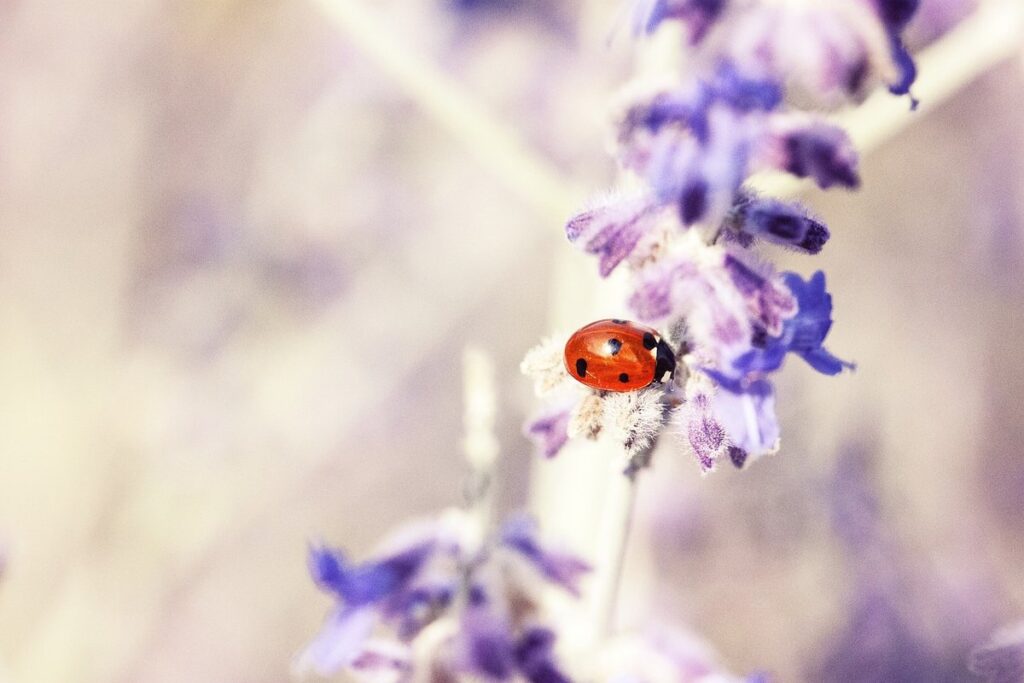
Ladybugs are one of the most effective predators of adult Japanese beetles. These beneficial insects feed on the beetle’s eggs, larvae, and adults, providing a natural control method for gardeners and farmers. The seven-spotted ladybug (Coccinella septempunctata) is a popular species that preys on Japanese beetles.
Ladybugs are known to feed on adult Japanese beetles by piercing their exoskeleton with their proboscis and injecting digestive fluids. This process, called “trophallaxis,” allows the ladybug to extract nutrients from the beetle’s body. Ladybugs can consume up to 60 Japanese beetles in a single day, making them a valuable addition to any garden.
To attract ladybugs to your garden, plant nectar-rich flowers like sunflowers or marigolds, which are known ladybug favorites. Avoid using pesticides, as they can harm these beneficial insects. By introducing ladybugs and other natural predators into your garden ecosystem, you can create a balanced environment that minimizes the need for chemical controls. With proper care and management, ladybugs can become a reliable ally in controlling Japanese beetle populations.
Lacewings and Their Importance in Beetle Control
Lacewings are one of the most effective predators of Japanese beetles, particularly when it comes to controlling their eggs and larvae. These delicate insects may seem harmless, but they pack a punch when it comes to managing beetle populations. Lacewings lay their eggs on plants that attract Japanese beetles, such as roses and linden trees, ensuring their offspring have an ample food supply.
When lacewing eggs hatch, the larvae emerge as fierce predators, feeding on Japanese beetle eggs and larvae with gusto. A single lacewing larva can consume up to 60 Japanese beetle eggs or larvae in a short period, making them a valuable asset for any garden. To attract lacewings to your garden, plant nectar-rich flowers like angelica, cosmos, and fennel, which are among their favorite snacks.
By incorporating lacewings into your integrated pest management strategy, you can significantly reduce the need for pesticides and other chemicals that harm beneficial insects. To make the most of lacewings in your garden, introduce them at the beginning of spring when Japanese beetles start to emerge, and maintain a diverse range of plants that provide food and shelter for these predators throughout the growing season.
Biological Control Methods for Japanese Beetles
If you’re looking for a long-term solution to control Japanese beetles, biological control methods can be an effective and eco-friendly choice. Let’s explore some of these methods in more detail.
Introducing Beneficial Insects to Manage Beetle Populations
Introducing beneficial insects to manage Japanese beetle populations is an effective biological control method that has gained significant attention in recent years. These natural predators can be introduced into the affected area to prey on Japanese beetles, thereby reducing their population.
Parasitic wasps and flies are two of the most commonly used beneficial insects for this purpose. Wasps like Trichogramma spp. lay their eggs inside the beetle’s egg sacs, while parasitoid flies like Hymenoptera family target young beetle larvae. By introducing these parasites, you can create a self-sustaining ecosystem that naturally controls Japanese beetle populations.
Before introducing beneficial insects, it is essential to identify the correct species for your region and climate. For example, Trichogramma spp. are effective in cooler climates, while wasps like Cotesia glomerata thrive in warmer temperatures. Additionally, ensure a suitable habitat for these beneficial insects by providing adequate food sources, shelter, and water.
By introducing natural predators like parasitic wasps and flies, you can create a sustainable solution to manage Japanese beetle populations without relying on pesticides or other chemical controls.
The Role of Conservation in Supporting Predator-Prey Dynamics
Conservation plays a vital role in supporting predator-prey dynamics, particularly when it comes to managing Japanese beetles. Preserving natural habitats and ecosystems is essential for maintaining the delicate balance between predators and prey. This balance is crucial for regulating beetle populations and preventing them from becoming pests.
When we disrupt or destroy natural habitats, we can inadvertently harm the very predators that help keep Japanese beetle numbers in check. For instance, clear-cutting forests can lead to a decline in ladybug populations, which are key predators of Japanese beetles. Similarly, habitat fragmentation can isolate predator species, making it difficult for them to find their prey.
To support conservation efforts and promote healthy predator-prey dynamics, gardeners and landowners can take steps to preserve natural habitats. This includes maintaining a diverse range of plant species, reducing pesticide use, and creating wildlife-friendly habitats such as meadows or woodland gardens. By taking a holistic approach to pest management, we can work in harmony with nature to control Japanese beetle populations without harming the environment.
Cultural and Chemical Control Methods for Japanese Beetles
When it comes to controlling Japanese beetles, cultural and chemical methods can be effective tools for managing their populations. We’ll explore both approaches in detail here.
Integrated Pest Management (IPM) Strategies for Beetle Control
When it comes to managing Japanese beetle populations, Integrated Pest Management (IPM) strategies can be a game-changer. IPM is an approach that combines cultural controls with chemical controls to minimize the use of pesticides and reduce environmental impact.
Cultural controls are non-chemical methods that can help prevent infestations or reduce their severity. Pruning infested plants is one such technique. By removing damaged leaves and stems, you can prevent beetles from feeding on your plants. This not only reduces damage but also helps to prevent the spread of disease. For example, if a Japanese beetle-infested rose bush is pruned back by 30%, the number of eggs laid on the plant can be significantly reduced.
Chemical controls, such as insecticides, are often used in conjunction with cultural controls. However, it’s essential to use them judiciously and follow the recommended application rates to minimize harm to beneficial insects and the environment. By adopting an IPM approach that incorporates both cultural and chemical controls, you can maintain a healthy balance between controlling Japanese beetles and preserving biodiversity.
The Importance of Monitoring and Early Detection in Preventing Infestations
Monitoring and early detection are crucial steps in preventing Japanese beetle infestations. As we’ve discussed earlier, these pests can cause significant damage to plants and trees if left unchecked. By keeping a close eye on your garden or landscape, you can catch signs of an infestation early on, allowing for swift action to be taken.
Some common signs of a Japanese beetle infestation include the presence of adult beetles, their eggs, or the larvae themselves. Adult beetles are typically metallic green with white spots and can be found feeding on leaves and flowers. Eggs are usually laid in soil near plants, while larvae feed on roots and stems underground.
Regularly inspect your garden or landscape for these signs, especially during peak beetle season (typically May to July). Use a combination of visual inspections and traps, such as yellow sticky traps or pheromone traps, to detect early warning signs. If you do discover an infestation, take immediate action by removing weeds, debris, and other attractants that may be drawing the beetles in. This can include pruning plants, mulching around trees, and introducing beneficial insects that prey on Japanese beetles.
Prevention and Management Tips for Homeowners
To help prevent Japanese beetle infestations on your property, we’ll share some effective prevention and management tips specifically tailored for homeowners. These strategies will keep your yard looking its best all season long.
Identifying Japanese Beetle Activity and Signs of Infestation
To prevent Japanese beetles from causing damage to your garden, it’s essential to identify their activity and signs of infestation early on. One of the first signs of a Japanese beetle problem is the presence of live adults or larvae on plants.
Look for these telltale signs: adult Japanese beetles have shiny copper-colored wings and a metallic sheen on their bodies, while the larvae are white grubs that feed on roots. Check your plants regularly for actual beetles or eggs laid in leaf tissue. Yellowing leaves, wilted stems, or patches of dead grass may also indicate an infestation.
To take early action, inspect your garden during peak beetle activity (June to August) and after periods of rainfall, when larvae are more likely to be active. Use a hand lens or magnifying glass to get a closer look at suspicious insects or damage on plants. Keep in mind that some natural predators, like lady beetles or lacewings, may also be present in your garden, but these beneficial insects will typically be found near the affected area.
If you notice signs of Japanese beetle activity, take swift action by removing weeds and debris where eggs might have been laid, treating infested areas with insecticidal soap or neem oil, and encouraging natural predators through integrated pest management practices.
Creating a Japanese Beetle-Friendly Yard through Plant Selection and Maintenance
When it comes to managing Japanese beetles in your yard, creating a beetle-friendly environment through plant selection and maintenance is crucial. By choosing plants that are less appealing to these pests, you can reduce the likelihood of an infestation. Focus on planting native species, such as coneflowers, black-eyed susans, and Russian sage, which are naturally resistant to Japanese beetles.
In addition to selecting the right plants, regular maintenance is essential. Keep your yard free of debris and weeds, as these provide shelter for adult beetles and food for their larvae. Regularly water your plants deeply but infrequently, encouraging deep root growth that makes them less susceptible to damage.
Another key aspect is to avoid using pesticides, which can harm beneficial insects and contaminate soil. Instead, adopt integrated pest management (IPM) techniques that combine physical barriers, traps, and biological controls to minimize the impact of Japanese beetles on your yard. By incorporating these strategies into your gardening routine, you’ll create a more balanced ecosystem that’s less appealing to these pests.
Frequently Asked Questions
How can I introduce beneficial insects to my garden?
Introducing beneficial insects like ladybugs, lacewings, or parasitic wasps to your garden is a great way to control Japanese beetle populations naturally. You can purchase these insects from reputable suppliers and release them in areas where Japanese beetles are most active. Make sure to choose the right species for your climate and region.
What if I have a severe Japanese beetle infestation? Should I use natural predators immediately?
While natural predators like birds, spiders, and beneficial insects can help control populations, they may not be enough to tackle a severe infestation on their own. In such cases, consider combining natural methods with other control strategies like physical barriers or cultural practices to create an integrated pest management plan.
Can I attract more beneficial insects by planting specific flowers?
Yes, certain plants like sunflowers, dill, and mint are known to attract beneficial insects that prey on Japanese beetles. Incorporating these plants into your garden can help support the local ecosystem and increase the effectiveness of natural predators in controlling beetle populations.
How do I know which species of birds are most effective at controlling Japanese beetles?
Research has shown that bird species like blue jays, robins, and mockingbirds are particularly effective at controlling Japanese beetle populations. These birds tend to feed on adult beetles and their eggs, making them valuable allies in your garden.
Can nematodes be used to control Japanese beetle larvae underground?
Yes, certain types of nematodes can be used to target Japanese beetle larvae that live underground. These microscopic worms attack the larvae, killing them before they can mature into adults. This method is particularly effective for controlling infestations where beetles are feeding on plant roots or other underground structures.