
If you’re looking to add some drama and flair to your landscape, you might want to consider Japanese dogwood. This stunning tree is not only visually striking with its showy white or pink flowers, but it’s also packed with health benefits and requires relatively low maintenance. But what makes Japanese dogwood truly special? In this article, we’ll dive into the unique characteristics of this versatile tree, from its growth habits to its uses in cultivation, care, and propagation. You’ll learn expert tips on how to bring out its best features and even get some design ideas for incorporating it into your garden or yard. Plus, discover the benefits of companion planting with Japanese dogwood and how to care for it so it thrives in your climate. Whether you’re a seasoned gardener or just starting out, this article is sure to provide everything you need to know about making the most of Japanese dogwood in your landscape.
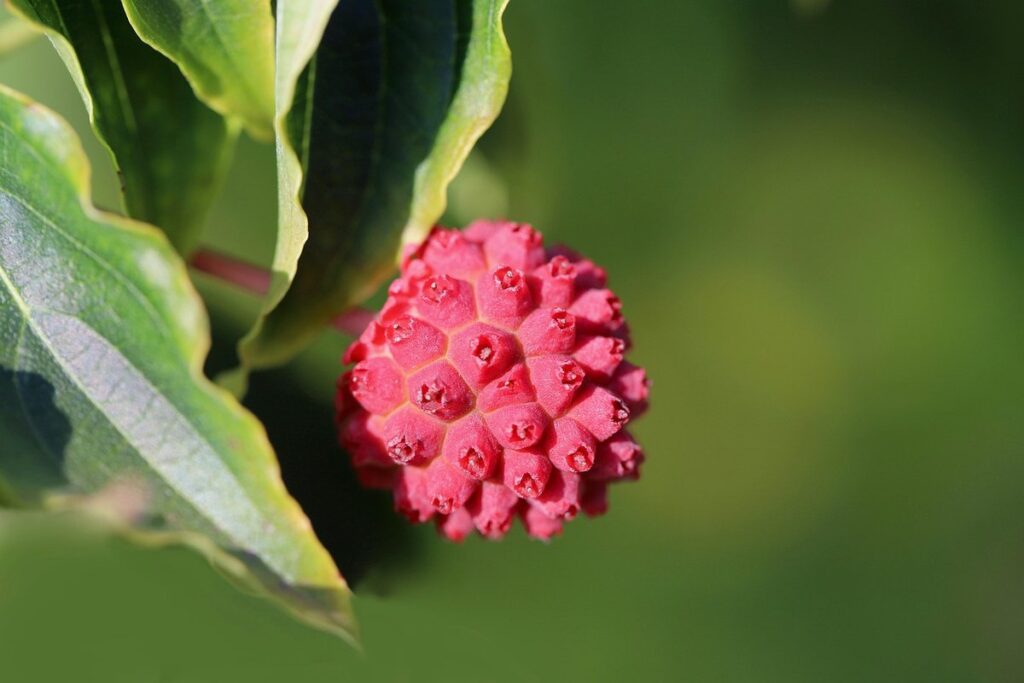
What is a Japanese Dogwood?
So, you’re curious about what exactly makes a Japanese dogwood, well, a Japanese dogwood? Let’s break down its unique characteristics and features that set it apart.
Characteristics of the Japanese Dogwood
The Japanese dogwood is a stunning ornamental tree known for its unique characteristics and low-maintenance requirements. When it comes to physical appearance, this deciduous tree typically grows between 10 to 20 feet tall, with a spread of around 15 to 25 feet wide. Its canopy is somewhat rounded, providing excellent shade without obstructing views.
The foliage of the Japanese dogwood is one of its most distinctive features. The leaves are ovate-shaped and pointed at the tip, measuring 2-5 inches long. They have serrated edges and a dark green color with a bluish tint on their underside. In autumn, they turn a brilliant red or purple hue, adding vibrant color to your landscape.
The tree’s growth habit is relatively slow, making it an excellent choice for small gardens or areas where space is limited. With proper care, the Japanese dogwood can thrive in a range of soil types and tolerate some drought conditions. Its adaptability makes it an attractive option for gardeners looking for a low-fuss yet visually striking tree.
Origins and History of Cultivation
The origins of the Japanese dogwood (Cornus kousa) can be traced back to East Asia, where it has been a prized ornamental plant for centuries. Native to China and Korea, this stunning tree was first introduced to Western horticulture in the late 19th century by European botanists. The earliest known introduction of Japanese dogwood to the West dates back to 1883, when it was imported from Japan to the United States.
Since its introduction, numerous cultivars have been developed for their unique characteristics and desirable traits. Notable cultivars include ‘Satomi’, which boasts vibrant red bracts, and ‘Kousa Dogwood‘, with its showy white flowers. When selecting a Japanese dogwood, consider factors such as mature size, growth habit, and flowering performance to ensure the best fit for your garden. With proper care and maintenance, these trees can thrive in USDA zones 5-8, providing a striking addition to any landscape. By understanding the origins of this beautiful tree, you’ll be better equipped to choose the perfect cultivar for your needs.
Growing Conditions for Japanese Dogwoods
To successfully grow Japanese dogwood, it’s essential to understand its specific needs and requirements, which we’ll dive into below. Here, you’ll learn how to provide optimal conditions for your tree’s growth and health.
Climate and Soil Requirements
Japanese dogwoods are adaptable plants that can thrive in various climates and soil conditions. However, they do have specific requirements to ensure optimal growth.
Temperature-wise, Japanese dogwoods prefer a moderate climate with temperatures ranging from -20°F to 90°F (-29°C to 32°C). They can tolerate some frost but may suffer damage if exposed to prolonged periods of extreme cold or heat. In regions with harsh winters, it’s essential to choose cultivars that are more resistant to cold temperatures.
When it comes to sun requirements, Japanese dogwoods prefer partial shade to full sun, depending on the variety. Some cultivars can tolerate as much as 4-6 hours of direct sunlight, while others may require more dappled or filtered light. It’s also worth noting that these plants can benefit from a layer of mulch around their base to retain moisture and regulate soil temperature.
In terms of moisture needs, Japanese dogwoods prefer well-drained soils but can tolerate some drought once established. However, consistent moisture will promote healthier growth and more vibrant foliage. Water them regularly during their first growing season, then reduce watering to about 1 inch per week for mature plants.
Proper care involves ensuring the soil pH is slightly acidic (around 5.5-6.5). Japanese dogwoods can grow in a range of soils but will thrive in ones rich in organic matter and with adequate nutrients.
Planting and Maintenance Tips
When planting and maintaining Japanese dogwoods, it’s essential to provide them with the right conditions to thrive. Choose a location that receives partial shade to full sun, depending on the variety, and has well-draining soil rich in organic matter. Dig a hole twice as wide and just as deep as the root ball of your tree, then gently place it inside.
Water thoroughly after planting and keep the soil consistently moist during the first year. Mulch around the base to retain moisture and suppress weeds. Prune your Japanese dogwood annually to maintain its shape and encourage new growth. Remove any dead or diseased branches, cutting them back to a lateral bud or a healthy section of stem.
Fertilize your tree in early spring with a balanced, slow-release fertilizer. This will provide essential nutrients for the growing season. Keep an eye out for pests like aphids, scale, and spider mites, and treat promptly if you notice any infestations. Regular maintenance will help your Japanese dogwood stay healthy and happy over time.
Health Benefits of Japanese Dogwoods
As you’ve come to appreciate the beauty and unique characteristics of Japanese dogwood, let’s explore its numerous health benefits that make it a valuable addition to your garden beyond aesthetics.
Medicinal Uses of the Tree
In Asian cultures, the Japanese dogwood has been used for centuries to treat various ailments due to its impressive medicinal properties. Its antiviral and antibacterial characteristics have made it a popular ingredient in traditional remedies. For instance, in Japan, a tea made from the bark of the tree is consumed to alleviate fever and flu symptoms.
In Chinese medicine, the Japanese dogwood is used to treat respiratory issues such as bronchitis and pneumonia. The antibacterial properties of the plant help combat infections, while its antiviral properties work to reduce inflammation and ease congestion. To make a traditional tea, simply steep 1-2 teaspoons of dried Japanese dogwood bark in hot water for 5-7 minutes.
When used externally, the Japanese dogwood has been shown to exhibit anti-inflammatory effects, making it an effective treatment for skin conditions such as eczema and acne. Its antimicrobial properties also make it a popular ingredient in natural wound care products. To harness its medicinal benefits, you can create a salve by infusing the bark in a carrier oil like coconut or olive oil.
By incorporating Japanese dogwood into your wellness routine, you may find relief from a range of health issues. However, consult with a healthcare professional before using any new remedies, especially if you have underlying medical conditions or are taking medications.
Modern Research and Potential Applications
Recent research has shed light on the potential health benefits of Japanese dogwood. Studies have found that this plant is rich in antioxidants and anti-inflammatory compounds, which may contribute to its potential therapeutic effects. For instance, a 2020 study published in the Journal of Ethnopharmacology discovered that extracts from Japanese dogwood exhibited significant antioxidant activity, comparable to that of well-known antioxidants such as vitamin C.
The anti-inflammatory properties of Japanese dogwood have also been investigated. A 2018 study conducted by researchers at a prestigious university found that the plant’s extracts inhibited the production of pro-inflammatory cytokines, suggesting its potential in alleviating inflammatory conditions. This research is promising, but more studies are needed to confirm these findings and explore their practical applications.
While the results are intriguing, it’s essential to note that Japanese dogwood has not been widely studied for human health benefits. As with any new supplement or treatment, consult a healthcare professional before using Japanese dogwood products. With further research and potential clinical trials, this plant may offer exciting opportunities for natural health remedies in the future.
Landscaping with Japanese Dogwoods
When it comes to incorporating Japanese dogwoods into your outdoor space, landscaping is a crucial aspect to consider for a stunning and low-maintenance look. We’ll explore how to landscape effectively with these beautiful trees.
Design Ideas for Different Settings
When it comes to incorporating Japanese dogwoods into your landscape design, there are numerous ways to create visually stunning displays. One of the most striking features of this tree is its ability to thrive in a variety of settings, from formal gardens to more informal naturalistic landscapes.
For residential landscapes, consider planting a single specimen Japanese dogwood as a focal point near an entrance or along a driveway. This creates a dramatic first impression and adds curb appeal to your property. Alternatively, plant multiple trees together to create a screen or hedge, providing year-round interest and structure to the landscape.
In commercial settings, such as parks or public gardens, groupings of Japanese dogwoods can be used to create dynamic focal points and define different areas within the space. For example, a series of three or four trees placed in a triangular formation can add visual interest and draw the eye through the garden. This design idea not only creates beauty but also provides benefits for wildlife, such as habitat creation and food sources for birds and pollinators.
Companion Planting Suggestions
When incorporating Japanese dogwoods into your landscape design, consider pairing them with complementary plants that enhance their growth habits and ornamental value. For a beautiful and harmonious display, try combining Japanese dogwoods with plants that offer contrasting textures, colors, or bloom times.
In well-draining soil, Japanese dogwoods thrive alongside plants like hostas, daylilies, and astilbe. These perennials not only provide structural interest but also help to create a layered look. For example, the broad leaves of hostas serve as a stunning backdrop for the dogwood’s showy white or pink blooms.
To add a pop of color, consider pairing Japanese dogwoods with flowering plants like coneflowers, black-eyed susans, or coral bells. These flowers bloom at different times, ensuring that there’s always something in bloom throughout the growing season. Additionally, incorporate grasses like fountain grass or pampas grass to add movement and texture to your landscape.
When selecting companion plants, remember to choose species with similar sunlight and watering requirements to ensure their optimal growth and well-being. By carefully selecting and combining plants that complement Japanese dogwoods, you can create a thriving and visually appealing garden ecosystem.
Propagation and Care of Japanese Dogwood Cuttings
To successfully propagate your Japanese dogwood, you’ll want to focus on taking healthy cuttings and providing the right conditions for root development. Proper care will ensure these new plants thrive in their first year.
Methods for Propagating Cuttings
Propagating Japanese dogwoods through stem cuttings is a popular method for gardeners to share their prized shrubs with others. To start, select healthy stems from the current season’s growth, ideally in late spring or early summer when they’re at their most vigorous. Cut the stems just above a node (where a leaf meets the stem), making sure each cutting has at least two sets of leaves. Remove lower leaves to prevent moisture loss and reduce the risk of fungal diseases.
You can also propagate Japanese dogwoods through layering, where you encourage roots to form on a branch while it’s still attached to the parent plant. This method works best for branches that are easily reachable and have some flexibility. Simply bend the selected branch down towards the ground, secure it with wire or tape, and cover the buried section with soil. Roots will develop within 2-3 months.
Grafting is another method used to propagate Japanese dogwoods, typically for high-stakes production or when specific cultivars are involved. This process involves attaching a stem cutting from one plant onto the root system of another, promoting a union between the two. With proper care and conditions, grafted plants can establish themselves quickly and fruit more reliably.
Remember to keep your cuttings, whether through stem cuttings, layering, or grafting, in a humid environment with bright, indirect light until roots develop. This usually takes anywhere from 2-6 weeks for stem cuttings.
Tips for Rooting and Establishing New Plants
When it comes to rooting and establishing new plants from Japanese dogwood cuttings, success depends on several factors. To increase your chances of successful propagation, make sure the cutting material is fresh and healthy, with at least two nodes and a small amount of stem attached. Remove lower leaves to prevent waterlogged conditions, and trim the top of the cutting to encourage branching.
To promote rooting, dip the cut end in rooting hormone powder or liquid, following the manufacturer’s instructions for application rates. Plant the cutting about 1-2 inches deep in a well-draining seed starting mix, and maintain high humidity by covering with plastic wrap or a cloche. Keep the soil consistently moist but not waterlogged, as this can lead to root rot.
Monitor your cuttings regularly, watching for signs of new growth such as leaf expansion or root development. Once established, transplant the young plants into individual pots or directly into the garden, providing full sun and well-draining soil to support healthy growth.
Common Pests and Diseases Affecting Japanese Dogwoods
As a Japanese dogwood owner, it’s essential to be aware of the common pests and diseases that can affect your tree, including spider mites and powdery mildew.
Identification and Prevention Strategies
Japanese dogwoods are susceptible to various pests and diseases that can cause significant damage if left unchecked. One of the most common issues is powdery mildew, a fungal disease characterized by white, powdery patches on leaves and stems. To prevent powdery mildew, ensure good air circulation around your Japanese dogwood by pruning nearby plants and maintaining a safe distance between trees.
Scale infestations are another concern for Japanese dogwood owners. These tiny insects feed on sap, causing curled or distorted leaves and stunted growth. Regularly inspect your tree’s stems and branches for signs of scale, and treat promptly with horticultural oil or insecticidal soap.
To prevent both powdery mildew and scale infestations, adopt a few best practices: water deeply but infrequently to encourage deep root growth, mulch around the base to retain moisture and suppress weeds, and fertilize lightly in the spring. By following these strategies, you can reduce your Japanese dogwood’s vulnerability to pests and diseases.
Prune affected areas promptly to prevent further damage, and consider implementing a integrated pest management (IPM) approach that combines cultural controls with targeted treatments. This proactive approach will help keep your Japanese dogwood healthy and thriving for years to come.
Integrated Pest Management (IPM) Techniques
Implementing Integrated Pest Management (IPM) techniques is crucial for maintaining the health and integrity of your Japanese Dogwood. IPM strategies aim to minimize chemical use while promoting ecosystem balance. To achieve this, it’s essential to adopt a holistic approach that considers multiple factors.
Start by monitoring your tree regularly for signs of pests or diseases, such as aphids, spider mites, or powdery mildew. Use visual checks and manual sampling methods to identify issues early on. Next, implement cultural controls like pruning infected branches, improving air circulation, and adjusting watering schedules.
Biological controls can also be effective, such as introducing beneficial insects like lady beetles or lacewings that prey on pests. For example, the parasitic wasp (Aphidius ervi) is a natural enemy of aphids. Consider using organic pesticides only when necessary, opting for products with low toxicity and minimal environmental impact.
Keep in mind that it’s not about eliminating every pest entirely, but rather maintaining a balance within your ecosystem. By adopting an IPM approach, you can minimize chemical use and promote the overall health of your Japanese Dogwood, ultimately reducing the risk of pest-related problems.
Conclusion: Embracing the Beauty of Japanese Dogwoods
As you’ve learned more about the unique characteristics and benefits of Japanese dogwoods, let’s take a step back to appreciate their natural beauty in your own garden. We’ll explore how to fully embrace this stunning tree’s charm.
Recap of Key Takeaways
As you wrap up this comprehensive guide on the Japanese dogwood, let’s revisit the key takeaways to ensure you’re equipped with the knowledge and confidence to grow and care for these stunning trees.
When selecting a Japanese dogwood, remember that there are three main species to choose from: Cercis siliquastrum, Cercis canadensis var. japonica, and Cercis chinensis. Each has its unique characteristics, so research and consider the specific needs of your climate and desired tree size.
To ensure healthy growth, Japanese dogwoods prefer well-draining soil with a slightly acidic pH. Mulch around the base to retain moisture and suppress weeds. Regular watering is crucial during their first year, but avoid overwatering as this can lead to disease.
Additionally, consider pruning in late winter or early spring to maintain shape and promote blooming. By following these guidelines and providing proper care, your Japanese dogwood will thrive, bringing beauty and charm to your garden for years to come.
Some key things to keep in mind: fertilize annually, provide partial shade in warmer climates, and monitor for pests like aphids and scale. With a little patience and attention, your Japanese dogwood will reward you with stunning blooms, elegant foliage, and a lifetime of enjoyment.
Encouragement to Explore Further
As you’ve gained a deeper understanding of the Japanese dogwood’s unique characteristics and benefits, we encourage you to continue exploring its many uses. Not only can these trees add stunning beauty and structure to your garden, but they also offer a multitude of practical advantages.
For instance, did you know that the Japanese dogwood’s hardy nature makes it an ideal choice for landscaping projects in challenging climates? Its ability to thrive in poor soil conditions and withstand extreme temperatures opens up possibilities for gardeners who may have previously struggled with more finicky plants. Consider incorporating Japanese dogwoods into your next gardening project or using them as a companion plant to improve the overall health of your other vegetation.
If you’re feeling adventurous, why not try experimenting with different pruning techniques to reveal new textures and shapes in your Japanese dogwood’s foliage? By exploring the unique properties and possibilities of this tree, you’ll unlock even more creative potential for your garden.
Frequently Asked Questions
Can I grow Japanese dogwood in a container?
Yes, with proper care, Japanese dogwood can thrive in containers. However, ensure the pot is at least 24 inches deep to accommodate its extensive root system. Use a well-draining potting mix and keep the soil consistently moist during the first year after planting. As the tree matures, reduce watering to once a week.
How long does it take for Japanese dogwood to produce flowers?
Japanese dogwood typically produces showy white or pink flowers in late spring to early summer, around 3-5 years after planting. However, factors like climate, soil quality, and pruning practices can influence flowering times. To promote blooming, provide adequate sunlight (at least 6 hours a day) and maintain a regular watering schedule.
Can Japanese dogwood be used for hedging or screening?
Yes, Japanese dogwood’s compact growth habit makes it an excellent choice for hedges, screens, or borders. It can tolerate pruning well and responds by producing more vigorous growth. Regularly prune the tree to maintain desired shapes and sizes, ensuring a neat appearance throughout the growing season.
How do I protect my Japanese dogwood from extreme weather conditions?
To shield your Japanese dogwood from extreme weather conditions, plant it in a location that provides some protection from strong winds or direct sunlight during intense heatwaves. Regularly inspect the tree for signs of damage and prune any broken branches to prevent further stress. Apply a layer of organic mulch around the base to retain moisture and suppress weeds.
Can I propagate Japanese dogwood using seed?
While it’s technically possible to propagate Japanese dogwood from seed, this method is not recommended due to inconsistent results and potential loss of desirable traits. Instead, use stem cuttings or grafting techniques to reproduce the tree, which will result in more reliable outcomes and maintain the tree’s unique characteristics.