
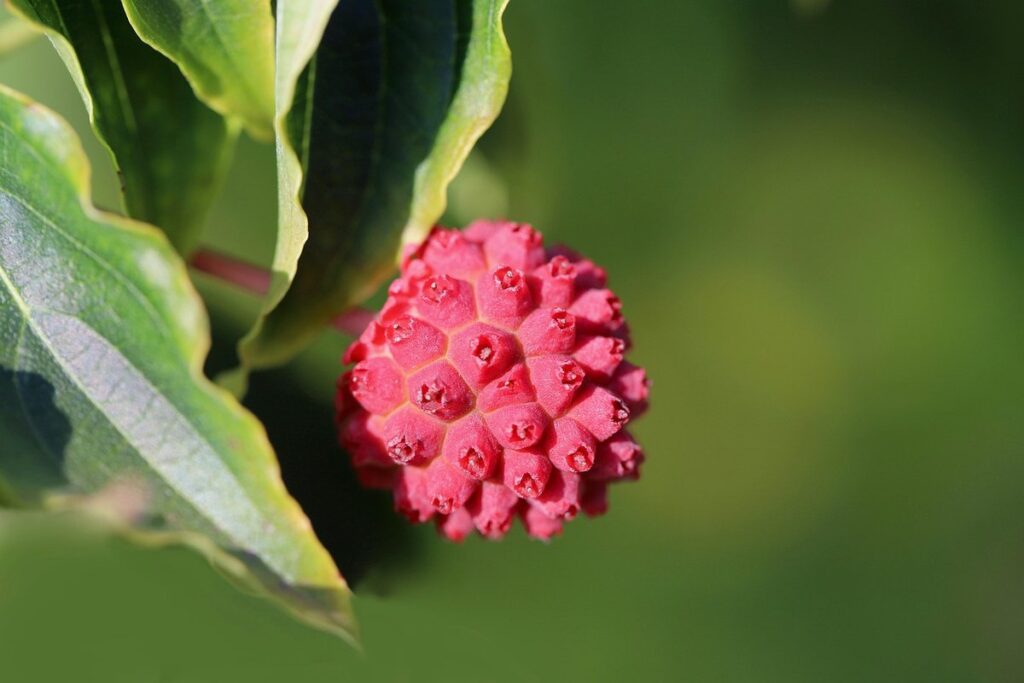
If you’re looking for a stunning addition to your garden or landscape, look no further than the Japanese Dogwood tree. This versatile and beautiful tree is not only a feast for the eyes but also offers numerous benefits that make it an excellent choice for many gardeners. With its showy white or pink flowers, attractive foliage, and vibrant berries, the Japanese Dogwood is a true standout in any outdoor space. But what makes this tree truly special? For one, it’s incredibly easy to care for, making it perfect for beginners. In this article, we’ll explore how to grow and care for your Japanese Dogwood tree, from ideal climate and soil conditions to pruning and maintenance techniques. We’ll also delve into its ornamental value, wildlife attraction, and potential medicinal uses, so you can make the most of this incredible tree.
Introduction to Japanese Dogwood Trees
If you’re considering planting a Japanese dogwood tree, let’s start by covering the basics of what these stunning trees have to offer and why they’re a popular choice. We’ll explore their unique characteristics.
What is a Japanese Dogwood Tree?
The Japanese Dogwood tree, also known as Cornus kousa, is a stunning deciduous shrub native to East Asia. Its origins can be traced back to the mountainous regions of China and Korea, where it thrived in cool, moist climates. This beautiful tree has gained immense popularity among gardeners due to its unique characteristics.
One of the key reasons why Japanese Dogwood trees are sought after is their striking flowers. In late spring, they produce showy white or pink bracts that surround small yellow centers, creating a breathtaking display of color. These flowers attract pollinators and hummingbirds, adding to the tree’s charm.
Japanese Dogwood trees are also prized for their attractive foliage and adaptable growth habits. They can grow up to 20 feet tall, making them an excellent choice for compact gardens or hedges. With proper care, they can thrive in a variety of conditions, including full sun to partial shade and well-drained soils. Whether you’re a seasoned gardener or a beginner, the Japanese Dogwood tree is definitely worth considering for its stunning beauty and versatility.
History and Cultural Significance
The history of the Japanese Dogwood tree dates back centuries to Japan, where it’s deeply rooted in the country’s culture and traditions. In traditional Japanese gardens, this stunning tree is often prized for its unique beauty and symbolic significance. For instance, the Katsura Tree (also known as Cercidiphyllum japonica) shares a similar appearance with the Japanese Dogwood but has different growth habits.
In Japan, the Japanese Dogwood holds a special place in Shinto and Buddhist traditions. Its blossoms are often associated with springtime renewal and new beginnings. During the Cherry Blossom Festival (Hanami), many people visit gardens featuring Japanese Dogwood trees to appreciate their stunning beauty. This tradition dates back centuries and is still celebrated today.
When incorporating the Japanese Dogwood into your own garden, consider its cultural significance. Plant it in a location where its delicate blossoms can be admired from various angles. The tree’s unique shape also makes it an excellent choice for narrow spaces or as a focal point in larger gardens.
Growing Conditions and Care
To ensure your Japanese Dogwood Tree thrives, let’s dive into the specifics of its growing conditions and care requirements. This includes ideal climates, watering needs, and more.
Climate and Soil Requirements
When it comes to growing a Japanese Dogwood tree, understanding its ideal climate and soil conditions is crucial for optimal growth. This stunning ornamental tree thrives in temperate climates with moderate temperatures. It prefers well-draining acidic soils with a pH between 5.5 and 6.5. Avoid planting in areas prone to waterlogging, as this can lead to root rot.
Japanese Dogwoods require full sun to partial shade, depending on the specific variety. Aim for at least six hours of direct sunlight per day to promote healthy growth and vibrant foliage. In hotter climates, consider providing afternoon shade to prevent scorching. Temperature-wise, Japanese Dogwoods prefer temperatures between 35°F and 75°F (-1°C and 24°C), making them a great choice for USDA zones 5-8.
To ensure your tree’s soil drains properly, mix in compost or perlite during planting. Monitor the site for proper drainage by checking if water puddles or takes more than 30 minutes to soak into the ground. With these climate and soil conditions met, you’ll be well on your way to growing a thriving Japanese Dogwood tree that will bring beauty and character to your landscape for years to come.
Watering and Fertilization Needs
Watering and fertilization are crucial aspects of maintaining a healthy Japanese Dogwood tree. When it comes to watering, the frequency depends on weather conditions. During hot summer months, the tree will require more frequent watering, whereas cooler periods allow for less frequent watering. A general rule of thumb is to water your Japanese Dogwood tree once or twice a week during dry spells.
Fertilization requirements are also critical to promote healthy growth and vibrant blooms. Use an acidic fertilizer specifically formulated for dogwoods (pH 5.0-6.0) in early spring when new growth appears. A balanced fertilizer with equal N-P-K ratio (10-10-10) can be applied after blooming has finished, usually in late summer or early fall.
Pruning techniques are essential to maintain the tree’s shape and promote healthy growth. Prune your Japanese Dogwood tree annually by removing dead or damaged branches, cutting back overgrown stems, and shaping the canopy to maintain an open center. Be cautious not to remove more than one-third of the tree’s foliage in a single season, as this can cause stress.
Aim to fertilize every 6-8 weeks during the growing season, taking care not to over-fertilize which may damage the tree’s roots and lead to disease issues.
Types of Japanese Dogwood Trees
There are several varieties of Japanese dogwood trees, each with its own unique characteristics and growth habits. Let’s explore some of the most popular types.
Varieties and Their Characteristics
When it comes to the varieties of Japanese Dogwood trees, there are several options to consider. One popular variety is ‘Satomi’, known for its vibrant pink flowers that bloom in late spring and attract hummingbirds and butterflies to the garden. This compact tree grows up to 8 feet tall with a spread of around 6-8 feet, making it an excellent choice for small spaces.
Another variety, ‘Summer Snow’, produces white flowers that appear in early summer and remain on the branches throughout the season, providing a beautiful display of color. This tree is slightly taller than ‘Satomi’, growing up to 10 feet tall with a spread of around 8-10 feet.
For those looking for something a bit more unique, ‘Kagiri Nishiki’ is a striking variety that produces white flowers with a hint of pink, giving it a delicate, almost ethereal appearance. This tree grows slowly, reaching heights of up to 15 feet tall with a spread of around 12-15 feet.
When choosing a Japanese Dogwood tree, consider the space you have available and the level of maintenance you’re willing to commit to.
Choosing the Right Variety for Your Garden
When choosing the right variety of Japanese dogwood tree for your garden, it’s essential to consider several factors. Climate is a crucial consideration, as some varieties thrive in hot and humid conditions while others prefer cooler temperatures. If you live in an area with extreme heatwaves or cold snaps, look for varieties that are tolerant of such conditions.
Soil type is another critical factor. Japanese dogwood trees generally prefer well-draining soil, but some varieties can tolerate wetter soils than others. For example, ‘Appalachian Spring’ and ‘Kleine’s Bell’ are good options for areas with clay-rich soils. On the other hand, ‘Red Beauty’ prefers slightly acidic soils.
Finally, consider the mature size of the tree to ensure it fits within your garden’s available space. Some varieties can grow quite large, while others remain compact. For a smaller garden, consider dwarf or semi-dwarf varieties like ‘Compacta’ or ‘Moonlight’. By taking these factors into account, you can select a Japanese dogwood variety that thrives in your specific climate and soil conditions.
Pests and Diseases: Prevention and Treatment
As a Japanese Dogwood Tree owner, it’s essential to know how to prevent and treat common pests and diseases that can affect your tree. We’ll walk you through the most effective methods for keeping your dogwood healthy and thriving.
Common Pests Affecting Japanese Dogwood Trees
Japanese Dogwood trees are prone to infestations by various pests that can weaken their health and reduce their ornamental value. Among the most common pests affecting these trees are aphids, scale insects, and spider mites.
Aphids are small, soft-bodied insects that feed on plant sap, causing curled or distorted leaves. They can also transmit plant viruses. To control aphid infestations, inspect your tree regularly for signs of aphid activity. Use a strong jet of water to dislodge them from the tree, followed by an application of insecticidal soap or neem oil.
Scale insects are armored pests that secrete honeydew, attracting ants and promoting the growth of sooty mold. They can be difficult to control, but applying horticultural oil or insecticidal soap directly to infested areas can help. Regular pruning of affected branches is also essential to prevent further damage.
Spider mites are tiny arachnids that feed on plant sap, causing yellowing or bronzing of leaves. To manage spider mite populations, maintain good air circulation around your tree and ensure it receives adequate water. Use a fine mist spray with neem oil or insecticidal soap to control infestations.
Regular monitoring of your Japanese Dogwood tree for signs of pest activity is crucial to prevent infestations from getting out of hand.
Fungal Diseases and Their Control
Japanese dogwood trees are susceptible to various fungal diseases that can cause significant damage if left unattended. Powdery mildew, leaf spot, and root rot are some of the most common fungal infections affecting these trees. Powdery mildew typically manifests as a white, powdery coating on leaves, while leaf spot causes small, circular lesions with a reddish-brown color. Root rot is often characterized by discolored or soft roots.
To prevent fungal diseases, it’s essential to maintain good air circulation around your Japanese dogwood tree. This can be achieved by pruning surrounding foliage and keeping the area around the base of the tree clear. Regular watering and fertilization practices should also focus on providing adequate moisture without overwatering.
When treating existing infections, start with removing any affected leaves or branches to prevent the spread of disease. Then, apply a fungicide specifically designed for ornamental trees according to the product’s instructions.
Pruning and Maintenance
To keep your Japanese dogwood tree healthy and thriving, regular pruning and maintenance are crucial tasks that require some planning and attention to detail. This includes strategies for shaping the tree’s canopy and removing unwanted growth.
Why Prune a Japanese Dogwood Tree?
Pruning is an essential aspect of maintaining a healthy and thriving Japanese Dogwood tree. By pruning regularly, you not only promote vigorous growth but also enhance the tree’s appearance, making it a stunning focal point in your landscape.
When left unpruned, a Japanese Dogwood can become leggy and overgrown, leading to weak branches that are more susceptible to disease and pests. Regular pruning helps maintain a strong, balanced structure by removing dead, diseased, or damaged branches, promoting healthy growth from the center of the tree. This is particularly important for Japanese Dogwoods, as they tend to grow quite large if not pruned.
To prune your Japanese Dogwood effectively, focus on removing any crossing or rubbing branches, as well as those growing towards the interior of the tree. Cut back branches that are too long, and thin out dense areas to allow air and light to penetrate. Prune during the dormant season, typically in late winter or early spring, when the tree is less active and more responsive to pruning.
By incorporating regular pruning into your maintenance routine, you’ll be rewarded with a stunning Japanese Dogwood tree that thrives for years to come.
Techniques for Pruning Different Parts of the Tree
Pruning different parts of the Japanese dogwood tree requires attention to detail and understanding of its unique needs. When shaping the tree, focus on maintaining a balanced structure with an open center. This allows sunlight to penetrate the foliage and encourages healthy growth.
To prune branches, start by removing any dead or damaged wood, as this can compromise the tree’s overall health. Cut these sections at a 45-degree angle just above a bud or lateral branch, using clean, sharp pruning tools to prevent spreading disease. Thin out select branches to enhance air circulation and promote even growth.
Stem pruning involves cutting back stems to maintain a desired height or shape. For Japanese dogwood, cut back the longest stems by one-third to encourage branching and promote flowering. Remove any weak or spindly growth to maintain a strong structure.
Root pruning is less common but essential for container-grown trees. Gently loosen the roots with a fork or knife to increase water uptake and prevent root bound conditions. This will help your Japanese dogwood thrive in containers or smaller spaces.
Benefits and Uses of Japanese Dogwood Trees
If you’re considering adding a Japanese Dogwood Tree to your landscape, understanding its benefits and uses is essential for optimal enjoyment. This section explores its many practical applications.
Ornamental Value and Wildlife Attraction
Japanese Dogwood trees are highly valued for their ornamental qualities, making them an excellent choice as specimen plants or hedges. Their showy white, pink, or red flowers, which bloom in late spring to early summer, add a pop of color and beauty to any landscape. The flowers are not only aesthetically pleasing but also attract pollinators like bees and butterflies, who are drawn to the tree’s nectar-rich blooms.
As a wildlife-friendly plant, Japanese Dogwood trees provide berries that serve as a food source for birds, particularly cedar waxwings and robins. These berries are an excellent addition to any birdwatcher’s garden, offering a unique opportunity to observe these beautiful creatures up close.
To maximize the ornamental value of your Japanese Dogwood tree, consider planting it in a location where its showy flowers can be fully appreciated. You can also prune the tree regularly to maintain its shape and promote healthy growth. By incorporating this stunning tree into your landscape, you’ll not only enjoy its beauty but also create a haven for local wildlife.
Medicinal and Dye Properties
In addition to its ornamental value and ecological significance, the Japanese Dogwood tree also boasts some impressive medicinal properties. The bark of this tree has been used for centuries in traditional medicine to treat a variety of ailments. It’s rich in anthraquinones, which have anti-inflammatory and antimicrobial properties, making it effective in treating digestive issues such as diarrhea, constipation, and even certain types of cancer.
The berries of the Japanese Dogwood tree are also valued for their medicinal properties. They’re packed with vitamins A and C, potassium, and fiber, making them a nutritious addition to a healthy diet. In traditional Chinese medicine, the berries are used to treat fever, rheumatism, and other inflammatory conditions. The berries can be consumed raw or dried, and can also be made into teas and infusions.
Interestingly, the Japanese Dogwood tree’s bark can also be used as a natural dye source. The tannins present in the bark give it a rich brown color, making it ideal for dyeing fabrics, paper, and other materials. This property has been utilized by traditional craftspeople to create beautiful textiles and other decorative items.
If you’re interested in using the Japanese Dogwood tree’s medicinal properties or natural dye potential, there are several ways to do so. You can dry the bark and berries to preserve them for later use, or infuse them in a carrier oil to create a medicated topical treatment. For natural dyeing, simply boil the bark in water and then soak your materials in the resulting liquid to achieve the desired color.
Conclusion
Now that you’ve learned all about the Japanese Dogwood tree, let’s summarize the key takeaways and see how it can fit into your garden.
Recap of Key Points
In conclusion to our comprehensive guide on the Japanese Dogwood tree, let’s recap the key points that will help gardeners interested in growing this beautiful tree. As we’ve covered extensively throughout the article, Japanese Dogwood trees (Cornus kousa) are a popular ornamental tree known for their stunning white or pink bracts and ability to thrive in a variety of conditions.
One of the main takeaways is understanding the ideal growing conditions for Japanese Dogwood trees. They prefer well-drained acidic soil with a pH between 5.5 and 6.5, making them suitable for gardens with acidic soils like those found in pine or oak woodlands. It’s essential to plant them in an area that receives partial shade to full sun, depending on your climate.
When selecting a Japanese Dogwood tree, consider factors such as size, growth habit, and foliage color. Some popular cultivars include ‘Satomi’, ‘Wolf Moon’, and ‘Kagayaki’, each offering unique characteristics like compact growth or vibrant red fall color. Be sure to choose a variety that suits your garden’s specific needs.
In terms of care, Japanese Dogwood trees require regular watering during their first year after planting, but become relatively drought-tolerant once established. Pruning is also essential for maintaining the tree’s shape and promoting healthy growth. Prune in late winter or early spring, removing any dead, diseased, or damaged branches.
Some additional key points to keep in mind include:
* Japanese Dogwood trees can be grown as a specimen tree, hedge, or screen
* They are relatively low-maintenance, but may require occasional fertilization and pest control
* The tree’s bark is attractive year-round, with exfoliating bark adding winter interest
By following these guidelines and understanding the unique characteristics of Japanese Dogwood trees, gardeners can successfully grow this stunning ornamental in their own gardens.
Frequently Asked Questions
Can I grow a Japanese Dogwood tree in containers?
Yes, you can grow a Japanese Dogwood tree in containers, but make sure the pot is at least 12-18 inches deep to accommodate its extensive root system. Use a well-draining potting mix and a large container with good drainage holes to prevent waterlogged soil.
How long does it take for a Japanese Dogwood tree to produce berries?
It may take several years, typically between 3-5 years after planting, for a Japanese Dogwood tree to start producing berries. However, the frequency and quantity of berries will increase as the tree matures. This patience is worth it, as the vibrant berries add an extra layer of beauty and attract wildlife to your garden.
Can I plant multiple Japanese Dogwood trees together?
Yes, you can plant multiple Japanese Dogwood trees together, but make sure to leave enough space between them (about 10-15 feet) for proper growth and air circulation. Planting multiple trees in a group can create a stunning display of flowers and foliage, adding more visual interest to your garden.
What are some common pests that affect Japanese Dogwood trees?
Some common pests affecting Japanese Dogwood trees include aphids, spider mites, and scale insects. Regularly inspect your tree for signs of infestation, such as yellowing leaves or sticky sap, and use integrated pest management techniques to control any issues that arise.
How often should I prune a Japanese Dogwood tree?
Prune your Japanese Dogwood tree annually to maintain its shape and promote healthy growth. Prune in late winter or early spring, removing any dead, diseased, or damaged branches. Also, consider pruning after flowering to maintain the tree’s natural shape and encourage new growth.