
If you’re raising Jersey Giant chickens for their rich, large eggs, you might be wondering about the variety of colors you can expect from your flock. The truth is that egg color in these magnificent birds isn’t just a matter of aesthetics – it’s also influenced by genetic factors and breeding strategies. While some chicken keepers might be content with brown or white eggs, others are seeking to produce blue, speckled, or even pink eggs. But what determines the color of your Jersey Giant chicken‘s eggs? How can you breed for specific colors, and what health considerations do you need to bear in mind? In this article, we’ll delve into the world of egg color genetics and explore how to maximize production while keeping your flock healthy and happy.
Introduction to Jersey Giant Chickens
Welcome to our guide on Jersey Giant chicken egg color! Here, we’ll introduce you to the characteristics and traits of these gentle giants.
Origins and History of the Breed
The Jersey Giant chicken breed has a rich and fascinating history that dates back to the late 19th century. Developed by William Tripp of New Jersey, USA, this massive bird was bred specifically for its size and gentle disposition. Initially, the goal was to create a larger version of the Cochin breed, which had become popular among American farmers due to its hardiness and good egg-laying abilities.
Tripp’s experiment involved crossing various breeds, including Orpingtons, Brahma, and Cochin chickens, to achieve the desired size and temperament. The resulting birds were indeed massive, with roosters weighing up to 13 pounds and hens reaching 9-10 pounds in weight. However, their egg-laying abilities were somewhat compromised due to their large size.
Despite this trade-off, the Jersey Giant quickly gained popularity among farmers for its impressive size and gentle nature. Today, this breed is prized not only for its stunning appearance but also for its friendly and docile personality, making it an excellent choice for families with children or for those who want a low-maintenance pet chicken.
Overview of the Breed’s Characteristics
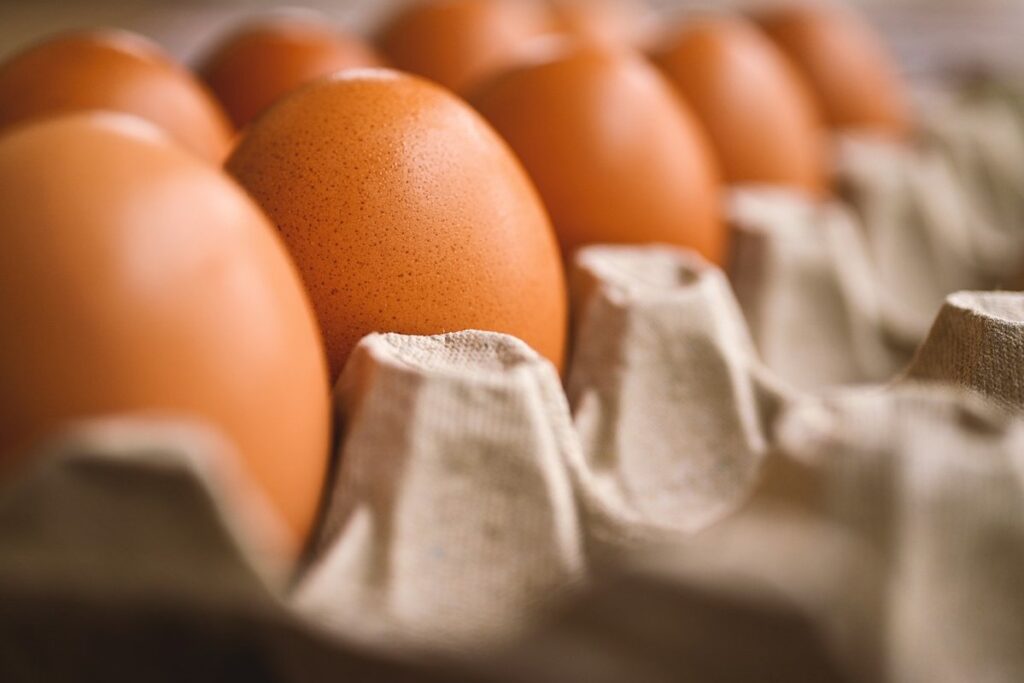
The Jersey Giant is one of the largest chicken breeds, with roosters weighing up to 13 pounds and hens reaching 10-12 pounds. Their massive size is not just a visual trait; it’s also reflected in their impressive egg-laying capabilities. Hens can produce an average of 200 large brown eggs per year.
In terms of temperament, Jersey Giants are known for being friendly and docile. They’re often described as gentle giants, making them an excellent choice for families with children or for those who want a low-maintenance pet. Their calm nature also means they’re less likely to be aggressive towards other pets in the household.
One of the key characteristics that define the Jersey Giant breed is their egg-laying ability. While their eggs are large and brown, it’s worth noting that individual birds may vary in terms of production. Some hens may produce more or fewer eggs than others, depending on factors such as diet, living conditions, and overall health.
When considering bringing a Jersey Giant into your flock, keep in mind that they require plenty of space to roam and exercise. A large coop with adequate ventilation and a secure enclosure are essential for their well-being. With proper care and attention, these gentle giants can thrive and provide you with an abundance of fresh eggs.
Egg Color Variations in Jersey Giants
If you’re curious about the different egg color possibilities from your Jersey Giant flock, you’ll want to know that these birds can lay a range of colors including white and brown.
Genetic Factors Influencing Egg Color
The genetic factors that influence egg color in chickens are fascinating and play a significant role in determining the range of colors found in Jersey Giants. To understand this complex process, it’s essential to grasp the basics of genetics.
In simple terms, genes are units of heredity passed from parents to their offspring. Each gene has specific traits associated with it, and when two or more genes interact, they can produce various combinations that result in different egg colors. The genetics behind egg color is primarily controlled by two types of genes: the B locus (barring) and the A locus (antibarred).
These genes come in dominant and recessive forms. For example, the gene responsible for brown eggs is dominant, while the gene for blue or green eggs is recessive. When a chicken inherits a dominant gene from its parents, it will express that trait; however, if it inherits two copies of the recessive gene (one from each parent), it will also exhibit the recessive trait.
Understanding these genetic principles helps breeders predict the egg color of their Jersey Giant chicks. By choosing specific breeding pairs with known genetics, they can increase the chances of hatching eggs in a desired color range. This knowledge is particularly useful for those interested in raising chickens for specific egg colors or breeds.
The Role of Pigmentation in Eggshell Color
When it comes to the vibrant colors of Jersey Giant eggs, pigmentation plays a crucial role. But have you ever wondered what makes those stunning hues possible? The answer lies in melanin, a type of pigment responsible for coloring eggshells. There are two primary types of melanin: eumelanin and pheomelanin.
Eumelanin is responsible for brown and black colors, while pheomelanin produces red and yellow tones. When these pigments combine in different proportions, they create a wide range of colors. For example, a high concentration of eumelanin results in dark-brown eggs, whereas a mix of both melanins can produce rich, reddish-brown hues.
Interestingly, the genetics of Jersey Giants allow for varying levels of melanin production, resulting in an array of eggshell colors. Breeders can also influence pigmentation through careful selection and breeding practices. By understanding how pigmentation affects egg color, you’ll be better equipped to predict and potentially even produce the unique coloration you desire in your flock.
Blue Eggs from Jersey Giants: A Closer Look
For many chicken enthusiasts, nothing beats the excitement of cracking open a blue egg from their prized Jersey Giant flock. Let’s take a closer look at the fascinating world of blue eggs from these gentle giants.
What Causes Blue Eggs?
So, you’ve got some Jersey Giants that are laying blue eggs and you’re wondering what’s behind this unique trait. Well, let me tell you, it all comes down to genetics and biochemistry.
It turns out that the eggshell color is determined by the presence of a pigment called porphyrin, which is produced in the hen’s oviduct. The amount and type of porphyrin present will determine the final color of the eggshell. In the case of blue eggs, it’s thought that a specific combination of genetic traits allows for an overproduction of biliverdin, a byproduct of porphyrin breakdown, which gives the eggs their characteristic blue tint.
Interestingly, blue eggs are relatively rare in chickens because they require a specific genetic predisposition. This is why you won’t typically see blue eggs from just any breed – only certain breeds like Araucanas and Ameraucanas have this trait built-in. However, some crossbreeding can also introduce the necessary genes to produce blue eggs.
As an owner of Jersey Giants that lay blue eggs, it’s essential to understand that this color variation is purely a result of genetics and not influenced by diet or environmental factors. So, if you’re looking to encourage your girls to keep laying those beautiful blues, just make sure they have a healthy and balanced lifestyle!
Tips for Encouraging Blue Egg Production
To maximize the chances of blue egg production in your Jersey Giant flock, it’s essential to create an environment that supports this trait. First and foremost, ensure you’re breeding true-blue laying hens. If you’ve inherited a flock with some blue eggs but also plenty of brown or green ones, separate the blue-egg layers to maintain their genetic integrity.
Feed your hens a balanced diet rich in calcium and phosphorus, as these minerals are crucial for eggshell formation. A layer feed specifically formulated for large breeds like Jersey Giants will provide the necessary nutrients. Also, provide ample access to fresh water and make sure they’re getting enough vitamin D3 through natural sunlight or supplements.
Another key factor is providing a stress-free environment. Stress can cause hens to stop laying altogether, let alone produce blue eggs. Make sure your coop is clean, well-ventilated, and protected from predators. Also, consider introducing enrichment activities like foraging toys or scratching posts to keep your girls stimulated and engaged.
Other Colors and Patterns: White, Brown, and Speckled Eggs
While Jersey Giants are primarily associated with brown eggs, they can also lay white, brown, and even speckled eggs due to various factors influencing their eggshell color. Let’s take a closer look at these less common colors.
How White, Brown, and Speckled Eggs Differ from Blue Eggs
When it comes to Jersey Giant chicken eggs, blue eggs are often the most sought-after due to their unique color. However, other egg colors like white, brown, and speckled also exist within this breed. If you’re interested in breeding or raising Jersey Giants for specific egg traits, understanding how these colors differ from blue is crucial.
White eggs, on the other hand, are produced by chickens that lack pigmentation in their shells. This can be due to genetics or environmental factors like diet and nutrition. For example, a study found that hens fed with a diet high in omega-3 fatty acids produced eggs with improved shell quality and reduced porosity.
Brown eggs owe their color to the production of protoporphyrin, a pigment found in the hen’s body. The amount and distribution of this pigment determine the intensity of the brown hue. Speckled eggs contain small amounts of melanin, which can also contribute to other colors like blue or green.
Breeding Strategies for Desired Egg Colors
When breeding Jersey Giants for desired egg colors, it’s essential to understand the complexities of genetics involved. This requires a solid knowledge of poultry genetics and breeding practices. Jersey Giant eggs come in various shades of brown, from light cream to dark chocolate, with or without speckles.
To breed for specific egg colors, you’ll need to identify the underlying genetic factors controlling these traits. For instance, the production of the brown pigment phaeomelanin is influenced by multiple genes. To increase the chances of producing lighter-brown eggs, select breeding stock that exhibits these characteristics and breed them together.
Another crucial aspect is choosing breeds that complement your desired egg color. For example, if you want to produce speckled eggs, crossing a Jersey Giant with another breed known for its speckling trait can enhance the likelihood of this characteristic being passed on to offspring.
Breeding for specific traits requires patience and a long-term commitment to selective breeding. It’s essential to keep detailed records of your breeding stock and track the egg colors produced by each generation. This information will help you refine your breeding program over time, increasing the chances of achieving your desired egg color.
Health Considerations and Nutrition
When collecting Jersey Giant chicken eggs, it’s essential to consider your health and nutrition. This includes tips on safe handling, egg storage, and what to expect when it comes to nutritional benefits.
The Impact of Diet on Egg Color and Quality
When it comes to egg color and quality, many backyard chicken owners may not realize that their hens’ diet plays a significant role. A hen’s dietary habits can affect the color, size, and even taste of her eggs. This is because the pigments responsible for eggshell color come from the hens’ diet.
A diet rich in beta-carotene, such as leafy greens and sweet potatoes, will produce darker yolks and may influence the eggshell’s brown or reddish tint. On the other hand, a diet with more grains like oats and wheat tends to produce lighter-colored eggs. The quality of the hen’s overall health is also closely tied to her diet.
To optimize your Jersey Giant hens‘ diets for better egg color and quality:
* Provide a balanced mix of fruits, vegetables, and whole grains
* Ensure access to fresh water at all times
* Offer calcium supplements or crushed eggshells to support strong bone growth
A well-planned diet will not only produce healthier eggs but also contribute to your hens’ overall well-being.
Common Health Issues in Jersey Giants and Their Relation to Egg Production
When it comes to Jersey Giants, several common health issues can impact egg production and even affect the color of their eggs. One such issue is parasitic infections, which can be caused by internal parasites like worms, protozoa, or external parasites like mites and lice. These infections can lead to reduced egg production, weight loss, and poor overall health in your birds.
Nutritional deficiencies are another potential concern for Jersey Giants. A lack of essential nutrients like calcium, phosphorus, and vitamin D3 can affect eggshell quality and color. For instance, a calcium deficiency can cause weak or brittle eggshells, which may crack easily and affect the appearance of the egg white and yolk.
To prevent these issues, make sure to provide your Jersey Giants with a balanced diet that includes plenty of fresh fruits and vegetables, high-quality commercial feed, and supplements as needed. It’s also essential to maintain good flock hygiene by regularly cleaning their coop and providing clean water and feeders.
Regular health checks are crucial for identifying potential health concerns early on. Consult with a veterinarian experienced in poultry care to develop a health plan tailored to your Jersey Giants’ needs.
Conclusion: Raising Healthy Jersey Giant Chickens for Exceptional Eggs
Now that you’ve learned about the fascinating world of Jersey Giant chicken egg color, let’s discuss how to raise these magnificent birds for truly exceptional eggs.
Recap of Key Points and Takeaways
As we conclude our comprehensive guide to Jersey Giant chicken egg color, let’s recap the key points and takeaways for you. If you’re interested in raising healthy, productive Jersey Giants that deliver exceptional eggs, here are the main points to remember:
Jersey Giant chickens are known for their large, dark brown eggs, which can range from chocolate to slate gray in color due to genetic variations. To ensure your girls produce these stunning eggs, provide them with a balanced diet rich in protein and calcium, and make sure they have access to fresh water at all times.
A healthy environment is also crucial, so ensure your coop is well-ventilated, dry, and protected from predators. With proper care, your Jersey Giants can live up to 10 years or more, producing an average of 200-220 large eggs per year.
Remember, individual egg color may vary, but with attention to nutrition and health, you’ll be rewarded with a steady supply of exceptional eggs. By applying these takeaways, you’ll be well on your way to raising happy, healthy Jersey Giants that bring joy to your family or customers for years to come.
Final Tips for Success with Your Flock
As you’ve learned throughout this comprehensive guide, raising Jersey Giant chickens for exceptional eggs requires dedication and attention to detail. To maintain a thriving flock and ensure optimal egg production, it’s essential to implement best practices for coop management and health monitoring.
Firstly, regularly clean the coop to prevent the buildup of bacteria and parasites that can harm your birds. A general rule of thumb is to remove soiled bedding every two weeks and replace it with fresh pine shavings or straw. This will also help keep your eggs clean by minimizing the risk of contamination.
In addition to maintaining a clean coop, monitor your flock’s health closely. Keep an eye out for signs of stress, such as changes in appetite or droppings, and take prompt action if you notice any unusual behavior. You should also establish a routine for vaccinations and parasite control to prevent common issues like mites and lice.
To further optimize egg production, provide your Jersey Giants with a balanced diet rich in calcium and protein. A good starting point is to offer them commercial layer feed supplemented with fresh vegetables and fruits.
Frequently Asked Questions
Can I breed Jersey Giant chickens specifically for blue egg production if they are already laying brown or white eggs?
While it’s challenging to change the egg color of an existing flock, you can start selecting birds that lay blue eggs and focus on breeding them. This process may take several generations, but with careful selection and mating strategies, you can increase the likelihood of producing blue-egged offspring.
How do I ensure my Jersey Giant chickens are receiving a balanced diet that promotes healthy egg color and production?
A well-balanced diet is essential for maintaining your flock’s overall health. Ensure they have access to high-quality feed rich in protein, calcium, and other essential nutrients. Additionally, consider supplementing their diet with omega-3 fatty acids, which can positively impact eggshell color.
What are some common health issues that can affect Jersey Giant chicken egg production?
As with any large breed, Jersey Giants may be prone to certain health issues like heart problems, leg disorders, and reproductive issues. Regular veterinary check-ups, a balanced diet, and proper living conditions can help mitigate these risks.
How long does it take for Jersey Giant chickens to reach full egg-laying capacity?
Jersey Giants typically start laying eggs at around 18-24 weeks of age, but their production will peak between 2-3 years. Factors like nutrition, genetics, and overall health can influence this timeline.
Can I crossbreed other chicken breeds with my Jersey Giant flock to create a new egg color or pattern?
Yes, you can experiment with crossbreeding to introduce new traits, including egg colors. However, be aware that this can also lead to unpredictable results, and the success of your breeding program will depend on various factors like genetics, nutrition, and management practices.