
Are you considering bringing home some impressive feathered friends? If so, you’re likely curious about the unique characteristics of Jersey Giant chickens. One of their most notable features is their size – these birds are truly massive! In fact, they’re one of the largest breeds around, with roosters weighing in at up to 13 pounds and hens reaching 10 pounds or more. But size isn’t everything when it comes to this popular breed. With their gentle nature and impressive stature, Jersey Giants make great additions to many backyard flocks. In this article, we’ll delve into the specifics of Jersey Giant chicken size, as well as their care requirements and unique characteristics. Whether you’re an experienced poultry enthusiast or just starting out, keep reading to learn more about these amazing birds!
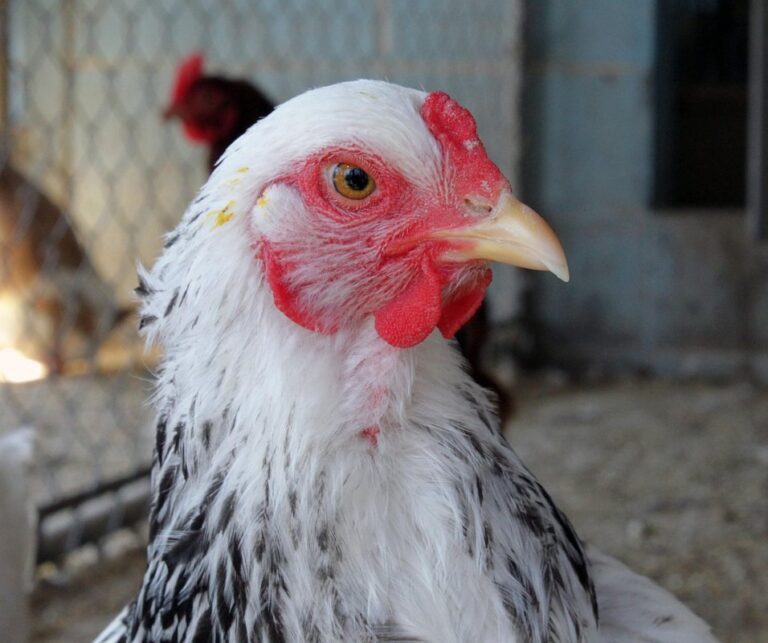
What is a Jersey Giant Chicken?
The Jersey Giant chicken is one of the largest breeds of domestic chickens, known for its massive size and impressive frame. Let’s dive into what makes these birds so big.
Origin and History of the Breed
The Jersey Giant chicken breed has an intriguing history that dates back to 1895 when it was developed by Edmund Merritt in New Jersey. Interestingly, the breed was not created to be a giant, but rather as a result of selective breeding for desirable traits such as size and egg-laying ability. Merritt aimed to create a bird that could withstand the harsh climate and cold winters of his region, which is where its name originates.
As a result of this innovative approach, the Jersey Giant breed rapidly gained popularity among farmers due to its impressive size and hardiness. Over time, breeders continued to refine the breed, focusing on further increasing its size while maintaining its gentle temperament. By the early 20th century, the Jersey Giant had become one of the largest chicken breeds in the world, with some roosters weighing up to 13 pounds or more. Its remarkable growth and adaptability make it an attractive choice for many backyard farmers and homesteaders today.
Physical Characteristics of Jersey Giants
The Jersey Giant chicken is an impressive sight to behold, with its towering height and robust build. As one of the largest breeds of domesticated chickens, it’s not uncommon for a mature Jersey Giant rooster to reach heights of up to 28 inches (71 cm) tall, while hens typically top out at around 26 inches (66 cm). But size isn’t the only striking feature of this breed – its plumage is also noteworthy.
The Jersey Giant has a soft, fluffy coat that’s surprisingly easy to maintain. The feathers are long and flowing, with a subtle sheen to them. While they require some regular grooming to prevent matting, it’s relatively low-maintenance compared to other breeds. One of the most distinctive features of the Jersey Giant is its body type – it has a deep, broad breast and a sturdy, muscular build that allows it to sustain its massive size.
In terms of color, the Jersey Giant comes in a variety of hues, including black, blue, buff, silver, and white. Some birds may also exhibit a slight barring or ticking on their feathers, adding visual interest to their appearance. Whether you’re looking for a show-stopping breed to display at the local fair or simply want a impressive addition to your backyard flock, the Jersey Giant is sure to turn heads.
Size Comparison: How Does a Jersey Giant Compare to Other Breeds?
When comparing your Jersey Giant to other breeds, it’s interesting to see just how they stack up in terms of size. Let’s take a look at their notable differences.
Standard Size vs. Bantam Varieties
When it comes to the Jersey Giant breed, you may come across references to both standard and bantam varieties. Understanding the difference between these two sizes is essential for choosing the right bird for your needs.
The standard Jersey Giant is a large fowl that can weigh up to 11 pounds or more, with some males reaching an impressive 18-20 inches in height. This size makes them well-suited for meat production and exhibition purposes. However, their large size also means they require plenty of space to move around and exercise.
On the other hand, bantam Jersey Giants are significantly smaller, weighing in at around 1.5 pounds or less and standing about 10-12 inches tall. Bantams are often preferred for backyard flocks due to their reduced space requirements and lower feed needs.
It’s worth noting that both sizes of Jersey Giant share the same temperament and characteristics, so whether you choose a standard or bantam, you can expect friendly, docile behavior from your birds.
Weighing in on Growth Rates: What to Expect from Your Jersey Giant Chicks
When it comes to raising Jersey Giant chicks, one of the most exciting aspects is watching them grow and develop into their full potential. But what can you expect from their growth rates? Generally, Jersey Giants are considered slow-growing birds, taking around 36-40 weeks to reach maturity. This may seem like a long time, but it’s essential to remember that they’re building muscle mass and size at an incredible rate.
Factors such as diet, nutrition, and living conditions can significantly influence their growth rates. For example, providing a balanced feed rich in protein and calcium will help support bone development, while ensuring adequate space for exercise and movement will prevent stunted growth. Aim to provide around 10-15% protein in their starter feed and adjust gradually as they mature.
It’s also worth noting that individual birds may grow at different rates, with some reaching maturity earlier or later than others. Keep a close eye on your flock’s progress, adjusting their care and feeding accordingly. By doing so, you’ll be well on your way to raising healthy, happy Jersey Giants that meet your expectations for size and growth.
Nutrition and Care for Large-Sized Chickens Like Jersey Giants
When raising a large-sized breed like the Jersey Giant, proper nutrition and care are crucial to prevent health issues. Let’s dive into what you need to know for their optimal well-being.
Feeding Requirements for Large Fowl Breeds
As one of the largest breeds of chicken, Jersey Giants have specific nutritional needs that must be met to ensure they stay healthy and thrive. A balanced diet is essential for maintaining their massive size, and feeding them incorrectly can lead to a range of health problems.
Jersey Giants require a high-quality layer feed specifically formulated for large birds, which should contain around 16-18% protein. This will help support muscle growth and maintenance. In addition to layer feed, you’ll also want to supplement with fresh vegetables and fruits, such as leafy greens, carrots, and apples. It’s essential to introduce these foods gradually to prevent digestive upset.
A general rule of thumb is to provide 1/4 to 1/2 pound of layer feed per bird per day, depending on their age and activity level. For example, a mature Jersey Giant might require around 1-1.5 pounds of feed per day. You should also consider the quality of water you’re providing, as clean drinking water is essential for overall health.
Remember to adjust feeding schedules based on your birds’ individual needs and activity levels. Keep in mind that overfeeding can lead to obesity, while underfeeding can cause malnutrition.
Health Considerations: Managing Mobility and Other Potential Issues
As you care for your majestic Jersey Giants, it’s essential to be aware of the potential health issues associated with their large size. Mobility problems are a common concern, particularly as they age. Their weight can put significant pressure on their joints, leading to arthritis and mobility limitations. To mitigate this, ensure your birds have plenty of space to move around freely, and consider providing ramps or easy access to perches for older birds.
Heat stress is another critical consideration for large breeds like Jersey Giants. Due to their thick feathers and dense plumage, they can quickly overheat in warm temperatures. Make sure to provide adequate ventilation in their coop and run, and ensure plenty of fresh water at all times. Consider offering cool treats or misting systems during heatwaves to help keep your birds comfortable.
Monitoring your flock’s weight is also crucial to prevent health problems. Regular weighing will enable you to detect any sudden changes that may indicate underlying issues. By being proactive and addressing these potential concerns, you can help your Jersey Giants live long, happy lives.
Breeder Selection and Tips for Raising Healthy Jersey Giants
When selecting a breeder for your Jersey Giant, there are key factors to consider that will ensure you get healthy, well-cared-for chicks. Choosing wisely will set them up for success as they grow into magnificent birds.
Key Characteristics to Look for in a Reputable Breeder
When selecting a reputable breeder for your Jersey Giant chicken, there are several key characteristics to look for. First and foremost, temperament is crucial. A good breeder will prioritize the personality of their birds, ensuring they are gentle, friendly, and suitable for family pets. Look for breeders who have experience with raising large breeds like the Jersey Giant, as they will understand the specific needs and challenges that come with these birds.
Researching the hatchery’s reputation is also essential. Check online reviews, ask for references from other customers, and look for breeders who are transparent about their breeding practices and health guarantees. A reputable breeder will provide you with detailed information about your bird’s ancestry, including its bloodlines and lineage.
Finally, consider the breeder’s experience and knowledge of Jersey Giants specifically. Ask questions about the birds’ size, growth rate, and any potential health issues they may be prone to. A knowledgeable breeder will be able to offer valuable advice on how to care for your new pet and provide ongoing support as needed.
Essential Care Instructions for Raising Your Jersey Giant Chickens
Raising jersey giants requires careful attention to their unique needs. To keep your flock healthy and thriving, start by providing a spacious coop with adequate ventilation. Jersey giants need room to move around, so ensure the coop is at least 2-3 square feet per bird.
In addition to a suitable coop, make sure to provide a balanced diet that includes high-quality feed, fresh vegetables, and limited treats. A good rule of thumb is to limit treats to no more than 10% of their daily calorie intake. Fresh water should always be available, and consider installing a automatic watering system to ensure your birds stay hydrated.
Parasite control is also essential for jersey giants. Regularly check for signs of mites, lice, and fleas, and take action promptly if you detect any issues. A clean coop with regular cleaning schedules can help prevent the buildup of parasites.
Daily inspections are crucial to maintaining a healthy flock. Check for signs of illness or injury, and be prepared to address any issues that arise. By following these care instructions, you’ll be well on your way to raising happy and healthy jersey giants.
Common Myths About Jersey Giants: Separating Fact from Fiction
When it comes to these massive birds, there’s often more myth than truth surrounding their size, health, and temperament. Let’s dive into some of the most common misconceptions about Jersey Giants.
Debunking Size-Related Misconceptions
Despite their massive size, many people assume that Jersey Giants are too big to live in small spaces or even fly. However, this couldn’t be further from the truth. In reality, these gentle giants can thrive in various environments and are surprisingly agile.
One common misconception is that Jersey Giants are flightless birds. While it’s true they’re not built for long-distance flying like some other breeds, they do have the ability to lift off the ground and glide short distances, typically around 10-15 feet. This means they can still enjoy a good flutter or two in a securely fenced area.
Another myth is that Jersey Giants require vast amounts of space due to their large size. However, with proper care and management, they can adapt to living in small spaces like backyards or even apartments with outdoor access. In fact, many experienced breeders have successfully kept them in smaller areas by providing regular exercise and mental stimulation.
To give you a better idea, consider the following: if you’re planning to keep a Jersey Giant in a small space, ensure it has at least 2-3 square feet of floor space per bird, along with adequate ventilation and protection from harsh weather. With some creativity and planning, even the largest breed can live happily ever after in smaller environments.
Myth-Busting: Addressing Concerns Around Feeding and Exercise Needs
Feeding a large breed chicken like the Jersey Giant requires careful consideration to prevent joint issues and other health problems. Many people assume that these birds need less food due to their size, but this is actually a misconception.
In reality, Jersey Giants require more feed than smaller breeds, especially during growth stages. According to a study by the National Research Council, large breed chickens need 20-30% more protein than smaller breeds to support rapid growth and development. This means feeding your Jersey Giant a high-quality starter feed with adequate protein levels is crucial.
Exercise needs are also often misunderstood when it comes to large breed chickens. While they do require regular exercise, over-exertion can lead to joint issues. A daily walk around the yard or enclosure is sufficient, but ensure the terrain is not too rough for their joints. Consider providing ramps or soft surfaces to reduce strain on their legs and joints.
Regular monitoring of feed intake and adjusting as needed is key to maintaining your Jersey Giant’s health and preventing potential problems. Always follow the manufacturer’s guidelines for feeding recommendations based on age and weight, and adjust accordingly to ensure optimal growth and well-being.
Conclusion: Why Choose a Jersey Giant Chicken?
So you’ve learned all about the impressive size of the Jersey Giant chicken, now it’s time to weigh the benefits of owning one for yourself. Let’s explore why these birds are worth bringing home.
Final Thoughts on the Benefits of Raising This Unique Breed
As we conclude our exploration of the magnificent Jersey Giant chicken breed, it’s essential to recap why these gentle giants make such wonderful pets or additions to backyard flocks. By now, you’re likely aware that their remarkable size is just one aspect of what makes them so unique.
In terms of care requirements, Jersey Giants are relatively low-maintenance compared to other large breeds. They have a moderate energy level, which means they need regular exercise but don’t require as much space as some other giant breeds. A spacious coop with adequate ventilation and a secure fenced area for free-ranging will keep your Jersey Giant happy and healthy.
One of the most significant benefits of raising a Jersey Giant is their friendly temperament. These birds are known to be docile, gentle, and affectionate, making them an excellent choice for families with children or for those who want a low-stress pet experience. They’re also relatively quiet compared to other large breeds, which is a plus for backyard flock owners.
In terms of egg-laying capacity, Jersey Giants are prolific layers, producing around 200-220 brown eggs per year. This is an impressive output considering their size and gentle nature. If you’re looking for a breed that will provide a steady supply of fresh eggs without taking up too much space or being too demanding, the Jersey Giant is an excellent choice.
As you consider adding a Jersey Giant to your flock, remember to do plenty of research and plan carefully. With the right care and attention, these magnificent birds will bring joy and entertainment to your life for years to come.
Frequently Asked Questions
Can Jersey Giants be kept as backyard pets in small spaces?
While Jersey Giants do require more space due to their large size, they can still thrive in smaller backyards if provided with adequate shelter, exercise, and nutrition. However, it’s essential to consider the breed’s needs and ensure that your yard can accommodate a bird of this size.
How long does it take for a Jersey Giant chick to reach its full growth potential?
Jersey Giant chicks typically take around 6-8 months to mature and reach their full height. However, they may continue to gain weight until they are about 1-2 years old. It’s crucial to monitor your bird’s growth rate and adjust feeding accordingly.
Do Jersey Giants require special care or equipment due to their size?
While Jersey Giants do need larger coops and more space than smaller breeds, they don’t necessarily require specialized equipment. However, it’s recommended to provide a sturdy coop with adequate ventilation and a large run to accommodate their movement.
Can I keep multiple Jersey Giant roosters together safely?
Due to the breed’s size and temperament, it’s generally not recommended to keep multiple roosters together, as they may fight for dominance. If you do choose to keep multiple roosters, ensure that there is enough space and separate areas for each bird to reduce aggression.
Are Jersey Giants suitable for cold climates or do they need extra care in winter?
Jersey Giants are known for their hardiness and can tolerate colder temperatures. However, it’s still essential to provide them with a warm and dry coop during harsh winters and ensure access to adequate food and water at all times.