
If you’re considering adding some charming personality to your backyard or farm, you might want to consider raising jumbo Coturnix quails. These small but mighty birds are a delight to care for and can provide endless entertainment with their unique antics. But before you bring them home, it’s essential to know what you’re getting into. In this comprehensive guide, we’ll delve into the world of Jumbo Coturnix quail info, covering everything from their physical characteristics and temperament to breeding, diet, housing, and showing. We’ll share expert advice on caring for these lovable birds, so whether you’re a seasoned breeder or just starting out, you’ll be well-equipped with the knowledge you need to raise healthy and happy Jumbo Coturnix quails.
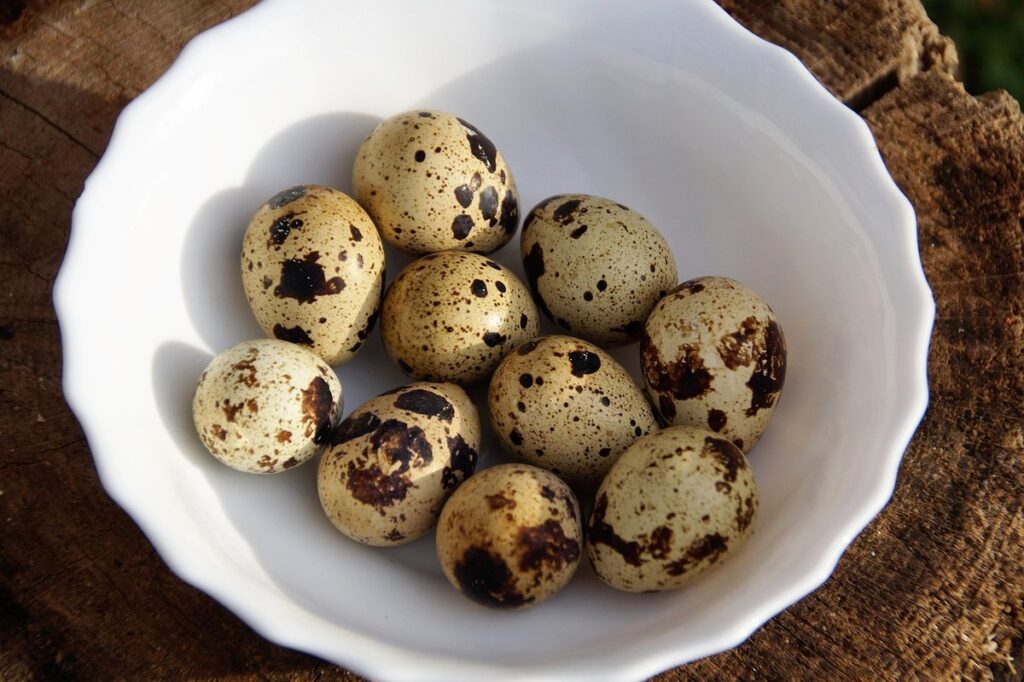
Characteristics and Origins
To truly understand these unique birds, it’s essential to explore their distinctive characteristics and origins, which set them apart from other quail species. Let’s dive into what makes Jumbo Coturnix Quails so special.
Physical Characteristics of Jumbo Coturnix Quails
Jumbo coturnix quails are known for their impressive physical characteristics, making them a standout among other bird breeds. On average, jumbo coturnix quails reach lengths of about 10-12 inches (25-30 cm), with some individuals reaching up to 14 inches (35 cm) in length. Their weight is also substantial, typically ranging from 11-13 ounces (310-370 grams). These birds are not only larger but also have a robust build, which makes them appear even more impressive.
Their plumage is another distinctive feature of jumbo coturnix quails. The males exhibit vibrant colors, with a mix of brown and gray feathers on their backs and wings. Their faces, on the other hand, are a stunning combination of black and white stripes. Females, while not as brightly colored, have a more subdued yet still attractive appearance, with a mix of brown and gray feathers covering most of their bodies.
One key aspect to note is that jumbo coturnix quails are not only visually striking but also relatively low-maintenance pets when it comes to space requirements. Their compact size means they can thrive in smaller enclosures, making them an excellent choice for urban or backyard keepers with limited space.
Origin and History of Jumbo Coturnix Quails
The Jumbo Coturnix quail‘s journey to becoming one of the most popular species for backyard farming and showing is a fascinating story. Originating from Europe, specifically France and Italy, these birds were first bred in the early 20th century by French farmers who sought to create a hardy and productive bird. The name “Coturnix” comes from the Latin word for partridge, which was likely used due to their similar characteristics.
The Jumbo Coturnix quail’s breeding program began in earnest after World War II, when European farmers were looking for ways to increase egg production and improve meat quality. Through selective breeding, these birds developed into a robust and thriving species that excelled in both areas. Today, the Jumbo Coturnix quail can be found in backyards and small farms around the world, prized for their rich brown eggs and lean, flavorful meat.
Interestingly, many breeders have been able to replicate this process through selective breeding programs of their own, resulting in a diverse range of colors and patterns within the species.
Temperament and Handling
Understanding a jumbo coturnix quail’s temperament and handling is crucial for building trust and creating a harmonious relationship between you and your feathered friend. This section will delve into these essential aspects of quail care.
Temperament of Jumbo Coturnix Quails
Jumbo coturnix quails are known for their gentle and docile nature, making them an excellent choice for backyard flocks. They are social birds that thrive on interaction and can be kept with other quail species or even chickens. In fact, many breeders report that jumbo coturnix quails are one of the most friendly and easy-going breeds when it comes to handling.
When it comes to social behavior, jumbo coturnix quails are active birds that love to forage and explore their surroundings. They are naturally curious and will often investigate new sights and sounds. However, they can be sensitive to loud noises and sudden movements, so it’s essential to handle them gently and with care.
In terms of handling, jumbo coturnix quails are surprisingly tame and can be picked up and handled regularly without causing stress or discomfort. In fact, many owners report that their jumbo coturnix quails will even come when called and will happily perch on a hand or arm. This makes them an excellent choice for children or beginners who want to learn about raising and caring for quail.
One of the key benefits of owning jumbo coturnix quails is their ease of handling, which makes them perfect for small backyards or apartments where space is limited. With proper care and attention, these gentle birds can thrive in even the most confined spaces, making them an excellent choice for anyone looking to raise quail at home.
Training and Socialization
Training and socialization are crucial aspects of jumbo coturnix quail care that can make all the difference in their behavior and friendliness. When handled correctly from an early age, these birds can become incredibly tame and even affectionate towards their owners.
Start by getting your quails used to handling when they’re young. Gently pick them up and hold them for short periods, making sure to support their body and wings. Reward them with treats for remaining calm during this process. As they grow older, gradually increase the handling time to help them become more confident in human interaction.
Socialization is equally important as quails are naturally social creatures that thrive on companionship. Keep multiple birds together from an early age and ensure they have plenty of space to roam and exercise. This will also help reduce stress and aggression among the flock.
Remember, patience and consistency are key when training your jumbo coturnix quails. Spend time with them regularly, and you’ll be amazed at how quickly they become accustomed to human presence and interaction.
Breeding and Health
When it comes to breeding and health, Jumbo Coturnix Quail can be a bit high maintenance, but with the right care, you’ll be well on your way to raising thriving birds. This section will cover essential tips for ensuring their overall well-being.
Breeding Jumbo Coturnix Quails
Breeding Jumbo Coturnix quails requires careful planning and attention to detail. When selecting breeders, look for individuals who have experience with the Jumbo Coturnix strain and can provide information on their bloodlines, fertility rates, and health history.
To ensure a successful mating strategy, it’s essential to consider the age and sex of the birds. Typically, you’ll want to pair males that are at least 6 months old with females that are around 4-5 months old. This allows for optimal breeding performance while minimizing stress on the birds.
For incubation, use a reliable incubator set to 99-100°F (37-38°C) and humidity levels between 50-60%. Monitor temperature and humidity closely, as fluctuations can impact fertility rates. Keep in mind that Jumbo Coturnix eggs take around 18 days to hatch. By following these guidelines and maintaining precise control over breeding conditions, you’ll increase your chances of successfully raising healthy, thriving Jumbo Coturnix quails.
Consider cross-breeding with other strains to introduce new traits and genetic diversity into your flock. This can be a great way to enhance fertility rates or introduce desirable characteristics like egg production or feather quality. Always research the potential benefits and challenges before making any breeding decisions.
Common Health Issues in Jumbo Coturnix Quails
As a jumbo coturnix quail breeder, it’s essential to be aware of common health issues that can affect these birds. Respiratory problems are one of the most significant concerns, particularly during times of stress or temperature fluctuations. Symptoms may include labored breathing, wheezing, or coughing.
Parasites such as mites, ticks, and fleas can also infest jumbo coturnix quails, leading to anemia, weight loss, and poor feather condition. Regular cleaning and disinfection of the coop, as well as monitoring for these pests, is crucial in preventing infestations.
Nutritional deficiencies are another common issue, often resulting from a diet lacking essential vitamins and minerals. A balanced feed that includes supplements such as calcium, vitamin D3, and omega-3 fatty acids can help mitigate this problem.
To minimize the risk of these health issues, ensure your quails have access to fresh water at all times, maintain a clean and well-ventilated coop, and provide a nutritious diet that meets their specific needs. Regular veterinary check-ups will also help identify potential problems early on, allowing for prompt treatment and minimizing the risk of long-term damage.
Diet and Nutrition
When it comes to keeping your jumbo coturnix quail healthy, their diet and nutrition are crucial factors to consider. We’ll cover what foods they need to thrive in this section.
Nutritional Requirements of Jumbo Coturnix Quails
When it comes to the nutritional requirements of jumbo Coturnix quails, there are several key factors to consider. These birds require a balanced diet that includes a sufficient amount of protein to maintain their health and promote growth.
Jumbo Coturnix quails need a minimum of 20% protein in their diet, with a recommended range of 22-25%. This can be achieved through the use of high-protein commercial feeds or by mixing your own feed using ingredients such as mealworms, crickets, and sunflower seeds. It’s also essential to provide access to fresh water at all times to keep your quails hydrated.
In addition to protein, jumbo Coturnix quails require a range of vitamins and minerals to stay healthy. These can be provided through supplements or by including foods rich in these nutrients, such as leafy greens like kale and spinach, and fruits like berries and apples.
It’s also worth noting that over-supplementation with certain vitamins can be detrimental to the health of your quails. For example, excessive vitamin A intake can cause a range of health problems, including weakened bones and impaired vision.
Feeding Strategies for Jumbo Coturnix Quails
Providing a balanced and nutritious diet for your jumbo Coturnix quails is crucial to their health and well-being. A varied diet ensures that they receive all the essential nutrients required for optimal growth, reproduction, and egg production. You can create a mixed feed by combining 50-60% commercial quail pellets with 40-50% cracked corn and other supplements.
When introducing new foods, do it gradually to prevent digestive upset. Start by adding small amounts of fresh vegetables such as leafy greens, carrots, and sweet potatoes to their diet. Fruits like berries, apples, and grapes can also be given in moderation. Make sure to provide a source of calcium, such as crushed eggshells or oyster shells, to support strong bone development.
To manage feed costs, consider purchasing ingredients in bulk and making your own mixed feed at home. This not only saves money but also allows you to control the quality of ingredients used. A 1:2 ratio of protein-rich food to energy-rich food is a good starting point for creating a balanced mix. For example, a pound of quail pellets can be combined with two pounds of cracked corn and other supplements.
Housing and Environment
When it comes to keeping Jumbo Coturnix Quail happy and healthy, their living environment plays a crucial role. Let’s dive into the essential aspects of housing and environment for these charming birds.
Providing Suitable Housing for Jumbo Coturnix Quails
When it comes to providing suitable housing for your jumbo coturnix quails, their comfort and safety should be top priority. A well-designed enclosure is crucial for the health and well-being of these birds.
Firstly, consider the size of the enclosure. Jumbo coturnix quails need room to move around comfortably, so a minimum floor space of 2-3 square feet per bird is recommended. This will prevent overcrowding and give them ample space to stretch their wings and exercise.
In addition to sufficient space, proper ventilation is also essential. Quails are sensitive to heat and humidity, so adequate airflow will help regulate their environment. A well-designed enclosure should have windows for natural light and cross-ventilation to maintain a healthy temperature range.
Regular cleaning of the enclosure is another critical aspect of providing a safe and comfortable living space for your jumbo coturnix quails. Remove any droppings, debris, or food waste daily, and disinfect the enclosure with a mild detergent at least once a week.
Environmental Factors to Consider
When it comes to housing your jumbo coturnix quail, understanding and controlling environmental factors is crucial for their health and well-being. Temperature, humidity, and lighting are essential components of a healthy environment for your birds.
Temperature-wise, jumbo coturnix quails prefer temperatures between 65°F to 75°F (18°C to 24°C). Avoid placing their enclosure near drafty windows or doors, as sudden temperature fluctuations can be detrimental to their health. A thermometer will come in handy to monitor the temperature and ensure it stays within the optimal range.
Humidity is another critical factor to consider. Quails thrive in a humid environment, but high humidity levels can lead to respiratory issues. Aim for a relative humidity of 50-60%. You can increase humidity by misting the enclosure lightly with water daily or placing a shallow dish of water for them to bathe in.
Lighting is also vital, as quails require a photoperiod of around 14 hours of light and 10 hours of darkness. Natural light is ideal, but if you’re housing your birds indoors, consider using LED grow lights that mimic natural daylight.
Showing and Exhibiting
When it comes to showcasing your jumbo Coturnix quail, understanding the basics of showing and exhibiting is essential for success. We’ll break down what you need to know in this section.
Preparing Your Jumbo Coturnix Quails for Showing
When it’s time to show off your jumbo coturnix quails’ beauty and charm, you want them to look their absolute best. Preparing them for the exhibition requires some TLC, but with a little patience and practice, you’ll be well on your way to a prize-winning display.
Start by trimming your birds’ wings to prevent any accidental flying or escape attempts during the show. This is a crucial step, as you want your quails to remain calm and relaxed in their enclosures. Use sharp clippers specifically designed for bird grooming, taking care not to cut too close to the bone. For males, trim just enough to remove the flight feathers; females can be trimmed more extensively if necessary.
Next, focus on beak conditioning. A healthy beak is essential for your quails’ overall well-being and appearance. Use a gentle beak file or nail clippers to smooth out any rough edges or ridges. Be cautious not to over-file, as this can cause damage. Regularly trimming the beak will also help prevent it from growing too long.
To maintain their stunning plumage, ensure your quails receive adequate nutrition and stay well-groomed. Brush their feathers regularly with a soft-bristled brush or a rubber grooming glove to prevent matting and tangling. This is especially important around the neck, back, and tail areas where feathering can be quite extensive.
By following these simple tips, you’ll have your jumbo coturnix quails looking radiant and ready for their close-up.
Tips for Winning at Shows with Jumbo Coturnix Quails
When it comes to showing your jumbo Coturnix quails, every detail counts. To increase your chances of winning, you’ll want to focus on selecting birds that meet the breed standard and are handled correctly.
Start by choosing birds with excellent plumage, strong bones, and a well-proportioned body. Jumbo Coturnix quails should have a distinctive black or dark brown face, with a white stripe above each eye. Their feathers should be glossy and well-defined, with a slight wave to the hackle (feathers on the neck). Look for birds that are alert and active, with a confident demeanor.
When selecting birds, also consider their breeding history and lineage. Research the breeder or stock you’re purchasing from to ensure they have a good track record of producing show-quality birds. This will give you an edge in competitions where judges look not only at individual bird quality but also at overall breeder reputation.
Handling techniques are crucial when it comes to showcasing your quails. Practice gentle yet firm handling to help your birds feel comfortable and confident on the show table. Make sure to keep your hands clean and dry, as oils from your skin can damage their feathers. By selecting the right birds and mastering handling techniques, you’ll be well on your way to winning at shows with your jumbo Coturnix quails.
Frequently Asked Questions
How do I ensure my Jumbo Coturnix quails get enough exercise?
Exercising your quails is crucial for their physical and mental health. Provide a spacious enclosure with plenty of space to roam, ideally around 2-3 square feet per bird. You can also supplement this with outdoor time in a secure area, under close supervision. Make sure to provide toys and climbing structures to keep them entertained.
Can I mix Jumbo Coturnix quails with other bird species?
Mixing different bird breeds can be challenging, as they have unique personalities and needs. While some quail species get along well together, others may not. Start by introducing birds gradually and observe their behavior before deciding whether to keep them together long-term.
What are the most common health issues in Jumbo Coturnix quails?
Some of the most common health issues in Jumbo Coturnix quails include respiratory problems, parasites, and injuries from fighting or escaping. Regularly inspect your birds for signs of illness or injury and maintain a clean environment to prevent disease.
How do I prepare my Jumbo Coturnix quails for showing?
Preparing your quails for showing requires attention to detail and practice. Start by getting them used to being handled and weighed, then gradually introduce them to the show conditions and requirements. Make sure they’re well-groomed and presented in a suitable enclosure.
Can I keep Jumbo Coturnix quails as pets if I live in an apartment or have limited space?
While it’s technically possible to keep Jumbo Coturnix quails in smaller spaces, their large size and robust build make them more challenging to care for in apartments. Consider the specific needs of these birds before deciding whether they’re suitable for your living situation.