
Are you considering bringing some feathered friends into your backyard? Keeping chickens in your garden can be a wonderful idea, offering numerous benefits for both you and the environment. Not only will you have a steady supply of fresh eggs, but chickens also make great low-maintenance pets that are perfect for families or those who want to try their hand at sustainable living. However, before you start building a coop and collecting eggs, it’s essential to check your local regulations regarding backyard chicken keeping.
This article will guide you through the process of checking if you can keep chickens in your garden, choosing the right breed for your lifestyle, and creating a healthy flock that will bring joy and fresh eggs to your daily routine. From understanding the rules and regulations to learning how to care for your new feathered friends, we’ll cover everything you need to know to get started with backyard chicken keeping.
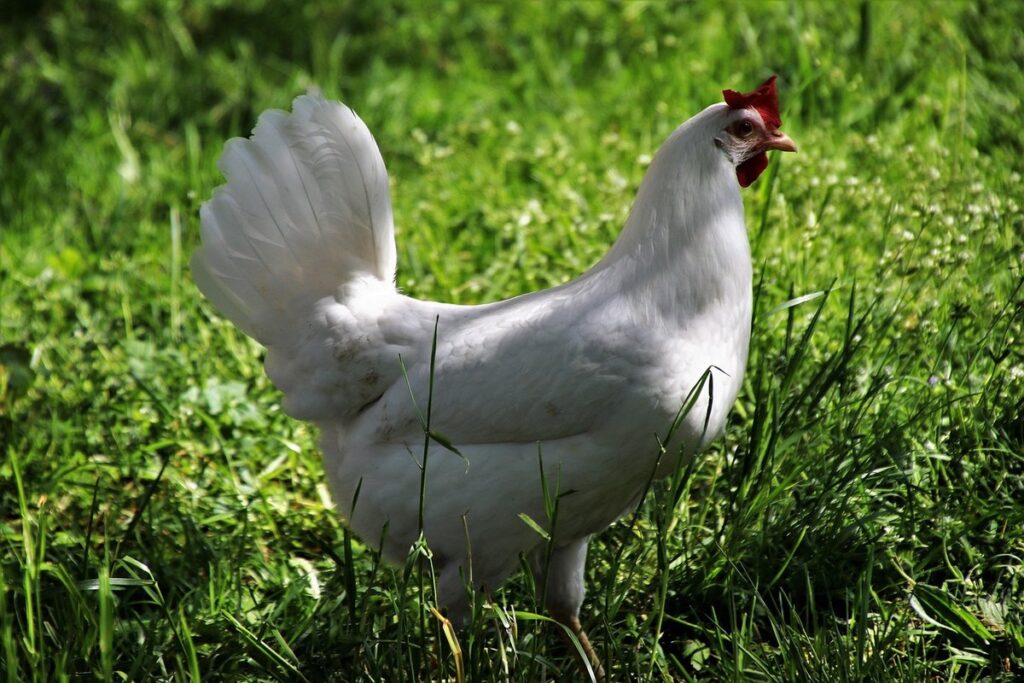
Benefits of Keeping Chickens
Keeping chickens can bring a multitude of rewards, from fresh eggs to entertainment and even pest control. Let’s explore some of the biggest benefits of having backyard hens.
Fresh Eggs and Entertainment
Having chickens in your backyard can be a delight for families, providing not only a sustainable source of fresh eggs but also endless entertainment. Imagine waking up every morning to the sweet songs of happy hens and collecting fresh eggs from your own coop! It’s an experience that brings people together and creates lasting memories.
Not only will you have access to a steady supply of fresh eggs, which are often higher in nutrition and lower in cholesterol than store-bought eggs, but chickens can also be a fun and educational hobby for the whole family. Kids love collecting eggs from the coop and helping with feeding and caring for the birds. It’s an excellent way to teach them about responsibility, sustainability, and where their food comes from.
In addition to providing entertainment, backyard chickens can also help reduce your carbon footprint by allowing you to produce your own food locally. With a little planning and effort, you can have a thriving flock that will provide years of enjoyment and delicious eggs. So, if you’re thinking of bringing some feathered friends into your garden, be prepared for the joy and benefits they’ll bring!
Low Maintenance Pet Alternative
Chickens are often considered one of the most low-maintenance pets you can have, requiring significantly less attention and care compared to traditional household pets like dogs or cats. One of the biggest advantages of keeping chickens is their ability to free-range and entertain themselves.
Unlike many other pets, chickens don’t need constant supervision or exercise breaks throughout the day. They’re happy to scratch and peck at food in the garden, exploring their surroundings with ease. This means you can leave them to their own devices for periods of time without feeling guilty or worrying about their well-being.
In fact, a study by the University of Bristol found that chickens are able to adapt to different environments and can even thrive in small spaces like backyards, as long as they have access to adequate food, water, and shelter. This makes them an ideal choice for urban gardeners or those with limited space. By choosing to keep chickens, you’ll be joining the ranks of many happy chicken owners who enjoy their easy-going nature and minimal maintenance requirements.
Regulations and Laws
Before you start gathering your flock, it’s essential to familiarize yourself with local regulations regarding backyard chickens. Let’s dive into what laws govern our feathered friends.
Local Ordinances and Zoning Restrictions
Before you start dreaming of fresh eggs from your backyard flock, it’s essential to check with your local government about any ordinances and zoning restrictions that may apply. These regulations can vary significantly depending on where you live, so don’t assume it’s okay to keep chickens just because your neighbor does.
In the United States alone, there are over 1,000 municipalities with laws governing backyard chickens. Some cities allow residents to keep a few hens in their yard, while others prohibit them altogether. Even if your city permits chickens, you may still need to comply with specific regulations such as:
* Minimum lot size requirements
* Maximum number of chickens allowed per property
* Noise restrictions
* Coop size and design specifications
A quick phone call or visit to your local planning department can save you a world of trouble down the line. For example, in some areas, keeping chickens without proper permits can result in fines or even having your birds seized. By doing your research upfront, you can ensure that your backyard chicken-keeping dreams don’t turn into a nightmare.
Permits and Licenses Required
Before you start building that dream chicken coop, it’s essential to check with your local authorities for the necessary permits and licenses required to keep chickens. These regulations can vary significantly from one area to another, so don’t assume you’re automatically allowed to raise chickens just because your neighbor does.
In most cases, you’ll need a permit or license from your city or county government to keep chickens in your backyard. This is often handled by the local health department or animal control agency. Some cities may require a permit specifically for urban agriculture, while others might have zoning regulations that restrict where and how many chickens you can raise.
For example, some municipalities require a permit if you plan to keep more than three hens, while others may only allow chickens in rural areas. You might also need to comply with local ordinances regarding noise levels, odors, or property line setbacks. To navigate these regulations, start by contacting your local animal control agency or health department and ask about their specific requirements for backyard chicken-keeping.
When in doubt, it’s always better to err on the side of caution and check with authorities before starting your flock.
Choosing the Right Breed
When deciding to bring chickens into your garden, choosing the right breed is crucial for their health and happiness – and yours too! Here’s how to select a breed that fits your lifestyle.
Selecting a Suitable Breed for Your Climate
When it comes to keeping chickens in your garden, one of the most crucial decisions you’ll make is selecting a breed that thrives in your climate and region. Different breeds have unique characteristics that can impact their performance in various environments, from scorching hot summers to freezing cold winters.
For example, some breeds like Leghorns are bred for egg production and excel in warm climates with plenty of sunlight. However, they may struggle in colder regions where the temperatures drop significantly. On the other hand, breeds like Orpingtons are better suited for cooler climates and can handle light frosts. They’re also more tolerant of drafts and cold weather.
Consider your region’s climate when choosing a breed. If you live in an area with extreme temperatures, look for breeds that have been developed to withstand those conditions. Research the breed’s specific needs and characteristics before making a decision. You’ll want a breed that’s well-suited to your garden’s conditions and will thrive under its care.
Bantams, Laying Hens, or Meat Birds?
When it comes to choosing breeds for your backyard flock, you’ll often come across three popular categories: Bantams, Laying Hens, and Meat Birds. Each type has its unique characteristics, needs, and purposes, making it essential to understand their differences before deciding which ones to bring home.
Bantams are the smallest of the bunch, weighing in at around 1-2 pounds. They’re often kept for their entertaining personalities and small egg-laying capabilities. If you have limited space or want a low-maintenance pet, Bantams might be an excellent choice. However, keep in mind that they can be quite flighty and may require extra effort to contain.
Laying Hens, on the other hand, are bred specifically for their high egg production. These hens will typically lay around 280-300 eggs per year, making them a great option for families or those who rely on fresh eggs from their backyard flock. Some popular laying breeds include Leghorns, Rhode Island Reds, and Barred Rocks.
Meat Birds, also known as broilers, are raised specifically for their meat. They grow faster than other breeds and can be harvested in just 5-7 weeks. However, they require more space, feed, and care than Laying Hens or Bantams, making them a less suitable choice for small backyards.
Ultimately, the type of bird you choose will depend on your specific needs, available space, and desired level of involvement. If you’re new to backyard chicken-keeping, it’s recommended to start with a smaller flock and work your way up as you gain more experience.
Preparing Your Garden
Before introducing your feathered friends to your garden, it’s essential to prepare a safe and suitable space for them. Let’s start by setting up a chicken-friendly environment.
Creating a Suitable Coop and Run
When creating a coop and run for your backyard chickens, it’s essential to prioritize their safety and health. A well-designed enclosure will protect your flock from predators, diseases, and harsh weather conditions. Start by choosing a suitable location for the coop, ideally in a spot that receives partial shade and is close to a water source.
A secure coop should have sturdy walls, a solid roof, and a locking door to prevent intruders. Consider adding windows for ventilation and natural light, but ensure they are securely fastened to avoid escape or predator entry. The run should be at least 2-3 square meters per chicken, with adequate fencing that extends at least 1 meter above the ground to prevent jumping predators.
When designing your coop and run, think about ease of cleaning and maintenance. Add a droppings board for easy waste removal and consider installing a nesting box or roosting bar for your chickens’ comfort. Use hardware cloth or chicken wire with openings no larger than 2.5 cm to keep out predators like foxes, raccoons, and snakes.
Providing Adequate Feed and Water
When it comes to keeping chickens in your garden, providing adequate feed and water is crucial for their health and well-being. A high-quality feed will ensure that your chickens receive the necessary nutrients to stay healthy and produce eggs consistently.
Choose a feed that’s formulated specifically for laying hens or pullets, as these have different nutritional requirements than broilers. Look for feeds that are rich in protein (around 16-18%) and contain essential vitamins and minerals like calcium, phosphorus, and vitamin D3. Some great options include Purina Layena or Manna Pro Chick Feed.
In terms of water systems, make sure to provide a clean, accessible source of fresh water at all times. You can use a hanging waterer or a heavy-duty watering can with a wide mouth to prevent spills and splashing. It’s also essential to change the water frequently to keep it free from bacteria and contamination. A good rule of thumb is to replace the water at least twice a day, especially during hot weather when chickens tend to drink more.
Health and Hygiene Considerations
When it comes to raising chickens, their health and hygiene are crucial considerations for both your flock’s well-being and your own family’s safety. Let’s take a closer look at these essential aspects of backyard chicken keeping.
Vaccinations and Preventative Care
When it comes to maintaining a healthy flock of chickens in your garden, vaccinations and preventative care are crucial. Chickens can be susceptible to various diseases, some of which can be life-threatening if left untreated. Mites, lice, and fleas are common external parasites that can cause discomfort and even anemia in severe cases.
Common health issues in backyard flocks include respiratory problems, caused by bacteria such as E. coli and Pasteurella. These can be prevented with regular cleaning of the coop and run, providing adequate ventilation, and ensuring good air quality. Another concern is egg-binding, a condition that occurs when a hen has trouble laying eggs due to dehydration or calcium deficiency.
To prevent these issues, make sure your flock has access to clean water at all times, provide a balanced diet rich in calcium and protein, and ensure the coop and run are well-maintained. Consult with local veterinarians who specialize in poultry care for guidance on vaccinations and preventative measures tailored to your climate and region.
Biosecurity Measures
When it comes to keeping chickens in your garden, biosecurity is an essential aspect of their health and well-being. Chickens are susceptible to various diseases, and a single outbreak can decimate your flock. To prevent this, you need to implement strict biosecurity measures.
Start by establishing a clean and hygienic environment for your chickens. Ensure that their living quarters, feeding areas, and watering points are regularly cleaned and disinfected with a poultry-safe cleaner. Remove soiled bedding material and replace it with fresh litter to reduce the risk of disease transmission. Regularly inspect your flock for signs of illness, such as lethargy, labored breathing, or changes in droppings.
Disinfect all equipment, including feeders and drinkers, at least once a week using a solution of 1 part bleach to 10 parts water. Wash your hands thoroughly before and after handling your chickens or their living areas. Consider wearing a pair of disposable gloves when cleaning up after your flock to prevent cross-contamination.
By following these simple steps, you can significantly reduce the risk of disease outbreaks in your backyard chicken flock. Regularly review and update your biosecurity measures to ensure that they remain effective.
Conclusion
Now that we’ve weighed up the pros and cons, it’s time to sum up what we’ve learned and make a decision about keeping chickens in your garden. Let’s review the key takeaways.
Recap of Key Points
If you’ve made it this far, you likely have a good understanding of what’s involved in keeping chickens in your garden. To recap, let’s go over the key points to consider. From a zoning perspective, check with your local authorities to see if there are any regulations or restrictions on backyard chicken-keeping.
In terms of space and facilities, we discussed the need for adequate shelter, perching, nesting boxes, and run space. Chickens require a safe, predator-proof coop with proper ventilation to keep them healthy. The recommended ratio is one square foot of indoor space per bird, plus an additional 10 square feet of outdoor enclosure per chicken.
From a practical perspective, chickens can be a great addition to your garden, providing fertilizer for your soil and pest control through their pecking habits. However, they also require regular feeding and maintenance, including egg collection and coop cleaning. If you’re considering keeping chickens in your garden, make sure to weigh these factors carefully before making a decision.
To get started, take note of the following: ensure you have enough space for both the coop and run, research local regulations, and plan for adequate food and water sources. With proper planning and care, keeping chickens in your garden can be a rewarding experience for both you and your family.
Tips for a Successful Backyard Flock
As you’ve successfully introduced chickens to your backyard flock, it’s essential to maintain their health and happiness. Regular maintenance will ensure a thriving and productive flock. Start by setting aside dedicated time each week for coop cleaning and disinfecting. This involves removing soiled bedding, replacing it with fresh material, and ensuring all surfaces are sanitized.
Monitor your flock’s health closely, watching for signs of illness or stress. Keep an eye on feed consumption, droppings output, and egg production. A sudden decrease in any of these areas can indicate a problem that requires immediate attention. Consider implementing a vaccination schedule to protect against common diseases such as Newcastle disease.
Regular improvements will also help keep your flock thriving. Consider upgrading coop ventilation or adding extra nesting boxes to reduce stress on the birds. Make sure your feeders and watering systems are easily accessible, reducing competition among your chickens for resources. By prioritizing ongoing maintenance and improvement, you’ll be well-equipped to handle any challenges that arise with your backyard flock.
Frequently Asked Questions
Can I keep chickens if my yard is small?
Yes, you can still keep chickens even with a small yard. Consider vertical integration by building a coop that doubles as a garden or using a compact run design to make the most of your space.
What’s the difference between Bantams and Laying Hens?
Bantams are smaller breeds that are often kept for their eggs, but they may not be as prolific as laying hens. If you’re looking for a steady supply of eggs, choose laying hens specifically bred for egg production.
Do I need a permit to keep chickens in my backyard?
Check your local ordinances and zoning restrictions before bringing home your feathered friends. Some municipalities require permits or licenses to keep chickens, so it’s essential to verify the regulations in your area.
How do I prevent predators from getting into my coop?
To ensure the safety of your flock, use secure locks on the coop door, cover any windows with hardware cloth, and consider installing a motion-activated sprinkler system around the perimeter of your yard.