
If you’re thinking about expanding your backyard flock, you may be considering introducing some new feathered friends to the mix. One popular option is combining quail with chickens, but before making this decision, it’s essential to weigh the pros and cons.
Integrating quail into your existing flock can bring numerous benefits, including increased egg production, improved fertility rates among hens, and even reduced stress among birds. However, there are also some potential drawbacks to consider. For instance, introducing quail can lead to competition for food and space, which may affect the overall health and well-being of your flock.
In this article, we’ll explore both the advantages and disadvantages of keeping quail with chickens in a backyard setting.
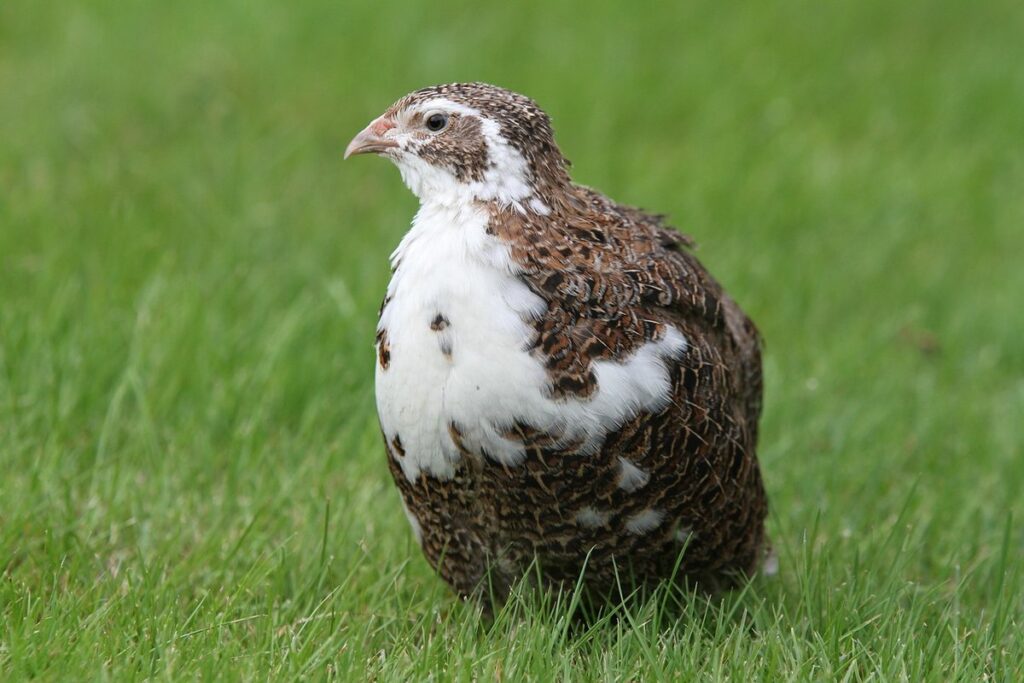
Introduction to Quail-Chicken Integration
For those new to raising backyard flocks, integrating quails with chickens can be a fascinating and rewarding experience. This section will cover the basics of why this combination is worth considering.
What is Integrated Flocking?
When it comes to keeping quail with chickens, one of the most fascinating concepts is Integrated Flocking. This approach involves housing both quails and chickens together in a single enclosure, creating a harmonious ecosystem where they can forage, socialize, and thrive.
Integrated Flocking offers numerous benefits, including improved predator protection, increased egg production, and enhanced foraging opportunities. By grouping these birds together, you can reduce stress and create a more dynamic environment that encourages natural behavior. For instance, quails are known to be expert foragers, using their agility and keen eyesight to uncover hidden seeds and insects. When housed with chickens, they can share their knowledge and expertise, leading to improved resource utilization.
However, it’s essential to note that Integrated Flocking requires careful planning and attention to detail. You’ll need to ensure that both species have separate areas for roosting, nesting, and feeding, as well as adequate space for movement and exercise. A general rule of thumb is to provide at least 2-3 square feet per bird for quails and 4-5 square feet per bird for chickens.
Importance of Diversifying Your Backyard Flock
Having a mixed flock that includes both quail and chickens can be incredibly beneficial for backyard chicken keepers. One of the main advantages is diversity in egg production. By keeping different types of birds together, you’ll have access to a wider range of eggs with varying characteristics, such as size, shell thickness, and flavor. For example, some breeds of quail produce tiny, delicate eggs that are perfect for baking or cooking, while larger chicken eggs are better suited for everyday use.
In addition to the benefits of egg production, integrating quail into your flock can also help reduce parasite spread. Quail are natural predators of ticks, mites, and other external parasites that can plague chickens. By keeping them together, you’ll create a balanced ecosystem where the quail can help control pest populations, reducing the need for chemical treatments.
By diversifying your backyard flock, you’ll also enjoy improved overall health. A mixed flock tends to be more resilient to disease, as different birds are less likely to contract and spread illnesses. Furthermore, having multiple bird species together encourages natural behavior and social interaction, which is essential for their physical and mental well-being.
Pros of Keeping Quail with Chickens
Keeping quail with chickens can be a fantastic way to enhance your backyard flock’s diversity and productivity, but what are some specific benefits you can expect? Let’s explore the advantages of integrating these two species.
Advantages of Adding Quail to Your Existing Flock
Incorporating quail into your existing chicken flock can bring numerous benefits to your backyard poultry operation. One of the most significant advantages is increased egg production. Quails are prolific layers, producing an average of 200-300 eggs per year compared to chickens’ 280-300 eggs. When kept together, quail eggs will add diversity to your harvest and potentially increase overall egg yield.
Another benefit of keeping quail with chickens is improved fertility. Quails have a shorter gestation period than chickens (around 16 days) and can breed more frequently, which means you’ll get more chicks per year. This can be particularly beneficial if you’re looking to hatch eggs or expand your flock.
Quails also excel at foraging, making them an excellent addition to any chicken coop. Their smaller size allows them to access areas that chickens can’t, and they’ll help clean up any remaining food debris from the run.
Health Benefits: Reduced Stress and Disease Spread
When you introduce quails to your flock of chickens, one of the most significant benefits is the reduced stress among birds. Chickens and quails are naturally social creatures that thrive on interaction, but they can also become stressed when kept alone or in isolation for too long. By mixing them with other birds, you create a dynamic environment where they can engage in natural behaviors like pecking order establishment and foraging.
This social interaction has been shown to have a calming effect on the flock, reducing aggression and stress-related behavior such as feather pecking and cannibalism. In fact, studies have found that mixed flocks tend to exhibit more relaxed behavior than single-species groups. By keeping quails with chickens, you can create a harmonious environment where birds are stimulated and less likely to experience stress.
To maximize this benefit, it’s essential to ensure your flock is large enough to accommodate the needs of both species. A general rule of thumb is to maintain a ratio of at least 2-3 chickens for every one quail. This will allow each bird to have its own space and reduce competition for resources.
Cons of Keeping Quail with Chickens
While keeping quail and chickens together can have its advantages, there are also some potential downsides to consider when deciding on a multi-species coop. Let’s take a look at some of these cons.
Space Requirements and Housing Challenges
When it comes to integrating quail into your existing coop, space requirements become a significant consideration. Quails are much smaller than chickens, but they still need room to move around and exercise. A general rule of thumb is to provide at least 2-3 square feet per quail, which means that if you’re housing 5 quails with 10 chickens, you’ll need approximately 30-45 square feet of additional space.
To accommodate your quails, you may need to modify your coop’s design or make some adjustments. This could involve adding more nesting boxes or perches, as well as ensuring that there are enough feeding and watering stations for all birds. You should also consider the different behaviors of quail compared to chickens – they’re naturally more skittish and noise-sensitive – so you may need to provide separate areas for them within the coop.
In some cases, you might even need to create a separate enclosure or annex specifically for your quails to prevent any conflicts with the chickens. However, if you’ve got a well-designed coop that’s already laid out with ample space and perches, adding a few quail shouldn’t be too much of an issue.
Noise and Social Structure Concerns
Introducing quail to your chicken flock can have both positive and negative effects on their social structure. While some quail may integrate seamlessly with chickens, others may experience stress and anxiety due to the change in environment and social dynamics.
When introducing quail to a chicken flock, it’s essential to consider the potential noise issues that may arise. Quails are naturally loud birds, and their high-pitched calls can be disturbing to neighbors or even other family members. If you live in a residential area or have close proximity to neighboring properties, introducing quail to your flock might not be the best decision.
Some breeds of quail, such as button quail or Japanese quail, are more likely to cause noise issues than others. Researching the specific breed’s characteristics and noise levels before making a purchase is crucial. Additionally, providing a separate enclosure for the quail can help minimize their interaction with chickens and reduce potential stress on both species.
To mitigate social structure concerns, introduce quail gradually to your flock, starting with visual introductions through fencing or netting. This will allow them to become familiar with each other’s presence without immediate face-to-face contact. Gradually increase the amount of time they spend together under close supervision, watching for signs of stress or aggression.
Quail Characteristics That Make Them a Good Addition
One of the biggest perks of keeping quail with chickens is understanding their unique characteristics, which make them an excellent addition to your flock. Let’s explore what makes these small birds so special.
Temperament and Compatibility with Chickens
When it comes to temperament and compatibility with chickens, quail are surprisingly adaptable and social birds. While they can be skittish at first, many breeds have a calm demeanor that makes them an excellent addition to a chicken flock. In fact, some quail breeds, such as the Button Quail and the Coturnix Quail, are naturally more docile and easy-going than others.
If you’re considering integrating quail with your chickens, it’s essential to choose breeds that are well-suited for each other. For example, the Pharaoh Quail is a great choice because of its gentle nature and small size, making them less intimidating to hens. On the other hand, larger or more aggressive quail breeds may not be compatible with smaller chicken breeds.
When introducing quail to your flock, start by housing them separately at first. Allow them to get used to each other’s presence through a wire mesh divider before gradually integrating them into the same enclosure. With patience and proper introduction, many quail and chicken pairs can live harmoniously together, providing entertainment and enrichment for their owners.
Diet and Nutrition Considerations
When it comes to diet and nutrition, quails have distinct requirements that differ from those of chickens. As a responsible quail owner, understanding their unique needs is crucial for providing the best possible care.
Quails are omnivores and require a balanced diet rich in protein, calcium, and other essential nutrients. In contrast to chickens, who can tolerate some grains in their diet, quails rely heavily on insects, seeds, and fruits as a primary source of nutrition. A mix of commercial quail feed, supplemented with fresh vegetables like leafy greens, carrots, and sweet potatoes, is ideal.
However, be cautious not to overfeed your quails, as they can easily become overweight and develop health issues. Fresh water must always be available, and make sure to provide a calcium source, such as crushed eggshells or oyster shells, to support their strong bone growth.
When feeding both quail and chickens together, ensure that the dominant bird doesn’t push the others away from food and water sources. Also, introduce new foods gradually to prevent digestive upset. By following these guidelines, you can create a harmonious and nutritious environment for your feathered friends.
Quail Health Concerns When Kept with Chickens
When keeping quails with chickens, it’s essential to be aware of potential health concerns that can arise from housing these birds together. Respiratory problems and disease transmission are two key issues to consider.
Disease Transmission Risks
When keeping quail with chickens, one of the primary concerns is the risk of disease transmission between the two species. Avian influenza, also known as bird flu, is a highly contagious and potentially deadly disease that can spread quickly through flocks if not properly managed.
Other pathogens such as E. coli, Salmonella, and Histomoniasis (Blackhead) can also be transmitted between quail and chickens, posing significant health risks to both species. In fact, studies have shown that quail are more susceptible to certain diseases due to their unique respiratory system and immune response.
To mitigate these risks, it’s essential to maintain strict biosecurity measures when keeping quail with chickens. This includes separating the two species, providing adequate ventilation in coops, and implementing regular cleaning and disinfection schedules. Additionally, ensuring that both quail and chicken flocks are up-to-date on recommended vaccinations can help prevent the spread of disease.
It’s also crucial to monitor your birds’ behavior and health closely, watching for signs of illness such as labored breathing, lethargy, or changes in appetite. If you suspect a disease outbreak, seek veterinary advice immediately to minimize the risk of further transmission.
Housing and Environmental Considerations for Quail-Chicken Integration
When integrating quails into your flock, it’s essential to consider their specific housing and environmental needs. Quails are social animals but prefer a more peaceful and less crowded environment compared to chickens. To ensure the well-being of both species, provide separate enclosures or adjust the layout of your existing coop.
Key considerations include:
* Provide ample ventilation: Quails produce ammonia-rich droppings that can lead to respiratory issues in close quarters.
* Ensure adequate space: Allocate about 1-2 square feet per quail for a comfortable living area. This will help prevent stress and disease transmission between species.
* Offer a quiet zone: Designate a separate, quiet area within the coop where quails can retreat when feeling overwhelmed by chicken noise or activity.
By addressing these specific housing needs, you’ll be able to integrate your quails with chickens successfully while maintaining their health and happiness.
Managing a Mixed Flock: Tips and Best Practices
When it comes to integrating quail into your existing chicken flock, establishing a harmonious coexistence requires some careful planning. Here are expert tips for managing a mixed flock successfully.
Establishing a Suitable Environment
When introducing quails to a flock of chickens, it’s essential to establish an environment that promotes harmonious coexistence. This involves creating a space that meets the unique needs of both species while minimizing potential conflicts.
Start by separating the areas for feeding and watering to prevent overcrowding. Chickens tend to dominate these resources, so providing separate stations will help quails feel more secure. A minimum of 2-3 square feet per bird is recommended, but consider allocating more space if possible. This will give both species room to roam without feeling cramped.
Consider the shelter you provide as well. Quails are naturally skittish and prefer enclosed spaces for protection. Ensure there’s a mix of open areas and shelters to cater to their needs while also providing ample hiding spots for chickens.
Finally, prioritize cleanliness by setting aside dedicated space for each species’ waste management. This will prevent cross-contamination and maintain overall health within the flock.
Integrating New Birds into the Flock
Integrating new birds into your flock can be an exciting but challenging process. When introducing quail and chickens together, it’s essential to follow a step-by-step approach to ensure a harmonious integration.
Start by preparing a separate enclosure for the new birds, where they can acclimate to their surroundings without feeling overwhelmed or threatened. Keep this area quiet, well-ventilated, and equipped with food, water, and shelter.
Once your new birds are settled, it’s time to introduce them to the main flock. Begin by allowing visual contact through a barrier, such as a fence or screen door, for 1-2 hours. This allows both groups to become familiar with each other without the risk of immediate aggression.
After this initial introduction, you can start introducing birds from one group to the other under close supervision. Start with calm and gentle birds on both sides, gradually increasing the number of introductions as they become more comfortable with each other. Monitor body language closely, intervening if necessary to prevent any conflicts.
Remember, patience is key when integrating new birds into your flock. With a slow and controlled approach, you can create a peaceful coexistence between quail and chickens, enjoying the benefits of their unique characteristics and personalities within a single, thriving community.
Conclusion and Final Considerations
Now that you’ve weighed the pros and cons of keeping quail with chickens, let’s wrap up our discussion by summarizing key takeaways.
Recap of Benefits and Drawbacks
In conclusion, we’ve explored both the benefits and drawbacks of keeping quail with chickens. On one hand, introducing quail to a chicken flock can provide valuable companionship, pest control, and an opportunity for cross-species learning. For example, quail are skilled at controlling ticks and other external parasites that may be detrimental to chicken health.
On the other hand, there are potential drawbacks to consider. Some of these include increased competition for food and resources, noise levels, and disease transmission risks. To mitigate these risks, it’s essential to ensure adequate space, nutrition, and sanitation practices when introducing quail into a flock.
Ultimately, whether or not keeping quail with chickens is beneficial depends on your specific situation and needs. If you’re willing to invest the time and effort required for proper management and care, the rewards can be significant. By weighing these pros and cons carefully and being proactive in maintaining a balanced ecosystem, you can successfully integrate quail into your flock and reap the benefits of this unique partnership.
Encouragement to Try Integrated Flocking for Yourself
If you’ve been considering adding quail to your backyard flock, we encourage you to take the plunge and give integrated flocking a try. While it’s natural to feel apprehensive about introducing new birds to your existing setup, many quail enthusiasts swear by the unique benefits of keeping these tiny birds alongside their larger feathered friends.
One of the primary advantages of integrated flocking is the added complexity and stimulation for both species. Quail are known to be social creatures that thrive in groups, so they’ll happily mingle with your chickens and even help keep them on their toes. By introducing quail to your existing flock, you can create a more dynamic and engaging environment for all birds.
Before making the switch, it’s essential to research and understand the specific needs of quail. For example, they require different housing, ventilation, and temperature requirements compared to chickens. With proper planning and execution, however, integrated flocking can be a rewarding and enriching experience for both you and your feathered friends.
Frequently Asked Questions
Can I mix young chicks with adult quail when introducing them to the flock?
Yes, but it’s essential to consider their growth rates and energy levels. Quails are generally more mature and dominant, so ensure you provide enough space and a balanced diet for your chicks. Monitor their behavior closely, as disputes may arise due to territorial instincts.
How do I prevent disease transmission between quail and chickens when they’re housed together?
Implement strict biosecurity measures, including regular cleaning of enclosures, providing separate feeders and water stations, and minimizing human interaction with the birds. Quail are more susceptible to certain diseases than chickens, so ensure you have a comprehensive health plan in place.
What’s the ideal ratio for integrating quail into an existing chicken flock?
Aim for a minimum of 10:1 or higher, depending on available space and resources. Introducing too many new birds at once can lead to stress and conflict within the flock. Monitor your birds’ behavior and adjust the introduction process accordingly.
Can I keep quail with chickens in a small backyard coop without any specialized equipment?
While it’s possible, integrating quails into a small flock requires careful planning and attention to detail. You’ll need to provide adequate ventilation, temperature control, and space for both species to roam freely. Consult local experts or experienced breeders for guidance on creating a suitable environment.
How long does it take for quail to adapt to living with chickens in an integrated flock?
Quails typically take several weeks to adjust to their new surroundings. Be patient and allow them time to explore their new space, establish social hierarchies, and learn from the more mature birds. Observe their behavior closely and intervene if you notice any signs of stress or aggression.