
Rats in your chicken coop can be a nightmare. Not only do they threaten the health and safety of your flock, but they also contaminate food and spread diseases. If you’re like many backyard chicken keepers, you’ve probably encountered this pesky problem at some point. But don’t worry, we’ve got you covered. In this article, we’ll share expert advice on preventing rat infestations in your coop and keeping your birds healthy. From sealing entry points to using natural deterrents, we’ll cover the best strategies for rat prevention and management. Whether you’re a seasoned chicken keeper or just starting out, our guide will help you maintain a clean and safe environment for your flock, protecting their well-being and ensuring a happy and healthy coop.
Why Rats in the Coop Are a Problem
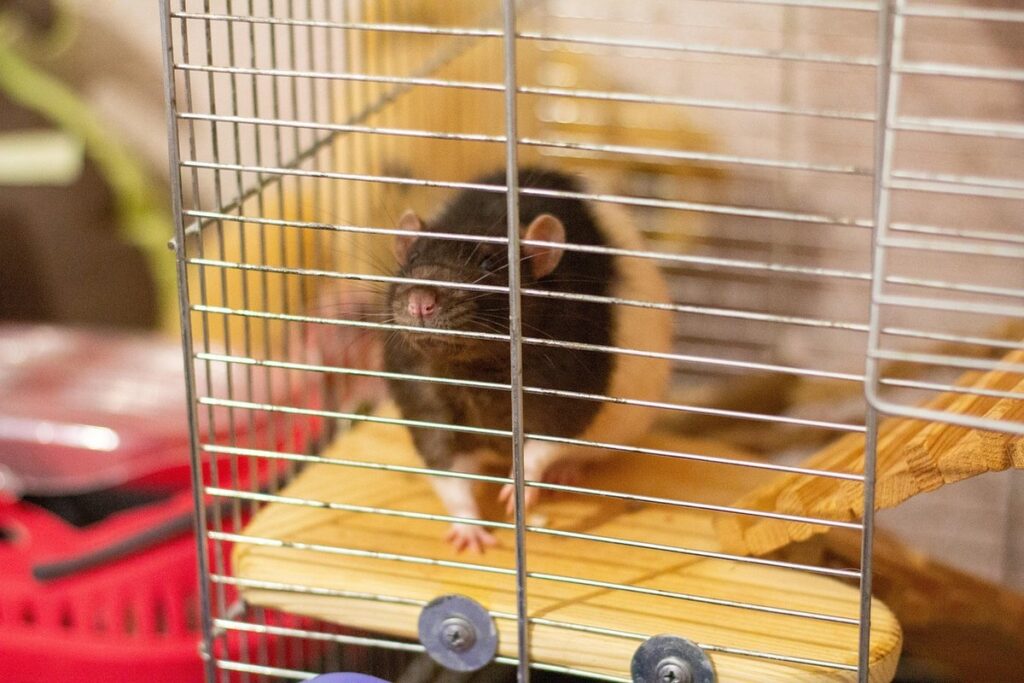
Rats can be a significant issue for backyard chicken keepers, causing damage to your coop and putting your flock at risk of disease and predation. Let’s explore why rats in the coop are a major problem.
The Health Risks Associated with Rat Infestations
Rats can spread diseases to both your chickens and yourself through their urine, feces, and saliva. Salmonella is a common bacteria that rats carry, which can cause severe food poisoning in humans if ingested. Chickens infected with salmonella may exhibit symptoms such as diarrhea, lethargy, and loss of appetite, leading to a weakened immune system.
Leptospirosis, another disease-causing bacterium, can be transmitted through contact with rat urine or contaminated water. This infection can cause fever, headache, muscle ache, and in severe cases, kidney failure in humans. Chickens infected with leptospirosis may experience vomiting, diarrhea, and respiratory problems.
To prevent the spread of these diseases, it’s essential to maintain a clean and rodent-free coop. Regularly inspect your coop for signs of rat infestation, such as droppings, gnaw marks, or nests. Remove any food sources that may attract rats, including weeds, debris, and stored feed. Clean and disinfect the coop regularly using a solution of 1 part bleach to 10 parts water, paying attention to areas around nesting boxes and roosts.
Remove standing water from your property and keep your coop dry by installing proper ventilation systems or ensuring adequate roof clearance. Consider implementing measures such as door sweeps or seal gaps in walls and floors to prevent rat entry.
How Rats Can Damage Your Chicken Equipment
Rats can cause significant damage to your chicken coop and equipment if left unchecked. Their primary goal is to survive, which often involves exploiting available resources like food and shelter. They’ll chew through wires, pipes, and other materials to access these necessities. This can lead to costly repairs, power outages, or even electrical fires.
Damage to feeders is another common issue. Rats will gnaw on the plastic or metal containers, creating holes that allow them to access the feed. Not only does this spoil the food, but it also invites other pests into the coop. Moreover, their presence can contaminate the feed, making your chickens more susceptible to diseases.
Rats will also soiled nesting boxes, leaving behind droppings and urine. This creates an unhealthy environment for your chickens, potentially leading to respiratory issues or the spread of disease. To prevent this damage, regularly inspect your coop’s equipment and wires for signs of rat activity. Secure any loose items, and consider using rat-resistant materials for your feeders and nesting boxes.
Identifying Rat Signs in Your Coop
Knowing what to look for is key, so let’s go over some common rat signs you should keep an eye out for in your coop, starting with droppings and gnaw marks.
What to Look for When Inspecting Your Coop
When inspecting your coop for rat signs, it’s essential to keep an eye out for droppings, gnaw marks, and shredded materials. Rat droppings are usually small, dark brown pellets that can be found on the ground, walls, or nesting boxes. They’re often mistaken for chicken poop, but rats’ droppings tend to be more rounded and pointed.
Gnaw marks are another indication of rat presence. Rats gnaw through wood, plastic, and even metal to get to food and shelter. Look for signs of gnawing on the coop’s structure, feeding troughs, or nesting boxes. If you notice any scratches or tears, it could be a sign that rats have been there.
Shredded materials like bedding, nesting boxes, or feed bags are also indicative of rat activity. Rats love to shred and use materials for nesting purposes. Check your coop’s bedding regularly and look for signs of shredded or disturbed material. Keep in mind that one rat can cause significant damage in a short amount of time, so it’s crucial to catch the problem early on.
When inspecting, also check for faint scratching sounds coming from walls or floors. These sounds can indicate that rats are present but not yet visible.
Understanding Rat Behavior and Patterns
Rats are notorious for their ability to adapt and thrive in almost any environment. Understanding their behavior and patterns is crucial when it comes to anticipating and detecting rat activity in your chicken coop. As nocturnal creatures, rats are most active at night, which means they tend to venture out from their hiding spots during this time.
Their tendency to follow food sources is another key pattern to recognize. Rats have a keen sense of smell and will often track the scent of food to its source. If you’ve noticed that your coop’s feed or eggs are being tampered with, it may be a sign that rats are present. Keep in mind that rats can squeeze through tiny openings, so even if you don’t see them during the day, they could still be accessing your coop at night.
To anticipate rat activity, pay attention to any changes in your coop’s cleanliness or the presence of droppings. Rats often leave behind a distinctive musky smell and will tend to nest in dark, hidden areas. By being aware of these patterns, you can take proactive steps to secure your coop and prevent rats from becoming a problem.
Prevention Strategies for a Rat-Free Coop
To keep rats out of your coop, it’s essential to take proactive steps that prevent them from being attracted to your chicken house in the first place. We’ll cover some effective prevention strategies below.
Secure Your Coop’s Perimeter
Sealing all potential entry points is crucial to keeping rats out of your coop. This involves inspecting and securing doors, windows, and vents to prevent these rodents from finding a way inside. Begin by checking the integrity of your coop’s doors. Ensure that they fit snugly into their frames and consider installing self-closing hinges or weighted door stops to keep them shut.
Next, inspect the windows for any gaps or openings around the edges. You can use weatherstripping or caulk to seal these areas. Don’t forget about vents; make sure they’re securely covered with wire mesh or hardware cloth. This will prevent rats from squeezing through the narrow openings. Also, consider installing rat guard screens over your coop’s windows and vents.
Additionally, look for any gaps around pipes, electrical outlets, and other openings in the walls of your coop. These can be used as entry points by resourceful rats. Use expanding foam or steel wool to fill these gaps, ensuring a rat-proof seal. Regularly inspecting and maintaining your coop’s perimeter will help keep unwanted visitors out.
Keeping Your Coop Clean and Organized
Regular cleaning and organization are crucial components of preventing rat infestations in your chicken coop. Rats are attracted to food sources and cluttered environments, making it essential to maintain a clean and organized space. Begin by regularly sweeping or mopping the coop floor to remove debris and droppings. Disinfect all surfaces with a pet-safe cleaner to eliminate any lingering scents that might attract rats.
To store feed safely, consider using rodent-proof containers or bins with tight-fitting lids. Store them on elevated platforms or hooks, out of reach from potential rat invaders. Keep supplies like bedding and nesting materials in sealed containers as well. Avoid leaving food scraps or uneaten feed out in the open; instead, dispose of them promptly and securely.
By prioritizing cleanliness and organization, you’ll significantly reduce the likelihood of a rat infestation. Remember to inspect your coop regularly for signs of rodent activity and take prompt action if you notice any issues. A clean and well-maintained coop is not only healthier for your chickens but also safer from unwanted critters like rats.
Natural Deterrents for Rats
When it comes to keeping rats out of your chicken coop, natural deterrents can be a highly effective and eco-friendly solution to consider. Let’s explore some of these options in more detail.
Using Herbs and Spices to Repel Rats
When it comes to keeping rats out of your chicken coop, using herbs and spices is a natural and effective deterrent. Certain plants have been shown to repel rodents due to their strong scents, which can be used to create a barrier around your coop.
Peppermint oil, for example, has been found to be highly effective in repelling rats. Its strong scent can be overwhelming to these pests, causing them to seek out other areas. You can mix peppermint essential oil with water and spray it around the perimeter of your coop or add it to your chicken’s bedding.
Lavender is another herb that’s known to repel rats. Its calming effects on humans are the opposite for rodents, which tend to avoid its scent. Cinnamon has also been shown to be a natural rat repellent. Rats don’t like the smell of cinnamon and will often leave areas where it’s present.
When using herbs and spices to repel rats, keep in mind that they may need to be reapplied regularly as their potency can fade over time. You can also experiment with combining different scents for a stronger effect.
Other Non-Toxic Rat Deterrents
If you’re looking for additional non-toxic ways to keep rats out of your chicken coop, there are several options worth exploring. One approach is to utilize ultrasonic devices specifically designed to repel rodents. These devices emit high-frequency sounds that are undetectable to humans but unpleasant for rats, causing them to flee the area.
Certain types of plants can also serve as natural rat deterrents. For example, peppermint and lemongrass have strong scents that rats find unappealing. Planting these herbs around your coop or incorporating them into potpourri can help keep rats away. Garlic is another option; its pungent smell is known to repel rodents.
Other plants with natural rat-deterrent properties include lavender, rosemary, and chamomile. While these methods may not be as effective as more invasive measures, they can provide an additional layer of protection when combined with other strategies. Consider incorporating one or more of these options into your coop’s defense plan to keep rats at bay. By combining multiple non-toxic methods, you can create a multi-faceted approach to rat control and protect both your flock and your coop.
Trapping Rats in Your Coop (When Prevention Fails)
Unfortunately, despite your best efforts, rats can still sneak into your coop. If prevention measures fail, it’s essential to know how to safely trap and remove these unwelcome visitors.
Setting Up Effective Trap Stations
When prevention fails and rats infiltrate your coop, it’s essential to have a plan for humane or lethal removal. To effectively trap rats, you’ll need to consider the type of trap, placement, and baiting.
Humane traps, like live catch boxes or rat zappers, are ideal if you want to relocate the rodents rather than kill them. Place these traps near areas with high rodent activity, such as nesting sites or feeding troughs. Bait the traps with sweet-smelling foods like peanut butter or seeds. Be sure to follow local regulations regarding relocation.
For lethal traps, snap traps or bait boxes are effective options. However, be cautious when handling these, as they can cause injury. Place them in areas where rats frequent, and use similar baits to attract them. Ensure the trap is set correctly to avoid accidental catches of other animals.
Proper placement and baiting are crucial for successful trapping. Avoid placing traps near children or pets, and keep them out of direct sunlight. Regularly check traps to minimize animal suffering.
Safety Precautions When Handling Traps and Infested Areas
When you’re dealing with a rat infestation in your chicken coop, it’s essential to prioritize your safety. Rats can carry diseases like leptospirosis and hantavirus, which are transmitted through their urine, feces, and saliva. To minimize the risk of infection, wear protective gear including gloves, long-sleeved shirts, pants, and closed-toe shoes. A face mask or respirator is also a good idea to prevent inhalation of airborne pathogens.
Before entering the contaminated area, make sure to disinfect your hands and feet thoroughly with soap and water. If you need to clean up rat droppings or urine stains, use a solution of 1 part bleach to 10 parts water. Avoid using regular cleaning products as they may not be effective against rodent-borne diseases.
When handling traps, be cautious not to get bitten or scratched by the rats. Use a pair of gloves to handle trapped rodents and dispose of them safely in a sealed bag. After removing the rat, thoroughly disinfect the trap with the bleach solution and store it away from other cleaning supplies.
Conclusion: A Rat-Free Coop is a Healthy Coop
In conclusion, keeping rats out of your chicken coop is crucial for maintaining a healthy and thriving flock. By implementing the strategies we’ve discussed, you’ll not only protect your chickens from these pesky critters but also create an environment that fosters their well-being. A rat-free coop means less stress for your birds, reduced risk of disease transmission, and improved overall health. Remember, a clean and tidy coop is key to preventing rat infestations – keep those floors swept and feeders stored off the ground. By staying vigilant and taking proactive measures, you’ll enjoy peace of mind knowing that your chickens are safe from these unwanted visitors. With a little effort and attention to detail, you can create a happy, healthy home for both you and your feathered friends.
Frequently Asked Questions
What’s the best way to inspect my coop for rat signs if I’m not sure where to start?
Start by thoroughly examining your coop, including any hidden areas like under nesting boxes or behind walls. Look for droppings, gnaw marks on wood or wire, and other signs of rat activity. Check for any holes or gaps in the structure that could be used as entry points. Remember to check during both day and night when rats are most active.
Can I use a single type of deterrent, like herbs, for the entire coop, or do I need multiple approaches?
While using a single type of deterrent can be effective, it’s often better to combine different methods to create a comprehensive rat prevention plan. For example, you could use herbs and spices in combination with sealing entry points and keeping your coop clean. This multi-faceted approach will increase the chances of successfully keeping rats out.
What should I do if I catch a rat in my coop but fail to remove it completely?
If you catch a rat but can’t trap or remove all of them, be sure to thoroughly disinfect any affected areas with a solution of 1 part bleach to 10 parts water. Also, consider using traps to eliminate the remaining rats and take steps to prevent future infestations by securing your coop’s perimeter and keeping it clean.
How do I balance rat prevention measures with my flock’s need for ventilation and airflow?
While it’s essential to keep your coop well-ventilated, you can also take steps to rat-proof while maintaining airflow. For example, install metal or hardware cloth over vents and ensure that windows are secure and easy to seal when necessary. This way, you’ll be able to maintain a healthy environment for your chickens while keeping rats out.
Can I use humane traps for rat control if I’m not comfortable with lethal methods?
Yes, humane rat traps can be an effective option for those who prefer non-lethal methods. However, it’s crucial to ensure that the trap is large enough and secure enough to prevent escape or injury to the rat. Make sure to follow local regulations regarding live trapping and consider consulting a professional if you’re unsure about how to humanely remove trapped rats.