
Are you looking for a low-maintenance pet that’s easy to care for? Consider keeping quail! These small birds are perfect for backyard enthusiasts, apartment dwellers, or anyone with limited space. Not only do they require minimal room to roam, but their quiet nature makes them an ideal choice for urban areas or homes with noise restrictions.
In this article, we’ll explore the benefits of keeping quail, from their adaptability and low-maintenance care to their potential as a thriving breeding program. We’ll also provide expert advice on how to choose the right breed for your needs, set up a successful breeding program, and ensure the health and happiness of your flock. Whether you’re a seasoned bird owner or just starting out, our guide will walk you through everything you need to know about keeping quail successfully.
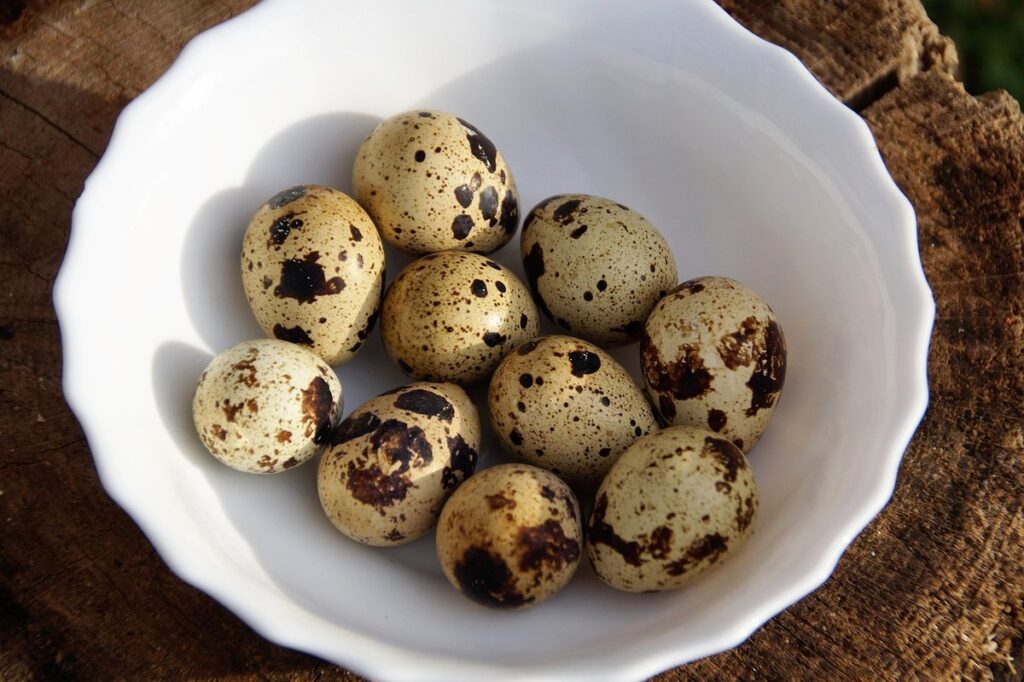
Introduction to Keeping Quail
When it comes to keeping quail, a good understanding of their needs and requirements is essential for success. This section will cover the basics of introducing quail to your home or backyard.
Benefits of Raising Quail
Raising quail can be an incredibly rewarding experience, especially for those who are new to backyard poultry keeping. One of the primary benefits is their quiet nature – unlike chickens, quail are relatively silent birds that won’t disturb neighbors or other family members. This makes them an ideal choice for urban dwellers or those with noise restrictions.
Another significant advantage is their low space requirements. Quail require a fraction of the space needed to raise chickens and can thrive in compact enclosures as small as 2×3 feet. This makes them perfect for tiny backyards, patios, or even indoor spaces. Plus, they’re relatively easy to care for and don’t need a lot of equipment or maintenance.
In terms of egg production, quail are another excellent choice. They lay around 200-300 eggs per year, making them a great option for small-scale producers who want to supplement their family’s egg needs without breaking the bank on feed and infrastructure. With proper care and management, a single quail flock can provide a steady supply of fresh eggs right in your own backyard!
Setting Up a Quail Breeding Program
Setting up a quail breeding program requires careful planning and attention to detail. To get started, you’ll need to acquire healthy birds that are suitable for breeding. Look for birds with good conformation, bright eyes, and a lively demeanor. It’s also essential to source birds from reputable breeders or suppliers who can provide documentation of their birds’ health and pedigree.
Once you have your birds, create a suitable enclosure that provides adequate space, ventilation, and lighting. Quail require a lot of exercise, so the enclosure should be at least 2x4x4 feet in size. Line the enclosure with a deep layer of wood shavings or sand to provide a comfortable surface for the quail to stand on.
Designing a feeding plan is also crucial for successful breeding. Quail have different nutritional requirements at various stages of their life cycle. Provide a balanced diet that includes a mix of grains, proteins, and fruits. You can supplement their diet with calcium and vitamins to promote strong eggshell production and overall health.
Choosing the Right Quail Breed
When selecting a quail breed for your backyard flock, it’s essential to consider factors such as egg-laying abilities and temperament. Each breed has its unique characteristics that will influence your experience.
Characteristics of Popular Quail Breeds
When it comes to choosing the right quail breed for your backyard flock, understanding their distinct characteristics is crucial. Let’s take a closer look at some of the most popular breeds and what makes them unique.
For example, Button Quails are one of the smallest breeds, reaching only about 4-5 inches in length, making them perfect for small enclosures or apartments. On the other hand, California Quails can grow up to 10 inches long, requiring more space and a larger aviary. In terms of egg-laying abilities, Japanese Coturnix Quails are prolific layers, producing around 200 eggs per year, while Button Quails lay only about 100-150 eggs annually.
In terms of temperament, some breeds like the Blue-breasted Quail are known to be friendly and social, while others like the Harlequin Quail can be more skittish and challenging to handle. Feather patterns also vary greatly between breeds, with some displaying vibrant colors and intricate designs. For instance, the Painted Button Quail features a stunning black-and-white striped pattern on its back.
Ultimately, choosing the right quail breed for your needs will depend on your specific circumstances and preferences.
Factors to Consider When Selecting a Quail Breed
When selecting a quail breed, there are several factors to consider depending on your specific needs and goals. If you’re looking for a high egg production, some breeds like the Japanese Coturnix Quail or the Button Quail excel at laying up to 200 eggs per year. These breeds are ideal for small-scale farmers or backyard enthusiasts who want to harvest fresh eggs.
On the other hand, if you’re keeping quails as pets, look for breeds that are friendly and docile, such as the Coturnix Quail or the Blue Scale Quail. These birds are known for their gentle nature and can make great companions for families with children.
Consider factors like noise level, size, and temperament when choosing a breed. Some quails, like the Chinese Painted Quail, are relatively quiet and can thrive in small spaces, making them perfect for urban backyard keepers. Always research the specific needs of your chosen breed to ensure you can provide the right environment and care.
Ultimately, choose a breed that aligns with your lifestyle, available space, and desired level of involvement in quail keeping. This will help you create a harmonious and rewarding experience for both you and your feathered friends.
Caring for Your Quail Flock
Caring for your quail flock is a crucial aspect of responsible quail keeping, and we’ll walk you through the essential tasks to keep them happy and healthy. From nutrition to hygiene, it’s all covered here.
Nutrition and Feeding Requirements
Quails have specific nutritional needs that must be met to ensure they stay healthy and thrive. A balanced diet is crucial for their overall well-being, and failing to provide the necessary nutrients can lead to health issues such as malnutrition, weakened immune systems, and even death.
Quails are omnivores, which means they eat both plants and proteins. Their diet should consist of a mix of commercial quail feed, vegetables, fruits, and occasional treats like mealworms or sunflower seeds. A good quality commercial feed should be the main staple of their diet, providing all the necessary nutrients for growth and maintenance.
Some essential nutrients to ensure your quails receive include calcium for strong eggshell production, protein for muscle growth and repair, and vitamin D3 for bone health. Avoid feeding them foods high in salt or sugar, as these can lead to serious health problems. Fresh water should always be available, changed frequently to prevent bacterial growth.
When introducing new foods, do so gradually to prevent digestive upset. For example, you may start by offering small amounts of leafy greens like kale or spinach, then gradually increase the quantity and variety over time.
Watering and Hydration Systems
Providing clean water is crucial for maintaining the health and well-being of your quail flock. A constant supply of fresh water should be available at all times to prevent dehydration and related health issues. Quails need about 1-2 cups of water per day, depending on their age, size, and activity level.
There are several watering systems suitable for quail enclosures. One option is the use of hanging water bottles or jugs with tubes leading to the birds’ feeding area. This design allows for easy refilling without disturbing the birds. Another option is the installation of a waterer that can be attached to the side of the enclosure, making it easily accessible for the quails.
When choosing a watering system, consider factors such as the size and number of quails in your flock, their feeding habits, and the ease of cleaning and maintenance. A good rule of thumb is to provide one water source per 5-10 birds to prevent overcrowding and competition for resources. Regularly check the water quality and replace it with fresh water daily to keep your quail flock healthy and thriving.
Health Issues in Quail Flocks
Quail health can be unpredictable, so it’s essential to be aware of common issues that affect flocks and know how to identify them early on. This section will explore potential health problems in quails.
Common Health Problems Affecting Quail
Quails are prone to several common health issues that can have significant impacts on their well-being and productivity. Respiratory problems, such as tracheal mites and pneumonia, are often caused by inadequate ventilation or poor living conditions. These issues can be mitigated by ensuring quail enclosures have adequate airflow and are regularly cleaned.
Parasites, including internal worms and external lice, can also affect quails. Prevention methods include providing a balanced diet, maintaining clean water sources, and performing regular checks on birds for signs of infestation. Regular deworming programs should be implemented as part of an overall parasite management strategy.
Diseases such as coccidiosis, a common issue in quail flocks, can cause significant losses if left unchecked. Factors contributing to disease outbreaks include poor sanitation, inadequate nutrition, and overcrowding. To prevent disease, maintain a clean environment, provide adequate space for each bird, and ensure a balanced diet.
Regular monitoring of birds’ behavior and physical condition will help identify potential health issues early on, allowing for timely intervention and treatment. This proactive approach can significantly improve quail health and overall well-being.
Preventative Measures and First Aid Techniques
Maintaining a healthy quail flock requires regular attention to preventative measures and prompt application of first aid techniques when issues arise. A clean environment is crucial; ensure feeders and waterers are regularly cleaned and changed, and keep the coop well-ventilated to prevent ammonia buildup.
Vaccinations are not typically necessary for quails, but a balanced diet rich in protein, calcium, and vitamins will help boost their immune system. Provide a mix of grains, fruits, and vegetables in moderation, along with supplements specifically formulated for quail nutrition.
For minor injuries or illnesses, monitor your flock closely and seek veterinary care if you notice any unusual behavior, such as lethargy, loss of appetite, or labored breathing. Basic first aid includes applying a clean dressing to wounds, administering gentle antibiotics, and providing an electrolyte-rich solution to prevent dehydration.
When treating common issues like respiratory infections, use a humidifier to add moisture to the air and reduce stress on the birds. For more severe conditions, contact a local avian veterinarian for professional guidance and treatment options.
Breeding and Rearing Quail
When it comes to successfully keeping quail, breeding and rearing these birds is a crucial aspect that requires attention to detail and proper techniques. In this next section, we’ll dive into the ins and outs of caring for your quails from birth to maturity.
Understanding Quail Reproduction
Quails are prolific breeders and can lay eggs at an incredible rate. The reproductive cycle of quails is designed to optimize egg production and ensure the survival of their species. Female quails typically reach breeding maturity at around 20-25 weeks, while males mature a bit earlier at around 18-22 weeks.
The mating habits of quails are fascinating. They form monogamous pairs during the breeding season, which usually lasts from spring to autumn. Males will often sing to attract females and establish dominance within their territory. Once paired, they will mate frequently, with males performing a complex courtship ritual involving strutting, preening, and presenting food offerings.
Female quails typically lay 5-6 eggs per week during peak breeding season, which can last from March to September in temperate climates. The eggs are usually white or light brown in color and have a distinctive ‘pebble-like’ texture. It’s essential to provide your quail with adequate nesting boxes and perches to encourage healthy laying habits. Regular egg collection is also crucial to prevent breakage and promote continued production.
Tips for Successful Brooding and Raising Chicks
When it comes to raising young quail chicks, providing a suitable environment is crucial for their growth and development. One of the most critical factors to consider is temperature control. Quail chicks require a warm environment, with temperatures ranging from 90°F to 100°F (32°C to 38°C) during the first few days after hatching. To achieve this, you can use a heat lamp or a brooder with built-in heating elements.
Humidity management is also essential for quail chicks. They thrive in a humid environment, typically between 50% and 60% relative humidity. You can maintain optimal humidity levels by misting the enclosure with water daily or using a humidifier. In terms of feeding strategies, provide starter feed specifically formulated for young game birds within the first few hours after hatching. Use shallow dishes to prevent tipping over, and place them near the chicks’ nesting area.
Regular monitoring is vital to ensure the chicks receive adequate food and water, and that the environment remains optimal.
Managing Your Quail Flock
As you expand your quail flock, it’s essential to establish a routine for managing their health, behavior, and living space. This involves tasks like monitoring egg production, keeping the coop clean, and providing adequate food and water.
Biosecurity Measures to Prevent Disease Spread
Biosecurity is crucial when it comes to maintaining a healthy quail flock. Disease transmission can occur through various means, including contact with infected birds, contaminated feed and water, and poor sanitation practices. To prevent the spread of disease, implement strict biosecurity protocols. This includes regular cleaning and disinfection of coops, feeding areas, and watering systems.
When introducing new birds to your flock, isolate them for at least 30 days before integrating them into the main group. This allows you to monitor their health and detect any potential issues early on. Keep a close eye on your quail’s behavior, appetite, and droppings, as these can be indicators of illness.
Practice good hygiene by washing your hands thoroughly after handling birds or cleaning coops. Use protective gear like gloves and masks when dealing with sick or stressed birds to prevent the transmission of disease. Implement a vaccination program for common diseases affecting quails, such as coccidiosis and infectious bronchitis. Regularly inspect your flock’s living conditions, including ventilation, temperature control, and humidity levels, to identify potential risks.
Quail Behavior and Enrichment Techniques
Quails require both mental and physical stimulation to prevent boredom, stress, and health problems. To promote quail behavior and encourage natural habits, it’s essential to provide enrichment activities that cater to their instincts.
Quail Enrichment Techniques:
One of the simplest ways to enrich your quail’s environment is by providing a varied diet. Offer fresh vegetables daily, such as leafy greens, carrots, and sweet potatoes. This will not only keep them occupied but also ensure they receive essential nutrients. You can also rotate their toys and accessories every few weeks to prevent boredom.
Habitat Modification Ideas:
Modify your quail’s habitat by adding plants that provide shade and shelter from extreme temperatures. Incorporate water features like shallow dishes or birdbaths for bathing and exercise. Ensure the enclosure has adequate ventilation to maintain a healthy environment. Consider adding climbing structures, ladders, or perches to promote physical activity.
Rotating toys and accessories will keep your quail active and engaged, mimicking their natural behavior of exploring and foraging.
Frequently Asked Questions
Can I raise quail indoors without a large backyard?
Quail can thrive in indoor environments, but it’s essential to provide adequate space for them to move around, exercise, and engage in natural behaviors. A minimum of 2-3 square feet per bird is recommended. Ensure proper ventilation, lighting, and temperature control to mimic their natural habitat.
How often should I collect quail eggs?
Quail are prolific egg layers, producing an average of 200-300 eggs per year. Collect eggs daily to encourage continued laying and prevent breakage. Store them in a clean, dry environment to maintain quality and freshness for consumption or breeding purposes.
What is the ideal age for starting a quail breeding program?
While some breeders begin with juvenile birds, it’s recommended to start with experienced adults (at least 6-12 months old) to ensure successful reproduction. Proper selection, nutrition, and care are crucial in achieving healthy offspring.
Can I raise different breeds of quail together in the same flock?
Introducing multiple breeds can be challenging due to varying temperaments and reproductive needs. It’s best to maintain a single breed or closely related species to simplify management and ensure optimal health and productivity.
How do I handle common health issues in quail flocks, such as respiratory problems?
Yes. Quail are susceptible to respiratory issues due to poor ventilation or environmental stress. To mitigate this risk, provide regular cleaning, adequate space, and proper feeding. Consult with a veterinarian if symptoms persist, and implement preventative measures like dust-free bedding and reduced ammonia levels.