
Raising both turkeys and chickens on your farm can be a great way to diversify your income, but it requires careful planning. If done correctly, you can reap the benefits of having a mixed flock. For one, a turkey-chicken combination allows for a more balanced ecosystem, where each species’ unique traits complement the others. However, this also means considering breed selection, housing requirements, and nutritional strategies to ensure the health and well-being of both birds. In this article, we’ll explore the ins and outs of successfully raising turkeys and chickens together, including expert advice on benefits, breed selection, and management tips. Whether you’re a seasoned farmer or just starting out, this guide will help you navigate the challenges and rewards of mixed-flock farming.
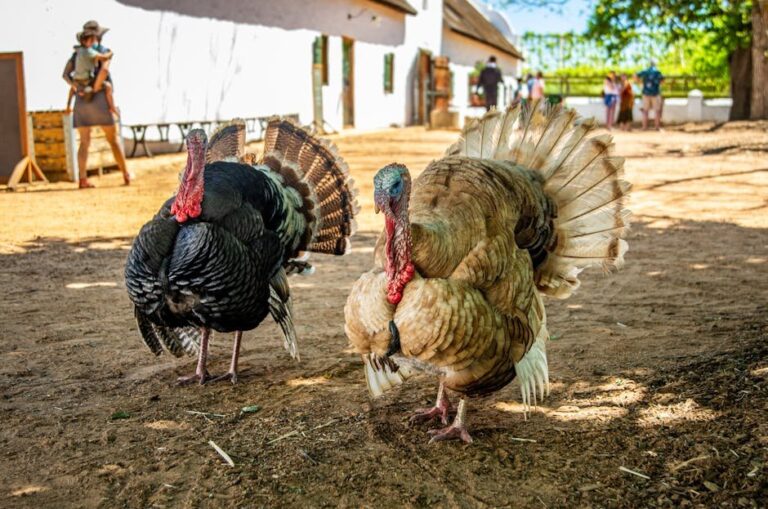
Benefits of Raising Turkeys and Chickens Together
Raising turkeys and chickens together can have a range of surprising benefits, from increased egg production to improved pest control. Let’s explore some of these advantages in more detail.
Advantages of Diverse Species
When you raise turkeys and chickens together, one of the most significant advantages is the creation of a diverse species flock. This diversity brings numerous benefits that can enhance the overall health, productivity, and well-being of both birds.
One key advantage of having a mixed flock is reduced stress levels. Turkeys and chickens have different personalities, habits, and natural behaviors that complement each other. For instance, turkeys are generally calm and gentle, while chickens can be more energetic and social. By combining the two species, you create a more balanced environment where birds can learn from each other and adapt to new situations.
In addition, having multiple bird species forages together is more efficient and effective than if they were alone. Turkeys have a unique way of scratching and pecking at food on the ground, which helps uncover hidden treats that chickens might miss. Conversely, chickens are excellent scratchers and can help turn up soil to reveal buried seeds or insects that turkeys may not find otherwise.
The combination also stimulates increased egg production in hens. Studies have shown that hens laid more eggs when kept with other bird species compared to those isolated from others.
Creating a Harmonious Environment
When introducing turkeys and chickens to each other, it’s essential to do so gradually to avoid any potential conflicts. Start by keeping them separate at first and allowing them to become familiar with each other’s sights, sounds, and smells through fencing or a gate. Once they seem comfortable with each other’s presence, begin supervised interactions under close observation.
To establish a pecking order, allow the flock to settle into a natural hierarchy. This process can take several days to a week. Observe your birds’ behavior closely, noting any aggressive behavior and intervening if necessary. For example, if you notice one turkey dominating the chickens, try separating them for a few hours or switching their perches.
Minimizing conflicts requires attention to individual personalities, providing enough space, and ensuring access to food, water, and shelter. Monitor your flock’s dynamics and make adjustments as needed. Keep in mind that turkeys are generally larger and more territorial than chickens, so it’s crucial to provide adequate space for them to roam without feeling crowded or competing with the chickens for resources.
It’s also a good idea to separate males from females if you’re planning to breed, as they can become aggressive during mating season. By introducing them gradually, establishing a pecking order, and minimizing conflicts, you’ll be well on your way to creating a harmonious mixed flock environment.
Disease Prevention in Mixed Flocks
When keeping turkeys and chickens together, one of the primary concerns is disease transmission between species. While raising these birds together can be beneficial, it also increases the risk of diseases spreading from chickens to turkeys, and vice versa.
Turkeys are more susceptible to diseases such as histomoniasis (blackhead) and Eimeria meleagrimitis, which can be transmitted through contact with infected chicken droppings. Chickens, on the other hand, are prone to diseases like avian influenza and Marek’s disease, which can be spread through respiratory contact with turkeys.
To mitigate these risks, it’s essential to implement strict biosecurity protocols, such as:
* Regularly cleaning and disinfecting coops and equipment
* Separating new birds from the rest of the flock for a few weeks before introducing them to the mixed flock
* Monitoring bird health closely and taking prompt action if any signs of disease appear
Additionally, consider consulting with your veterinarian about vaccination programs specifically designed for mixed species flocks.
Choosing the Right Breeds for Your Mixed Flock
When creating a mixed flock, selecting breeds that complement each other is crucial to avoid conflicts and ensure a harmonious coop environment. Let’s explore how to choose the right breeds together!
Selecting Compatible Turkey Breeds
When selecting compatible turkey breeds for your mixed flock, it’s essential to consider their temperament, size, and nutritional requirements. If you’re new to keeping turkeys, start with smaller breeds like the Narragansett or the Bourbon Red. These birds are known for their gentle nature and won’t compete with your chickens for food.
When choosing a breed, also think about its growth rate. Faster-growing breeds may be more aggressive towards other birds in the flock, so it’s best to select slower-growing breeds that will mature more harmoniously alongside your chickens. Look for breeds like the Slate or the White Holland, which have a milder temperament and are less likely to fight with your chicken hens.
It’s also crucial to consider the nutritional requirements of your turkey breed. Some breeds require more protein-rich feed than others, so make sure you’re providing the right nutrition for each species in your flock. A balanced mix of grains, proteins, and minerals will help prevent conflicts over food resources and promote overall health within your mixed flock.
Identifying Chicken Breeds That Thrive in Turkeys’ Presence
When it comes to creating a harmonious mixed flock with both turkeys and chickens, selecting the right chicken breeds is crucial. Some chicken breeds have a long history of being kept alongside turkeys, making them perfect additions to your farm or backyard.
Silkies, for instance, are one of the most popular choices for mixed flocks. These fluffy friends have been known to thrive in the presence of turkeys and even seem to enjoy their company! Their gentle nature and ability to get along with others make them an excellent choice for a flock that includes turkeys.
Another breed worth considering is Polish chickens. With their stunning crests and friendly demeanor, Polishes are a great fit for families who want to raise both chickens and turkeys together. They’re known to be social birds that enjoy being around other animals, making them a perfect match for turkeys.
When selecting breeds for your mixed flock, look for those with similar temperaments and personalities to ensure a harmonious coexistence between chickens and turkeys. By choosing the right breeds, you can create a balanced and thriving flock that brings joy to both you and your feathered friends!
Tips for Selecting the Optimal Breed Mix
When selecting breeds for your mixed flock, it’s essential to choose ones that complement each other’s strengths and weaknesses. For example, if you’re looking to pair turkeys with chickens, consider a breed like the Heritage Turkey, which is known for its gentle nature and slow growth rate. This makes them an excellent match for smaller or more docile chicken breeds, such as Leghorns or Orpingtons.
On the other hand, larger and more energetic chicken breeds, like Rhode Island Reds or Plymouth Rocks, may not be the best fit with turkeys. These birds can be too boisterous for turkeys, which prefer a more relaxed environment. Conversely, some breeds of chickens, such as Silkies or Polish, can get along well with turkeys due to their calm demeanor.
When selecting breeds, consider factors like size, temperament, and egg-laying habits. You’ll want to choose breeds that will coexist peacefully and provide the benefits you’re looking for in a mixed flock. Research different breed characteristics, talk to experienced farmers or breeders, and observe how various breeds interact with each other before making your final selection.
Housing Considerations for Mixed Flocks
When it comes to housing, you’ll want to ensure your turkey and chicken flock members have a safe and suitable living space that meets their unique needs. A well-planned coop design is essential for mixed flocks.
Providing Adequate Space and Shelter
When keeping turkeys and chickens together, it’s crucial to provide adequate space and shelter for both species. This includes ensuring that the fencing around their enclosure is secure and at least 3 feet high to prevent escape attempts by the larger turkeys. You’ll also want to design a coop that allows for easy movement between the two species, as well as providing separate areas for roosting, nesting, and dust bathing.
In terms of ventilation, it’s essential to ensure good airflow within the coop to prevent ammonia buildup from droppings. A good rule of thumb is to provide at least 2 square feet of space per bird inside the coop, with adequate windows or vents to allow for air exchange. Consider installing a covered run to protect your birds from harsh weather conditions and predators.
When choosing a coop design, consider using materials that are easy to clean and maintain, such as metal or plastic. You’ll also want to ensure that the doors are secure and easily accessible for regular cleaning and feeding. By providing sufficient space and shelter, you can create a harmonious environment for both your turkeys and chickens to thrive in.
Meeting the Unique Needs of Each Species
When keeping turkeys and chickens together, it’s essential to meet their unique housing needs. Turkeys require more space than chickens due to their large size and energetic nature. A general rule of thumb is to provide at least 2-3 square feet per turkey, compared to the standard 1-2 square feet for chickens. This increased space will help prevent overcrowding and stress.
When it comes to roosting bars, turkeys prefer a wider bar than chickens, typically around 12-18 inches wide. Chickens can get by with narrower bars, but providing a higher bar for both species can encourage them to fly up and use their perches without competition. Don’t forget about nesting boxes – turkeys are prolific brooders and will often claim the box as their own if they feel safe and secure.
By considering these differences, you can create a harmonious mixed flock environment that meets the needs of each species.
Integrating Turkeys and Chickens into Existing Coops or Runs
If you’re already set up with a coop and run for chickens, don’t worry – integrating turkeys into your existing infrastructure is definitely doable. Start by assessing what changes need to be made. Turkeys are larger than most chicken breeds, so they’ll require more space to move around comfortably. Consider adding extensions or widening the run to provide at least 10-15 square feet of outdoor space per turkey.
When it comes to coop modifications, focus on increasing ventilation and providing adequate roosting bars for your turkeys. A good rule of thumb is to have one foot of roosting bar length per bird. Make sure the entrance and exit points are secure and predator-proofed, as turkeys can be more susceptible to stress.
In terms of bedding and nesting boxes, you may need to make some adjustments. Turkeys are notorious for scratching and digging, so a deeper layer of dry bedding like straw or pine shavings will help keep them clean. You may also want to consider adding additional nesting boxes or modifying the existing ones to accommodate your turkeys’ needs.
As with any change, give your birds time to adjust to their new environment. Observe how they interact and use the space, making adjustments as needed to ensure everyone is happy and healthy.
Nutrition and Feeding Strategies
When it comes to keeping turkeys and chickens together, nutrition is a crucial aspect to consider. We’ll explore feeding strategies that work for both species in harmony.
Understanding the Nutritional Needs of Each Species
When it comes to keeping turkeys and chickens together, understanding their unique nutritional needs is crucial. Turkeys, especially tom turkeys, require more protein than chickens. A minimum of 16-18% protein content in the feed is recommended for turkeys, whereas chickens can thrive on 14-15%. This is because turkeys are naturally larger and more active than chickens.
Calcium levels also play a significant role in the nutrition of both birds. Turkeys require higher calcium levels, especially during breeding season, to support strong eggshell production and bone growth. A calcium level of around 1% is ideal for turkeys, whereas chickens can do with about 0.5-0.6%. Adding crushed oyster shells or dark leafy greens like kale and spinach can help supplement their calcium intake.
When creating a mixed-flock feed blend, it’s essential to consider these differences in nutritional requirements. A general rule of thumb is to provide separate feeding areas for each species, but if you’re short on space, offering a higher-protein, calcium-rich layer feed can meet the needs of both turkeys and chickens. However, always ensure fresh water and a balanced diet are readily available to prevent any potential health issues that may arise from nutritional imbalances.
Developing a Comprehensive Feeding Plan
When it comes to feeding turkeys and chickens together, it’s essential to develop a comprehensive plan that considers their unique nutritional needs. A balanced diet is crucial for maintaining the health of both species. One approach is to provide separate feeders for each species, ensuring that they have access to clean water and food at all times.
However, if you prefer to feed them together, make sure to use a feeder that’s large enough to accommodate both species comfortably. Consider using a feeder with multiple compartments or dividers to prevent competition and ensure that each bird gets its fair share of food. It’s also crucial to monitor their consumption and adjust the feeding plan accordingly.
To prevent disease transmission, it’s essential to maintain good hygiene practices, such as regularly cleaning feeders and watering systems. Avoid overcrowding and provide adequate space for both species to roam freely. By following these guidelines, you can create a harmonious and healthy mixed flock environment that benefits both turkeys and chickens.
Supplemental Nutrition and Treats
When it comes to maintaining a healthy mixed flock of turkeys and chickens, providing supplemental nutrition and treats can play a crucial role. Treats can be an excellent way to encourage social interaction and strengthen bonds between the birds. For example, you can try placing treats like cracked corn or sunflower seeds on the ground for them to forage together.
In addition to treats, consider adding supplements to their diet, especially during times of stress or change, such as when introducing new birds to the flock. A good quality probiotic supplement can help maintain a healthy gut microbiome and boost immune systems. You can also add a small amount of apple cider vinegar to their water to aid digestion.
However, it’s essential to note that too many treats or supplements can be detrimental to the health of your flock. Be sure to follow these guidelines: introduce new foods gradually, in small amounts, and monitor for any adverse reactions. Aim to provide about 10% of their daily calories from treats and supplements, not exceeding this amount to avoid overfeeding.
When selecting treats and supplements, choose options that are nutrient-rich and free from additives or preservatives. Consider the needs of your specific flock and consult with a veterinarian if you have concerns.
Managing Health and Hygiene
When keeping turkeys and chickens together, maintaining good health and hygiene is crucial for the well-being of your flock. This means having a solid understanding of how to prevent disease and keep your birds healthy.
Monitoring Health Indicators
When keeping turkeys and chickens together, it’s essential to monitor their health indicators closely. Changes in behavior or physical condition can be subtle, so keep a close eye on these key signs of illness or stress.
Look for changes in appetite – if either species seems to be eating more or less than usual, it could be a sign of an underlying issue. Similarly, changes in droppings are often one of the first signs that something is amiss. For example, if droppings become watery or contain blood, it’s likely a health concern.
Check the feather condition as well – matted, dull, or excessively ruffled feathers can be indicative of stress or illness. Keep an eye out for unusual behavior like panting, pacing, or vocalization – these can all be signs that your flock is under pressure.
Monitor both species’ weights regularly and take action if you notice any significant changes. By being proactive and vigilant, you’ll be able to catch potential health issues early on and provide the necessary care to prevent them from escalating.
Implementing Regular Health Checks
Regular health checks are crucial for maintaining the overall well-being of your mixed flock. Turkeys and chickens can be prone to various diseases and parasites that can spread quickly if not detected early on.
When inspecting your birds, look out for signs of mites, lice, or fleas, which can cause discomfort, stress, and even lead to secondary infections. Check for any unusual feathers loss, redness around the eyes, or excessive scratching. Regularly clean the coop and surrounding areas to reduce the risk of parasite infestations.
It’s also essential to monitor your birds’ behavior and appetite, as changes in these areas can indicate underlying health issues. Keep an eye out for signs of injury, such as wounded wings or legs. A weekly examination will help you catch any potential problems before they escalate into more serious issues.
Remember to inspect your turkeys and chickens separately, as some health concerns may affect one species more than the other. For instance, turkeys are more susceptible to blackhead disease, which can be spread by internal parasites.
Maintaining Clean Living Conditions
When keeping turkeys and chickens together, maintaining clean living conditions is crucial for their health and well-being. A mixed flock requires a bit more attention to detail when it comes to waste removal, cleaning schedules, and disinfection protocols.
Start by separating manure from the coop and run on a regular basis, ideally daily or every other day during peak egg-laying seasons. This will prevent the buildup of ammonia, which can be toxic to both turkeys and chickens. Use a wheelbarrow or scoop to collect droppings and store them in a designated area for composting.
Create a cleaning schedule that suits your flock’s needs. For example, clean the coop every 2-3 weeks by scrubbing surfaces with a mixture of water and vinegar. Disinfect high-touch areas like feeders and waterers weekly using a poultry-safe disinfectant. Regularly inspect the run for signs of wear and tear, and repair or replace damaged netting to prevent escape routes.
By prioritizing clean living conditions, you’ll help create a healthy environment for your mixed flock to thrive in. Remember, a clean coop and run are essential for maintaining the well-being of both turkeys and chickens.
Case Studies and Best Practices
Let’s dive into some real-life examples of mixed flocks, where experienced farmers have successfully integrated turkeys and chickens together, sharing their triumphs and lessons learned. You’ll gain valuable insights to inform your own flock management decisions.
Real-World Examples of Successful Mixed Flocks
When it comes to keeping turkeys and chickens together, many farmers and backyard growers have successfully implemented this practice. For instance, Emily Owens of Green Acres Farm in Vermont has been running a mixed flock for over five years, with impressive results. Her farm is home to 20 Narragansett turkeys and 50 assorted chicken breeds, all living harmoniously under one roof.
Owens credits the success of her mixed flock to careful planning and management. She starts by separating the chicks from the turkeys when they’re young, so they don’t get too familiar with each other. As they grow, she gradually introduces them to each other in a controlled environment. Owens also ensures that all birds have access to separate feeders and watering systems to prevent competition and stress.
A notable example of how mixed flocks can thrive is the story of Jeff Mattocks from Backyard Flock Farm in California. He began with 10 chickens and two young turkeys, which he raised together from a very young age. Today, his flock consists of over 30 birds, including turkeys, chickens, and even guineas.
Lessons Learned from Failed Mixed Flocks
Many farmers have attempted to raise mixed flocks of turkeys and chickens, but unfortunately, not all of them have been successful. Analyzing these failed endeavors can help us avoid similar mistakes and create a harmonious flock. One common issue is introducing the species too quickly, leading to stress and aggression. We’ve seen cases where new birds were added to an existing flock without adequate acclimation time, resulting in pecking orders being established too rapidly.
To avoid this pitfall, it’s essential to gradually introduce new birds, allowing them to get familiar with their surroundings and each other. Start by keeping the new birds separate for a few days before integrating them into the main flock. This will enable you to monitor behavior and catch any potential issues early on. Another critical lesson learned is that turkeys require more space and resources than chickens, so be sure to provide adequate square footage and feeding troughs to meet their needs. By doing so, you can create a thriving mixed flock where both species coexist peacefully.
Expert Insights and Recommendations
When it comes to managing mixed flocks of turkeys and chickens, there are several expert insights and recommendations that can help you navigate common issues. According to poultry experts, one of the most important things to consider is introducing the two species slowly and under close supervision.
For instance, start by keeping them in separate enclosures for a few days before letting them interact with each other. This allows both birds to get used to each other’s presence without feeling threatened or territorial.
As you introduce your turkeys and chickens, monitor their behavior closely for any signs of aggression or stress. Make sure they have adequate space to move around and enough food and water sources to reduce competition.
Some common issues that may arise in mixed flocks include feather pecking, broodiness, and dominance battles. To address these problems, you can try separating the birds at night when they’re most active, or providing additional enrichment activities to keep them occupied.
By following these expert recommendations and staying vigilant, you can create a harmonious and thriving mixed flock that brings joy and productivity to your backyard farm.
Frequently Asked Questions
Can I start with just a few turkeys and chickens to test the compatibility of our flock?
Yes, starting small is an excellent idea when introducing turkeys and chickens together. This allows you to observe their behavior, identify any potential issues, and make adjustments before expanding your mixed flock.
How do I ensure that my turkey breed selection will be compatible with my existing chicken breeds?
To guarantee a harmonious environment, research the personalities and temperaments of both your turkey and chicken breeds. Look for breeds known for being calm or docile to pair well with more energetic species. Consult breeders or online forums for advice on specific breed combinations.
Can I integrate turkeys into an existing coop or run if it’s already home to chickens?
Yes, but it requires careful planning to avoid stressing the birds. Ensure sufficient space and housing adjustments are made before introducing turkeys to the existing flock. Monitor their behavior closely, making any necessary changes to promote a peaceful coexistence.
How do I determine the optimal feed ratio for my mixed-flock birds?
When developing a comprehensive feeding plan, consider the unique nutritional needs of both species. A general rule is to provide 1/4 to 1/3 more protein-rich food for turkeys than chickens. Regularly monitor their health and adjust feeding plans accordingly.
What are some common signs that my mixed-flock birds might be experiencing stress or disease?
Watch for changes in appetite, droppings quality, or unusual behavior among your flock members. Monitor their living conditions closely and maintain clean facilities to prevent diseases from spreading. If you suspect any issues, consult a veterinarian specializing in poultry health.