
Are you considering adding some feathered friends to your backyard farm or small space, but not sure where to start? With over 300 recognized chicken breeds worldwide, choosing the perfect one can be a daunting task. From gentle giants to high-egg layers, each breed has its unique characteristics, needs, and personalities. Whether you’re a seasoned farmer or a beginner, selecting the right breed is crucial for a successful and enjoyable backyard chicken-keeping experience.
In this article, we’ll explore over 20 unique chicken breeds, highlighting their traits, benefits, and requirements. We’ll also provide expert tips on how to choose the perfect breed for your specific needs and space constraints. Whether you’re looking for high egg production, low maintenance, or friendly companions, our guide will help you navigate the world of chicken breeds and make an informed decision that suits your lifestyle and farm goals.
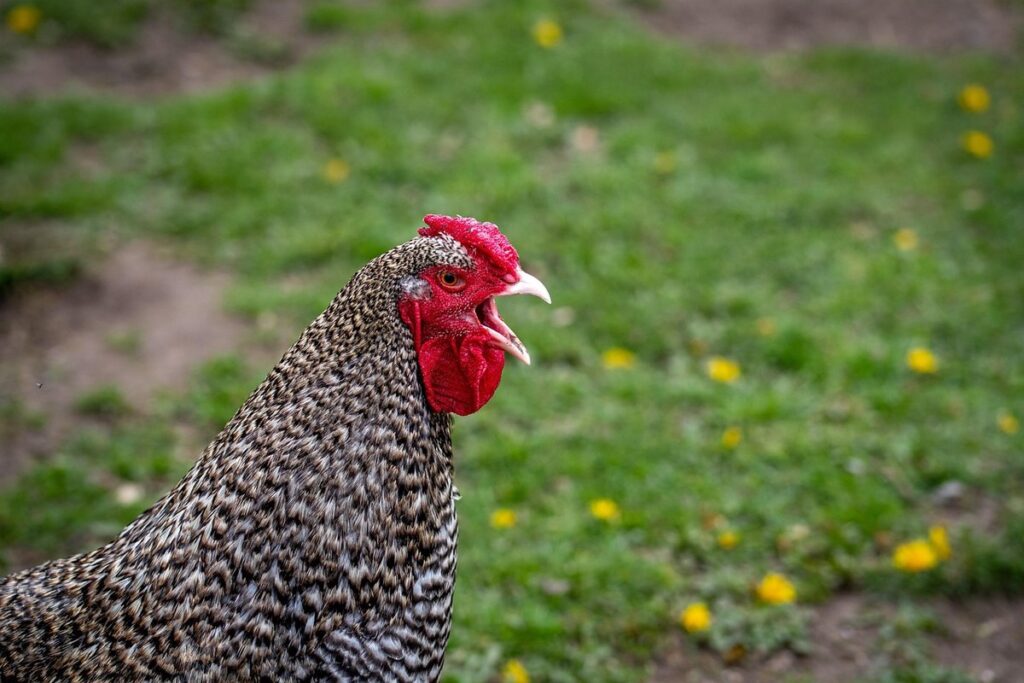
Introduction to Chicken Breeds
Let’s dive into the wonderful world of chicken breeds, starting with a comprehensive overview of the diverse range that exists today. You’ll discover over 300 distinct breeds!
What Makes a Chicken Breed Unique
When it comes to chicken breeds, what makes one unique compared to another? The answer lies in several key factors that distinguish these incredible birds from one another. Size is a notable characteristic, with some breeds like the Jersey Giant and Orpington growing to impressive heights of up to 10 pounds or more, while others like the Bantam remain tiny.
Egg-laying capacity is another crucial factor, with some breeds producing an astonishing number of eggs per year. For instance, the Leghorn can lay as many as 300 large white eggs annually, making it a top choice for backyard egg enthusiasts. On the other hand, some breeds like the Silkie are known for their gentle disposition and low-egg-laying ability.
A chicken’s temperament is also an essential aspect of its uniqueness. Some breeds, such as the Brahmas and Cochin, are known to be docile and friendly, making them ideal pets for families with children. Others, like the Sussex and Plymouth Rock, possess a more energetic personality, requiring regular exercise and mental stimulation.
Finally, appearance plays a significant role in what makes a chicken breed stand out. From the fluffy feathers of the Polish to the iridescent sheen of the Ameraucana’s plumage, each breed boasts its own distinctive style.
History of Chicken Breeding
The history of chicken breeding is a fascinating story that spans thousands of years. Archaeologists have found evidence of domesticated chickens dating back to around 6000 BC in Southeast Asia. Initially, these early birds were likely wild jungle fowl crossed with red jungle fowl to create the first domesticated breeds.
As civilizations evolved and trade routes expanded, chicken breeding became a specialized art form. In ancient Egypt, for instance, selective breeding was used to develop distinct breeds with desirable characteristics such as size, egg-laying ability, and plumage color. The Egyptians prized large, meat-producing birds like the Moulard duck (which is actually a cross between a drake and a goose!) alongside the Khaki Campbell, one of the earliest known dual-purpose chicken breeds.
Throughout history, breeders have selectively bred chickens for various purposes: eggs, meat, fighting, or show. This deliberate selection has yielded over 300 distinct breeds worldwide today, each with its unique characteristics, temperaments, and uses. By understanding this rich history, you can begin to appreciate the intricate process behind creating the diverse range of chicken breeds available in the market.
Popular Heavyweight Chicken Breeds
If you’re looking for a show-stopping bird that packs some serious heft, look no further than these popular heavyweight chicken breeds. From their impressive plumage to their robust build, they’re sure to make an impression.
1. Orpingtons: Gentle Giants
Orpingtons are a popular heavyweight breed known for their gentle nature and impressive size. As backyard farmers and egg enthusiasts, you’ll appreciate their calm temperament, making them an excellent choice for families with children or for those new to raising chickens.
These birds grow at an average rate, reaching maturity in around 20-24 weeks, which is slightly slower than some other breeds. However, the wait is worth it – Orpingtons are prolific egg layers, producing around 200 large brown eggs per year. Their egg production peaks between 18 and 22 months of age.
When it comes to health, Orpingtons can be prone to obesity due to their love for food. Ensure they get regular exercise and a balanced diet to maintain a healthy weight. Additionally, keep an eye out for Marek’s disease and other common chicken health issues. Overall, Orpingtons are a wonderful addition to any backyard flock, offering a gentle giant personality alongside impressive egg-laying abilities. With proper care, these birds can thrive and provide you with fresh eggs for years to come.
2. Brahma Chickens: Majestic and Loyal
Originating from India and bred specifically for size and meat production, Brahma chickens are renowned for their majestic appearance and loyal nature. Weighing between 10-20 pounds, they possess a sturdy build and long necks that are indicative of their impressive height – some Brahmas can reach as tall as 40 inches.
Their feathers are soft and fluffy with a gentle curve to the tail, while their eyes gleam bright in shades of blue or dark brown. One notable trait is their high egg-laying capacity, producing an average of 180-200 eggs per year, making them suitable for backyard farmers seeking both meat and egg production.
Brahma chickens are described as gentle giants due to their calm demeanor around people, children included. Their docile nature makes them a favorite among families who seek low-maintenance yet affectionate pets. When handling these birds, it’s essential to provide enough space for them to roam; they can become stressed if cooped up too long.
Overall, Brahma chickens are an excellent choice for those willing to invest time in providing suitable living conditions and care.
Popular Lightweight Chicken Breeds
If you’re looking for a low-maintenance yet high-reward chicken experience, look no further than these popular lightweight breeds that are perfect for small backyards. Let’s explore some of our favorites together!
1. Leghorns: High-Egg Layers
Leghorns are renowned for their incredible egg-laying abilities, making them an excellent choice for backyard chicken keepers and small-scale farmers. On average, a Leghorn hen will produce around 300 large eggs per year, with some exceptional birds laying up to 320 or more. This is due in part to the breed’s large egg size, which can reach up to 2 ounces in weight.
One of the key factors contributing to a Leghorn’s impressive egg production is their high rate of laying frequency. They are known to lay an egg almost every day, with some birds producing multiple eggs per week. However, it’s essential to note that this level of production requires adequate nutrition and a balanced diet rich in protein and calcium.
To optimize your Leghorns’ egg-laying potential, ensure they have access to high-quality feed that meets their nutritional requirements. A good rule of thumb is to provide about 16-18% protein content in their feed, along with ample fresh water and space for exercise.
2. Plymouth Rock Chickens: Friendly and Hardworking
If you’re looking for a chicken breed that’s as friendly as they are hardworking, look no further than the Plymouth Rock. These birds have a reputation for being gentle and docile, making them an excellent choice for families with children or for those who want a stress-free backyard flock.
One of the standout features of the Plymouth Rock is their impressive egg-laying capacity. On average, hens will produce around 200-220 brown eggs per year, which is a significant amount considering they’re a relatively small breed. Plus, they’re easy to care for and require minimal maintenance, making them perfect for beginners.
But what really sets the Plymouth Rock apart is their adaptability. These birds can thrive in just about any environment, from backyards with plenty of space to small apartments with a balcony or patio. They’re also natural foragers, so they’ll happily root around in the dirt and grass to find tasty treats. Whether you live on a farm or in the city, the Plymouth Rock is a breed that can adapt to your lifestyle.
In fact, many farmers appreciate their ability to free-range and forage for food, as it reduces the need for commercial feed and supplements. With proper care and attention, a flock of Plymouth Rocks can provide endless hours of entertainment and fresh eggs for years to come.
Exotic and Unusual Chicken Breeds
Get ready to meet some of the world’s most fascinating chicken breeds, each with its own unique appearance and characteristics. From silky silhouettes to fluffy feathers, these birds are sure to surprise you!
1. Silkie Chickens: Fluffy and Affectionate
Silkie chickens are a beloved breed among backyard chicken enthusiasts for their unique and charming characteristics. One of the most distinctive features of Silkie chickens is their fluffy feathers, which give them a soft and endearing appearance. Unlike other breeds with smooth plumage, Silkies have a downy coat that’s reminiscent of a rabbit or a ball of yarn.
In addition to their adorable looks, Silkie chickens are known for their docile nature. They are friendly, gentle, and make great pets for families with children. However, it’s worth noting that Silkies can be a bit more challenging to handle due to their delicate feathers, which require extra care and attention during molting season.
When it comes to egg production, Silkie chickens don’t quite match the output of some other breeds. On average, they lay about 100-120 eggs per year, making them a better choice for small-scale backyard flocks or families who want a few laying hens on their property. With proper care and management, Silkies can thrive in your flock and bring joy and affection to your family.
2. Polish Chickens: Crested and Colorful
When it comes to adding some flair to your backyard flock, Polish Chickens are an excellent choice. These charming birds boast a distinctive crest on top of their heads, which is actually a fleshy protuberance that’s soft and pliable. The crest can be quite large in some breeds, giving them a rather comical appearance.
One of the most appealing features of Polish Chickens is their vibrant plumage. You’ll find a wide range of colors to choose from, including solid, white, silver, gold, and even bearded varieties that sport feathers on their faces. Their lively personality makes them a delight to be around – they’re friendly, curious, and love to explore.
Polish Chickens are also surprisingly adaptable to small spaces, making them an excellent choice for urban farmers or those with limited room. They’re relatively quiet compared to other breeds and don’t require as much space to roam. However, keep in mind that their crest can make them more susceptible to overheating, so be sure to provide plenty of shade and ventilation in your coop.
To ensure the health and well-being of your Polish Chickens, it’s essential to provide regular exercise and monitoring for potential health issues such as respiratory problems or feather pecking. With proper care, these lovable birds will thrive in any backyard flock.
Heritage Chicken Breeds
If you’re looking for a taste of history, look no further than our heritage chicken breeds section, featuring unique and fascinating fowl from bygone eras. These birds have stories to tell!
1. Plymouth Rock vs. Rhode Island Reds: A Comparison
Plymouth Rock and Rhode Island Reds are two of the most recognizable heritage chicken breeds in America. If you’re considering adding one of these breeds to your backyard flock, it’s essential to understand their unique characteristics.
In terms of egg-laying capacity, both breeds are prolific layers, but they have slightly different production rates. Plymouth Rocks typically lay around 200-220 brown eggs per year, while Rhode Island Reds produce around 200-280 white or light-brown eggs annually. While the difference may seem minimal, it’s worth considering if you’re looking to harvest a large number of eggs.
Size-wise, Rhode Island Reds are generally larger than Plymouth Rocks, with mature hens weighing in at around 8-10 pounds compared to the Plymouth Rock’s 6-7 pounds. This size difference also affects their growth rate, with Rhode Island Reds reaching maturity slightly faster.
Temperamentally, both breeds are known for being friendly and docile, making them a great choice for families or beginners. However, Rhode Island Reds tend to be more energetic and may require additional space to roam. In terms of historical significance, both breeds have played important roles in American farming, but the Plymouth Rock is particularly notable for its early introduction to the country.
Ultimately, your decision between these two breeds will depend on your specific needs and preferences. If you’re looking for a larger, more energetic bird with higher egg production, Rhode Island Reds may be the better choice. However, if you prefer a smaller, easier-going breed with still impressive egg-laying abilities, Plymouth Rocks could be the way to go.
2. The Importance of Preserving Heritage Breeds
Preserving heritage breeds is crucial not only for maintaining genetic diversity but also for safeguarding our cultural heritage. These rare and endangered breeds hold a unique place in the history of poultry keeping, reflecting the agricultural practices and traditions of their respective regions.
With fewer than 5,000 birds remaining worldwide, the Ayam Cemani from Indonesia is a prime example of a critically endangered breed that must be preserved. Similarly, the Silkie, with its fluffy feathers and docile nature, has been kept for centuries in China and other parts of Asia. These breeds not only add to the aesthetic diversity of chicken keeping but also provide a vital link to our past.
To preserve heritage breeds, consider supporting conservation efforts or even adopting one as your own pet. Joining a local poultry club or participating in chicken-keeping communities can also be an excellent way to connect with like-minded individuals and learn more about these fascinating birds. By working together, we can ensure that the rich history and genetic diversity of these incredible breeds are preserved for generations to come.
Conclusion: Choosing the Right Chicken Breed for You
Now that you’ve learned about the fascinating world of chicken breeds, it’s time to narrow down your options and choose a breed that perfectly fits your lifestyle. This section will guide you in making that all-important decision.
Factors to Consider When Selecting a Breed
When selecting a chicken breed, there are several key factors to consider to ensure you find the perfect fit for your backyard flock. Climate is one of the most important considerations, as some breeds excel in hot and humid environments while others thrive in cooler temperatures.
For instance, if you live in a region with extreme heat, look for breeds such as Silkies or Brahmas that have thick feathering to help regulate their body temperature. On the other hand, if you live in an area with cold winters, breeds like Australorps or Orpingtons are well-suited to handle the chill.
Space is another crucial factor to consider, especially if you’re a beginner or have limited space available. Some breeds, such as Leghorns and Wyandottes, require more room to roam and exercise, while others like Bantams and Silkies are content with smaller spaces.
Noise tolerance is also an important consideration, particularly if you live in close proximity to neighbors or have noise restrictions in your area. Breeds like Rhode Island Reds and Plymouth Rock are known for their quiet nature, making them ideal choices for those who prefer a more peaceful backyard.
If egg-laying is a top priority, consider breeds that specialize in high production, such as Leghorns or Barred Rocks. These birds can lay upwards of 300 eggs per year, making them perfect for families or households with a large demand for fresh eggs.
Ultimately, the best breed for you will depend on your personal preferences and needs. Consider factors like temperament, feathering, and growth rate when making your decision. Research different breeds, talk to experienced keepers, and don’t be afraid to try out a few different options before settling on the perfect fit for your flock.
Frequently Asked Questions
What factors should I consider when choosing a breed for my small backyard farm?
When selecting a breed, consider your available space, climate, and desired level of maintenance. Think about the number of eggs you need per week, and whether you want friendly companions or high-performance layers. Also, factor in the breed’s noise level, temperament, and potential health issues.
Can I raise multiple breeds together, or should I stick to one?
It’s absolutely possible to raise multiple breeds together, but it requires careful planning and consideration of their unique needs and personalities. Make sure they have enough space, food, water, and resources, and introduce them gradually to prevent conflicts. Research breeds that are known to get along well with each other.
How do I know which breed is right for my family’s lifestyle?
Assess your family’s energy level, schedule, and living situation. If you’re a busy household, consider low-maintenance breeds like Orpingtons or Brahma chickens. If you have children, look for friendly and docile breeds like Plymouth Rock or Silkie chickens.
Can I raise chickens in urban areas with limited space?
Yes! Many cities allow backyard chicken-keeping, and some breeds are more suitable for small spaces than others. Look into compact breeds like Leghorns or Polish chickens, which can thrive in smaller yards. Make sure to check local regulations and ordinances before starting your flock.
How do I prevent disease and ensure the health of my flock?
Regularly clean and maintain their living space, provide fresh water and nutritious feed, and monitor for signs of illness. Consider keeping a few heritage breeds that are naturally resistant to certain diseases. Regular vaccinations and veterinary check-ups can also help protect your flock’s health.